
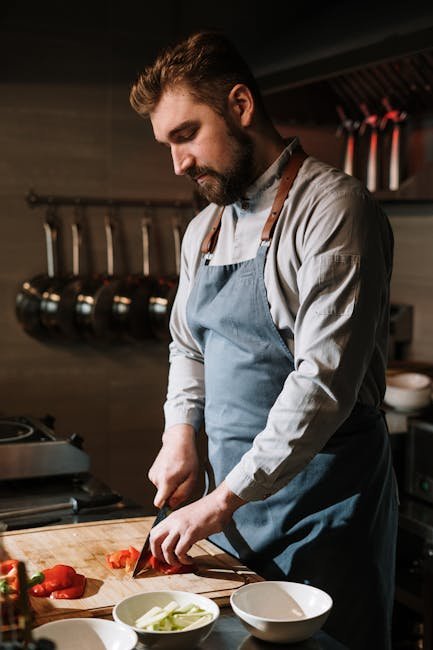
Are you tired of food sticking to your stainless steel pans or wondering why your dishes never quite turn out the way you hoped? You’re not alone.
Many home cooks feel frustrated when using stainless steel cookware. But imagine turning those frustrations into triumphs. Picture yourself cooking effortlessly, creating delicious meals with a beautiful sear and perfect texture every time. This is the magic of mastering stainless steel.
You’ll discover the best ways to cook with stainless steel. We’ll share simple tips and tricks that transform your cooking experience. Whether you’re a seasoned chef or a kitchen newbie, these insights will help you elevate your culinary skills. So, are you ready to unlock the secrets of stainless steel and make every meal memorable? Read on to find out how.
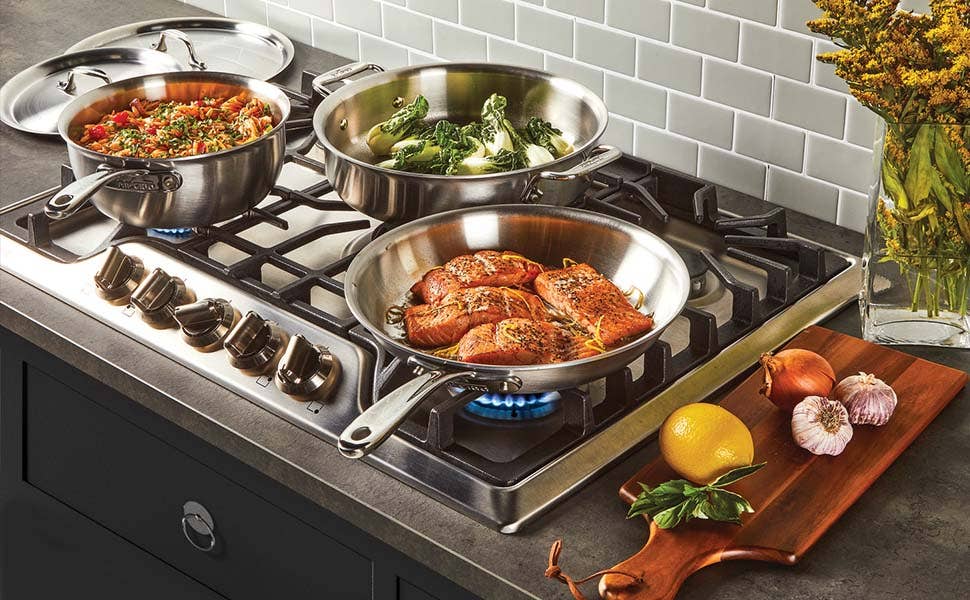
Credit: www.all-clad.com
Benefits Of Stainless Steel Cookware
Stainless steel cookware is a favorite in many kitchens. It offers a range of benefits that make cooking enjoyable and efficient. Its features ensure that meals turn out perfectly every time. Let’s explore why stainless steel cookware is a great choice for any kitchen.
Durability And Longevity
Stainless steel cookware is incredibly durable. It can withstand high temperatures without warping or losing shape. This cookware lasts for years, even with frequent use. It doesn’t rust or stain, maintaining its appearance over time. Investing in stainless steel cookware means fewer replacements, saving money in the long run.
Heat Distribution And Retention
Even cooking is crucial for delicious meals. Stainless steel cookware offers excellent heat distribution. It heats evenly, preventing hot spots that can burn food. This cookware also retains heat well. It keeps food warm longer, ideal for serving meals directly from the pan.
Non-reactive Surface
Stainless steel is non-reactive, a key benefit in cooking. It doesn’t react with acidic foods like tomatoes or lemon juice. This ensures that food maintains its true flavor. There’s no risk of metal leaching into your meals. Your dishes remain pure and delicious.
Choosing The Right Stainless Steel Cookware
Discover the best way to cook with stainless steel for perfect meals. Choose cookware with even heat distribution. Opt for well-constructed pieces to ensure lasting durability and efficiency in your kitchen adventures.
When it comes to cooking, choosing the right stainless steel cookware can make a significant difference. Not only does it affect the taste and quality of your meals, but it also impacts your overall cooking experience. If you’re wondering how to select the best stainless steel cookware for your kitchen, you’re in the right place. Let’s dive into the essentials to consider, so you can make an informed choice that you’ll enjoy for years to come.Types Of Stainless Steel
Stainless steel cookware comes in various types, and understanding these can help you make a better choice. The most common type you’ll find is the 18/10 stainless steel, which indicates the presence of 18% chromium and 10% nickel. This composition ensures durability and resistance to rust and corrosion. Some cookware might offer 18/8 or 18/0 stainless steel. While these are still good options, they may not offer the same level of resistance to staining and tarnish. It’s worth considering what you need based on how often you cook and what you typically prepare.Essential Pieces For Every Kitchen
When building your collection, focus on acquiring essential pieces that serve multiple purposes. A good place to start is with a high-quality stainless steel skillet. It’s versatile and can be used for sautéing, frying, and even baking. A stainless steel stockpot is another must-have. It’s perfect for making soups, stews, and even boiling pasta. Consider also getting a medium-sized saucepan for making sauces or reheating leftovers. Think about your cooking habits. If you love making omelets or pancakes, a stainless steel griddle might be a great addition. By choosing pieces that fit your cooking style, you’ll maximize both space and functionality in your kitchen.Understanding Cookware Grades
Cookware grades can be confusing, but knowing them helps in choosing the best. The grade often reflects the quality and price of the cookware. For example, a higher-grade pot or pan may distribute heat more evenly, which is crucial for delicate dishes. Look at the thickness of the base. A thicker base ensures even heat distribution and reduces the chance of hot spots. This is especially important if you make dishes that require precise temperature control. Consider the handles and lids as well. Good quality stainless steel cookware will have sturdy, heat-resistant handles and tight-fitting lids, ensuring safety and efficiency. Have you ever tried lifting a hot pot with a flimsy handle? It’s a kitchen nightmare you definitely want to avoid. Choosing the right stainless steel cookware isn’t just about buying the most expensive set. It’s about understanding your needs, the types and grades available, and investing in pieces that will enhance your cooking experience. What are your favorite stainless steel pieces in your kitchen, and why?Preparing Stainless Steel For Cooking
Stainless steel pans need proper preparation for the best cooking results. Heat the pan before adding oil to prevent sticking. Clean thoroughly after use to maintain their shine and efficiency.
Cooking with stainless steel pans can be a rewarding experience. They offer durability and even heat distribution, making them ideal for various cooking methods. But how do you get the best results from your stainless steel cookware? It all starts with preparation. Let’s dive into the essential steps for preparing stainless steel for cooking.Cleaning And Maintenance
Your first step is ensuring your cookware is clean. Stainless steel pans can develop a residue over time, especially if not cleaned properly. You want to avoid any leftover food particles that might stick or burn. Use warm water and mild dish soap to scrub your pans gently. A soft sponge or cloth works best. Avoid steel wool or harsh abrasives—they can scratch the surface. Remember, a clean pan is your canvas for culinary creativity. Have you ever tried cooking with a pan that wasn’t cleaned properly? It can lead to frustrating results.Pre-heating Techniques
Pre-heating your stainless steel pan is crucial. It prevents food from sticking and ensures even cooking. Place your pan on the stove over medium heat. Here’s a trick: sprinkle a few drops of water in the pan. If they sizzle and evaporate quickly, your pan is ready. Pre-heating is like setting the stage for a performance. A well-prepared pan makes a world of difference in your cooking. Ever wondered why sometimes your eggs stick and sometimes they don’t? It might just be your pre-heating technique.Proper Oil Application
Adding oil at the right time is key. Once your pan is hot, pour a small amount of oil—about a tablespoon should do. Swirl it around to coat the entire surface. This step is essential to prevent sticking and enhance flavor. Consider your choice of oil; each brings its own taste and benefits. Have you ever tried cooking without oil? It often leads to sticking, burning, and disappointment. Proper oil application can be the difference between a good meal and a great one. Preparing your stainless steel cookware might seem like a minor detail, but it sets the foundation for successful cooking. Each step plays a role in ensuring your meals come out perfectly. As you practice these techniques, you’ll find yourself mastering the art of cooking with stainless steel. What will you cook next?Cooking Techniques For Stainless Steel
Stainless steel pans need proper heat management. Preheat the pan to ensure even cooking and prevent sticking. Use oil or butter to enhance flavor and create a non-stick surface.
Cooking with stainless steel can elevate your culinary skills, offering a professional touch to your dishes. It’s known for its durability and even heat distribution, making it a favorite in kitchens worldwide. But mastering this cookware requires a few key techniques to ensure you achieve the best results.Searing Meats To Perfection
Stainless steel is ideal for searing meats, creating a savory crust that locks in flavors. Preheat your pan on medium-high heat until it’s hot enough for a water droplet to dance across the surface. Place your meat in the pan without oil, letting it sear undisturbed for a few minutes until it naturally releases from the pan. Don’t rush the process. Patience is key to achieving that golden-brown crust. Once seared, flip and repeat on the other side, ensuring even cooking.Making Sauces And Deglazing
After searing, your pan will have flavorful brown bits, known as fond, stuck to the surface. This is perfect for making sauces. Add a splash of wine or broth to the hot pan, scraping the fond with a wooden spoon to release its rich flavors. Watch as the liquid reduces, creating a delicious base for your sauce. You can add cream or butter for extra richness, enhancing your dish with layers of taste.Cooking Vegetables Evenly
Stainless steel pans are excellent for cooking vegetables evenly, offering consistent heat. Start by preheating the pan and adding a small amount of oil. Once hot, add your vegetables, spreading them out in a single layer. Stir occasionally, ensuring each piece gets equal exposure to the heat. This method brings out the natural sweetness and preserves the nutrients of your veggies. Have you tried cooking with stainless steel before? What techniques work best for you? Engaging with your cookware can transform your cooking experience, bringing delicious results to your table.Troubleshooting Common Issues
Cooking with stainless steel can be tricky. Many people face common issues that make the experience less enjoyable. These problems include food sticking, uneven heating, and burnt residues. Addressing these challenges makes cooking easier and more efficient.
Preventing Food Sticking
Food sticks because the pan is not hot enough. Always preheat your pan before adding oil. The right temperature prevents sticking. Test the heat by dropping water onto the pan. If it sizzles, it’s ready. Use enough oil to coat the surface. This helps create a barrier between food and metal.
Managing Heat Levels
Stainless steel heats quickly. It also cools down fast. Use medium heat for most cooking tasks. High heat can cause burning. Monitor your food closely to avoid overcooking. Adjust the heat as needed. Understanding your stove helps in managing heat levels.
Cleaning Burnt Residue
Burnt residue is common. To clean, soak the pan in warm water. Add dish soap for better results. Use a non-abrasive sponge to scrub gently. For stubborn spots, use baking soda. It acts as a mild abrasive. Rinse well to remove all soap and residue. Dry the pan completely to prevent water spots.

Credit: www.youtube.com
Enhancing Flavor With Stainless Steel
Cooking with stainless steel pans brings out rich flavors. Even heat distribution ensures food cooks evenly. This versatile material allows ingredients to sear perfectly, enhancing taste.
Cooking with stainless steel can be a game-changer in your kitchen, especially when it comes to enhancing flavors. This versatile material not only distributes heat evenly but also reacts less with food, preserving the natural taste and aroma. By focusing on specific techniques, you can elevate your dishes to new heights. Let’s dive into how you can enhance flavor with stainless steel cookware.Using Herbs And Spices
Stainless steel pans can help you get the most out of herbs and spices. Their heat distribution allows for even cooking, ensuring that flavors infuse uniformly. Try toasting spices like cumin or coriander directly in the pan before adding other ingredients. This simple step can amplify the depth of flavor in your dish. When you add fresh herbs, like basil or cilantro, at the end of cooking, the retained heat can gently release their aromatic oils, enhancing your meal even more.Achieving Crispy Textures
Getting that perfect crispy texture can be challenging, but stainless steel makes it achievable. The material’s ability to withstand high temperatures without warping is a huge advantage. To achieve a crispy exterior on meats or vegetables, ensure your pan is preheated. A drop of water should sizzle and evaporate quickly before you begin cooking. Avoid overcrowding the pan, allowing each piece the space to brown beautifully. Remember, patience is key—resist the urge to move the food too soon, letting it develop a delicious crust.Integrating Acidity And Sweetness
Balancing acidity and sweetness can transform a dish from good to outstanding. Stainless steel’s non-reactive surface means you can confidently use acidic ingredients like tomatoes or lemon juice without altering the pan’s surface. When deglazing a pan, consider using a splash of vinegar or wine to lift the fond—the flavorful bits stuck to the bottom. This adds a layer of complexity to sauces or gravies. Adding a touch of honey or sugar at the end can round out the flavors, providing a perfect contrast to the acidity. How do you like to balance flavors in your cooking? Experiment and find what suits your palate best.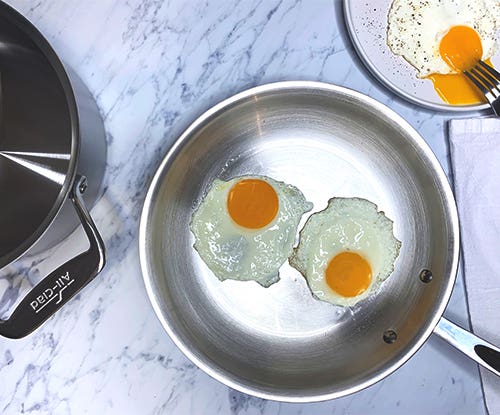
Credit: www.all-clad.com
Frequently Asked Questions
How Do You Keep Food From Sticking To Stainless Steel?
Preheat the pan before adding oil. Ensure oil is hot before placing food. Avoid overcrowding the pan. Use medium heat. Allow food to naturally release before flipping.
What’s The Trick To Cooking With Stainless Steel?
Preheat the pan before adding oil to prevent sticking. Use medium heat for even cooking. Allow food to naturally release before flipping. Clean with warm water and a soft sponge. Avoid metal utensils to prevent scratching.
What Foods Should Not Be Cooked In A Stainless Steel Pan?
Acidic foods like tomatoes and vinegar may cause stainless steel to leach metals. Delicate foods can stick easily. Avoid cooking eggs, fish, or rice, as they might stick and become difficult to clean. These foods can compromise the pan’s finish and alter flavors.
What Is The Rule For Stainless Steel Pans?
Use medium heat for even cooking. Preheat the pan before adding food. Avoid metal utensils to prevent scratches. Clean with gentle soap and water. Dry immediately to prevent water spots.
Conclusion
Cooking with stainless steel can be simple and rewarding. This versatile material helps create delicious meals. Remember to preheat the pan properly. Use oil to prevent food from sticking. Control the heat for even cooking. Clean your pans gently to keep them in top shape.
Experiment with recipes to find what works best for you. Try new techniques, and enjoy the process. Stainless steel pans offer durability and great cooking results. Embrace the challenge, and enjoy tasty dishes every day. Cooking can be fun, and stainless steel makes it better.
Happy cooking!
