

Imagine cooking a delicious meal only to have it stick to your pan, ruining your hard work. Frustrating, right?
If you’ve ever experienced this, your cast iron skillet might be in need of some care. But don’t worry, you’re not alone. Many home cooks face this problem, and the good news is that you can easily fix it. In this guide, you’ll discover the best way to cure your cast iron skillet, transforming it into a non-stick, durable cooking partner.
Whether you’re a seasoned chef or just starting out, giving your skillet the proper attention can make all the difference in your cooking. Ready to unlock the secret to a perfectly cured skillet? Let’s get started!
Choosing The Right Oil
Choosing the right oil is crucial for curing a cast iron skillet. The oil you select plays a key role in creating a non-stick surface. It also protects the skillet from rust and damage.
Choosing Oils With High Smoke Point
Opt for oils with a high smoke point. These oils are less likely to break down under heat. Popular choices include vegetable oil, canola oil, and grapeseed oil.
Avoid Low Smoke Point Oils
Steer clear of oils with low smoke points. Butter and olive oil are examples. These oils may burn easily and affect the skillet’s surface.
Consider Neutral Flavors
Neutral oils are ideal for curing. They do not alter the taste of food cooked in the skillet. Canola and grapeseed oils have neutral flavors.
Check For Availability
Choose oils that are easy to find. Regular vegetable oil is readily available in most stores. This makes the curing process convenient and hassle-free.
Opt For Affordability
Affordable oils are practical choices. Vegetable oil is budget-friendly and effective for curing. It ensures the skillet remains in good condition without high costs.
Prepping Your Skillet
Prepping your cast iron skillet is the secret to long-lasting, non-stick performance. It’s not just about throwing it in the oven; it’s a ritual that starts with proper cleaning and drying. You might be wondering why your skillet doesn’t seem as smooth as others rave about. Perhaps, it’s all about how you prep it. Let’s dive into the essentials and ensure your skillet stands the test of time.
Cleaning Basics
Before you can cure your cast iron skillet, it needs to be impeccably clean. Use hot water and a brush to remove food residue. Avoid soap unless absolutely necessary as it can strip the seasoning. If you encounter stubborn bits, a paste of coarse salt and water can work wonders. Rinse thoroughly to ensure all remnants are gone.
Avoid soaking your skillet for extended periods. Prolonged exposure to water can lead to rust. Remember, your goal is a clean slate for seasoning, not a rusty relic. How do you deal with a rusty skillet? A little elbow grease with steel wool can help revive it.
Drying Techniques
Drying your skillet properly is just as crucial as cleaning it. After rinsing, use a towel to pat it dry immediately. This prevents any chance of rust forming on your prized cookware. Think of it as drying off after a swim—you wouldn’t want to catch a chill.
For added assurance, place your skillet on a stove over low heat for a few minutes. This ensures any remaining moisture evaporates completely. Ever noticed a slight sizzle? That’s the sound of your skillet thanking you for keeping it rust-free.
Your skillet is now prepped, and ready for the curing process. Have you ever thought about how such small steps can lead to better cooking outcomes? A well-prepped skillet makes all the difference in your culinary adventures.
Heating Process
Properly curing a cast iron skillet ensures it stays non-stick and rust-free. The heating process is crucial in this task. Heat allows the oil to bond with the metal. This bond creates a protective layer on your skillet. Let’s explore two popular methods: the oven method and the stovetop method.
Oven Method
Preheat your oven to 350°F. While the oven heats, apply a thin layer of oil to your skillet. Use vegetable oil or flaxseed oil for best results. Make sure to cover the entire surface. Place the skillet upside-down on the oven’s middle rack. This prevents excess oil from pooling. Place a sheet of foil below to catch drips. Bake the skillet for one hour. Allow it to cool completely in the oven before removing.
Stovetop Method
Begin by setting your burner to medium heat. Coat the skillet with a small amount of oil. Spread it evenly across the surface with a paper towel. Heat the skillet on the stovetop for 10-15 minutes. Watch closely to prevent burning. Once the oil stops smoking, turn off the heat. Let the skillet cool naturally. Repeat this process for a stronger seasoning layer.
:max_bytes(150000):strip_icc()/How-to-Season-Cast-Iron-Skillet-3x2-1-bcd280f1703e47e0a59bb62e86a0d53a.png)
Credit: www.allrecipes.com
Applying Oil
Applying oil is a crucial step in curing a cast iron skillet. It protects the surface and enhances the cooking experience. A well-oiled skillet prevents rust and ensures even heat distribution. The type and amount of oil matter greatly. Let’s dive into the details of how to apply oil effectively.
Amount And Coverage
Use a small amount of oil. A tablespoon is usually enough. Spread the oil evenly across the skillet’s surface. Use a paper towel or cloth for even coverage. Rub the oil into every part, including the handle. Ensure all surfaces are lightly coated. This helps in achieving a uniform seasoning layer.
Avoiding Sticky Residue
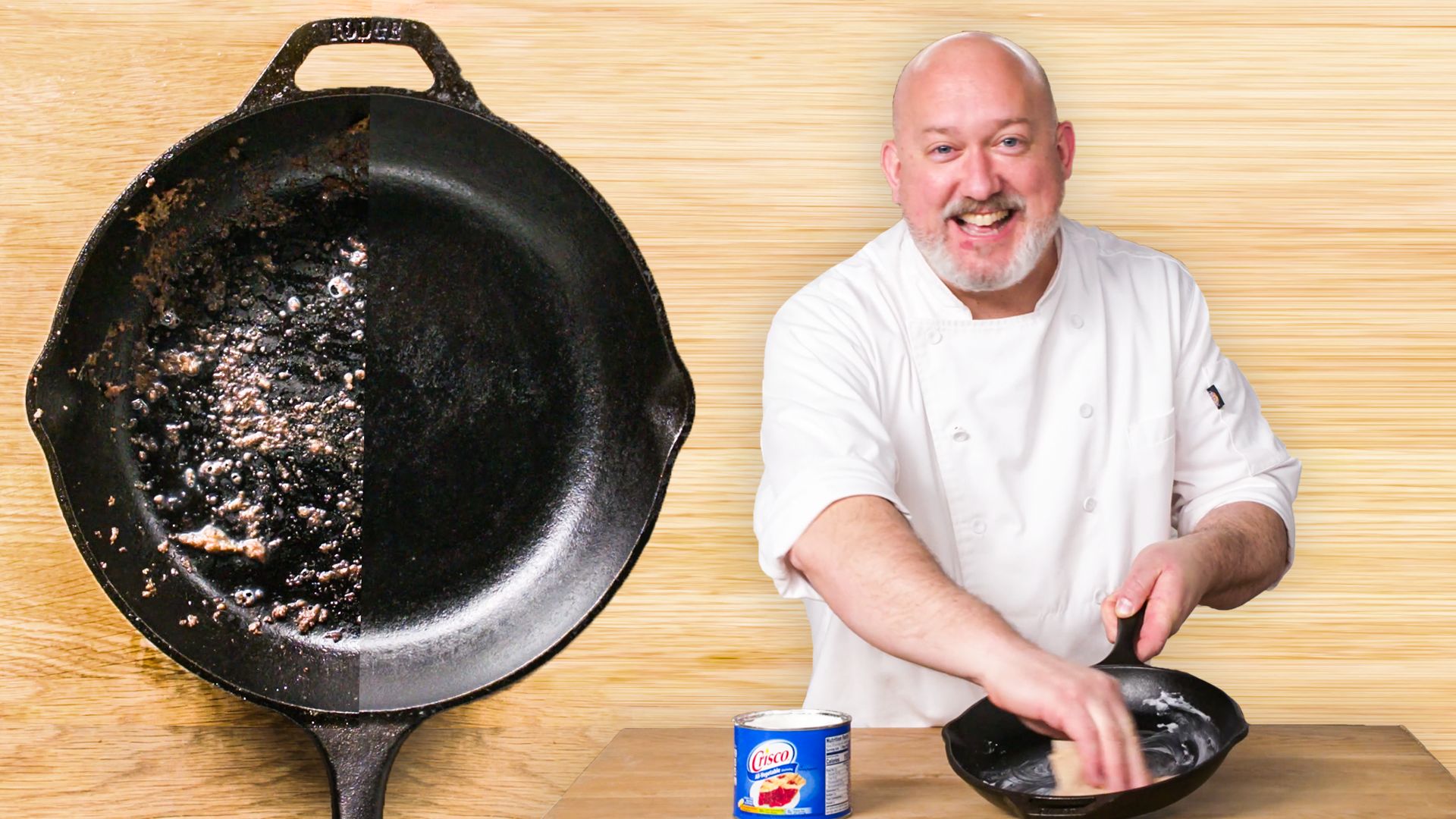
Avoid a sticky residue by wiping off excess oil. After applying, wipe the skillet with a clean cloth. Remove any oil that pools or drips. A thin, even layer is key. Too much oil can lead to sticky surfaces. This can ruin your cooking experience. A well-seasoned skillet should feel smooth, not sticky.
Baking The Skillet
Curing a cast iron skillet ensures long-lasting durability and optimal cooking results. Start by scrubbing the skillet with mild soap and water to remove debris. After drying, apply a thin layer of vegetable oil, then bake it in the oven at 375°F for one hour.
Cool completely before storing.
Curing a cast iron skillet is like giving it a spa day; it involves cleaning, seasoning, and finally, baking. Baking your skillet is a crucial step in the seasoning process that helps the oil bond with the iron, creating a smooth, non-stick surface. This step not only enhances the skillet’s performance but also prolongs its life. If you’ve ever wondered how to achieve that perfect finish, then baking the skillet is your answer. Here’s how you can do it right.
Temperature Settings
Setting the right temperature is essential for baking your skillet effectively. Preheat your oven to 400 degrees Fahrenheit; this is the sweet spot that allows the oil to polymerize. Make sure the skillet is upside down in the oven. This prevents pooling and ensures an even coat. Consider placing a sheet of aluminum foil beneath the skillet to catch any drips, keeping your oven clean.
Cooling Down
Once your skillet has baked, allow it to cool down in the oven. This gradual cooling helps solidify the bond between the oil and the iron. You might be tempted to speed up the process, but patience pays off. Letting it cool naturally ensures a more durable finish. Have you noticed how a hurried cooldown can lead to a sticky surface? Letting it rest in the oven prevents this and rewards you with a perfect, glassy finish. Engaging with your cast iron skillet can be rewarding, but it requires a touch of patience and attention. Are you ready to give your skillet the royal treatment it deserves?

Credit: prolinerangehoods.com
Maintenance And Storage
Curing a cast iron skillet involves applying a thin layer of oil and heating it to create a natural non-stick surface. Proper storage ensures longevity; keep it dry and protected from moisture to prevent rust. Regular maintenance, including gentle cleaning, preserves its performance and enhances cooking results.
Taking proper care of your cast iron skillet ensures that it lasts for generations. Maintenance and storage are crucial for keeping your skillet in top condition. With the right approach, your skillet will reward you with non-stick cooking and excellent heat retention.
Post-use Care
After cooking, the first step is to clean your skillet. Use warm water and a soft brush or sponge to remove food particles. Avoid using soap as it can strip the seasoning. Dry your skillet thoroughly with a towel. Any moisture left can lead to rust. You might also want to put it on the stove over low heat for a few minutes to ensure it’s completely dry. Apply a thin layer of vegetable oil on the surface after each use. This helps maintain the non-stick layer and protects the skillet from moisture. A little oil goes a long way here.
Long-term Storage Tips
When storing your skillet, make sure it’s in a dry place. Moisture is the enemy of cast iron. If you live in a humid area, consider keeping it in your oven or a warm cabinet. Stacking cast iron skillets can save space, but it can also damage the seasoning. Use a paper towel or cloth between skillets to protect them. If you notice your skillet is developing rust, don’t panic. A quick scrub with steel wool and a reseasoning session can restore it. Think of it as a part of your skillet’s ongoing care routine. Do you have any unique tips for storing your cast iron skillet? Share your experiences and help others keep their skillets in prime condition!
Common Mistakes
Many people scrub cast iron skillets with soap, which removes its protective seasoning. Use salt instead for cleaning. Another mistake is storing it without drying, leading to rust. Always dry it completely after washing. Regular oiling is essential to maintain its non-stick surface.
Avoid these errors for a long-lasting skillet.
Curating a cast iron skillet is an art form cherished by culinary enthusiasts. Yet, even seasoned cooks can stumble upon common mistakes that hinder achieving that perfect, non-stick finish. Recognizing these pitfalls can save you time and frustration.
Over-oiling
Many believe that more oil equals better seasoning, but this isn’t always true. Applying too much oil results in a sticky surface, which can ruin your cooking experience. It might seem counterintuitive, but a thin, even layer is all you need. I once slathered my skillet with oil, thinking it would expedite the process. Instead, I was left with a gummy mess. Have you ever had that happen to you? It’s a hassle to scrub off and start over. Stick to just a small amount, and your skillet will thank you.
Skipping Steps
In our busy lives, it’s tempting to cut corners. Skipping crucial steps like thoroughly drying your skillet before seasoning can lead to rust. Rust not only affects the skillet’s performance but also its longevity. Consider the time I hastily cleaned my skillet and skipped the drying step. Rust spots appeared, requiring more time to restore. It’s a reminder that patience and diligence pay off. Have you ever faced the same issue? Each step in the curing process plays a vital role. Neglecting them can mean the difference between a trusted kitchen companion and a disappointing cooking experience. What steps have you overlooked in your skillet care routine?
Credit: www.epicurious.com
Expert Tips For Longevity
A cast iron skillet is more than just a kitchen tool; it’s a cherished companion in culinary adventures. Treat it well, and it will reward you with decades of service. But how do you ensure your skillet stands the test of time? The secret lies in proper curing techniques and expert care strategies. Let’s dive into some expert tips that will keep your skillet in top-notch condition for years to come.
Enhancing Flavor
Did you know that a well-cured cast iron skillet can elevate your cooking? The seasoning layer not only protects the pan but also enriches the flavors of your dishes. Picture this: your grandmother’s skillet, passed down through generations, adding an irreplaceable depth to your homemade cornbread.
The key is to regularly oil your skillet, especially after cooking acidic foods like tomatoes. Use a high smoke point oil, such as flaxseed or grapeseed oil. Apply a thin coat, wipe off the excess, and heat the skillet until it smokes. This process builds up a resilient seasoning that locks in flavor over time.
Avoiding Rust
Rust can be a cast iron skillet’s worst enemy. It not only damages the skillet but can also spoil your food. Imagine going to cook your favorite meal, only to find your trusty skillet covered in rust. Not a pleasant surprise!
To keep rust at bay, ensure your skillet is completely dry after each wash. A quick tip: dry it on the stove over low heat. Also, store it in a dry place. If you live in a humid area, consider placing a paper towel in the skillet to absorb moisture.
Have you ever wondered why some skillets last longer than others? The answer often lies in these simple, yet crucial, care practices. So, are you ready to give your skillet the attention it deserves and enjoy its benefits for generations?
Frequently Asked Questions
What Is The Best Way To Cure A Cast Iron Skillet?
To cure a cast iron skillet, clean it thoroughly. Apply a thin layer of vegetable oil. Heat the skillet upside down in a 375°F oven for an hour. Let it cool completely before use. Repeat this process as needed for optimal seasoning and protection.
What Is The Best Oil To Season A Cast Iron Skillet With?
Use vegetable oil or grapeseed oil for seasoning a cast iron skillet. They have high smoke points. Ensure the skillet is clean and dry before applying a thin layer of oil. Heat it to create a protective non-stick coating. This helps maintain the skillet’s condition and enhances cooking results.
How To Properly Season A Cast Iron Skillet For The First Time?
Clean the skillet with warm soapy water and dry thoroughly. Apply a thin layer of vegetable oil. Heat in the oven at 375°F for one hour. Allow the skillet to cool in the oven. Repeat the process if necessary for a stronger seasoning layer.
How Often Should You Cure A Cast Iron Skillet?
Cure a cast iron skillet every few months or when food starts sticking. Regular use may require more frequent curing. Always dry and oil the skillet after washing to maintain its seasoning. Proper maintenance ensures longevity and enhances cooking performance.
Conclusion
Caring for your cast iron skillet is simple. Follow the right steps. Start by cleaning it properly. Dry it thoroughly after each use. Apply a thin layer of oil. Heat it gently to seal the surface. This process prevents rust and maintains flavor.
Regular maintenance is key. Enjoy cooking with your skillet for years. With these tips, your skillet stays in great shape. Cooking becomes a pleasure, not a chore. Happy cooking with your well-cared cast iron! Keep it seasoned, and it will serve you well.
