
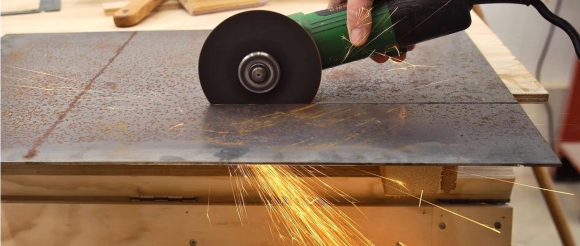
Have you ever tried cutting stainless steel, only to find it more challenging than you expected? Stainless steel is tough, durable, and can be quite the puzzle to cut precisely.
Whether you’re a DIY enthusiast working on a home project or a professional aiming for that perfect finish, knowing the best way to cut stainless steel can save you time, money, and a lot of frustration. Imagine effortlessly slicing through stainless steel like a hot knife through butter, achieving clean edges with minimal effort.
Sounds like a dream, right? But it’s entirely possible when you use the right techniques and tools. This guide is your key to unlocking the secrets of cutting stainless steel efficiently and effectively. Stick around to discover tips and tricks that will make your cutting tasks smoother, faster, and more enjoyable. Let’s dive into the world of stainless steel cutting and transform your projects into masterpieces.
Understanding Stainless Steel
Stainless steel is a popular material in many industries. Its durability and resistance to corrosion make it stand out. Cutting stainless steel can be tricky due to its toughness. Understanding its properties and uses helps in choosing the right cutting method.
Properties Of Stainless Steel
Stainless steel is made of iron, chromium, and other elements. The chromium gives it a shiny look and rust resistance. It is strong and holds up well under pressure. This makes it ideal for heavy-duty applications. Different grades of stainless steel have different qualities. Some are more flexible, while others are harder.
Common Applications
Stainless steel is everywhere. Kitchens use it for sinks, cutlery, and cookware. It is also common in medical tools due to its cleanliness. In construction, it is used for building supports and fittings. Stainless steel is also essential in the automotive industry. Its strength ensures safety in vehicle parts.
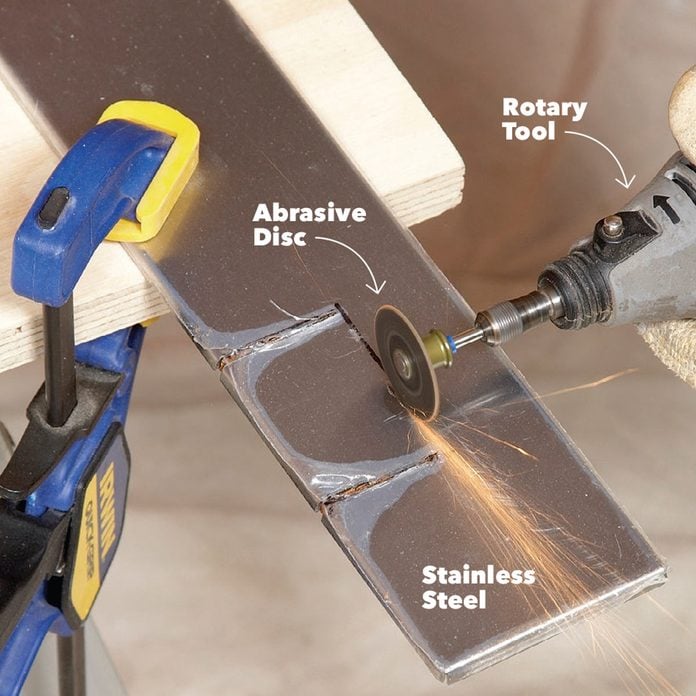
Credit: www.familyhandyman.com
Preparation For Cutting
Stainless steel requires careful preparation before cutting to ensure smooth edges. Use the right tools, like plasma cutters or circular saws, for precision. Safety gear, such as gloves and goggles, is essential to protect from sharp fragments.
Cutting stainless steel can seem daunting, but with the right preparation, it becomes a manageable task. Whether you’re a DIY enthusiast or a professional, getting ready for the cut is crucial. Proper preparation ensures safety, efficiency, and precision.Safety Measures
Safety should always be your top priority. Stainless steel can produce sharp edges and sparks, which pose risks. Wear protective gear like gloves and safety goggles. This will protect your hands and eyes from sharp fragments and sparks. Ensure your workspace is well-ventilated to avoid inhaling any harmful fumes. If you’re using power tools, make sure your electrical connections are secure. Have a fire extinguisher nearby. It’s a precaution that can save your project and perhaps more.Required Tools
Having the right tools is half the battle won. The choice of tool depends on the thickness of the stainless steel you’re cutting. For thin sheets, a pair of tin snips or a power shear can do the job efficiently. They’re easy to handle and perfect for small projects. For thicker materials, consider using an angle grinder or a circular saw. They provide the power needed for precision cuts. Mark your cutting line clearly. Using a marker or a scriber ensures accuracy and minimizes mistakes. Are you ready to make that perfect cut? With preparation, your stainless steel cutting task becomes a breeze. Remember, the right setup makes all the difference.Cutting Techniques
Cutting stainless steel requires precision and the right tools. It’s crucial to know the best techniques for the job. Each method offers unique benefits and challenges.
Using A Circular Saw
A circular saw is a popular tool for cutting stainless steel. Choose a blade designed for metal. It ensures clean cuts and extends blade life. Use steady hands and guide the saw slowly. This method is great for straight lines and simple cuts.
Plasma Cutting Method
Plasma cutting uses ionized gas to slice through metal. It offers high-speed cutting and precision. Ideal for complex shapes and detailed designs. Protective gear is essential due to intense heat and light. This technique excels in industrial settings.
Water Jet Cutting
Water jet cutting uses high-pressure water streams mixed with abrasives. It’s perfect for intricate patterns and smooth edges. No heat is generated, preventing material warping. This method is eco-friendly and versatile. Suitable for various stainless steel thicknesses.
Tips For Precision Cutting
Cutting stainless steel demands precision and attention to detail. Using the right techniques makes the process smoother. You can achieve clean, accurate cuts every time. Consider these tips to enhance your cutting precision.
Maintaining Tool Sharpness
Sharp tools are crucial for clean cuts. Dull blades create jagged edges. Regularly inspect your tools for sharpness. Replace or sharpen them as needed. High-quality blades last longer and cut better. Invest in reputable brands for consistent results.
Avoiding Heat Distortion
Heat can warp stainless steel. Use coolants to keep temperatures down. Water or oil-based solutions work well. Maintain a steady cutting speed. Fast cuts generate more heat. Slow down for better control. Monitor the metal’s temperature throughout the process.
Finishing And Deburring
Finishing and deburring stainless steel ensures a smooth, professional look. After cutting, sharp edges may remain. These can cause harm or damage. Proper finishing makes the surface safe and appealing. It involves smoothing edges and polishing the surface. Each step improves the final product’s quality.
Smoothing Edges
Smoothing edges removes sharpness from stainless steel cuts. A file or grinding tool can smooth these edges. Move the tool along the edge gently. Avoid pressing too hard. This reduces risks of uneven surfaces. Always wear safety gear during this process. It protects hands and eyes from debris.
Surface Polishing
Surface polishing gives stainless steel a shiny finish. Use sandpaper or a polishing pad for this task. Begin with coarse grit sandpaper. Gradually switch to finer grit sandpaper. This creates a smooth surface. Apply a polishing compound with a pad. Rub it in circular motions. This enhances the steel’s shine. Clean the surface with a soft cloth after polishing. This removes excess compound and improves appearance.
Common Mistakes To Avoid
Cutting stainless steel can be tricky. Mistakes can lead to costly errors. Understanding common mistakes helps ensure smooth cutting. Avoiding these pitfalls saves time and resources. Let’s explore key mistakes often made.
Incorrect Tool Selection
The right tool makes all the difference. Many use the wrong tools. Stainless steel requires specific equipment. Using basic tools damages both the tool and material. Always choose tools designed for stainless steel. This ensures clean cuts and preserves tool life.
Ignoring Safety Protocols
Safety should never be overlooked. Some ignore safety gear and protocols. This can lead to injuries. Protective gear shields against sparks and sharp edges. Always wear gloves, goggles, and ear protection. Following safety protocols is crucial. Keep a clean workspace to prevent accidents.
Expert Recommendations
Cutting stainless steel requires precision and the right approach. Experts suggest different methods based on specific needs. Understanding expert recommendations can save time and ensure quality results. This guide offers insights from industry professionals.
Industry Insights
Industry professionals emphasize using the right tools for the job. Laser cutting stands out for its precision and speed. It’s suitable for both thin and thick stainless steel. Water jet cutting is another popular method. It’s ideal for heat-sensitive projects as it doesn’t generate heat. Plasma cutting is efficient for thicker sheets. Experts recommend it for its cost-effectiveness and versatility.
Cost-effective Solutions
Budget is a concern for many. Using a jigsaw with a metal cutting blade is economical. It’s suitable for small projects or home workshops. A circular saw with a diamond blade is another affordable option. It offers a clean cut without heavy investment. For larger projects, renting equipment can save money. Professionals often suggest renting a plasma cutter for temporary needs.
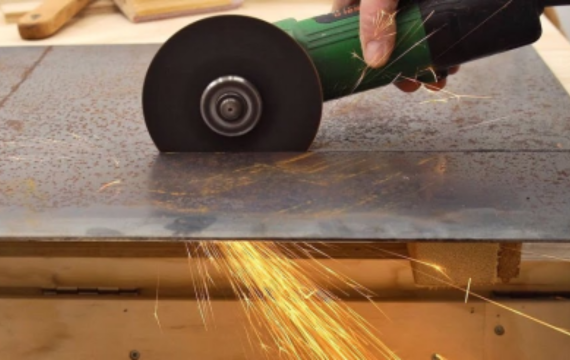
Credit: kdmfab.com
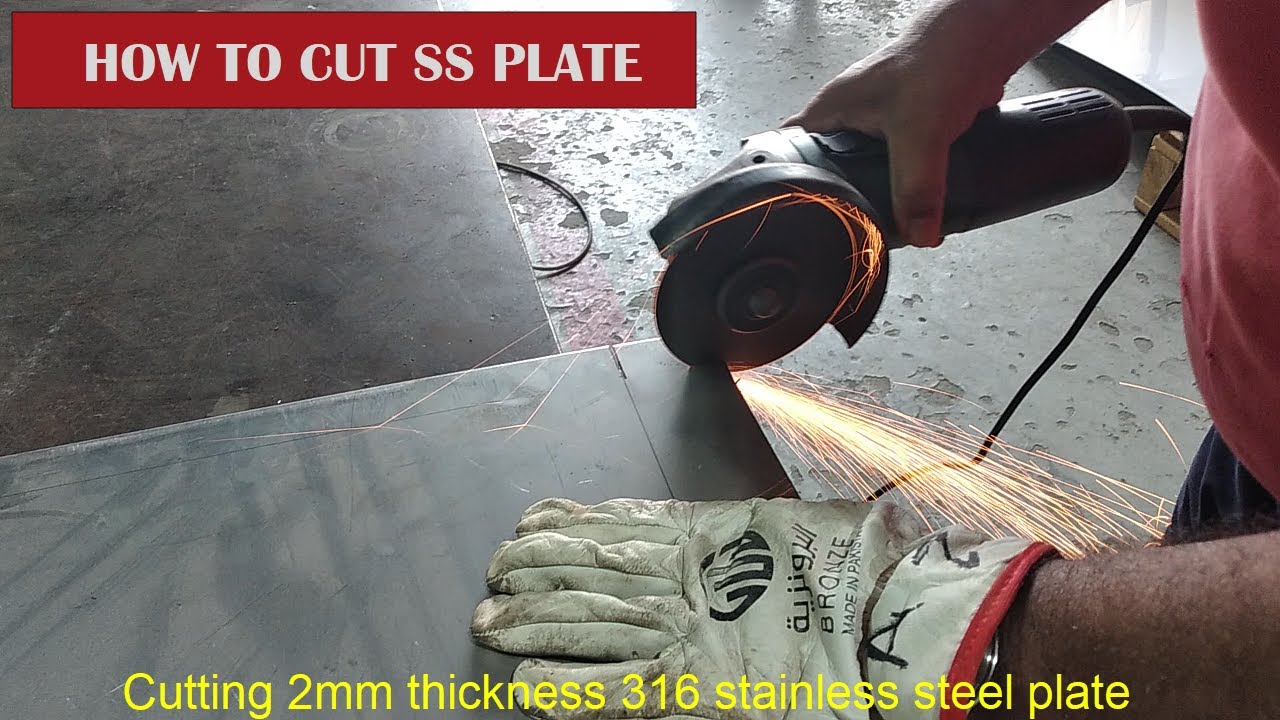
Credit: www.youtube.com
Frequently Asked Questions
What Is The Best Thing To Cut Stainless Steel With?
Use a plasma cutter for precise stainless steel cuts. An angle grinder with a cutting disc is also effective. A laser cutter offers high accuracy for intricate designs. Ensure safety by wearing protective gear. Opt for the right tool based on your project’s requirements and thickness of the stainless steel.
What Is The Best Bit For Cutting Stainless Steel?
Use a carbide-tipped drill bit for cutting stainless steel. It’s durable and resists heat effectively. Ensure the bit is sharp for precise cuts. High-speed steel (HSS) bits with cobalt can also work well. Employ cutting fluid to reduce friction and enhance performance.
Is It Better To Cut Stainless Steel Fast Or Slow?
Cut stainless steel slowly for precision and minimal heat. Fast cutting can cause warping and rough edges. Use appropriate tools and techniques for best results.
Can I Cut Stainless Steel With An Angle Grinder?
Yes, you can cut stainless steel with an angle grinder. Use a suitable cutting disc for stainless steel. Ensure safety by wearing protective gear and follow proper techniques for precise cuts.
Conclusion
Cutting stainless steel is easier with the right tools and methods. Choose the tool based on your project needs. Use a plasma cutter for precise cuts. For small tasks, a hacksaw works well. Always ensure safety by wearing protective gear.
Consider using lubricant to reduce friction. A clean workspace helps avoid accidents. Measure twice, cut once to avoid mistakes. Each method offers unique benefits for different tasks. Find what fits your needs and budget. Practice improves your cutting skills. Stainless steel can be cut efficiently when done properly.
Keep learning and experimenting for better results.
