

Do you ever open your dishwasher and wonder if it’s truly as clean as it looks? Despite its job of washing your dishes, your dishwasher itself can accumulate grime, food particles, and even mold over time.
If you’re noticing unpleasant odors, residue on your dishes, or a drop in cleaning performance, it might be time for a deep clean. Discovering the best way to deep clean your dishwasher can transform this essential kitchen appliance, ensuring your dishes come out sparkling and your machine runs efficiently.
In this guide, you’ll uncover simple yet effective methods to banish build-up and bring your dishwasher back to life. Ready to dive in and give your dishwasher the deep clean it deserves? Let’s get started!
Essential Tools And Supplies
Cleaning a dishwasher requires simple tools like a toothbrush, vinegar, and baking soda. Scrub away grime with a toothbrush. Use vinegar and baking soda to eliminate odors and unclog drains effectively.
When was the last time you gave your dishwasher a thorough clean? If you’re like most people, the answer is probably “not recently enough.” While dishwashers do a fantastic job at cleaning your dishes, they also need a little TLC to keep them running efficiently. To tackle the grime and gunk that builds up over time, having the right tools and supplies on hand is essential. Let’s dive into what you’ll need for a successful deep clean.1. Soft Bristle Brush
A soft bristle brush is your best friend for scrubbing away stubborn food particles and soap scum. It reaches into corners and crevices that are hard to clean with just a wipe. Don’t underestimate the power of a good brush; it can make all the difference in cleaning those tricky spots.2. Microfiber Cloths
Microfiber cloths are perfect for wiping down the interior and exterior of your dishwasher. They trap dirt and bacteria, leaving surfaces spotless. Plus, they are gentle enough to avoid scratching stainless steel finishes.3. White Vinegar
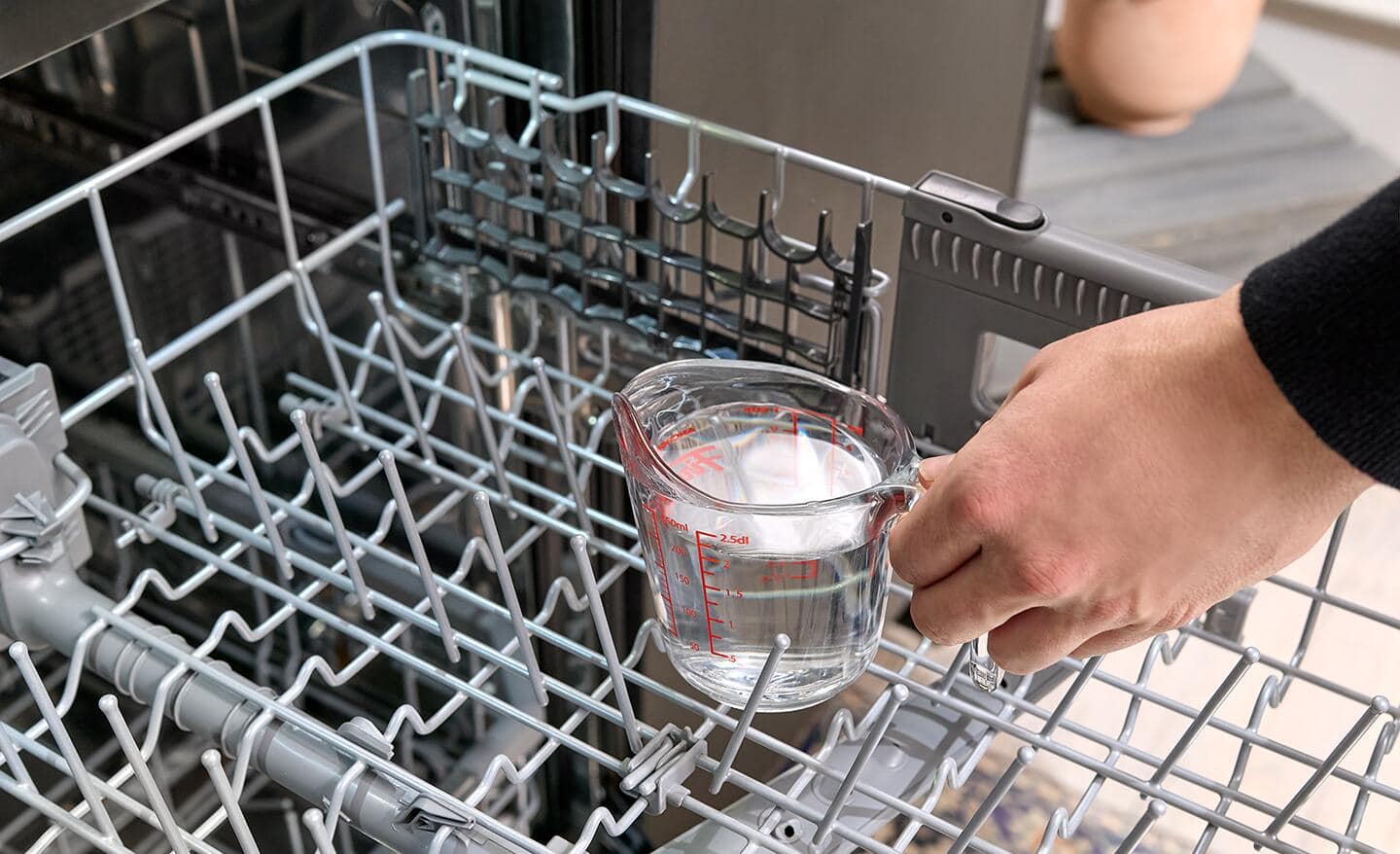
White vinegar is a natural cleaning agent that helps break down mineral deposits and eliminate odors. Pour a cup into a dishwasher-safe container and place it on the top rack for a cycle. You’ll be amazed at how fresh your dishwasher smells afterward.4. Baking Soda
Baking soda is another household staple that works wonders for cleaning. Sprinkle a cup at the bottom of the dishwasher and run a short cycle. It deodorizes and removes stains, making your dishwasher look and smell like new.5. Toothpick Or Toothbrush
A toothpick or an old toothbrush is ideal for cleaning out tiny holes in the spray arms. These tools help you remove any clogs that might be affecting your dishwasher’s performance. You might be surprised at how much debris can accumulate in these small areas.6. Screwdriver
A screwdriver might be needed if you have to remove spray arms or other components for a deeper clean. Carefully unscrew these parts to access the hidden nooks and crannies. Make sure to keep track of all screws and parts to reassemble them correctly.7. Dish Soap
A mild dish soap can be used to clean removable parts like the cutlery basket and racks. Soak them in warm soapy water to dissolve any grease or residue. You’ll notice a significant difference in cleanliness with just this simple step.8. Gloves
Gloves protect your hands from harsh cleaning agents and sharp dishwasher components. They also keep your skin safe if you have allergies or sensitivities. Comfort and safety should never be overlooked when cleaning. Before you start, gather these supplies and tools to ensure a smooth cleaning process. Are there any tools you think might be missing from this list? Preparing in advance can save you time and effort and make your dishwasher cleaning routine more effective.Preparation Steps
Preparing your dishwasher for a deep clean is essential for effective results. Proper preparation ensures that every part of the dishwasher is accessible. This allows for thorough cleaning and maintenance. In this section, we’ll guide you through the necessary steps before you start cleaning. These steps are simple yet crucial for a spotless dishwasher.
Empty The Dishwasher
First, remove all dishes, utensils, and racks from the dishwasher. This step is vital for accessing hidden areas. An empty dishwasher allows for better inspection and cleaning. Place the racks and utensils in a safe area for cleaning later.
Inspect The Interior
Check the dishwasher’s interior for any visible debris or blockages. Look for food particles, soap scum, or grease buildup. Pay attention to the spray arms and filter. These areas often collect grime. Identifying problem spots helps you focus your cleaning efforts where needed.
Cleaning The Filter
Cleaning the filter is crucial for maintaining a sparkling dishwasher. Remove the filter, rinse it under warm water, and scrub gently with a brush. This simple step ensures better drainage and cleaner dishes, enhancing your appliance’s performance. Regular cleaning keeps your dishwasher efficient and prolongs its lifespan.
Keeping your dishwasher in top shape is crucial for both hygiene and performance. One of the most important tasks in deep cleaning your dishwasher is cleaning the filter. Neglecting this step can lead to clogs, inefficient cleaning, and even unpleasant odors. When was the last time you checked your dishwasher filter? If you can’t remember, then it’s probably time to roll up your sleeves and get started.Removing The Filter
Start by consulting your dishwasher manual to locate the filter. Most filters are found at the bottom of the dishwasher. You’ll likely need to remove the lower rack to gain easy access. Once located, carefully twist or pull out the filter. If it’s secured with screws, use a screwdriver to gently remove them. It’s crucial to remember how you removed the filter, so you can easily put it back later.Washing And Replacing
With the filter out, rinse it under hot, running water. Use a soft brush or sponge to scrub away any food particles or grime. Dish soap can be helpful for stubborn residue, but avoid harsh chemicals that might damage the filter. After washing, inspect the filter for any signs of damage. A cracked or worn filter should be replaced to maintain efficiency. Reinstall the filter by following the removal steps in reverse. Ensure it’s securely in place to avoid any future issues. Cleaning your dishwasher filter can seem like a small task, but it makes a significant difference. Have you ever noticed a sudden improvement in your dishwasher’s performance after a thorough filter clean? It’s a simple way to keep your dishwasher running smoothly and your dishes sparkling clean.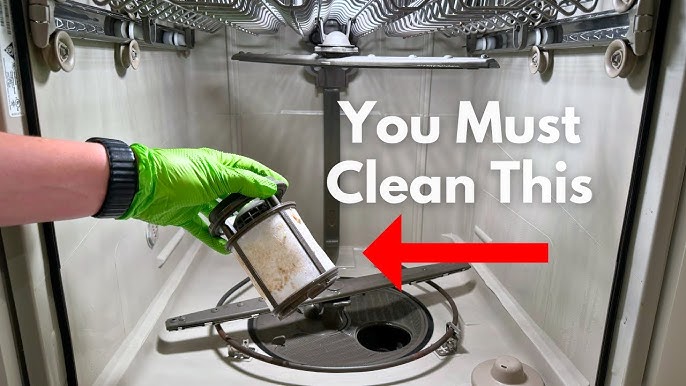
Credit: www.youtube.com
Cleaning The Spray Arms
Cleaning the spray arms is essential for a spotless dishwasher. Remove them carefully and rinse to clear clogs. Use a brush to scrub away stubborn debris for optimal performance.
Cleaning the spray arms is an essential step in maintaining the efficiency of your dishwasher. Many people overlook this component, yet it plays a crucial role in ensuring that your dishes come out sparkling clean. The spray arms are responsible for distributing water evenly across your dishes, and when they’re clogged or dirty, your dishwasher can’t do its job effectively. Let me share with you a simple approach to keep these spray arms in top shape.Unclogging The Spray Holes
Start by removing the spray arms from your dishwasher. Most models allow you to unscrew or snap them off easily. Check your dishwasher’s manual if you’re unsure. Once removed, inspect the tiny holes on the spray arms. These holes can become clogged with food particles, mineral deposits, or soap scum. Use a toothpick or a small wire to gently clear any debris from each hole. Don’t rush this process. A clogged hole means less water pressure and less cleaning power. Imagine washing your car with a garden hose that has a kink; not very effective, right?Rinsing The Spray Arms
After unclogging the spray holes, rinse the spray arms thoroughly under warm, running water. This helps to wash away any remaining debris or loosened deposits. Consider using a mild dish soap to clean the surface of the spray arms. A gentle scrub with a soft brush can remove stubborn grime. Once clean, shake off excess water and allow them to air dry for a few minutes before reattaching them to the dishwasher. Reattaching clean spray arms ensures they spin freely and function optimally. You might even notice a difference in how clean your dishes are after a wash cycle. Have you ever thought about how a simple task like cleaning the spray arms can improve your dishwasher’s performance? Give it a try and see the results for yourself!Addressing The Door And Gaskets
Cleaning your dishwasher goes beyond scrubbing racks and filters. The door and gaskets play a vital role in its performance. Over time, grime and debris can build up in these areas, affecting your dishwasher’s efficiency. Addressing the door and gaskets is essential for a thorough clean.
Cleaning The Door Seal
The door seal is crucial for preventing leaks. Start by wiping it with a damp cloth to remove surface dirt. Use a toothbrush for stubborn grime. A mixture of vinegar and water can help break down any residue. Make sure to clean the entire seal, including corners and crevices.
Don’t forget the inside of the door. It can collect soap scum and food particles. A gentle scrub with a sponge will do wonders. Pay attention to the hinge area, where dirt tends to accumulate. Rinse thoroughly to ensure all cleaning agents are removed.
Checking For Damage
Inspect the door seal for any signs of wear. Look for cracks, tears, or areas that seem worn out. Damaged seals can lead to leaks and reduced efficiency. If you find any damage, consider replacing the seal promptly.
Check the gaskets for proper alignment. Misaligned gaskets can cause water to escape, leading to leaks. Adjust them if necessary to ensure a snug fit. Regular inspection can prevent major issues down the line.
Credit: www.homedepot.com
Sanitizing The Interior
Deep cleaning a dishwasher involves removing food particles and grime. Use vinegar and baking soda for effective results. A clean dishwasher ensures spotless dishes and a hygienic kitchen.
Keeping your dishwasher in pristine condition is not just about aesthetics—it’s essential for ensuring your appliance runs efficiently and your dishes come out sparkling clean. One crucial step in maintaining your dishwasher is sanitizing the interior. This process not only removes lingering odors but also eliminates bacteria and grime. By using simple household items, you can achieve a deep clean that will leave your dishwasher looking and smelling fresh. Let’s dive into two highly effective methods: using vinegar and utilizing baking soda.Using Vinegar
Vinegar is a natural cleaning powerhouse. Begin by emptying your dishwasher completely, removing any stray bits of food or residue. Place a cup of white vinegar in a dishwasher-safe container on the top rack. Run a hot water cycle. The vinegar will break down grease, remove odors, and sanitize the interior. This method is a quick and efficient way to maintain your appliance’s cleanliness. Have you ever noticed a musty smell when you open your dishwasher? That’s often a sign that it’s time for a vinegar cleanse. It’s an easy, cost-effective solution that doesn’t require any elbow grease.Utilizing Baking Soda
After the vinegar cycle, baking soda comes into play. Sprinkle a cup of baking soda across the bottom of your dishwasher. This step helps to further deodorize and tackle any stubborn stains. Run a short, hot water cycle. The baking soda will leave your dishwasher looking and smelling like new. It’s a simple step that makes a noticeable difference. Baking soda is also fantastic for tackling any lingering food particles. It’s gentle yet powerful, ensuring your dishwasher is both clean and fresh. Why not give it a try the next time you notice your dishwasher isn’t performing at its best? Incorporating these two methods into your regular cleaning routine can extend the life of your dishwasher and improve its performance. Have you tried using these household staples for cleaning before? You might be surprised at the results!Exterior Maintenance
Deep cleaning a dishwasher requires removing debris and wiping down interior surfaces. Vinegar and baking soda can effectively eliminate odors and grime, ensuring optimal performance. Regular maintenance keeps your appliance running smoothly, and extends its lifespan.
Keeping the exterior of your dishwasher clean is just as important as maintaining its interior. The exterior is what you and your guests see first, so it should reflect the care you take in your kitchen. A spotless exterior not only enhances the appliance’s aesthetics but also ensures that grime and fingerprints don’t find their way inside. Let’s dive into some practical steps to maintain the exterior of your dishwasher effectively.Wiping Down The Surface
Begin by wiping down the surface with a damp microfiber cloth. This type of cloth is perfect because it traps dust and dirt without scratching the finish. Use warm, soapy water to tackle any stubborn spots or dried spills. Make it a habit to clean the handle and buttons daily, especially if you have little ones in the house. Their small, sticky fingers can leave marks that are hard to notice at first but build up over time. A quick wipe can prevent the accumulation of grime that not only looks unsightly but can also become a breeding ground for bacteria.Polishing Stainless Steel
If your dishwasher is stainless steel, it deserves a little extra care. Fingerprints and smudges are more visible on stainless steel, but there’s an easy fix. Use a stainless steel cleaner or a mixture of vinegar and water. Spray it onto a clean cloth and wipe in the direction of the grain. This technique ensures you get that sleek, polished look without leaving streaks. A personal tip: after cleaning, buff the surface with a dry cloth to bring out that extra shine. This small step can transform your dishwasher from dull to dazzling. Do you find that maintaining your dishwasher’s exterior enhances your kitchen’s overall appeal? With these simple steps, you can keep your dishwasher looking as good as new, ensuring it complements the rest of your kitchen perfectly.Regular Maintenance Tips
Regular maintenance keeps your dishwasher running smoothly. It prevents buildup and ensures clean dishes every time. By following simple tips, you can extend its lifespan and improve efficiency.
Routine Cleaning Schedule
Create a routine cleaning schedule for your dishwasher. Clean the filter every month. Rinse it under warm water to remove trapped food particles. Check the spray arms weekly. Ensure they spin freely and are not blocked by debris. Wipe the seals along the door. Use a damp cloth to remove residue and prevent mold growth.
Run a hot cycle with vinegar monthly. Place a cup of white vinegar in the top rack. It removes grime and deodorizes the interior. Use baking soda for extra freshness. Sprinkle it at the bottom and run another hot cycle. This combination keeps your dishwasher smelling fresh and clean.
Avoiding Common Mistakes
Avoid overloading your dishwasher. Overloading prevents proper water circulation. This results in dirty dishes and can damage the machine. Use the right detergent. Too much detergent causes residue and clogs the system. Choose a detergent suitable for your dishwasher model.
Do not ignore unusual noises. Strange sounds may indicate a problem. Investigate promptly to prevent bigger issues. Regularly inspect hoses for leaks or cracks. Replace damaged hoses immediately to avoid water damage. Following these tips ensures your dishwasher stays in top condition.

Credit: www.youtube.com
Frequently Asked Questions
How To Deep Clean A Very Dirty Dishwasher?
Remove racks and wash them separately. Scrub dishwasher interior with a baking soda paste. Clean spray arms and unclog holes. Wipe the gasket with vinegar. Run a hot cycle with a cup of vinegar on the top rack, then a baking soda sprinkle on the bottom.
Should I Put Vinegar And Baking Soda In My Dishwasher?
Using vinegar and baking soda in your dishwasher can damage it over time. Vinegar’s acidity harms rubber parts, while baking soda’s abrasiveness might scratch surfaces. Instead, use dishwasher-safe cleaners for optimal maintenance and performance.
How Do I Get Rid Of Buildup In My Dishwasher?
Clean your dishwasher by removing debris, wiping surfaces, and using vinegar or baking soda. Run a hot cycle. Regular maintenance prevents buildup and ensures efficient performance.
What Is The Best Deep Cleaner For Dishwashers?
Affresh Dishwasher Cleaner is highly recommended. It effectively removes limescale, mineral buildup, and odor. Use monthly for optimal results.
Conclusion
Deep cleaning your dishwasher ensures it works efficiently. It extends its lifespan. Regular maintenance prevents buildup and odor. Follow the steps shared for a sparkling dishwasher. Clean filters and spray arms often. Use vinegar to remove hard water stains. Baking soda helps eliminate odors.
Run hot cycles monthly for best results. Always check for clogs and leaks. These simple steps keep your dishwasher performing well. Save money and enjoy spotless dishes. A clean appliance means less repair and hassle. Start today for an easier kitchen routine.
You’ll thank yourself later.
