
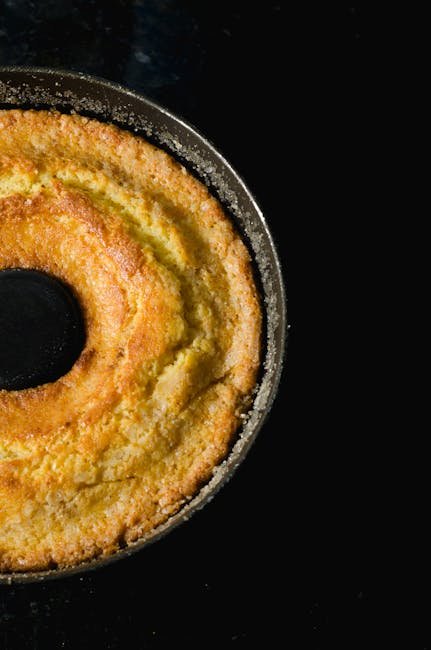
You’ve just baked a delicious bundt cake, and now comes the moment of truth: getting it out of the pan in one perfect piece. The anticipation can be nerve-wracking, can’t it?
You’ve followed the recipe to the letter, and the aroma filling your kitchen is nothing short of heavenly. But the last thing you want is for your masterpiece to stick to the pan, leaving half your cake behind. Don’t worry, you’re not alone in this struggle.
Many home bakers face this challenge. That’s why we’re here to reveal the best way to get cake out of a bundt pan, ensuring your creation looks as incredible as it tastes. Stick with us, and we’ll guide you through the foolproof steps that will make you the master of bundt cakes, impressing everyone with your flawless presentation. Ready to uncover the secrets? Let’s dive in!
Choosing The Right Bundt Pan
Picking the right bundt pan can change your baking results. It’s about getting the cake out easily and keeping its shape. The bundt pan you choose can make or break your cake. Focus on material, coating, size, and shape.
Material And Coating
Bundt pans come in different materials like aluminum, silicone, and cast iron. Aluminum is popular due to even heat distribution. It helps the cake bake evenly. Silicone pans offer flexibility and are non-stick. They are easy to clean, but may not brown the cake well. Cast iron is durable and holds heat but is heavy and pricey.
Coating matters for easy cake release. Non-stick coatings are common and prevent sticking. Consider pans with non-toxic coatings for healthier baking. Be sure to follow care instructions to keep the coating intact.
Size And Shape Considerations
Bundt pans vary in size. Standard pans are usually 10 inches in diameter. They hold 10 to 12 cups of batter. If you choose a smaller pan, adjust the recipe to avoid overflow. Larger pans require more batter but may lead to uneven baking.
Shape affects the cake’s appearance. Classic shapes have simple designs, while newer pans offer intricate patterns. Some shapes may cause sticking issues. Consider the complexity of the design for easier cake removal.

Credit: thedoughtydoughnut.com
Preparing The Bundt Pan
Greasing the Bundt pan ensures the cake slides out smoothly. Use butter or shortening, then dust with flour. Make sure to cover all crevices for the best results.
Preparing a Bundt pan properly is the secret to achieving a beautiful, intact cake that pops out effortlessly. We’ve all experienced that moment of anticipation when flipping the pan over, hoping for a flawless release. But the reality sometimes doesn’t match the expectation—pieces stick, edges crumble, and the cake is left looking less than perfect. Let’s change that narrative by mastering the art of preparing your Bundt pan with these simple yet effective techniques.Greasing Techniques
The first step in ensuring your cake slides out smoothly is greasing the pan well. Some swear by using butter, while others prefer oil or shortening. Butter not only helps in greasing but adds a rich flavor to the crust. You could use a pastry brush or your fingers to coat every nook and cranny. Alternatively, vegetable oil spray can be convenient, ensuring an even coverage. Choose what suits your style, but make sure to get into all the detailed areas of the Bundt pan’s design.Flouring The Pan
Once greased, flouring the pan is the next crucial step. It acts as a barrier between the cake batter and the pan. You might have noticed how some bakers skip this step. However, without flour, the risk of sticking increases. To flour, sprinkle a spoonful of flour into the greased pan. Tilt the pan and tap gently, rotating it to cover all surfaces. This forms a light coating that helps in easy release. Ever wondered why some people use cocoa powder instead of flour for chocolate cakes? It prevents white patches on dark cakes, preserving their rich color. Have you tried these techniques before? If not, give them a shot next time and witness the difference. Your Bundt cake will thank you!Batter Consistency
Achieving the perfect batter consistency ensures a smooth release from a Bundt pan. Properly greased and floured pans prevent sticking. Allow the cake to cool before inverting for best results.
Creating the perfect bundt cake is an art, and it all starts with the right batter consistency. Without it, you risk ending up with a cake that sticks to the pan or crumbles when you try to remove it. Achieving the ideal texture is crucial for a smooth release and a perfect slice. Let’s dive into why thickness matters and how to avoid common pitfalls during mixing.Importance Of Thickness
The thickness of your batter plays a pivotal role in how well the cake sets and releases from the bundt pan. A batter that’s too thick can lead to a dense cake that may not bake evenly. On the other hand, a batter that’s too thin might not hold its shape, resulting in a cake that sticks to the pan. Aim for a consistency similar to pancake batter. It should be thick enough to coat the back of a spoon but still pourable. This balance ensures the cake bakes uniformly and releases smoothly.Avoiding Overmixing
Overmixing is a common mistake that can affect your cake’s texture and consistency. When you mix the batter excessively, you risk developing too much gluten, leading to a tough cake that sticks. Mix your ingredients until just combined. Small lumps are okay and can actually result in a softer cake. Remember, less is more when it comes to mixing. Consider the last bundt cake you baked. Did it come out perfectly, or did it stick to the pan? Reflecting on past experiences can help you refine your technique. Achieving the right batter consistency doesn’t have to be daunting. By focusing on thickness and careful mixing, you can ensure your bundt cake releases beautifully every time.Baking The Cake
Baking a bundt cake requires precision and care. A bundt pan’s intricate design can create challenges. Knowing the right steps makes all the difference. Let’s explore how to bake a perfect bundt cake.
Optimal Baking Time
Setting the right baking time is crucial. Start by preheating your oven to the correct temperature. Most bundt cakes bake well at 350°F. Check your recipe for specific instructions. Place the bundt pan in the center of the oven. This ensures even heat distribution. Avoid opening the oven door frequently. It can cause the cake to sink.
Testing For Doneness
Testing for doneness is an important step. Insert a toothpick or skewer into the cake. It should come out clean or with a few crumbs. Check the cake’s edges. They should pull slightly away from the pan. Press the top of the cake gently. It should spring back lightly. If not, bake for a few more minutes.
Getting the baking time and doneness right ensures a moist cake. This sets the stage for an easy release from the bundt pan.
Cooling The Cake
Cooling the cake is crucial for easy removal from the Bundt pan. A well-cooled cake is less likely to stick or break apart. Understanding the cooling process can make all the difference.
Cooling Timeframe
Let the Bundt cake cool for 10-15 minutes. This allows the cake to settle and firm up slightly. Avoid rushing this step. Patience is key. Quick removal can lead to cracks or crumbles.
Using A Cooling Rack
Place the pan on a cooling rack. The rack allows air circulation around the cake. This helps it cool evenly. Elevated cooling prevents moisture buildup. Moisture can cause sticking.
Credit: www.youtube.com
Releasing The Cake
Baking a cake in a Bundt pan can be tricky. Getting it out perfectly can be even trickier. The shape and design of Bundt pans can make cake release difficult. But with a few steps, you can ensure a perfect release every time. Start by preparing your pan well before baking. Then follow these steps to release your cake without trouble.
Loosening The Edges
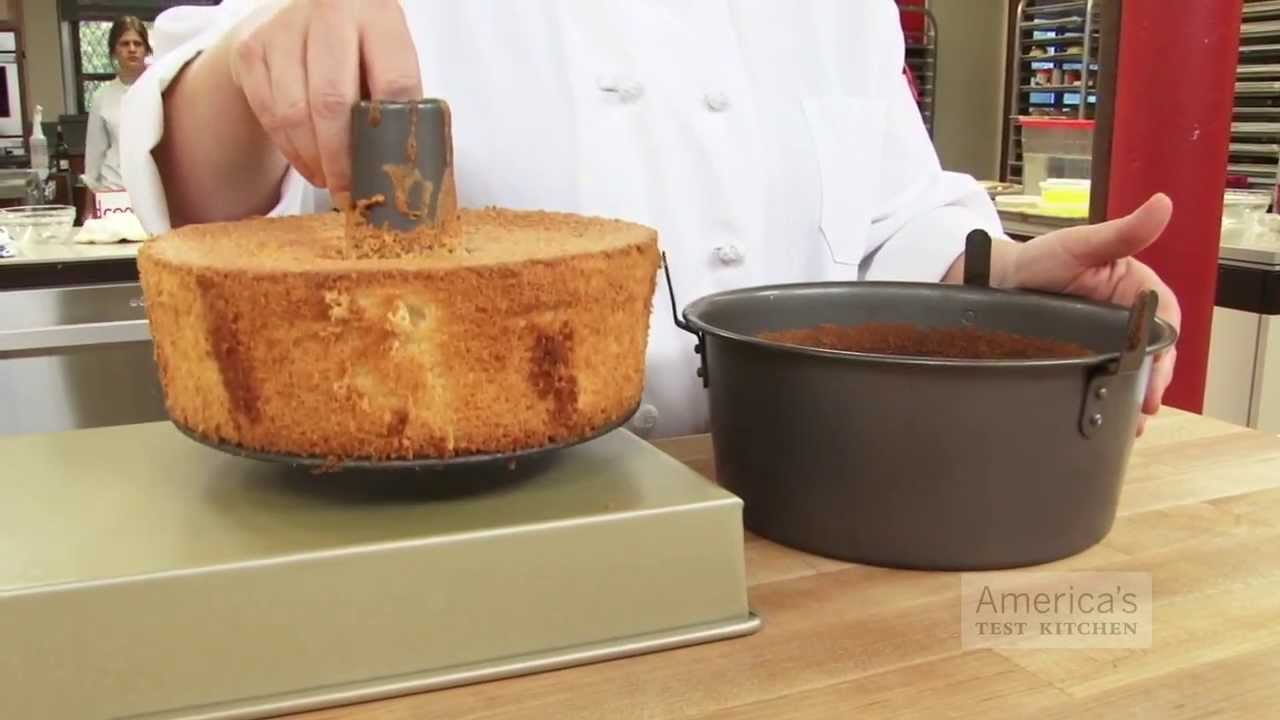
First, ensure your cake is fully cooled. A warm cake might crumble or break. Use a thin spatula or plastic knife to loosen the edges. Gently slide it around the sides of the pan. Be careful not to scratch the surface. Work slowly and feel for any spots that stick. This helps to create a gap between the cake and the pan. It reduces the risk of the cake tearing.
Inverting The Bundt Pan
Place a wire rack on top of the Bundt pan. Hold them together firmly. Flip them over swiftly. Let gravity do the work. Gently shake the pan if the cake doesn’t release immediately. Do not force the cake out. You might damage it. Instead, tap lightly on the top and sides of the pan. Listen for the cake to release. Once out, let the cake cool completely on the wire rack.
Troubleshooting Stuck Cakes
Stuck cakes can be frustrating, especially in intricate bundt pans. Grease the pan thoroughly and let the cake cool. Tap the pan gently on the counter and carefully invert it to release the cake without damage.
Having a cake stubbornly cling to a Bundt pan can be a frustrating experience. You’ve followed the recipe to a tee, but the cake seems to have a mind of its own. Before you consider it a lost cause, there are a few tricks you can try to salvage your masterpiece. Understanding how to troubleshoot a stuck cake is essential to ensuring your Bundt cake makes it to the plate in one piece. Let’s explore some practical solutions for those sticky situations.Using A Warm Towel
Place a warm towel over the Bundt pan. The heat can help loosen the cake from the sides. Make sure the towel is damp, but not dripping wet. You want it to be warm enough to gently warm the pan without soaking it. Leave the towel on the pan for about 15 minutes. Then, try gently shaking the pan to see if the cake releases. If you’ve ever had a situation where the cake just wouldn’t budge, this method might surprise you. The warmth allows the cake’s edges to soften, making it easier to release. Have you tried warming up a cake like this before?Trying The Freezing Method
Put the stuck cake, pan and all, in the freezer for an hour or two. This might sound counterintuitive, but it works wonders. Freezing causes the cake to contract slightly, which can help it pull away from the sides. Be sure not to leave it in too long, or it might dry out. After freezing, try tapping the pan on the counter. This gentle encouragement can often do the trick. A friend once told me about this freezing trick when my cake refused to budge. I was skeptical, but when I gave it a try, the cake popped right out. Have you ever tried freezing a cake to rescue it from its pan? It’s a simple trick that can save you from a baking disaster. By using these methods, you’re not just rescuing a cake; you’re saving your time, effort, and perhaps even a bit of sanity. Have you found other methods that work for you?Cleaning The Bundt Pan
Easily release your cake by greasing the Bundt pan thoroughly before baking. After cooling, gently loosen the edges with a soft spatula. Carefully invert the pan, tapping lightly to free the cake.
Cleaning the Bundt Pan is crucial for perfect cakes every time. A clean pan ensures your cake releases smoothly. It also keeps your Bundt pan in great condition for years. Proper cleaning methods can prevent unnecessary wear and tear. This guide will help you clean your Bundt pan effectively.Avoiding Abrasive Cleaners
Harsh cleaners can damage your Bundt pan. Use gentle dish soap instead. Soft sponges work best for scrubbing. Avoid steel wool or rough pads. These can scratch the pan’s surface. Scratches make cake release difficult. A scratched pan can also rust over time.Proper Drying Techniques
Drying your Bundt pan thoroughly is essential. Water spots can lead to stains. Use a soft towel to dry the pan. Make sure all moisture is gone. Air drying can leave spots, so towel drying is better. Store the pan in a dry place. Proper storage keeps the pan in good shape.:max_bytes(150000):strip_icc()/apple-cream-cheese-bundt_0-4960690c989c405d8350297e4cd779c8.jpg)
Credit: www.southernliving.com
Frequently Asked Questions
How Long Should You Let A Bundt Cake Cool Before Removing From The Pan?
Let the bundt cake cool for 10-15 minutes before removing it from the pan. This prevents sticking and breaking. Use a knife to gently loosen the edges. Invert the pan onto a plate and lift it off slowly to ensure the cake releases smoothly.
Enjoy your perfectly shaped bundt cake!
How Do You Get A Cake Out Of A Bundt Pan Without Breaking It?
Let the cake cool for 10 minutes. Gently loosen edges with a knife. Invert the pan onto a plate. Tap the pan’s top to release the cake. Lift the pan slowly.
What Is The Best Thing To Use To Grease A Bundt Pan?
Use melted butter or vegetable shortening to grease a bundt pan. Ensure thorough coverage for easy cake release. Avoid using flour or sugar as they can create a sticky residue. A silicone brush or paper towel can help evenly distribute the grease.
Proper greasing prevents sticking and ensures a perfect cake.
How To Remove Cake From Bundt Pan Without Sticking Youtube?
Grease the bundt pan thoroughly with butter or oil. Dust with flour or cocoa powder. Cool cake completely before removing. Gently shake the pan to loosen the cake. Use a thin spatula around edges if necessary. Watch YouTube videos for visual guidance and expert tips.
Conclusion
Getting a cake out of a Bundt pan can be tricky. Follow these tips to make it easier. Grease the pan well before baking. Let the cake cool a bit after baking. Use a spatula to loosen the edges gently.
Flip it over onto a plate. If it sticks, tap the pan lightly. Patience is key here. With practice, you’ll get perfect results. Enjoy your delicious Bundt cake every time. Your efforts will surely pay off, delighting family and friends alike.
