
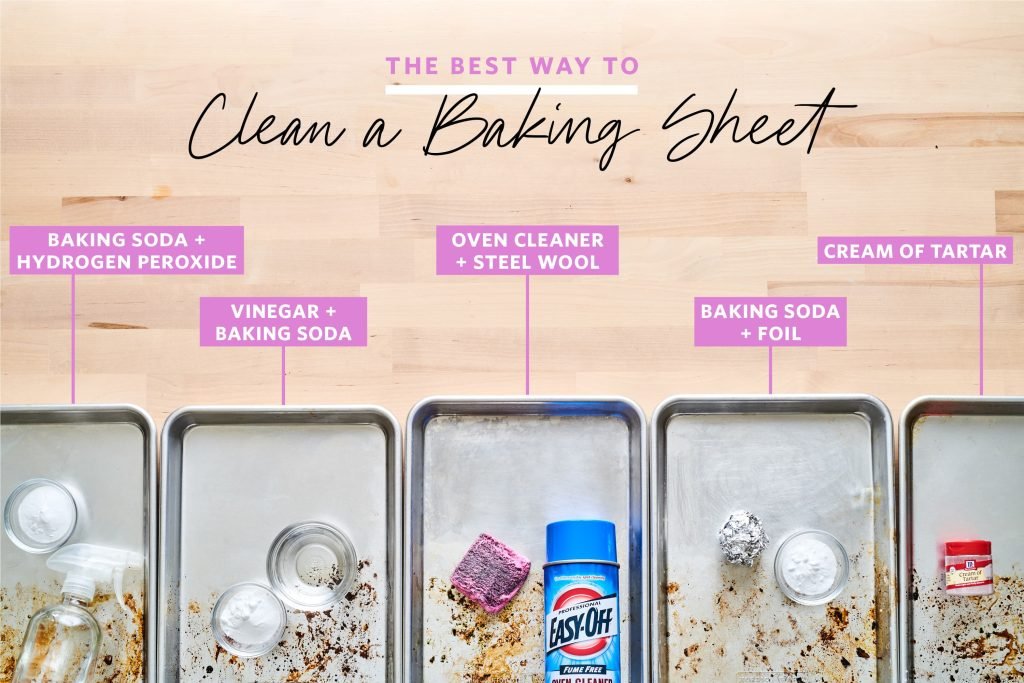
Do you dread cleaning cookie sheets after baking delicious treats? You’re not alone.
Those stubborn stains and baked-on residue can be frustrating. But imagine if cleaning your cookie sheets could be quick and effortless. Picture them sparkling like new, ready for your next baking adventure. You’ll discover the best way to get cookie sheets clean, transforming a tedious chore into a simple task.
We’ll share secrets that make cleaning easy, so you can spend more time enjoying the sweet results of your baking. Ready to uncover these effective tips? Let’s dive in and make your cookie sheets shine!
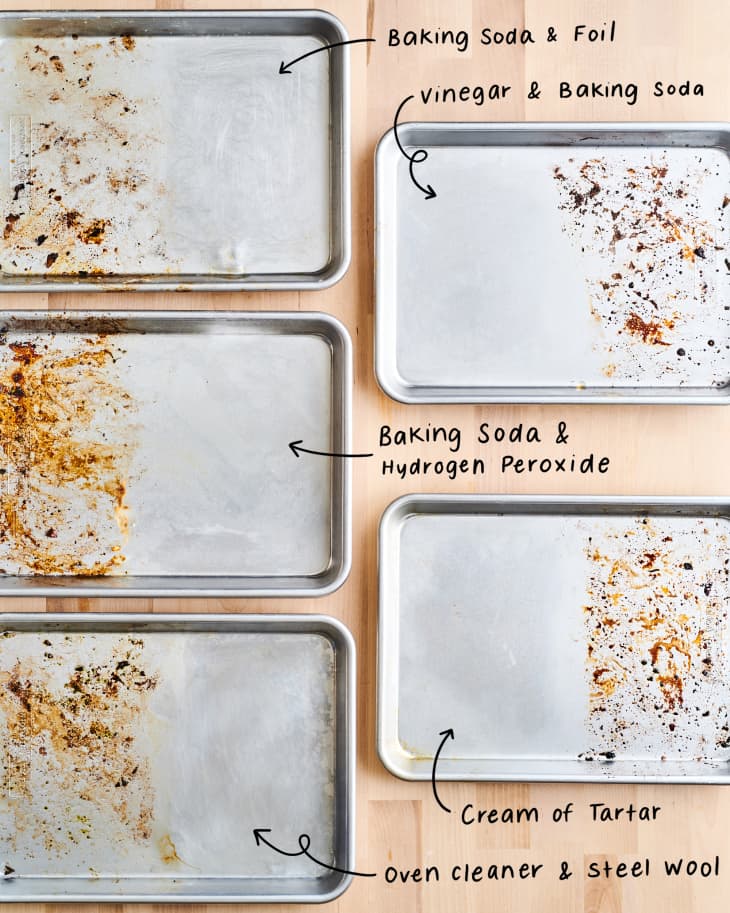
Credit: www.thekitchn.com
Common Cleaning Challenges
Dirty cookie sheets can be tough to clean. Baking soda and vinegar work wonders. Scrub gently with a sponge or brush. Rinse thoroughly. Dry well to prevent rust. Regular cleaning keeps them looking new.
Cleaning cookie sheets can be a real struggle. They are essential tools in your kitchen, yet they often end up looking less than appetizing after a few baking sessions. Stains, burnt bits, and sticky residue can make the task seem daunting. But don’t worry, you’re not alone in facing these challenges. Let’s dive into the common cleaning hurdles you might encounter with cookie sheets and discover effective solutions.Sticky Residue
Have you ever baked something delightful only to find sticky residue clinging to your cookie sheet? It’s frustrating, right? This is a common issue caused by sugar and fat melting during baking. To tackle this, soak your sheet in warm, soapy water for a few minutes. Then, use a soft sponge to gently scrub off the sticky parts. Avoid using steel wool or harsh abrasives—they might scratch your sheet and make cleaning even harder next time.Burnt Stains
Burnt stains are a tough nut to crack. They often result from overheating or using too much oil. You might think these stains are permanent, but there’s hope! Try creating a paste using baking soda and water. Spread it on the stains and let it sit for about 30 minutes. Afterward, scrub with a non-abrasive pad. The baking soda’s natural cleaning properties will help lift those stubborn marks.Rust Spots
Rust spots can appear if your cookie sheet is left wet for too long. These are not just unsightly; they can ruin your baking adventures. To prevent rust, always dry your sheets thoroughly after washing. If rust does appear, a mixture of vinegar and baking soda can work wonders. Apply it to the rusted area, let it sit, and then scrub gently. This approach is gentle and won’t harm your sheet’s surface.Uneven Discoloration
Why does your cookie sheet look like a patchwork quilt after a few uses? Uneven discoloration is often due to the heat distribution or residue build-up. You might feel the urge to toss it out, but hold on! Regular cleaning and maintenance can restore its appearance. Use a little cream of tartar mixed with water to scrub the discolored areas. This solution helps in maintaining a uniform look and your sheet will thank you for it.Residue Buildup
Over time, layers of residue can build up, even with regular cleaning. This can affect your baking results. To break down these layers, try using a mixture of vinegar and baking soda. It creates a fizzing reaction that helps lift the residue. Rub the mixture over the sheet and rinse thoroughly. Consider this as a periodic deep clean to maintain optimal performance. Are you facing any of these challenges with your cookie sheets? Don’t despair. With the right approach, you can keep your baking tools in top shape. What’s your tried-and-true method for cleaning them? Share your thoughts below!Baking Soda And Vinegar Method
For sparkling cookie sheets, try the baking soda and vinegar method. Sprinkle baking soda, then spray vinegar. Let it fizz. Wipe clean with a sponge. This eco-friendly solution removes stains and grime easily. Perfect for keeping your bakeware looking new.
Cleaning cookie sheets can sometimes feel like an impossible task, especially when stubborn stains and burnt-on grease refuse to budge. But fear not! The baking soda and vinegar method is a tried-and-true solution that many swear by. This simple yet effective approach uses ingredients you likely already have at home.The Magic Of Baking Soda
Baking soda is a powerful cleaning agent. It works wonders by breaking down grease and grime with ease. A personal tip: when my cookie sheets looked beyond saving, baking soda was my hero. Sprinkle a generous amount of baking soda over your cookie sheet. It should cover the entire surface. Remember, the more stubborn the stain, the more baking soda you might need.Introducing Vinegar To The Mix
Vinegar, a natural cleaning powerhouse, complements baking soda perfectly. When combined, they create a fizzing reaction that lifts dirt away. Pour a small amount of vinegar over the baking soda-covered sheet. Watch the bubbles do their magic! This reaction helps loosen the toughest of stains.Scrub And Rinse
Once the fizzing stops, it’s time to scrub. Use a scrub brush or a sponge with some elbow grease. Focus on the areas with the most grime. Feel the satisfaction as the stains begin to disappear. After scrubbing, rinse the sheet thoroughly with warm water. Ensure all residue is washed away.Dry And Inspect
After rinsing, dry your cookie sheet with a clean towel. Inspect it for any remaining stains. If necessary, repeat the process for extra stubborn spots. Sometimes, a second round is all it takes for perfection.Consider Your Frequency
How often do you clean your cookie sheets? Regular maintenance can prevent build-up. Try using this method every few weeks for best results. It keeps your baking tools in tip-top shape.Share Your Success
Have you tried the baking soda and vinegar method? Share your experience! Your story might inspire others to tackle their kitchen messes. What were your results? Let us know in the comments below.Hydrogen Peroxide Solution
Hydrogen peroxide solution works wonders on dirty cookie sheets. Mix it with baking soda for a powerful cleaning paste. Scrub gently to reveal a shiny, like-new surface.
Hydrogen peroxide is a powerful cleaner. It’s a safe and effective choice for cleaning cookie sheets. This common household item can help remove stubborn stains and baked-on grease. With a few simple steps, cookie sheets can look new again.Mixing The Solution
Create a paste with hydrogen peroxide and baking soda. Use equal parts of each. Stir until smooth. This paste works wonders on stains.Applying The Paste
Spread the paste over the cookie sheet. Cover all stained areas. Let it sit for 30 minutes. This allows it to break down grime.Scrubbing The Surface
Use a scrub brush or sponge. Gently scrub the cookie sheet. Focus on stubborn spots. Rinse with warm water.Final Rinse And Dry
Rinse the cookie sheet thoroughly. Ensure all paste is removed. Dry with a clean towel. Store properly to prevent rust. Hydrogen peroxide is a simple solution. Perfect for keeping cookie sheets clean.Lemon And Salt Scrub
Cleaning cookie sheets can sometimes feel like a never-ending task, especially when they have stubborn stains or burnt-on grease. But there’s a natural, effective solution that might surprise you: a lemon and salt scrub. This simple yet powerful method can rejuvenate your cookie sheets, leaving them looking almost brand new. Let’s dive into the details and see how you can achieve sparkling results with just two common kitchen ingredients.
Why Lemon And Salt?
Lemons are a powerhouse in natural cleaning. Their acidity breaks down grease and lifts stains easily. Salt adds an abrasive quality, helping to scrub away residue without scratching. Together, they form a formidable cleaning duo.
Have you ever noticed how a squeeze of lemon can cut through grease on your hands after cooking? The same principle applies to your cookie sheets. It’s nature’s way of providing an effective cleaning agent without harsh chemicals.
Materials You’ll Need
- Half a lemon
- Coarse salt (like sea salt)
- A sponge or cloth
- Warm water
These are items you likely already have in your kitchen. There’s no need for expensive cleaners or fancy gadgets. Just the basics that pack a punch.
Step-by-step Cleaning Process
- Sprinkle a generous amount of coarse salt over the surface of your cookie sheet.
- Take the half lemon and squeeze some juice over the salt, then use it as a scrubber.
- Scrub the surface in small circles, applying more pressure on tough spots.
- Rinse the sheet with warm water and dry it with a clean cloth.
This method works because the lemon juice penetrates the grime, while the salt scours it away. You might even find this process oddly satisfying as you see the stains lift off.
Benefits Of Using Natural Cleaners
Using lemon and salt is not only effective but also eco-friendly. You avoid exposing yourself and the environment to harsh chemicals. Plus, there’s no lingering chemical smell—just a fresh, citrusy scent.
Natural cleaners are often more cost-effective. Instead of buying multiple specialized cleaning products, you can rely on ingredients that serve multiple purposes around the house.
Have You Tried It Yet?
Why not give the lemon and salt scrub a try the next time your cookie sheets need a clean? You might be surprised by the results. And who knows, it might just become your go-to cleaning method.
What are your thoughts? Do you have other natural cleaning hacks that work for you? Share your experiences in the comments below! Your insights might just help someone else tackle their cleaning challenges.
Dish Soap And Baking Soda Paste
Cleaning cookie sheets can be a challenging task. Over time, they collect grease and residue that seem impossible to remove. The solution lies in a simple mixture of dish soap and baking soda paste. This method is effective and uses everyday items found in the kitchen.
How To Make The Paste
Creating the cleaning paste is simple. Combine equal parts of dish soap and baking soda in a bowl. Mix them until they form a thick paste. This blend is powerful enough to tackle tough stains.
Applying The Paste
Once the paste is ready, spread it generously over the cookie sheet. Use a sponge or brush for even distribution. Allow the paste to sit for 20 minutes. This resting period helps break down stubborn grease.
Scrubbing The Cookie Sheet
After 20 minutes, scrub the sheet with a non-abrasive sponge. Focus on areas with burnt-on food. The baking soda helps lift residue without scratching the surface.
Rinsing And Drying
Rinse the cookie sheet under warm water. Ensure all paste residue is removed. Dry the sheet thoroughly with a clean towel. This prevents water spots and keeps the sheet looking new.
Additional Tips
For extra tough stains, add a bit more baking soda. Let the paste sit longer if needed. Regular cleaning helps maintain cookie sheets in good condition.

Credit: www.youtube.com
Commercial Cleaning Products
Commercial cleaning products offer an effective way to clean cookie sheets. They tackle stubborn stains and burnt-on residue with ease. Many people prefer these products for their powerful formulas. They save time and reduce the effort needed for scrubbing. Not all commercial cleaners are the same, though. Some are designed for specific types of baking sheets. It’s important to choose the right product for your needs. Read on to learn about some popular options.
Oven Cleaner
Oven cleaners are strong and effective. They can remove tough grease and grime from cookie sheets. Spray the cleaner on the sheet and let it sit. This loosens the dirt and makes it easy to wipe away. Remember to use gloves to protect your hands. Always follow the instructions on the label for best results.
Degreaser Sprays
Degreaser sprays are another popular choice. They work well on greasy cookie sheets. Simply spray the degreaser on the sheet and let it sit for a few minutes. Wipe it clean with a damp cloth. These sprays break down grease quickly. They leave your cookie sheets sparkling clean. Look for non-toxic options for safe use.
Baking Soda Paste
Some commercial cleaners include baking soda as an ingredient. It is gentle but effective. Mix baking soda with water to form a paste. Spread it over the cookie sheet. Let it sit for a few hours. Scrub with a brush and rinse with water. It removes stains without scratching the surface.
Preventive Measures
To keep cookie sheets clean, start by soaking them in hot, soapy water. Scrub gently with a non-abrasive sponge to remove residue. Regular maintenance prevents stubborn stains, ensuring your baking tools stay in top condition.
Keeping your cookie sheets clean doesn’t have to be a daunting task. Preventive measures can save you time and effort, ensuring your baking essentials remain in top shape. By taking a few simple steps before and after using your cookie sheets, you can extend their lifespan and maintain their cleanliness effortlessly.1. Use Parchment Paper Or Silicone Baking Mats
Lining your cookie sheets with parchment paper or silicone baking mats is one of the easiest ways to prevent stubborn residues. These handy tools create a non-stick surface, reducing the chances of food sticking. Not only do they save you cleaning time, but they also protect the surface of the cookie sheet from scratches.2. Apply A Light Coat Of Oil
Before placing your cookies, consider applying a light coat of oil to the sheet. This simple step adds an extra layer of protection against sticking. Use a paper towel to evenly spread a small amount of oil, ensuring it doesn’t pool in any area.3. Avoid Overloading The Sheet
How often have you crammed too many cookies onto one sheet? This can lead to uneven baking and more mess. Give your cookies space to breathe and expand. By doing so, you’ll prevent batter from spilling over and burning onto the sheet.4. Cool Before Cleaning
Once your baking is done, let the cookie sheets cool down before any cleaning attempt. This prevents warping and makes stuck-on bits easier to remove. Have you ever tried to wash a hot cookie sheet only to find it bent out of shape? Cooling first can help avoid this.5. Regular Maintenance
Make regular maintenance part of your routine. Wipe down your cookie sheets after each use, even if they seem clean. This prevents buildup over time, making deep cleaning less frequent and more manageable.By incorporating these preventive measures, you’ll spend less time scrubbing away at stubborn stains. Imagine the extra minutes you’ll gain to enjoy those freshly baked cookies instead! Which preventive measure will you try first?
Proper Storage Techniques
Discover effective storage techniques for cookie sheets to keep them clean and organized. Use racks to prevent scratches and ensure easy access. Store upright to save space and maintain cleanliness.
Storing your cookie sheets properly can extend their lifespan and save you from the hassle of constant cleaning. Imagine reaching for your cookie sheet and finding it spotless and ready for use. Proper storage can make this a reality, ensuring your cookie sheets remain in prime condition.Choose The Right Location
Selecting the ideal spot for your cookie sheets is crucial. Find a dry, cool area away from moisture. Moist environments can lead to rust and stubborn stains. Consider a dedicated shelf in a pantry or kitchen cabinet where they won’t be exposed to drips or spills.Utilize Vertical Storage
Ever struggled with stacking pots and pans? Vertical storage is a game-changer. By storing your cookie sheets on their side, you save space and avoid scratching. Use a simple divider or a rack to keep them organized. This not only helps maintain their condition but also makes access more convenient.Protect With Liners
How often do you notice scratches on your cookie sheets? To prevent this, place a protective liner between each sheet. You can use a simple paper towel or a thin cloth. This small step can guard against abrasions and keep your sheets looking new.Avoid Overcrowding
Overcrowding your storage area can damage your cookie sheets. When you cram too many items together, you risk bending or scratching them. Ensure each sheet has enough space to breathe. It’s better to have a few well-kept sheets than a stack of damaged ones.Regularly Rotate Your Collection
Do you have a favorite cookie sheet you always reach for? It might be time to rotate your collection. Using the same sheet repeatedly can lead to uneven wear and tear. Rotate them to ensure each sheet gets used evenly, prolonging their usability. Proper storage techniques can transform the way you maintain your cookie sheets. You’ll find them cleaner and ready for action, saving you time and effort in the kitchen. What changes will you make to your storage routine today?
Credit: www.youtube.com
Frequently Asked Questions
How Do You Clean Burnt Cookie Sheets?
To clean burnt cookie sheets, sprinkle baking soda and vinegar on the surface. Let it sit for 30 minutes. Then, scrub with a non-abrasive sponge or brush. Rinse thoroughly with warm water. This method helps to remove stubborn stains without scratching the surface.
What Removes Baked-on Grease From Cookie Sheets?
Baking soda and hydrogen peroxide effectively remove baked-on grease. Spread a paste of these on the sheet and let it sit for an hour. Scrub gently with a sponge or brush. Rinse thoroughly with water. This mixture dissolves grease, making it easier to clean.
Can You Use Oven Cleaner On Cookie Sheets?
While oven cleaner can be effective, it’s not recommended for all cookie sheets. It may damage non-stick surfaces. Always check the manufacturer’s guidelines before using harsh chemicals. If safe, apply it in a well-ventilated area, following the instructions carefully. Rinse thoroughly after cleaning.
How Often Should You Clean Cookie Sheets?
Clean cookie sheets after every use to prevent build-up of grease and food residue. Regular cleaning helps maintain their condition and ensures even baking. For deep cleaning, perform a more thorough process every few months, depending on usage frequency.
Conclusion
Keeping cookie sheets clean can feel like a tough job. Yet, with simple methods, they shine like new. Baking soda and vinegar work wonders. Scrub gently for the best results. Always rinse well to remove residue. Try using a soft brush for stubborn spots.
Regular cleaning keeps them in great shape. Remember, clean cookie sheets make baking more enjoyable. Less hassle, more delicious cookies. Enjoy a cleaner kitchen and tastier treats with these easy tips. Happy baking!
