
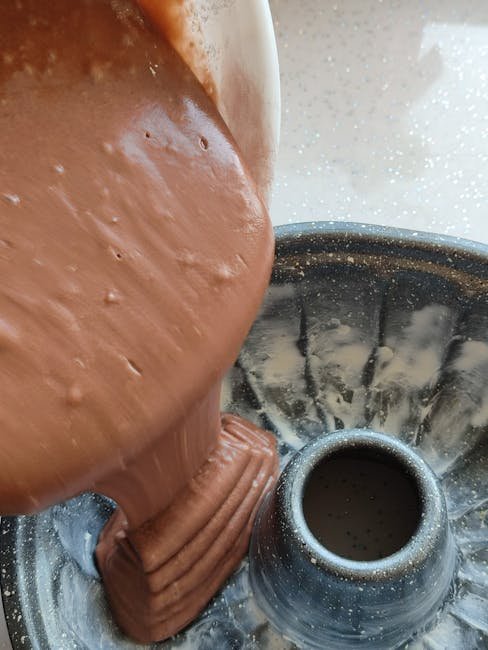
Imagine this: You’ve followed a cake recipe to the letter, mixed the perfect batter, and set your oven to the right temperature. But as you eagerly try to remove your cake from the pan, disaster strikes—the cake sticks, ruining your masterpiece.
Sound familiar? You’re not alone. Greasing a cake pan may seem like a simple step, but it’s crucial for ensuring your cake slides out smoothly and looks as good as it tastes. You’ll discover the best way to grease a cake pan, ensuring your baked creations are always picture-perfect.
Whether you’re a seasoned baker or just starting out, mastering this technique will transform your baking experience. Ready to unlock the secret to a flawless cake every time? Let’s dive in!
Choosing The Right Grease
Ensuring a cake pan is properly greased prevents sticking and promotes even baking. Choose butter for a rich flavor or opt for oil for a neutral taste. Dust with flour after greasing for extra non-stick protection.
Choosing the right grease for your cake pan can make or break your baking adventure. The ideal grease not only ensures your cake slides out effortlessly but also affects the texture and flavor. Have you ever been frustrated when your cake sticks to the pan, leaving behind a crumbled mess? It’s time to rethink your greasing method to avoid these mishaps. Let’s dive into the options available, weighing the pros and cons of each.Butter Vs. Oil
Butter is often a favorite due to its rich flavor. It adds a subtle taste to your cake, enhancing its overall profile. However, it can sometimes lead to uneven greasing if not applied carefully. Oil, on the other hand, provides a more uniform layer. It’s easy to spread and less likely to clump. But you might miss out on the buttery flavor. When deciding between butter and oil, consider the cake’s flavor and texture you aim to achieve.Non-stick Sprays
Non-stick sprays offer convenience, giving you an even coat in seconds. They’re perfect for quick baking sessions when time is tight. However, they can leave a residue on your pan over time. If you’re using a pan with intricate designs, sprays can be a lifesaver. Yet, if you’re particular about a completely clean finish, weigh your options carefully. Which grease do you think suits your baking style the best? Are you ready to experiment for that flawless cake release?Preparing The Pan Surface
Preparing the pan surface is crucial for baking success. A smooth, non-stick surface prevents cakes from sticking and ensures easy removal. Properly greased pans help maintain cake shape and texture. This step is essential for perfect baking results.
Cleaning The Pan
Start by cleaning the pan thoroughly. Remove any residue or previous baking remains. Use warm water and mild soap for washing. Scrub gently to avoid scratches. Rinse well to eliminate soap traces. A clean pan ensures better grease adherence.
Drying Techniques
Dry the pan completely before greasing. Use a clean towel or paper towels. Pat the pan dry carefully. Ensure no moisture remains. Moisture can affect grease effectiveness. For extra assurance, air-dry the pan for a few minutes. A dry surface enhances grease efficiency.
Applying The Grease
Applying grease to a cake pan is crucial for baking success. Properly greased pans prevent cakes from sticking. This ensures a perfect release. Different methods exist for greasing pans. Two popular techniques use brushes and paper towels. Each method has its benefits. Choose the one that suits you best.
Using A Brush
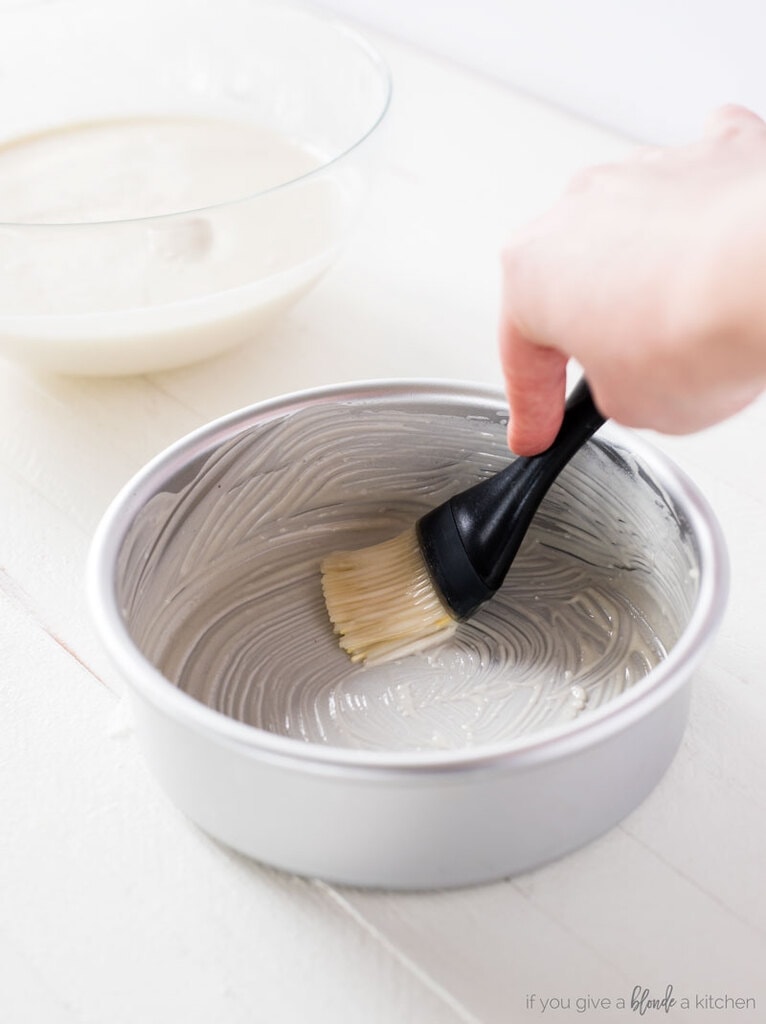
A brush is effective for applying grease evenly. Use a pastry brush for best results. Dip the brush into melted butter or oil. Then, coat the entire pan surface. Pay special attention to the corners. Brushes can reach tricky spots easily. Ensure a thin, even layer covers the pan. This prevents uneven baking and sticking.
Using A Paper Towel
Paper towels are another simple tool for greasing pans. Start by adding some butter or oil to the towel. Fold the towel to keep hands clean. Use the towel to spread grease across the pan. Cover the bottom and sides thoroughly. This method is quick and efficient. It allows for a controlled application of grease.
Adding A Layer Of Flour
Greasing a cake pan is crucial for perfect baking results. Adding a layer of flour enhances this process, ensuring cakes release smoothly. Flour works with the grease to create a barrier between the cake and pan. This barrier helps prevent sticking and creates an even surface. Let’s explore why flour matters and how to apply it effectively.
Why Flour Matters
Flour adds an extra layer of protection to the greased pan. It fills in small gaps left by the grease. This creates a more complete non-stick surface. Flour also helps cakes rise evenly. It provides a consistent surface for the batter to cling to. This results in a more uniform texture and appearance.
How To Apply Flour
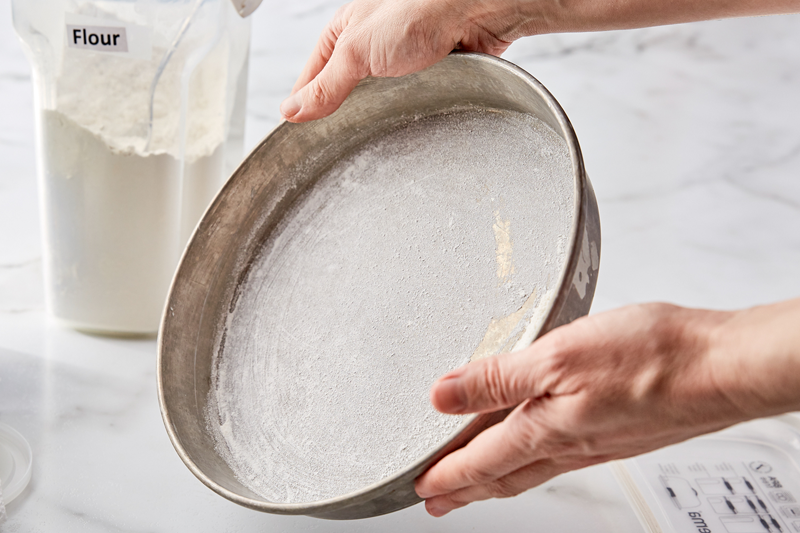
Start by greasing the pan with butter or oil. Use a brush or paper towel for even coverage. Sprinkle a small amount of flour into the pan. Tilt and rotate the pan to distribute the flour. Make sure it covers all greased areas. Tap the pan to remove excess flour. Your pan is now ready for batter.
Alternative Greasing Methods
When it comes to baking, ensuring your cake releases effortlessly from the pan can be a game-changer. Traditional greasing methods often involve butter or oil, but have you ever considered alternative greasing methods? These options can not only make your baking process smoother but also offer added convenience. Let’s dive into some innovative techniques that might just become your new go-to options.
Parchment Paper Lining
Parchment paper lining is a baker’s best friend. It provides a non-stick surface that guarantees your cake will slide out of the pan without a hitch.
Cut the parchment paper to fit the bottom of your cake pan. If you’ve ever struggled with a stuck cake, this method will feel like a revelation.
It saves you from adding extra fat to your cake, keeping it light and healthy. Plus, it’s easy to clean up afterward—no scrubbing required! Have you tried it yet?
Silicone Baking Mats
Silicone baking mats offer another hassle-free alternative. They’re reusable and eco-friendly, making them a smart choice for frequent bakers.
Place the mat directly in your pan. Its non-stick surface works wonders, especially for cakes with intricate designs or textures.
Silicone mats are heat-resistant and durable. They’re a worthy investment if you want to consistently bake perfect cakes. Do you think this could be the solution to your baking woes?
Both parchment paper and silicone mats offer practical solutions to traditional greasing methods. They promise smooth cake releases, less mess, and potentially healthier bakes. Why not give them a try next time you’re in the kitchen?
Credit: www.bettycrocker.co.uk
Common Mistakes To Avoid
Avoiding common mistakes is crucial for perfect baking. Grease pans thoroughly to prevent cakes from sticking. Use butter or oil evenly, covering corners and edges well.
Greasing a cake pan might seem simple, but even small mistakes can lead to baking disasters. You might have experienced cakes sticking to the pan, or worse, falling apart when you try to remove them. To help you achieve that perfect bake, let’s dive into some common mistakes to avoid when greasing your cake pan.Over-greasing
Too much of a good thing can be bad, and this applies to greasing a cake pan. Over-greasing not only adds unnecessary fat to your cake but can also lead to uneven baking. Excess grease can pool at the bottom and cause the edges to fry rather than bake, leaving you with a cake that’s crispy on the outside and undercooked in the middle. Have you ever peeled a cake from a pan only to find a greasy film left behind? This can affect your cake’s texture and flavor. Instead, use a paper towel or pastry brush to spread a thin, even layer of grease. This ensures your cake releases easily without altering its taste or texture.Uneven Coating
An uneven coating of grease can cause sections of your cake to stick to the pan. You might think a quick swipe with your fingers will do the job, but it often leaves spots uncovered. These uncovered spots can spell disaster during cake removal, leading to chunks sticking to the pan. Think about the frustration of spending hours on a cake only to have it fall apart at the final hurdle. To avoid this, make sure to cover every nook and cranny of the pan. Consider using a pastry brush for those hard-to-reach corners. This simple step can make all the difference in achieving a flawless cake release. Have you fallen into any of these greasing traps before? By being mindful of these common mistakes, you can enhance your baking skills and ensure every cake turns out beautifully. What’s your go-to method for greasing a cake pan? Share your tips in the comments!Tips For Different Pan Types
Greasing cake pans properly ensures a perfect bake. Use butter or oil for metal pans. Flour adds a non-stick layer. For glass pans, try shortening to prevent sticking. Silicone pans need minimal greasing, just a light coat. Always choose the right grease for the specific pan type.
Greasing a cake pan might seem like a straightforward task, but the type of pan you use can significantly impact the outcome of your cake. Each pan type has its quirks, and knowing the best way to grease them can make a difference between a cake that slides out effortlessly and one that sticks stubbornly. Whether you’re using a Bundt pan or a springform pan, understanding how to properly grease it will elevate your baking game.Bundt Pans
Bundt pans are famous for their intricate designs, which can make them tricky to grease. A light dusting of flour after greasing can help ensure the cake releases smoothly. Use a pastry brush to apply softened butter or shortening into every crevice. In my own baking adventures, skipping the flour once led to a cake disaster with half of it stuck inside the pan. To avoid this, consider using a mixture of equal parts flour, oil, and shortening. This homemade cake release mixture works wonders in getting every detail of your Bundt cake intact.Springform Pans
Springform pans are ideal for cheesecakes and other delicate desserts. Their removable sides make them unique, but they still require careful greasing. Start by lining the bottom with parchment paper to prevent any leaks or sticking. A light coating of butter or non-stick spray around the sides is usually sufficient. One tip is to wrap the outside of the pan with aluminum foil if you’re baking a water bath dessert to prevent water from seeping in. Have you ever had a soggy cheesecake? This simple step can be a lifesaver. By mastering these greasing techniques, you ensure your cakes not only taste delicious but also look picture-perfect. What tricks have you discovered in your baking journey?:max_bytes(150000):strip_icc()/GettyImages-72802100-5b34e927c9e77c00372af64c.jpg)
Credit: www.thespruceeats.com
Credit: www.ifyougiveablondeakitchen.com
Frequently Asked Questions
What Is The Best Way To Grease A Cake Pan?
The best way is to use butter or shortening with flour. First, coat the pan with butter or shortening. Then, dust it lightly with flour to ensure an even layer. This method prevents the cake from sticking and promotes even baking.
Can I Use Oil To Grease A Cake Pan?
Yes, you can use oil to grease a cake pan. Use a brush or paper towel to spread a thin layer of oil. However, it may not prevent sticking as effectively as butter or shortening with flour.
Should I Grease A Non-stick Cake Pan?
Yes, it’s still beneficial to grease a non-stick cake pan. Greasing ensures easy cake release and maintains the pan’s non-stick coating. A light layer of butter or oil is usually sufficient.
Is Parchment Paper Better Than Greasing?
Parchment paper provides a reliable non-stick surface for cakes. It often works better than greasing alone. Using it in combination with greasing offers the best results, ensuring easy removal and preventing sticking.
Conclusion
Greasing a cake pan ensures a perfect bake. It prevents sticking. Choose between butter, oil, or non-stick spray. Each offers benefits. Butter adds flavor. Oil is easy to spread. Non-stick spray is quick. Always apply evenly. Add flour for extra protection.
Use a brush or paper towel. Cover every corner. This makes cake release easy. No more broken cakes. These steps ensure a smooth baking process. Impress your friends with perfect cakes. Happy baking!
