

Imagine this: You’ve just spent a good amount of time perfecting your cake batter. The ingredients are mixed to perfection, and the oven is preheated to just the right temperature.
But as you pour your batter into the pan, a nagging question arises: have you greased your cake pan the best way possible? This seemingly small step can make or break your baking success, turning a delightful cake into a crumbly disaster if done incorrectly.
The good news? You’re about to discover the best way to grease a cake pan, ensuring that your cakes slide out seamlessly every time. Whether you’re a seasoned baker or someone just starting out, mastering this simple technique can elevate your baking to the next level. Keep reading, and you’ll never have to deal with a stuck cake again. Your perfect cake awaits!
Importance Of Proper Greasing
Proper greasing of a cake pan prevents sticking and ensures easy release. Use butter or oil for best results. Coat the pan evenly, covering all corners and edges.
Proper greasing of a cake pan is a crucial step that can make or break your baking experience. It might seem like a small detail, but it plays a pivotal role in ensuring your cake comes out perfectly every time. Avoiding the dreaded sticking disaster is only one of the reasons proper greasing is so important.Understanding The Basics Of Greasing
Greasing a cake pan is more than just a habit; it’s a necessity for any successful bake. Without it, your cake can stick to the pan, ruining its shape and texture. You want your cake to slide out effortlessly, showcasing the care you put into it.Avoiding Sticking Disasters
Imagine spending hours crafting the perfect batter, only to have your cake stick to the pan. It’s disheartening, isn’t it? Proper greasing forms a barrier between the cake and the pan, ensuring a clean release.Enhancing Texture And Flavor
Greasing affects not just the release but also the texture of your cake. A well-greased pan helps the cake bake evenly, maintaining its moisture and flavor. You ensure every bite is as delightful as the first. Not all greases are created equal. Butter, oil, and cooking sprays each have their pros and cons. Consider using butter for added flavor or a neutral oil for its ease of use. What’s your go-to choice for greasing?Practical Steps For Proper Greasing
So, how exactly should you grease your pan? Start by ensuring the pan is clean and dry. Use a brush or paper towel to evenly spread your chosen grease. Don’t forget the corners and sides for comprehensive coverage. Are you applying too much grease? It can lead to a soggy bottom. Too little? The cake might stick. Striking a balance is key. Make sure to dust with flour after greasing for added assurance. Incorporating these simple yet effective strategies can dramatically improve your baking results. By paying attention to the importance of proper greasing, you set the stage for a successful bake every time. What tips do you have for greasing a cake pan? Share your thoughts below!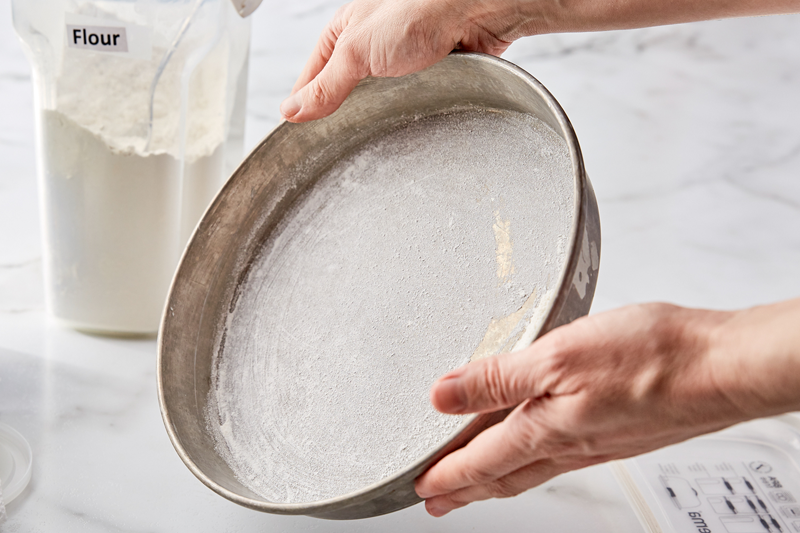
Credit: www.bettycrocker.co.uk
Types Of Cake Pans
Choosing the right cake pan is crucial for baking success. The material of your pan can impact the texture, color, and taste of your cake. Ever wondered why some cakes have a perfectly golden crust while others don’t? It’s often down to the type of pan you use. Let’s dive into the characteristics of different cake pans and discover how they affect your baking.
Metal Pans
Metal pans are a popular choice for many bakers. They conduct heat evenly, ensuring your cake bakes uniformly. I remember using a metal pan for my first cake. The even browning was impressive. However, they can sometimes cause cakes to stick. Using a thin layer of grease or parchment paper can help prevent this. Do you often find your cake edges too dark? Consider adjusting your oven temperature when using metal pans.
Glass Pans
Glass pans are a less common choice but offer unique benefits. They retain heat well, which can be useful for consistent baking. Have you tried baking in a glass pan and noticed slower cooking times? That’s because glass heats up slowly but retains heat longer. This can lead to a more evenly cooked cake. Greasing a glass pan is essential to prevent sticking. Try combining butter with flour to create a smooth release.
Silicone Pans
Silicone pans are gaining popularity for their flexibility and non-stick nature. These pans are perfect for intricate shapes and designs. Ever struggled with a cake that refuses to come out of the pan? Silicone might be your answer. They can be a bit floppy, so placing them on a baking sheet can help stabilize them. While silicone pans often don’t need greasing, a light coat can ensure a flawless release.
Each type of cake pan offers unique benefits and challenges. By understanding these differences, you can choose the best pan for your baking needs. Which pan will you try next for your cake masterpiece?
Choosing The Right Grease
Greasing a cake pan is crucial for a perfect cake. It ensures that your cake releases easily, preserving its shape and texture. Different greases can be used, each with its own benefits. Choosing the right one impacts your baking success.
Butter
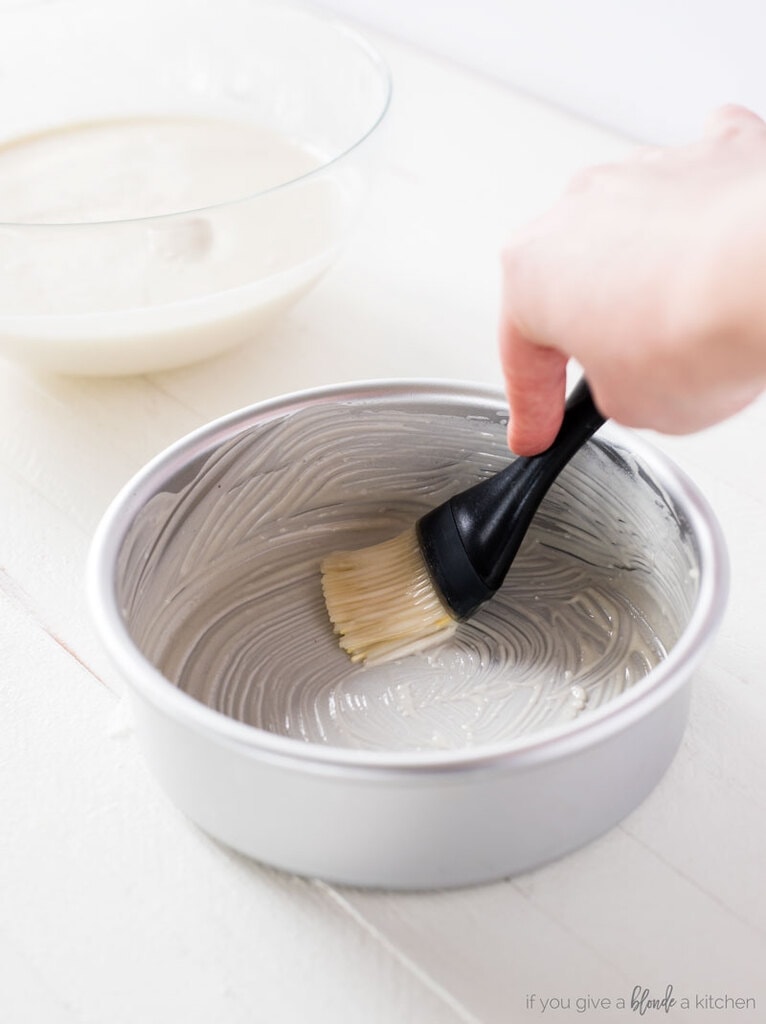
Butter is a popular choice for greasing cake pans. It adds a rich flavor to your baked goods. Use softened butter for easy application. Spread it evenly with a brush or paper towel. Its creamy texture coats the pan well.
Oil
Oil provides a simple and effective way to grease a pan. Vegetable oil or canola oil works well for this purpose. Pour a small amount into the pan. Use a paper towel to spread it around. This method ensures a thin, even layer.
Shortening
Shortening is another reliable option for greasing pans. It has a high melting point, reducing the risk of sticking. Apply it with a piece of wax paper or your fingers. Ensure all nooks and crannies are covered. This prevents any part of the cake from sticking.
Methods For Greasing A Cake Pan
Greasing a cake pan is essential for a perfect cake. It prevents sticking and ensures a clean release. Different methods suit different needs. Explore three popular techniques below.
Traditional Greasing
The traditional method involves butter or shortening. Use a paper towel or pastry brush. Spread a thin, even layer on the pan. Dust with flour for extra protection. This method adds flavor and texture to cakes. It’s a classic approach many bakers trust.
Using Parchment Paper
Parchment paper offers a foolproof way to prevent sticking. Cut a sheet to fit the pan’s bottom. Grease the pan before placing the paper. This ensures the paper stays in place. Once baked, the cake slides out easily. Many bakers prefer this for delicate cakes.
Spray Grease Solutions
Spray grease is quick and convenient. Choose a non-stick spray designed for baking. Coat the pan evenly with a light mist. This method saves time and effort. It’s perfect for busy bakers. Spray grease offers a consistent, reliable option for cake pans.
Common Mistakes To Avoid
Mistakes often arise by using too much or too little grease on a cake pan. Both can lead to uneven baking results. It’s crucial to spread a thin, even layer for proper cake release and texture.
Greasing a cake pan might seem straightforward, but there are common mistakes that can turn your baking endeavor into a sticky mess. From using the wrong type of grease to skipping essential steps, these errors can impact the texture and appearance of your cake. Here’s how you can avoid them and ensure your cake slides out smoothly every time.1. Using Too Much Or Too Little Grease
It’s tempting to slather on the butter or oil, thinking more is better. However, excessive grease can cause your cake to bubble or brown unevenly. On the flip side, using too little can lead to sticking. Strike a balance by using just enough to thinly coat the entire surface. A paper towel or pastry brush can help you achieve an even layer.2. Forgetting To Grease The Sides
You might remember to grease the bottom of the pan, but what about the sides? Cakes can stick to the walls just as easily. Grease the sides thoroughly to avoid tearing the edges when you remove your cake. Use a circular motion with your fingers or brush to ensure coverage.3. Not Using Parchment Paper
Relying solely on grease can be risky. If you’ve ever had a cake stick despite your best efforts, you know the frustration. Consider using parchment paper as an added layer of protection. Cut it to fit the bottom of your pan, and grease the top of the paper for a double guarantee against sticking.4. Choosing The Wrong Type Of Grease
Not all greases are created equal. Butter adds flavor but can burn more easily, while oils might not provide enough coverage. Try using shortening for a neutral option that holds up well to heat. If you’re after a buttery flavor, mix butter with flour to create a homemade cake release paste.5. Skipping The Flour Dusting
Grease alone might not suffice, especially for intricate cakes. Flour provides an extra barrier between the cake and the pan. After greasing, sprinkle a light layer of flour and tap the pan to distribute it evenly. This small step can make a big difference in ensuring your cake comes out clean.6. Not Adjusting For Different Recipes
Different cakes have different needs. A dense pound cake might release easily, but a delicate angel food cake could need extra attention. Adapt your greasing method to suit the recipe. Consider the cake’s ingredients and structure, and adjust grease and flour accordingly. Have you ever faced a cake catastrophe due to a greasing mistake? Share your stories and tips in the comments. You might just help someone else avoid a sticky situation.:max_bytes(150000):strip_icc()/GettyImages-72802100-5b34e927c9e77c00372af64c.jpg)
Credit: www.thespruceeats.com
Expert Tips For Perfect Greasing
Achieve perfectly greased cake pans with these expert tips. Use a mix of butter and flour for even coverage. Avoid sticking by ensuring every corner and edge is coated well.
When baking, greasing a cake pan is crucial. It ensures a flawless cake release. Proper greasing prevents sticking and enhances the cake’s texture. With these expert tips, you can achieve perfect greasing every time.Applying Evenly
Spread grease evenly for consistent results. Use a pastry brush or paper towel. Cover every corner and side. Avoid pools of grease in any area. This ensures the cake bakes uniformly. No dry spots. No uneven edges.Preventing Sticking
Sticking can ruin a cake’s appearance. Use a combination of butter and flour. First, apply butter or oil. Then, dust with flour lightly. Tap out excess flour. This duo forms a barrier. Your cake will slide out smoothly.Enhancing Cake Texture
Greasing affects more than sticking. It influences the cake’s texture too. A well-greased pan allows the cake to rise evenly. It creates a uniform crumb. The result is a tender and moist cake. Proper greasing makes a noticeable difference.Cleaning The Pan Post-baking
After baking a delicious cake, cleaning the pan is crucial. A well-maintained pan ensures better baking results next time. Proper cleaning techniques prevent residue buildup, keeping your pans in tip-top shape. Below, explore effective methods for cleaning your cake pan post-baking.
Use Warm, Soapy Water
Warm, soapy water is your best ally for cleaning cake pans. Fill the sink with warm water. Add a few drops of dish soap. Let the pan soak for about 15 minutes. This softens any remaining cake bits. Use a soft sponge to scrub the surface gently.
Avoid Harsh Scrubbing
Avoid using steel wool or abrasive pads. These can scratch your cake pan. Scratches make future baking and cleaning harder. Use a soft cloth or sponge instead. This keeps your pan smooth and safe for repeated use.
Dry Thoroughly After Cleaning
After rinsing, ensure you dry the pan completely. Use a clean towel to wipe all moisture. Moisture can lead to rust, especially on metal pans. Store pans in a dry place to prevent any damage.
Inspect For Residue
Check the pan for leftover grease or crumbs. Pay attention to corners and edges. These areas often trap residue. Run a finger around the pan to feel for any missed spots. Clean again if necessary.
Consider Using Baking Soda
Baking soda is great for stubborn stains. Sprinkle a bit on the pan. Add a few drops of water to form a paste. Let it sit for a few minutes. Then scrub gently with a sponge. This natural cleaner is safe and effective.
Credit: www.ifyougiveablondeakitchen.com
Frequently Asked Questions
What Is The Best Thing To Grease A Cake Pan With?
Use butter or shortening to grease a cake pan. They provide a smooth surface and enhance flavor. Dust the pan with flour after greasing for easy cake removal. This method prevents sticking and ensures a clean cake release. Avoid using oil as it can create a sticky residue.
Is It Better To Grease The Pan With Butter Or Oil?
Grease the pan with oil for higher heat cooking; it prevents sticking. Use butter for flavor and lower heat. Both work, but choose based on recipe needs.
Is It Better To Grease A Cake Pan With Butter Or Shortening?
Grease cake pans with butter for added flavor. Shortening prevents sticking better, ideal for intricate designs. Butter suits simple cakes, while shortening works for complex patterns. Choose based on your recipe needs and desired taste. Both options ensure easy release and prevent damage to your baked goods.
What Is The Best Way To Keep A Cake From Sticking To The Pan?
Grease the pan thoroughly using butter or oil, then dust with flour. Use parchment paper for extra protection. Ensure even coverage to prevent sticking. Allow the cake to cool before removing it from the pan. These steps will help achieve smooth cake release.
Conclusion
Greasing a cake pan ensures your cake doesn’t stick. It saves time and frustration. First, choose the right grease. Butter and shortening work well. Spread it evenly with a brush or paper towel. Dust with flour for extra protection. Your cake will come out perfect every time.
Experiment with different methods. Discover what works best for you. Enjoy baking without worry. Share your delicious cakes with friends and family. A well-greased pan makes baking joyful. Keep practicing and refining your technique. Happy baking!
