

You’re standing in your kitchen, staring at that pile of dirty dishes. You load your dishwasher, but when it comes to silverware, you hesitate.
Is there a right way to load it? Absolutely! Loading silverware correctly can make all the difference in how clean your utensils come out. Imagine never having to rewash a fork or spoon because it came out still dirty. Sounds great, right?
You’ll discover the best way to load silverware in your dishwasher. Not only will you save time, but you’ll also ensure every meal is served with sparkling clean cutlery. Stick around to learn tips that will transform your dishwashing routine and make your life just a bit easier.
Choosing The Right Silverware Basket
Choosing the right silverware basket can make a big difference. It ensures your utensils get cleaned effectively and stay organized. A poorly chosen basket can lead to uneven cleaning or even damage. A well-fitted basket streamlines the dishwashing process and enhances the longevity of your silverware.
Understanding Basket Types
Silverware baskets come in various shapes and sizes. Some have individual slots for each piece. Others are open and allow free placement. Choose a basket that fits your dishwasher and utensil needs. Consider the shape and size of your cutlery.
Material Considerations
Check the material of the basket. Plastic baskets are lightweight and affordable. Stainless steel baskets are durable and resist stains. Choose based on your budget and durability needs.
Adjustability Features
Look for baskets with adjustable compartments. They offer flexibility for different types of silverware. Adjustable baskets can cater to larger cooking utensils or smaller forks and spoons.
Compatibility With Dishwasher Model
Ensure the basket is compatible with your dishwasher model. Some dishwashers have specific design requirements. Check the manufacturer’s guidelines for compatible baskets.
Ease Of Cleaning
Consider how easy the basket is to clean. Baskets with removable parts are easier to maintain. Regular cleaning prevents buildup and keeps your utensils spotless.
Sorting Silverware By Type
Loading silverware in the dishwasher seems simple. Yet, many get it wrong. Sorting silverware by type is crucial for a clean wash. It ensures every piece gets the right exposure to water and soap. This method also prevents utensils from nesting together.
Sort Forks Together
Place forks in the same compartment. This arrangement keeps them separate. Forks tend to intertwine if mixed with other utensils. Positioning them together enhances water flow around each piece.
Group Spoons By Size
Spoons should be grouped by size. Place larger spoons in one section. Smaller ones in another. This prevents spooning, where spoons nest together. It ensures better cleaning and rinsing.
Keep Knives Facing Down
Position knives with blades down. It enhances safety when unloading. This orientation also reduces the risk of dulling the blades. Ensure handles are accessible for easy removal.
Separate Specialty Utensils
Specialty utensils need their own space. Items like ladles and whisks can block water flow. Place them in a separate area. This ensures they get adequate cleaning.
Avoid Overloading Compartments
Do not cram silverware into compartments. Overloading reduces cleaning efficiency. Each piece needs space for water and soap. An organized layout ensures optimal results.
Proper Placement For Optimal Cleaning
Loading silverware in the dishwasher seems easy. Yet, proper placement ensures the best cleaning results. Incorrectly placed utensils may not get clean. Or worse, they may block the dishwasher spray arms. Follow these simple tips for spotless silverware every time.
Forks And Spoons
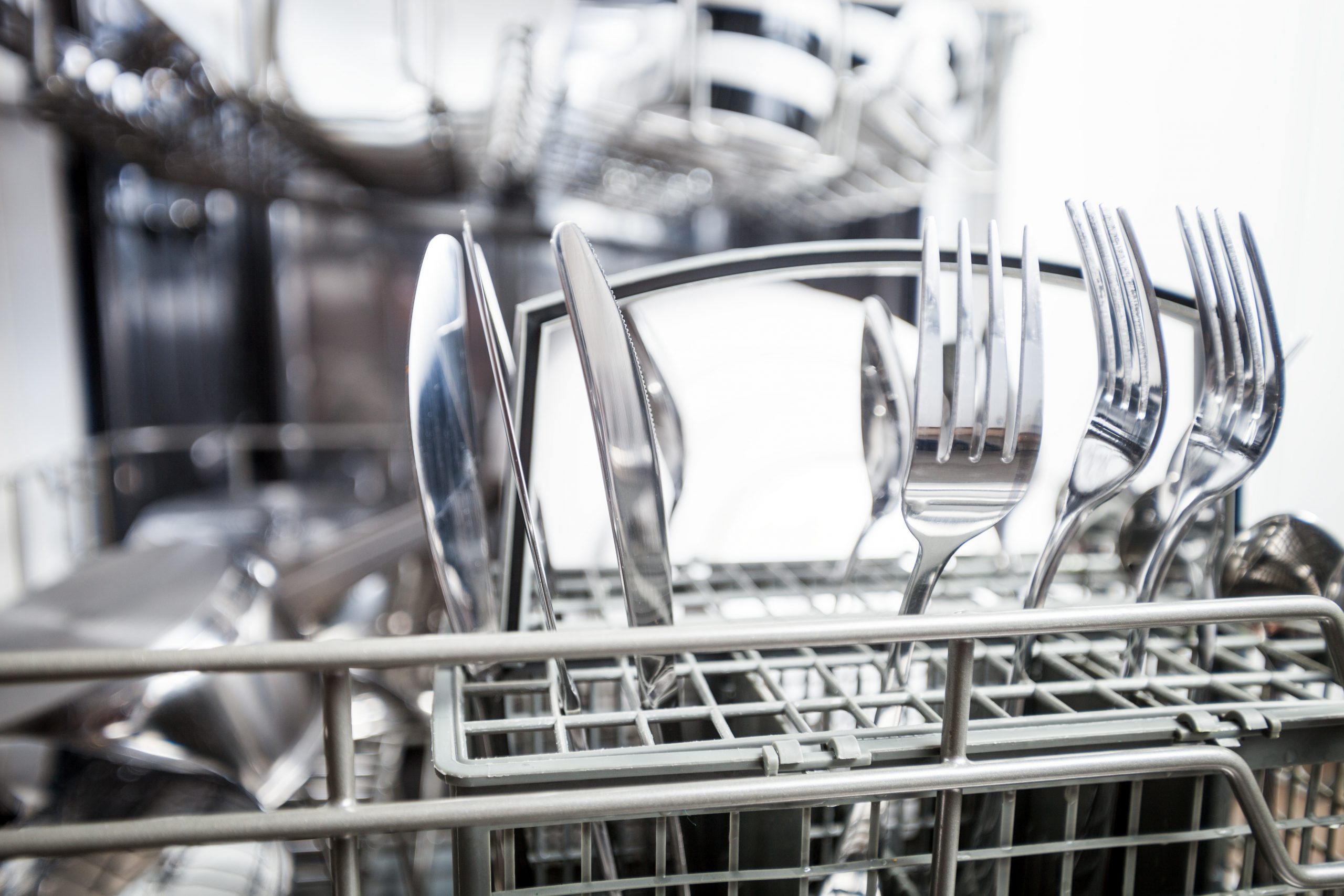
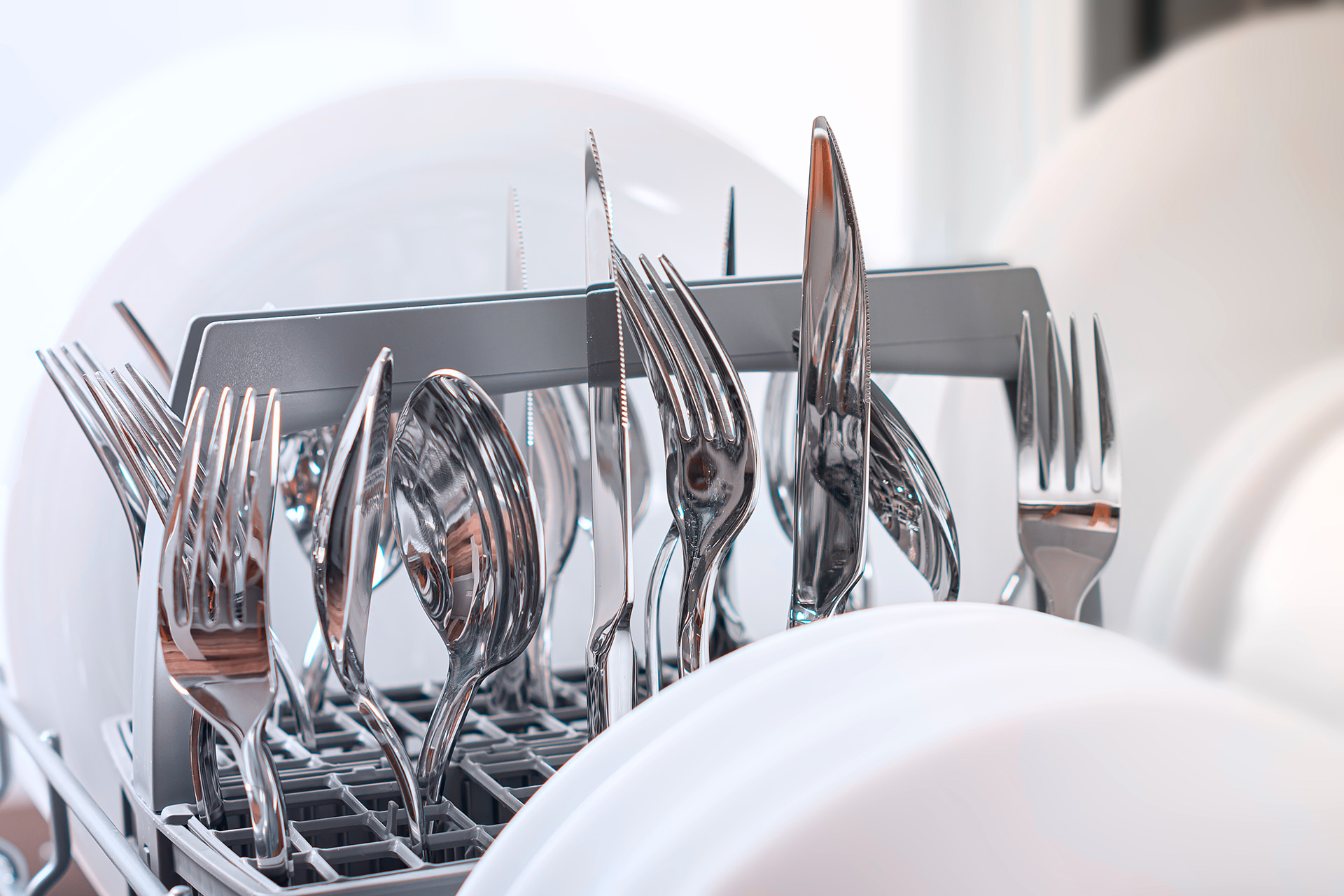
Place forks and spoons handle-side down in the basket. This position allows water and detergent to reach the soiled parts. Mix them to prevent nesting. Nesting keeps water from reaching all surfaces. Ensure the tines of forks face different directions. This prevents them from sticking together.
Knives And Sharp Utensils
Load knives with handles up for safety. This prevents accidental cuts while unloading. Sharp utensils should be placed separately. Use the designated slots for sharp items if available. Avoid overloading the basket. Crowding can block the spray arms and reduce cleaning efficiency. Make sure all sharp items are secure. This keeps them from falling and causing damage.
Credit: www.rd.com
Avoiding Common Mistakes
Loading silverware correctly in the dishwasher can ensure clean dishes. Many people make mistakes that affect the cleaning process. Avoid these mistakes to get sparkling results every time. Understanding common errors helps improve efficiency.
Overloading The Basket
Putting too many items in the basket can block water flow. This results in dirty silverware after washing. Make sure each piece has space. Overcrowding prevents thorough cleaning. Aim for a balanced load.
Mixing Materials
Different materials need different care. Mixing metals can cause reactions. Stainless steel and silver should be separate. This prevents corrosion and discoloration. Keep similar items together for best results.
Special Care For Delicate Silverware
Loading silverware in a dishwasher can be a straightforward task for most utensils. However, delicate silverware demands special attention to ensure it remains in pristine condition. Whether you’re dealing with sterling silver or antique pieces, it’s important to adopt careful methods to preserve their beauty and functionality.
Handling Sterling Silver
Sterling silver can add a touch of elegance to your dining experience, but it requires gentle handling. Always separate sterling silver from stainless steel items in your dishwasher. Contact between these metals can cause discoloration.
Use gentle, non-citrus dishwasher detergents to prevent tarnishing. You might have noticed that powerful detergents can leave a cloudy residue. A mild detergent is your best friend here.
Consider loading sterling silver in the top rack. This keeps it safe from intense heat and pressure. Have you ever noticed how items on the bottom rack can sometimes get knocked around? Keeping delicate silverware on the top rack minimizes this risk.
Caring For Antique Pieces
Antique silverware often comes with sentimental value and unique craftsmanship. Avoid placing these pieces in the dishwasher altogether if possible. Hand washing is often the safest option, preserving both beauty and history.
If you must use the dishwasher, place antique pieces separately in the top rack, using a protective holder. This prevents movement during the wash cycle. Imagine the disappointment of discovering a chipped or scratched heirloom!
Regularly inspect your antique silverware for any signs of wear. Have you ever considered that even the smallest crack can lead to bigger issues later? Early detection can prevent further damage.
What are your experiences with caring for delicate silverware? Would you opt for handwashing or take the risk with a dishwasher? Share your thoughts and tips, and let’s ensure our cherished pieces last for generations to come!
Credit: www.finishdishwashing.com
Using Dishwasher-safe Products
Loading silverware efficiently in the dishwasher ensures thorough cleaning and prevents damage. Place forks and spoons with handles down for better exposure, while knives should be handles up to avoid accidents. Mix different utensils to avoid nesting, ensuring each gets cleaned properly.
When it comes to loading silverware in the dishwasher, one essential aspect is ensuring you’re using dishwasher-safe products. This may seem like a no-brainer, but it’s easy to overlook. Using the right tools not only protects your silverware but also keeps your dishwasher running smoothly.Understanding What Dishwasher-safe Means
Not all utensils are made to withstand the heat and water pressure inside a dishwasher. Items labeled as dishwasher-safe are designed to endure these conditions without damage. If you’re unsure about an item’s compatibility, check the manufacturer’s guidelines or the product label.Benefits Of Using Dishwasher-safe Silverware
Using dishwasher-safe silverware ensures longevity. It reduces the risk of rust and discoloration, maintaining your cutlery’s shine. This can also save you money in the long run, as you won’t need to replace your utensils as frequently.Common Mistakes To Avoid
One mistake is assuming all metal utensils are dishwasher-safe. Some metals, like aluminum, can tarnish or corrode over time. Mixing dishwasher-safe and non-safe items can lead to unexpected damage, so always double-check before loading.How To Identify Dishwasher-safe Products
Look for specific icons or labels on the packaging. Many manufacturers use a symbol of a dishwasher to indicate safety. If a product lacks clear labeling, a quick internet search can provide clarity.Personal Experience: The Time I Ignored The Label
I once learned the hard way by ignoring a non-dishwasher-safe label on a cherished silver spoon. It came out tarnished and lost its luster. That experience taught me the importance of checking labels, saving me from future mishaps.Why This Matters For Efficiency
Loading your dishwasher with the right items ensures an efficient cleaning cycle. Properly maintained silverware doesn’t just look good; it also cleans better. This means fewer residues and spots, making your mealtime more enjoyable.Questions To Consider
Are your current utensils all dishwasher-safe? Could neglecting to check labels lead to costly replacements? Taking a moment to review your silverware might save you time and trouble in the future. By understanding and using dishwasher-safe products, you can protect your silverware and maximize your dishwasher’s effectiveness. Whether you’re a seasoned home chef or just getting started, this simple step can make a world of difference.Regular Maintenance Of Silverware Basket
Loading silverware in the dishwasher correctly ensures thorough cleaning. Place forks and spoons with handles down for better water reach. Mix knives with handles up to prevent accidents while unloading. Regularly clean the silverware basket to avoid residue buildup.
Regular maintenance of your silverware basket can make a surprising difference in your dishwasher’s performance. It might seem like a minor detail, but keeping this part of your dishwasher in tip-top shape ensures your utensils come out sparkling clean. Plus, it helps prolong the life of your dishwasher, saving you money and hassle in the long run.Inspect For Damage
Have you checked your silverware basket lately? Look for any cracks or broken sections. Damaged baskets can scratch your utensils or let them slip through, potentially clogging the dishwasher. If you notice any issues, consider replacing the basket. A small investment in a new basket can prevent bigger problems down the line.Clean Regularly
When was the last time you cleaned your silverware basket? It can collect food particles and grime over time. Remove it from the dishwasher and wash it with warm, soapy water. Use an old toothbrush to scrub away stubborn residues. This ensures no dirt transfers back to your clean utensils.Check For Obstructions
Have you ever found bits of food stuck in the basket holes? These obstructions can block water flow, reducing the cleaning efficiency of your dishwasher. Make it a habit to check and remove any debris after each load. This small step keeps your dishwasher running smoothly.Secure The Basket
Is your silverware basket moving around during the wash cycle? It should be securely placed to prevent it from tipping over. A stable basket ensures even water distribution over your utensils. Some dishwashers have clips or designated spots—use them to keep the basket in place.Avoid Overloading
Are you packing too much silverware into the basket? Overloading can prevent water and detergent from reaching all surfaces. Make sure utensils are placed in a way that allows them to be thoroughly cleaned. Less is sometimes more when it comes to effective washing. Regular maintenance of your silverware basket doesn’t take much time, but it can significantly impact your dishwasher’s efficiency. It’s a simple routine that can save you from the frustration of having to rewash your utensils. What steps will you take today to ensure your silverware basket is in perfect condition?:max_bytes(150000):strip_icc()/GettyImages-172148339-2000-737ebc6bca884bb08796852114e583bf.jpg)
Credit: www.southernliving.com
Frequently Asked Questions
Is It Better To Put Silverware Up Or Down In The Dishwasher?
Place silverware handles down for better cleaning. Knives should be handles up for safety. This arrangement ensures effective washing and prevents injuries.
What Is The Correct Way To Stack Cutlery In The Dishwasher?
Place knives, forks, and spoons separately in the dishwasher’s cutlery basket. Point knives and forks downwards for safety. Mix spoon handles up and down to prevent nesting. Avoid overcrowding to ensure proper cleaning. Check the dishwasher manual for specific guidelines if needed.
What Is The Best Way To Wash Silverware In The Dishwasher?
Place silverware in the dishwasher’s utensil basket. Separate knives, forks, and spoons to prevent nesting. Use a gentle detergent and select a suitable wash cycle. Ensure silverware doesn’t touch other metal items to avoid scratching. Dry immediately after washing to prevent water spots and tarnishing.
What Do You Put In The 3rd Rack Of The Dishwasher?
Place cutlery, utensils, and flat items in the dishwasher’s third rack. Ensure they’re securely arranged for optimal cleaning. Avoid overcrowding to maintain efficient water flow. Use the rack for items too small or delicate for lower racks. Check your dishwasher’s manual for specific guidance on third rack usage.
Conclusion
Loading silverware correctly makes dishwashing easier. Arrange forks, spoons, and knives separately. Keep sharp items down for safety. Mixed placement ensures thorough cleaning. Avoid overcrowding to allow water flow. Use designated slots for smaller utensils. Regular cleaning of the dishwasher helps too.
A proper load saves time and energy. Your dishes come out sparkling clean. Enjoy the benefits of a well-organized dishwasher. It’s simple, effective, and keeps your kitchen running smoothly. Follow these tips for the best results every time. Happy dishwashing!
