
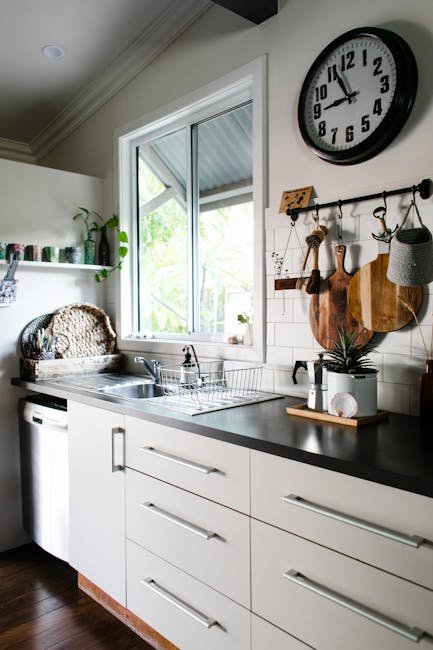
Are your kitchen cabinets a constant source of frustration? You open a door, and everything feels cluttered, making it hard to find what you need quickly.
Imagine opening your cabinets and instantly spotting the right item without any hassle. Organizing your kitchen cabinets the right way can save you time, reduce stress, and even make cooking more enjoyable. You’ll discover simple, effective tips to transform your cabinets from chaotic to perfectly organized.
Ready to take control of your kitchen space? Let’s dive in and make your cabinets work for you!
Kitchen Cabinet Essentials
Organizing kitchen cabinets starts with understanding the essentials. These are the key items and tools that keep your kitchen tidy and functional. Having the right essentials prevents clutter and makes cooking easier.
Must-have Items
- Clear storage containers for dry goods
- Stackable shelves to create extra layers
- Lazy Susans for easy access to spices and sauces
- Drawer dividers to separate utensils and gadgets
- Hooks or racks for hanging mugs and utensils
- Label makers to identify contents quickly
Space-saving Tools
- Pull-out baskets that slide for easy reach
- Adjustable shelf risers to use vertical space
- Door-mounted racks for storing lids or cleaning supplies
- Under-shelf baskets to double storage space
- Stackable bins for grouping small items
Sorting And Categorizing
Sorting and categorizing your kitchen cabinets is the foundation of an efficient space. When you clearly define where everything belongs, it’s easier to find what you need and keep the area tidy. This step saves time during cooking and reduces frustration when searching for items.
Grouping Similar Items
Start by gathering all your kitchen items and separating them into groups based on use or type. For example, keep baking supplies like flour, sugar, and baking powder together. Similarly, group all your spices in one area and cooking oils in another.
Think about how you cook daily. Do you often bake? Keep those ingredients close to your mixing bowls and measuring cups. If you use your coffee station frequently, group mugs, coffee beans, and filters nearby. This approach creates natural zones that match your habits.
Labeling Techniques
Labels turn your categorizing into a system anyone can follow—including guests or family members. Use clear, simple labels that everyone can read at a glance. You can write on adhesive labels, use chalkboard tags, or print labels with a label maker.
Consider labeling inside cabinet doors for less visible items or on clear containers to spot contents quickly. Consistent labels reduce the chance of items wandering into the wrong spot. Have you tried color-coding labels? It adds an extra layer of organization and makes identification even faster.
Optimizing Cabinet Space
Optimizing your kitchen cabinet space can transform how you cook and clean. It’s not just about fitting more items inside but making everything easy to find and reach. You’ll save time and reduce frustration when your cabinets work with you, not against you.
Vertical Space Usage
Most kitchens overlook the height inside cabinets. Adding vertical dividers or stacking shelves lets you use this often wasted space. Think about placing cutting boards, baking sheets, or even plates vertically to keep them organized and accessible.
Small risers or tiered racks can also help you see everything at a glance instead of digging through piles. Have you tried storing mugs by hanging them under shelves? It frees up shelf space and adds a unique touch to your kitchen.
Adjustable Shelving
Adjustable shelves give you the flexibility to fit items of different heights as your needs change. You can create taller spaces for large pots and shorter ones for canned goods or spices. This adaptability keeps your cabinets neat and clutter-free.
Installing shelves with easy-to-move pegs means you won’t need tools to change the layout. It’s a small investment that pays off when you bring home new kitchen gadgets or bulk groceries. How often do you wish your cabinets could adjust to your latest kitchen finds?

Credit: www.theepochtimes.com
Decluttering Strategies
Decluttering is the foundation of organizing kitchen cabinets effectively. Without clearing out unnecessary items, creating a functional and neat space is nearly impossible. Let’s dive into practical strategies that will help you clear the clutter and keep your cabinets tidy over time.
Regular Purging
Set a schedule to review your kitchen cabinets regularly. Every few months, take a few minutes to pull out items and check if they are still useful or expired. This small habit prevents clutter from piling up and keeps your kitchen manageable.
Ask yourself questions like: Have I used this in the last six months? Is it damaged or expired? If the answer is no, it’s time to let it go. This way, you avoid holding onto things “just in case” and free up valuable space.
Donation And Disposal
Not everything you remove from your cabinets needs to go to the trash. Many items like unopened pantry goods, gently used kitchen tools, or cookware can find a new home through donation. This helps reduce waste and supports others in need.
For items that are expired, broken, or unsafe to donate, dispose of them responsibly. Check local guidelines for recycling or hazardous waste disposal to ensure you’re handling kitchen waste in an eco-friendly way.
How often do you check the condition of items in your cabinets? Making donation and disposal part of your routine turns decluttering into a positive habit rather than a chore.
Creative Storage Solutions
Creative storage solutions can transform your kitchen cabinets from chaotic to charming. They help you maximize every inch of space while keeping things easy to find. Imagine opening a cabinet and instantly seeing exactly where everything belongs.
Use Of Baskets And Bins
Baskets and bins bring order to cluttered shelves. They group similar items together, making your cabinets look neat and feel more accessible. Choosing different sizes lets you customize storage for everything from snacks to cleaning supplies.
Try clear bins so you can spot what you need without pulling everything out. Wicker baskets add a warm touch and hide less attractive items like plastic bags or foil. Labeling each basket saves time and stops you from digging through multiple containers.
Innovative Organizers
Innovative organizers turn awkward cabinet corners and deep shelves into usable space. Pull-out racks, lazy Susans, and tiered shelves keep your kitchen essentials within reach. They also prevent items from getting lost in the back of the cabinet.
Magnetic strips can hold knives or spice jars on the inside of cabinet doors, freeing up shelf space. Vertical dividers are perfect for baking sheets and cutting boards, preventing them from toppling over. Have you ever wondered how much space you waste stacking items without a system? These organizers solve that problem efficiently.
Maintaining Organization
Maintaining organization in kitchen cabinets keeps your space neat and saves time. Consistency helps prevent clutter from building up. Simple daily actions and regular cleaning routines make a big difference. These habits keep your kitchen efficient and enjoyable to use.
Daily Habits
Put items back in their place after use. Wipe any spills or crumbs inside cabinets quickly. Avoid stacking too many items on top of each other. Check for expired food or unused items regularly. Use clear containers to see contents easily. Keep frequently used items within easy reach.
Scheduled Cleaning
Set a specific day each week to clean cabinets thoroughly. Remove all items and wipe shelves with a damp cloth. Check for spills, stains, or sticky spots and clean them well. Reorganize items by category to maintain order. Donate or throw away items you no longer need. Use shelf liners to protect surfaces and make cleaning easier next time.
Personalizing Your Space
Personalizing your kitchen cabinets turns a simple space into a reflection of your style and needs. It makes the kitchen more inviting and easier to use. Tailoring the storage to your habits saves time and reduces clutter. Small changes can make a big difference in how your kitchen feels and functions.
Custom Cabinet Designs
Custom cabinet designs fit your kitchen perfectly. You choose the size, shape, and layout that suits your space. Options include pull-out shelves, built-in spice racks, and adjustable dividers. These features improve access and organization. Custom designs also match your kitchen’s style, from modern to classic.
- Install deep drawers for pots and pans.
- Add vertical dividers for baking sheets.
- Include hidden compartments for small items.
Every cabinet becomes purposeful and efficient. This reduces clutter and keeps essentials within reach. Custom cabinets help you make the most of every inch.
Personal Touches
Adding personal touches makes your kitchen unique. Use decorative knobs or handles that match your taste. Paint or stain cabinets in colors that brighten the space. Display favorite dishes or cookbooks inside glass-front cabinets.
- Use labels on containers for easy identification.
- Place small plants or herbs on shelves.
- Incorporate family photos or artwork nearby.
These details create warmth and character. They make the kitchen more than just a cooking area. Personal touches invite you to enjoy the space every day.
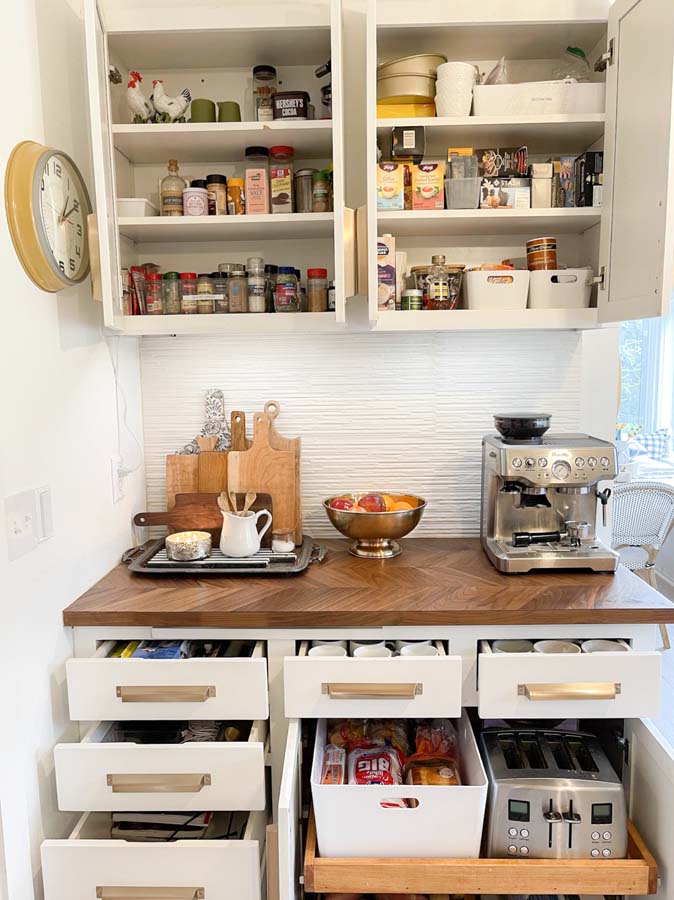
Credit: www.hallstromhome.com

Credit: food52.com
Frequently Asked Questions
What Is The Best Method To Organize Kitchen Cabinets?
The best method involves grouping items by category and frequency of use. Use clear containers and labels. Maximize vertical space with adjustable shelves or racks. Regularly declutter to maintain order and easy access.
How Can I Maximize Space In Kitchen Cabinets?
Maximize space by installing pull-out shelves and using stackable organizers. Utilize cabinet doors for hanging racks or hooks. Store rarely used items on higher shelves. This creates more room and keeps essentials within reach.
What Are The Must-have Organizers For Kitchen Cabinets?
Must-have organizers include spice racks, pull-out baskets, shelf risers, and lazy Susans. These tools improve accessibility and visibility. They help separate small items, making your kitchen more efficient and tidy.
How Often Should Kitchen Cabinets Be Reorganized?
Reorganize kitchen cabinets every 3 to 6 months. This prevents clutter buildup and ensures items remain easy to find. Regular checks help discard expired products and optimize storage as needs change.
Conclusion
Organizing kitchen cabinets makes cooking and cleaning easier. Start by grouping similar items together. Use clear containers to see what you have. Keep daily-use items within reach. Regularly check and remove expired products. Small changes create big improvements over time.
A tidy kitchen saves time and reduces stress. Enjoy a neat space that works for you. Simple steps lead to lasting order in your kitchen.
Hi, I’m Daniel Harper, a senior editor here at KitchenBucks.com. For over 10 years, I’ve been exploring kitchen gadgets and appliances to help people find tools that truly add value without breaking the bank. I love simplifying product choices so you can focus more on cooking and less on worrying about what to buy. When I’m not reviewing the latest gadgets, you’ll usually find me experimenting with coffee brewing or firing up the grill for a weekend barbecue.