
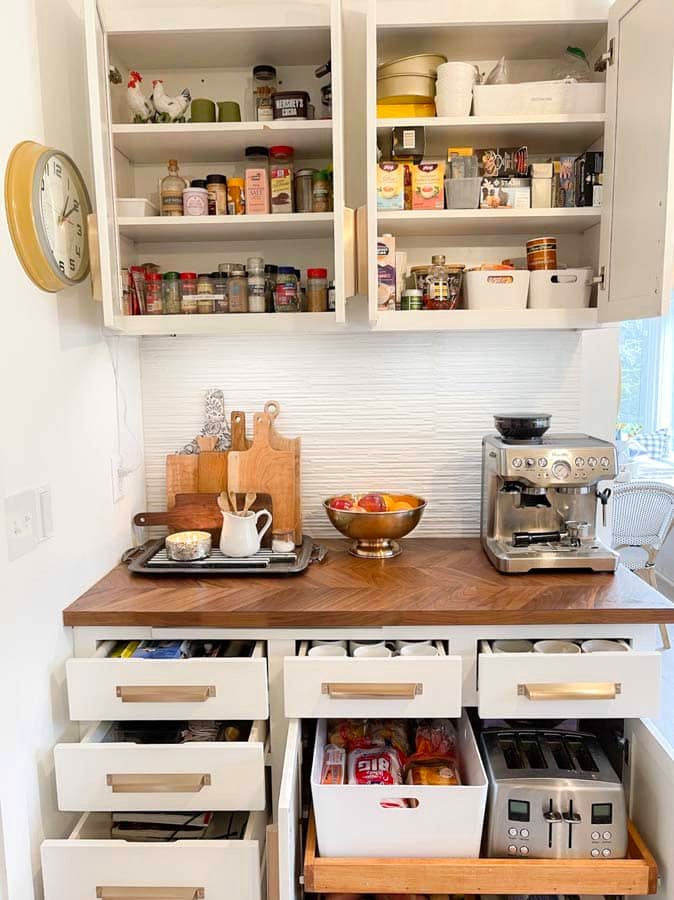
Are your kitchen cupboards a constant source of frustration? You open a door, and everything feels cluttered, making it hard to find what you need fast.
Imagine opening your cupboards and instantly spotting the spice jar or the plate you want—no digging, no mess. The best way to organize kitchen cupboards isn’t about spending hours rearranging or buying expensive tools. It’s about smart, simple steps that transform your space and make your daily routine easier.
Keep reading, and you’ll discover practical tips that will change how you use your kitchen for good.
Assessing Your Kitchen Space
Before you start organizing your kitchen cupboards, it’s crucial to take a close look at the space you’re working with. Assessing your kitchen space helps you understand its limitations and possibilities. This ensures that every inch is used wisely, making your kitchen more functional and less frustrating.
Measuring Cupboard Dimensions
Grab a tape measure and note the height, width, and depth of each cupboard. Don’t forget to check inside shelves and corners where space can often be deceptive. Accurate measurements help you pick storage solutions that fit perfectly without wasting space.
Have you noticed how some cupboards seem deeper than others but still feel cramped? Measuring can reveal hidden gaps or awkward spaces you might otherwise overlook.
Identifying Frequently Used Items
Think about what you reach for daily—spices, plates, coffee mugs—and keep these within easy reach. Grouping these items in the most accessible cupboards saves time and effort. Less used items can be stored higher up or in less accessible spots.
Ask yourself, which kitchen tools do you grab without even thinking? Putting these front and center can transform your cooking flow.
Spotting Clutter And Wasted Space
Open your cupboards and look for items you rarely use or duplicates that crowd your space. Clutter not only wastes room but also makes it hard to find what you need. Removing or relocating these items frees up valuable space.
Look for awkward gaps, like tall bottles next to short containers, where you could add shelf risers or stackable bins. Small changes here can maximize your cupboard capacity without major renovations.
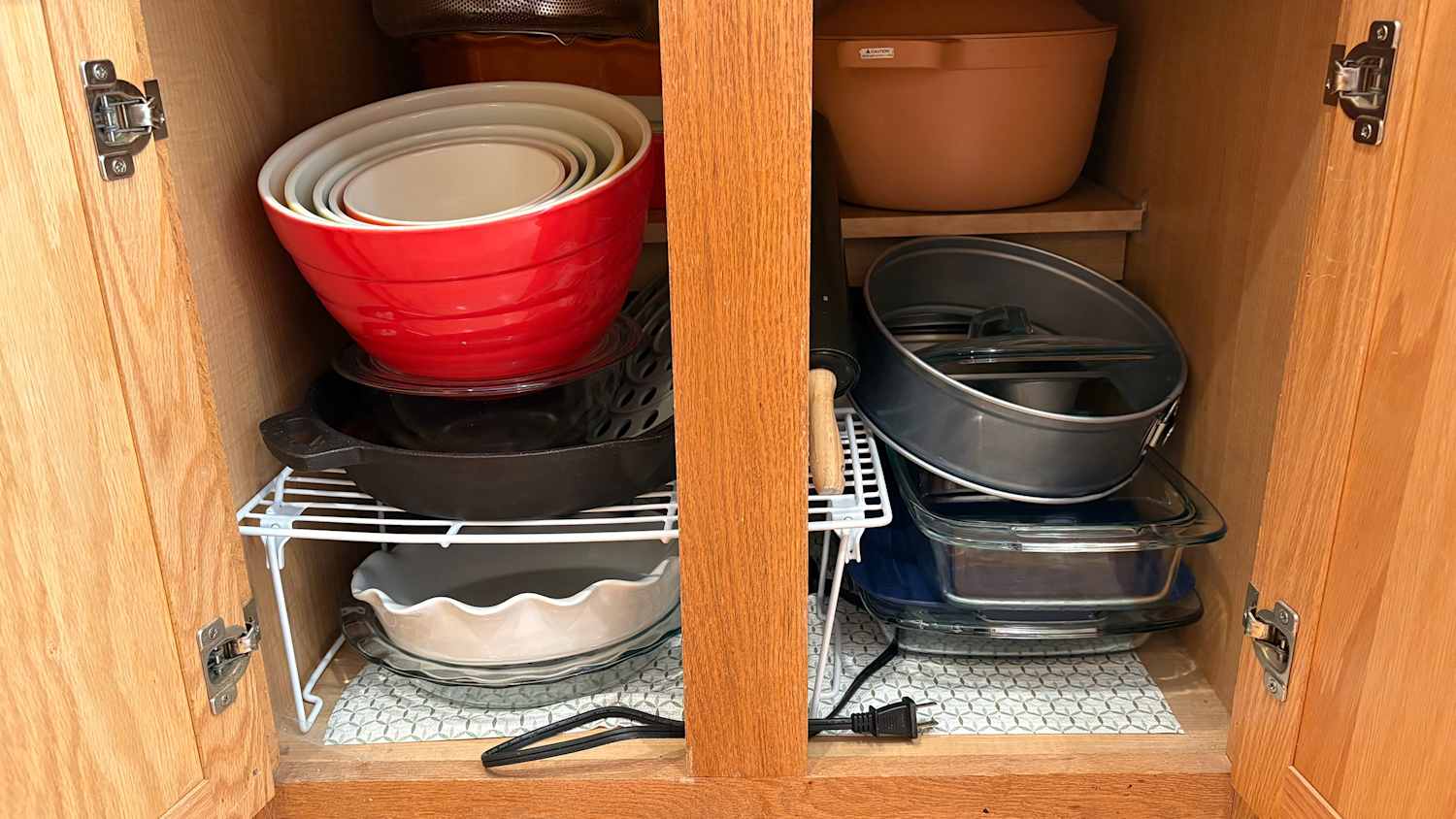
Credit: www.apartmenttherapy.com
Choosing Storage Solutions
Choosing the right storage solutions is key to making your kitchen cupboards both functional and easy to use. The goal is to maximize space without creating clutter. Think about how you use your kitchen daily and select options that make accessing items effortless.
Using Adjustable Shelves
Adjustable shelves let you customize your cupboard space to fit items of different heights. You can move shelves up or down to create room for tall bottles or stack smaller containers. This flexibility helps avoid wasted space and keeps everything visible.
Imagine not having to stack cans awkwardly or pile up bowls because the shelf is fixed too high. Adjustable shelves give you control to organize based on your needs, not the cupboard’s original design.
Incorporating Pull-out Drawers
Pull-out drawers bring the back of your cupboards within reach. Instead of rummaging through deep shelves, you simply slide out a drawer to see everything at once. This reduces the frustration of losing items behind others.
They work great for spices, pots, and pantry goods. If you’ve ever struggled to grab a jar from the back, pull-out drawers will change how you view kitchen storage.
Adding Lazy Susans And Turntables
Lazy Susans and turntables make corner cupboards more accessible. These rotating trays allow you to spin items toward you, so you don’t have to stretch or remove several things to get what you want. It’s perfect for oils, sauces, and small containers.
Have you noticed how corner cupboards often become a black hole for forgotten items? Adding a turntable can solve this by keeping everything visible and easy to grab.
Categorizing Kitchen Items
Categorizing kitchen items can transform your cooking space from cluttered chaos into a well-ordered haven. When you assign specific places for each type of item, you save time and reduce frustration during meal prep. Have you ever found yourself digging through a jumble of pots and lids just to find the right one? That’s where smart categorization makes all the difference.
Grouping By Function
Start by sorting items based on what you use them for. Keep all cutting tools like knives, peelers, and scissors together in one drawer or section. Store utensils for eating separately from those for cooking—forks, spoons, and knives go in a different spot than spatulas and ladles.
This approach helps you grab what you need without second guessing. Imagine reaching for a whisk and finding it right next to your mixing bowls instead of tucked away with random gadgets. It’s about creating logical zones that match your kitchen tasks.
Separating Cooking And Baking Supplies
Cooking and baking require different tools and ingredients, so keep their supplies apart. Store baking items like measuring cups, mixing bowls, and baking trays in one cupboard or shelf. Keep spices, oils, and pots for cooking in another.
This separation avoids confusion and helps you focus on the task at hand. Think about how much easier it is to prepare a cake when all your baking essentials are grouped together, rather than hunting through your cooking supplies. Have you noticed how much time you save when your kitchen is organized this way?
Organizing By Frequency Of Use
Place the items you use most often in the easiest-to-reach spots. Everyday dishes, glasses, and frequently used pots should live at eye level or on lower shelves. Reserve higher or less accessible cupboards for items used only occasionally, like holiday platters or specialty gadgets.
This arrangement keeps your kitchen efficient and prevents unnecessary stretching or bending. When was the last time you reached for something stored behind a pile of rarely used items? Keeping daily essentials front and center changes the way you interact with your kitchen.

Credit: www.theepochtimes.com
Maximizing Vertical Space
Vertical space in kitchen cupboards often remains unused. Maximizing this area helps store more items neatly. Using the full height of cupboards keeps counters clear and items easy to reach. Smart vertical organization means less clutter and more room for essentials.
Installing Hooks And Racks
Hooks and racks create extra storage on cupboard walls. Hang mugs, utensils, or small pots to free shelf space. Use adhesive hooks for a no-drill option. Metal racks can hold spice jars or lids vertically. This setup keeps items visible and accessible.
Stacking Containers Efficiently
Stack containers by size to save space and avoid mess. Use clear, uniform containers for easy stacking and identification. Place heavier items at the bottom to prevent tipping. Nest lids vertically or store them in a separate rack. This method keeps cupboards tidy and organized.
Using Door-mounted Organizers
Door-mounted organizers add storage to unused cupboard doors. Use slim racks for spices, cutting boards, or cleaning supplies. These organizers keep items within reach without crowding shelves. Magnetic strips can hold knives or metal tools safely. Door storage maximizes every inch of cupboard space.
Labeling And Visibility
Labeling and visibility are key to keeping kitchen cupboards neat and easy to use. Clear labels help find items quickly. Visible storage means less time searching. These two together make cooking and cleaning smoother.
Using Clear Containers
Clear containers show contents at a glance. They keep food fresh and organized. Use different sizes for different items. Stack containers to save space. Clear jars work well for grains and spices. Seeing inside helps avoid buying duplicates.
Creating Easy-to-read Labels
Labels make finding things simple. Use large fonts and simple words. Print labels or write with a marker. Place labels on the front or top of containers. Color-code labels for different food types. Change labels if you move items around.
Maintaining Consistent Organization
Keep labels and containers in the same style. Group similar items together. Check cupboards regularly to keep order. Return items to their labeled spots after use. Consistency helps everyone in the family find what they need fast.
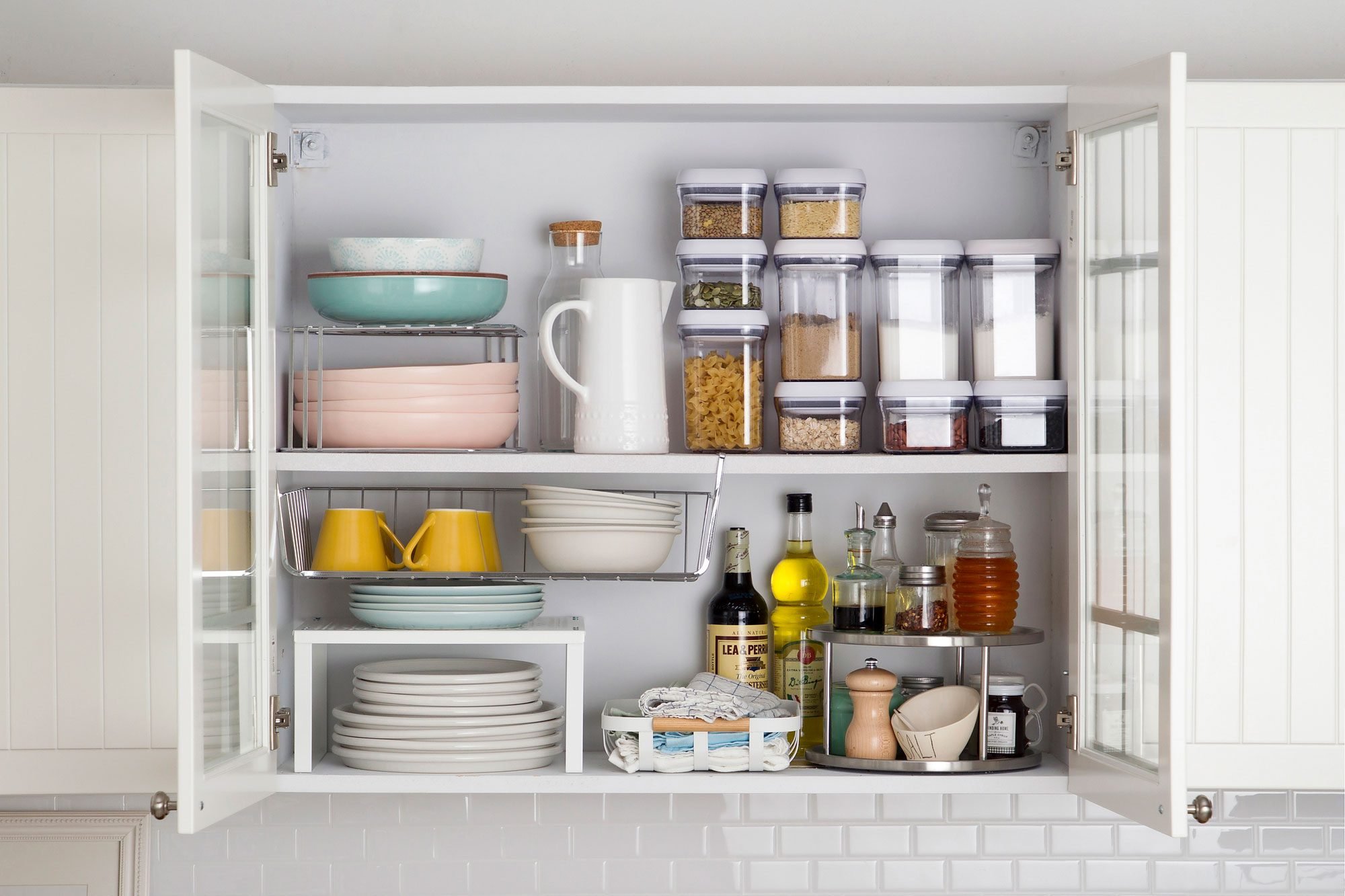
Credit: www.rd.com
Maintaining An Organized Cupboard
Keeping your kitchen cupboards organized is more than just a one-time effort. It requires ongoing attention to maintain order and functionality. Small habits can make a big difference in how easily you find items and keep your kitchen efficient.
Regularly Decluttering
Ask yourself: when was the last time you checked for expired spices or unused gadgets? Regularly decluttering means setting aside time each month to remove items you no longer need. This prevents overcrowding and keeps your cupboards from turning into a chaotic mess.
Try creating a simple checklist of items to review, such as canned goods, baking supplies, and kitchen tools. Doing this regularly makes the task less overwhelming and keeps your space fresh.
Establishing Cleaning Routines
Dust, crumbs, and spills can quickly accumulate inside cupboards without you noticing. Establish a cleaning routine that fits your schedule—whether that’s weekly, bi-weekly, or monthly. Wiping down shelves and reorganizing items during these sessions keeps your cupboards hygienic and tidy.
Consider lining shelves with easy-to-clean mats or paper. This small change saves time and effort when cleaning and helps protect surfaces from stains or damage.
Adapting Organization Over Time
Your kitchen needs will change—new appliances, different cooking habits, or seasonal items. Don’t hesitate to adjust your cupboard setup as these changes happen. Flexibility helps you maintain an organized space that works for your current lifestyle.
Look for storage solutions that can be easily moved or reconfigured. For example, adjustable shelves or stackable containers let you customize your cupboard without a full redesign.
Frequently Asked Questions
How Can I Maximize Space In Kitchen Cupboards?
Use shelf risers and stackable containers to create more levels. Group similar items together for easy access. Utilize door racks and drawer organizers to free up shelf space efficiently.
What Is The Best Way To Categorize Kitchen Cupboard Items?
Sort items by function: cooking, baking, and storage. Keep frequently used items within easy reach. Store rarely used items on higher or lower shelves to optimize space.
How Often Should I Declutter Kitchen Cupboards?
Declutter kitchen cupboards every 3 to 6 months. Remove expired or unused items to keep space tidy. Regular decluttering improves organization and makes cleaning easier.
What Storage Solutions Work Best For Small Kitchen Cupboards?
Use clear containers to quickly identify contents. Install pull-out shelves or baskets for better accessibility. Consider magnetic racks or hooks on cupboard doors to save space.
Conclusion
Organizing kitchen cupboards makes cooking easier and faster. Clear spaces help you find items quickly. Use containers and labels to keep things tidy. Group similar items together for better order. Regularly check and remove unused products. A neat kitchen saves time and reduces stress.
Small changes create a big difference in daily routines. Start organizing today for a calm, efficient kitchen.
