
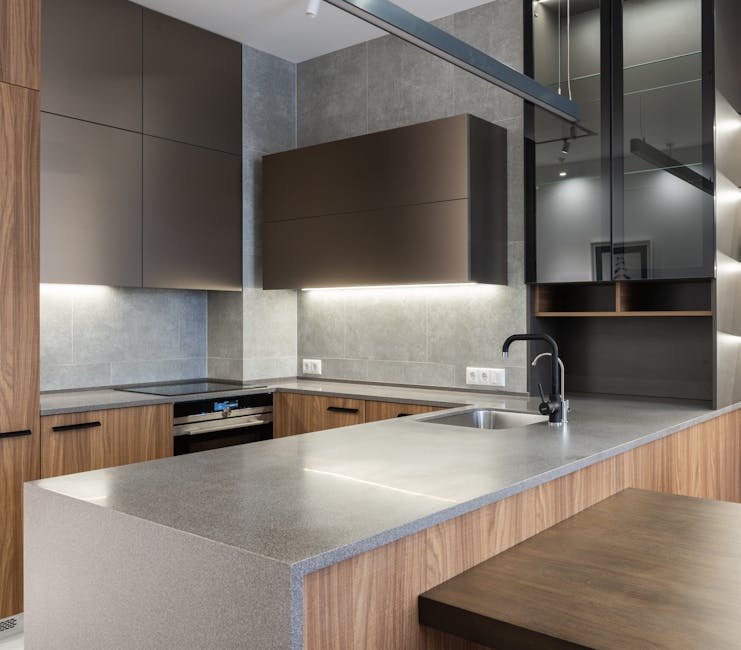
Are your kitchen cabinets looking tired and outdated? You don’t have to spend a fortune replacing them to give your kitchen a fresh new look.
The best way to redo kitchen cabinets is simpler and more affordable than you might think. Imagine transforming your entire kitchen without the mess and cost of a full renovation. You’ll discover easy, effective methods to breathe new life into your cabinets, making your kitchen the heart of your home again.
Keep reading—you’re just a few steps away from a stunning kitchen makeover.

Credit: food52.com
Choosing Between Refinishing And Replacing
Deciding whether to refinish or replace your kitchen cabinets is a crucial step in your renovation journey. Both options offer distinct advantages depending on the condition of your cabinets, budget, and long-term goals. Understanding the differences can help you make a choice that fits your lifestyle and enhances your kitchen’s appeal.
Signs It’s Time For A Change
Look closely at your cabinets for visible wear and tear. Peeling paint, warped doors, and broken hinges signal it might be time for more than just a fresh coat of paint.
If your cabinets feel outdated or don’t match your new kitchen style, replacing them could be a better investment. But if the structure is solid and you love the layout, refinishing might breathe new life into your space.
Cost Comparison
| Aspect | Refinishing | Replacing |
|---|---|---|
| Average Cost | $500 – $2,000 | $4,000 – $10,000+ |
| Materials | Paint, stain, sealant | New cabinets, hardware |
| Labor | Moderate | High |
| Time Required | 2-5 days | 1-2 weeks |
Think about what fits your budget without compromising quality. Refinishing saves money upfront, but replacing might add value if your current cabinets are beyond repair.
Durability And Longevity
Refinished cabinets can look fresh for years if you use high-quality paint and sealants. However, they may not fix structural problems like sagging doors or weak frames.
Replacing cabinets offers a longer-lasting solution and allows you to choose materials that resist moisture and wear. Ask yourself how long you want your kitchen to stay in top shape before deciding.
Preparing Your Kitchen Cabinets
Preparing your kitchen cabinets is the key to a smooth and lasting makeover. Clean, sand, and repair the surfaces carefully. This ensures the paint or stain sticks well and looks great. Proper preparation saves time and prevents future problems.
Cleaning And Removing Hardware
Start by clearing out the cabinets. Remove all items inside. Take off knobs, handles, and hinges. Use a screwdriver for this task. Clean the surfaces with warm soapy water. Wipe away grease, dirt, and dust. Dry the cabinets thoroughly before moving on.
Sanding Techniques
Sanding helps the new finish adhere better. Use medium-grit sandpaper to smooth rough spots. Sand in the direction of the wood grain. Avoid pressing too hard to prevent damage. After sanding, wipe off dust with a damp cloth. For a fine finish, use fine-grit sandpaper last.
Fixing Damages And Imperfections
Check cabinets for cracks, holes, or dents. Fill these with wood filler or putty. Use a putty knife to apply the filler evenly. Let it dry fully as per instructions. Sand the patched areas smooth to blend with the surface. Fixing flaws creates a flawless look for painting or staining.
Selecting The Right Materials
Choosing the right materials for redoing kitchen cabinets shapes the final look and durability. The material choice affects style, maintenance, and cost. It is important to pick materials that fit your kitchen’s use and your personal taste. Consider how much wear the cabinets will face daily. Also, think about the cleaning and upkeep required for each option.
Paint Vs. Stain
Paint covers cabinets with a solid color. It hides wood grain and imperfections. Paint offers a wide range of colors. It works well for modern or bold designs. Stain enhances the natural wood texture. It lets the wood grain show through. Stain gives a warm, classic feel. It suits traditional and rustic kitchens. Both paint and stain need a good primer or sealer.
Types Of Paint Finishes
Paint finishes affect the look and ease of cleaning. Common finishes include:
- Matte:No shine, hides imperfections but harder to clean.
- Satin:Soft sheen, balances look and durability.
- Semi-gloss:Shiny, easy to wipe, popular for kitchens.
- Glossy:Very shiny, highlights details, but shows scratches easily.
Semi-gloss is often best for kitchen cabinets. It resists moisture and stains well.
Eco-friendly Options
Choose eco-friendly materials to reduce health risks and environmental impact. Low-VOC (volatile organic compounds) paints emit fewer harmful fumes. Natural stains use plant-based oils and dyes. Bamboo and reclaimed wood are sustainable cabinet materials. These options support a greener home and safer indoor air.
Step-by-step Cabinet Refinishing Process
Refinishing kitchen cabinets is a smart way to refresh your kitchen without replacing everything. This process restores the look and extends the life of your cabinets. Follow a clear, step-by-step approach to get smooth, lasting results.
Priming Your Cabinets
Start by cleaning the cabinet surfaces thoroughly. Remove grease, dirt, and dust to help primer stick well. Sand the cabinets lightly to create a smooth base. Use a high-quality primer designed for wood or laminate surfaces. Apply the primer evenly with a brush or roller. Let it dry completely before moving on.
Applying Paint Or Stain
Choose paint or stain based on your desired finish. Use a brush or foam applicator for even coverage. Apply thin, smooth coats to avoid drips and streaks. Allow each coat to dry fully before adding the next. Two to three coats usually provide the best color and protection. Sand lightly between coats for a flawless finish.
Sealing And Protecting Surfaces
Seal the cabinets with a clear protective topcoat. This layer guards against scratches and moisture. Pick a durable sealer suitable for kitchen use. Apply it evenly and let it dry thoroughly. Multiple thin coats offer better protection than one thick coat. Your cabinets will look fresh and stay strong for years.
Updating Hardware And Accessories
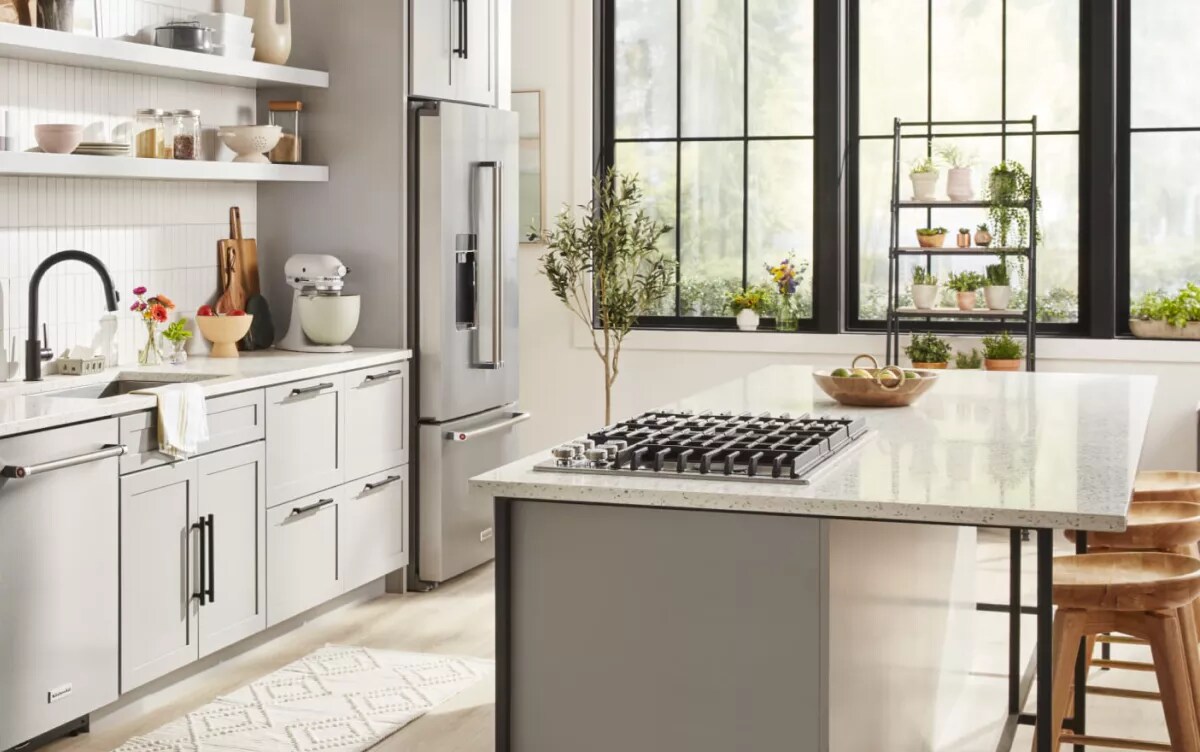
Updating hardware and accessories breathes new life into old kitchen cabinets. Small changes can make a big difference in style and function. Choose pieces that match your kitchen’s overall look. Focus on quality to ensure lasting use. These updates improve cabinet usability and add fresh appeal.
Choosing Modern Handles And Knobs
Select handles and knobs that fit your kitchen’s style. Sleek metal finishes like brushed nickel or matte black offer a modern touch. Simple designs with clean lines work well in most spaces. Consider the size and shape for comfortable grip and use. Mix and match styles carefully for a unique look.
Soft-close Hinges And Slides
Soft-close hinges prevent cabinet doors from slamming shut. They extend the life of cabinets by reducing wear and tear. Soft-close drawer slides keep drawers smooth and quiet. Installing these features adds convenience and a touch of luxury. They are easy to install and improve daily kitchen use.
Adding Decorative Elements
Decorative elements add personality to kitchen cabinets. Crown molding on top creates a polished finish. Adding trim or beadboard panels gives texture and depth. Decorative corner brackets or appliques highlight cabinet details. These touches make cabinets stand out and feel custom-made.
Credit: www.kitchenaid.com
Diy Vs. Hiring Professionals
Redoing kitchen cabinets can transform your space. Choosing between doing it yourself and hiring professionals depends on many factors. Each option has benefits and challenges. Understanding these helps you decide what fits your needs.
Skills And Tools Required
DIY cabinet redo requires basic carpentry skills. You need to sand, paint, or stain the cabinets evenly. Proper tools include sanders, brushes, and screwdrivers. Mistakes can cause damage or poor finishes.
Professionals have advanced skills and specialized tools. They handle sanding, priming, painting, or staining with precision. Experts also fix hidden issues like warped wood or loose hinges.
Time And Effort Involved
DIY projects take a lot of time and patience. Removing doors, sanding, painting, and drying can last days or weeks. Mistakes may cause delays and extra work.
Professionals finish the job faster. Their experience allows efficient work without sacrificing quality. They manage prep, painting, and installation smoothly. This reduces stress and disruption in your home.
When To Call An Expert
- If cabinets are damaged or need repairs beyond simple refinishing.
- When you want a flawless finish with long-lasting results.
- If you lack time or tools to complete the job properly.
- For complex cabinet styles requiring precision and skill.
- When you want to avoid costly mistakes and delays.
Maintaining Your Redone Cabinets
Maintaining your redone kitchen cabinets keeps them looking fresh and new for years. Regular care prevents damage and preserves their beautiful finish. Simple habits and quick fixes help avoid costly repairs later.
Cleaning Tips
Use a soft cloth with mild soap and water to clean cabinets. Avoid harsh chemicals that can strip paint or damage wood. Wipe spills immediately to stop stains. Dry surfaces well after cleaning to prevent moisture damage. Dust cabinets often to keep them spotless.
Preventing Wear And Tear
Open and close doors gently to avoid loose hinges. Use cabinet liners to protect shelves from scratches and stains. Keep sharp objects away from cabinet surfaces. Avoid placing hot pots or pans directly on cabinet edges. Check hinges and handles regularly and tighten them as needed.
Touch-up Techniques
Keep leftover paint or stain for quick touch-ups. Use a small brush to fix scratches or chips carefully. Sand lightly before applying touch-up paint to blend repairs. Match the finish type, such as matte or glossy, for a seamless look. For deeper damage, consider professional help to restore the surface.
Credit: www.hgtv.com
Frequently Asked Questions
What Is The Best Way To Redo Kitchen Cabinets?
The best way is to refinish or repaint cabinets. Sand, clean, prime, and apply quality paint or stain. This approach saves money and updates your kitchen’s look effectively.
How Much Does It Cost To Redo Kitchen Cabinets?
Costs vary from $200 to $1,200 depending on materials and labor. DIY refinishing is cheaper, while professional services cost more but ensure quality results.
Should I Replace Or Redo Kitchen Cabinets?
Redoing is ideal for structurally sound cabinets needing a fresh look. Replace if cabinets are damaged or outdated beyond repair for better functionality and design.
What Tools Do I Need To Redo Kitchen Cabinets?
You need sandpaper, primer, paint or stain, brushes, screwdrivers, and cleaning supplies. Proper tools ensure a smooth, professional finish and durable results.
Conclusion
Redoing kitchen cabinets can refresh your entire space quickly. Choose the right method based on your budget and skills. Painting, staining, or replacing doors each have their benefits. Small changes bring big improvements without a full remodel. Take time to prepare and follow steps carefully.
Your kitchen will look cleaner and more modern. Enjoy the process and the new feel of your kitchen. Simple updates make a big difference in your home.
