
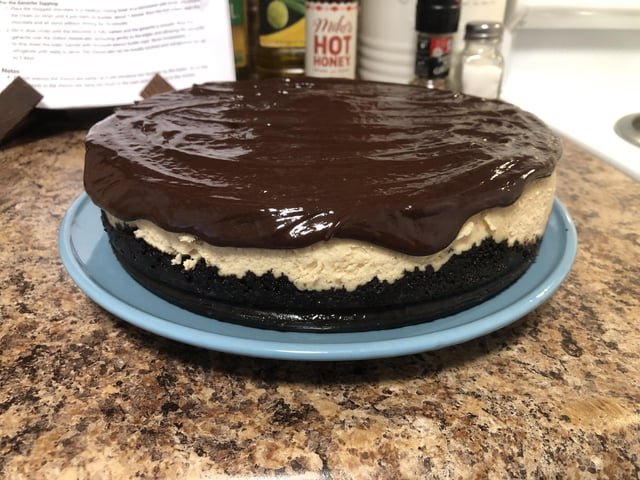
Have you ever baked a cake that looked like a masterpiece in the oven, only to find it stubbornly stuck to the pan when it’s time to serve? You’re not alone.
Whether you’re a seasoned baker or just starting out, the struggle is real—and incredibly frustrating. Imagine effortlessly removing your cake, perfectly intact, every single time. Sounds like a dream, right? The good news is, it doesn’t have to be. In this guide, you’ll discover the best methods to ensure your cake slides out with ease, preserving its beautiful form and saving you from post-baking heartbreak.
Stick around, and learn how to transform your baking experience from anxiety-filled to blissfully rewarding. Your next cake deserves to be seen and savored in all its glory.
Preparation Before Baking
Grease the pan well before pouring the batter. Let the cake cool completely after baking. Gently run a knife around the edges, then carefully invert the pan onto a plate to release the cake.
Before you even think about removing that cake from its pan, you need to set the stage with proper preparation before baking. This step is crucial. It can mean the difference between a perfectly intact cake and one that falls apart. Let’s dive into the essential steps to ensure your cake comes out flawlessly.Choose The Right Pan
Selecting the right pan is more than just grabbing any old thing from your cupboard. The size and material of your pan can greatly influence your cake’s outcome. A non-stick pan is often the best choice for easy release, but be cautious—non-stick coatings can wear out over time. If you’re using a glass or ceramic pan, remember that these materials retain heat differently, which can affect baking time and cake texture.Use Parchment Paper
Parchment paper is your secret weapon for effortless cake removal. Cut a piece to fit the bottom of your pan perfectly. When your cake is done, it will slide out with ease. I remember the first time I used parchment paper; it was a revelation. No more stuck cakes or messy pan-scraping!Proper Greasing Techniques
Greasing your pan is non-negotiable. Use butter or shortening, and be generous. Cover every nook and cranny to prevent sticking. You can also dust the greased pan with flour for added assurance. Alternatively, try using cocoa powder for chocolate cakes to avoid a white residue. Have you ever skipped greasing, thinking it wouldn’t matter? Only to have your cake stubbornly cling to the pan? Don’t let that happen again. Preparation before baking may seem like a chore, but it’s essential for cake-baking success. With these tips, you’ll be well on your way to cake-removal mastery. What strategies have you tried to ensure your cake comes out perfectly?
Credit: www.reddit.com
Cooling The Cake
Cooling a cake properly ensures it remains intact and delicious. The process might seem simple, but it involves a few key steps. These steps help in preventing cracks or sticking. Let’s explore the best methods for cooling your cake.
Ideal Cooling Time
Let the cake cool in the pan for about 10 to 15 minutes. This short time allows the cake to set slightly. It makes removal from the pan easier and cleaner. Avoid leaving it longer; it might become difficult to remove.
Using A Cooling Rack
Transfer the cake to a cooling rack for even air circulation. This step is crucial to cool the cake evenly. A cooling rack allows air to reach all sides of the cake. It prevents sogginess and maintains the cake’s texture.
To transfer, place the rack on top of the pan. Flip both together. Gently lift the pan away, leaving the cake on the rack. Ensure the cake cools completely before frosting or serving.
Loosening The Cake
Loosening the cake from its pan is crucial for a perfect presentation. Many face the challenge of getting the cake out without breaking it. The cake must be cooled before starting this process. Once ready, there are effective methods to loosen the cake. Below are some simple techniques to try.
Knife Method
Use a thin, flexible knife for this method. Start by gently inserting the knife between the cake and the pan edge. Slowly rotate the knife around the pan to loosen the sides. Keep the knife close to the pan to avoid damaging the cake. This method helps release the cake from the sides without tearing it.
Shake And Tap Technique
This technique is simple yet effective. Hold the pan with both hands. Gently shake it back and forth to loosen the cake. After shaking, tap the bottom and sides of the pan. The cake should start to release. If it doesn’t, repeat the process a few more times. This technique often works well for bundt and round cakes.

Credit: www.youtube.com
Inverting The Cake
Removing a cake from its pan can often feel like a high-stakes game. One wrong move and your beautiful creation could turn into a crumbly mess. But fear not! Inverting the cake is a time-tested method to get that cake out smoothly and intact. It might seem daunting, but with a few simple steps, you can master this technique.
Using A Plate Or Board
To start, grab a plate or a cutting board that’s slightly larger than your cake. This is crucial to prevent the cake from slipping off during the flip. Place the plate or board over the pan.
Then, with one hand on the plate and the other securely under the pan, swiftly flip them over. You should now have the pan upside down on the plate. Gently lift the pan off to reveal your cake.
Is your cake sticking? Lightly tapping the bottom of the pan can help release it. Alternatively, a gentle shake might do the trick. Remember to be patient and avoid forcing the cake out.
Handling Delicate Cakes
Delicate cakes, like those with a light sponge, require extra care. You might feel anxious about breaking them, but there’s a way to handle them safely. Always ensure your cake is completely cool before attempting to remove it.
A warm cake is more likely to crumble. If you’re working with a particularly fragile cake, consider lining your pan with parchment paper before baking. This gives you an added layer of security when inverting.
For extremely delicate cakes, try inverting onto a soft towel instead of a hard plate. It cushions the cake and absorbs any slight moisture, making for a safer transition. Have you tried this method? It might just be the game-changer you need.
Inverting a cake doesn’t have to be nerve-wracking. With a little practice and these tips, you’ll be flipping cakes like a pro in no time.
Common Mistakes
Skipping the cooling step leads to cake sticking to the pan. Forgetting to grease the pan causes crumbling. Using sharp tools might damage the cake’s surface.
Removing a cake from a pan can be a nerve-wracking task for many. Have you ever found yourself staring at a beautifully baked cake, only to have it crumble apart when you try to remove it? It’s a common scenario, but with a few tips, you can easily avoid these pitfalls. Let’s dive into some common mistakes bakers make and how you can steer clear of them.Over-greasing Issues
One frequent error is over-greasing the pan. You might think more is better, but too much grease can lead to a soggy bottom. Instead, aim for a thin, even layer. Consider using parchment paper for added assurance. It provides a reliable barrier between the cake and the pan, ensuring a smooth removal process. Have you ever noticed a greasy residue on the sides of your cake? That’s a telltale sign you’ve gone overboard with the butter or oil.Removing Too Early
Another common mistake is trying to remove the cake too soon. Patience is key here. Allow your cake to cool for at least 10-15 minutes before attempting removal. The cake needs time to set and firm up. If it’s too hot, it might break or crumble. Think of it like a delicate balance. Too much waiting might lead to sticking, but too little can cause damage. How do you find that sweet spot? Carefully touch the pan to gauge the temperature—warm, not hot, is what you’re aiming for. By paying attention to these details, you’ll ensure a flawless cake removal every time.Expert Tips For Success
Baking a cake is an art. Removing it from the pan is science. Knowing the best techniques ensures your cake stays intact and beautiful. These expert tips simplify the process, making it stress-free and effective.
Temperature Considerations
Let the cake cool before removing it. Hot cakes are fragile and may crumble. Room temperature is ideal. Cooling on a wire rack helps air circulate. This prevents sogginess. If the cake is too cool, it may stick. A slightly warm cake releases easier.
Alternative Methods
Try using a knife to loosen the edges. Gently slide a knife around the cake’s perimeter. Be careful not to cut into the cake. Another method is using a towel. Dampen a towel with hot water. Wrap it around the pan’s bottom. The heat will help release the cake. Some bakers suggest tapping. Hold the pan and tap it lightly on the counter. The cake should start to loosen.

Credit: www.washingtonpost.com
Frequently Asked Questions
What Is The Best Way To Remove A Cake From A Pan?
Cool the cake for 10 minutes. Run a knife around the edges. Place a plate over the pan. Flip the pan gently to release the cake. If necessary, tap the bottom of the pan lightly.
Is It Better To Remove A Cake From A Pan, Hot Or Cold?
Remove the cake from the pan after it cools slightly. Warm cakes release better without sticking. Use a knife to gently loosen edges. Ensure cake is not too hot or cold for best results. Cooling prevents breakage and maintains shape.
Enjoy your perfectly intact cake with ease!
How Long To Wait Until Removing Cake From Pan?
Wait 10-15 minutes after baking before removing the cake from the pan. Cooling slightly prevents sticking and breaking. Use a knife around the edges to loosen. Transfer carefully to a wire rack to cool completely. Ensure safe handling for delicate cakes like angel food or sponge varieties.
How To Get Cake From Sticking To Pan?
Grease the pan with butter or oil. Dust it with flour or cocoa powder. Use parchment paper at the bottom. Ensure even distribution for better results. Allow the cake to cool before removing it from the pan.
Conclusion
Removing a cake from a pan can be tricky. Follow simple steps for success. Let the cake cool before removing. Use a knife to loosen edges. Turn the cake upside down gently. Tap the bottom of the pan. Catch the cake as it slides out.
Grease the pan before baking for better results. Use parchment paper for easy removal. Practice makes perfect with these tips. Enjoy your cake without stress. Share your treats with friends and family. Happy baking!
