
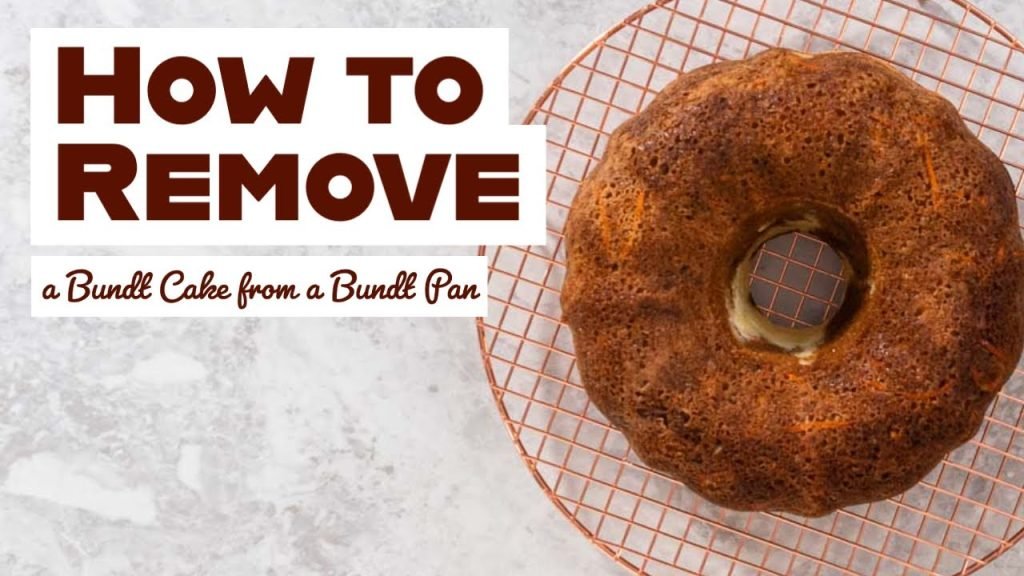
You’ve baked the perfect bundt cake, and now it’s time to unveil your masterpiece. But then, a wave of worry hits you—how on earth will you get this cake out of the pan without it falling apart?
You’ve been there before, and you know the heartbreak of crumbled cake pieces scattered across the counter. It’s a moment you never want to relive. So, what’s the best way to remove cake from a bundt pan without the drama?
This is the question that we will answer. Imagine the satisfaction of perfectly sliding your cake out, intact and ready for the world to see. We’ll share tried-and-true methods that will make you confident every time you bake. You’ll learn techniques that will have you saying goodbye to sticking and tearing, and hello to smooth and flawless cake releases. Stay with us to discover how these simple steps can transform your baking experience and ensure that every bundt cake is a success story.
Choosing The Right Bundt Pan
Choosing the right bundt pan ensures easy cake removal. Grease the pan thoroughly, focusing on intricate designs. Cool the cake before flipping it out onto a plate.
Choosing the right bundt pan can make a world of difference when it comes to removing your cake effortlessly. Not all bundt pans are created equal, and the one you choose can impact the final outcome of your baking adventure. Picking a pan that suits your needs and baking style is key to ensuring your cake slides out smoothly.Material Matters
The material of your bundt pan is crucial. Non-stick pans are great for beginners because they help prevent the cake from sticking. However, if you love the idea of a perfectly browned crust, consider an aluminum pan. Silicone pans, while flexible, might not provide the same crisp edges. Have you ever tried using a silicone bundt pan and wondered why your cake wasn’t as golden? That’s why.Size And Shape
Bundt pans come in various sizes and shapes. The standard 10-12 cup pan is versatile and ideal for most recipes. If you’re experimenting with different designs, ensure your recipe matches the pan size to avoid overflow or under-filling. Nothing’s more disappointing than realizing your batter wasn’t enough to fill the intricate corners of your pan.Ease Of Use
Consider the pan’s design for ease of use. Pans with handles make it easier to maneuver in and out of the oven. Look for a pan that’s dishwasher safe if you want hassle-free cleaning. Have you ever spent an eternity scrubbing every nook and cranny of an intricate bundt pan? It’s not fun.Durability And Quality
Investing in a high-quality bundt pan can save you time and effort in the long run. A well-made pan will last longer and resist warping. A durable pan ensures even baking, giving you consistent results every time. Have you wondered why some cakes come out unevenly? It could be your pan’s poor quality. Choosing the right bundt pan is not just about aesthetics but about ensuring your cake releases effortlessly. What will you bake next with your new bundt pan?Pre-baking Preparations
Careful preparation ensures easy cake removal from a Bundt pan. Grease the pan thoroughly with butter or oil. Dust with flour to prevent sticking.
Preparing your bundt pan correctly is crucial to ensure your cake releases smoothly and maintains its beautiful shape. Have you ever baked a cake only to have it stick to the pan, leaving a messy pile instead of a stunning dessert? Proper pre-baking steps can make all the difference. Let’s dive into the best techniques to prepare your bundt pan for a flawless cake release.Greasing The Pan
Start by greasing your bundt pan thoroughly. Use a pastry brush or paper towel to coat every nook and cranny with butter or shortening. This step is crucial, as the intricate designs of bundt pans can easily trap batter. Consider using softened butter for an even layer. Avoid using melted butter, as it can pool at the bottom. Have you ever noticed how a thin layer of grease can make such a big difference in the final outcome?Dusting With Flour
After greasing, dust the pan with flour to create a barrier between the cake and the pan. Sprinkle a tablespoon of flour into the pan and gently tap it around until every surface is coated. Tap out the excess flour over the sink to avoid clumps. This extra step might seem tedious, but it helps to ensure your cake doesn’t stick.Using Non-stick Sprays
Non-stick sprays designed for baking can be a time-saver. They often contain flour, which helps in releasing cakes easily. Spray an even coat across the entire surface for the best results. Have you tried sprays with flour? They can be a game-changer, especially when you’re short on time. Just remember to cover all the crevices to prevent sticking. By taking these pre-baking steps, you’re setting yourself up for success. Your bundt cake will pop out of the pan beautifully, making your baking efforts worthwhile. What’s your favorite method to prepare a bundt pan?Cooling The Cake
Cooling the cake in a Bundt pan is crucial for easy removal. Let it sit for 10 minutes, then gently loosen the edges with a spatula. Turn the pan upside down on a rack, allowing gravity to help release the cake smoothly.
Cooling the cake is an essential step in ensuring your bundt cake retains its perfect shape and texture. After all the hard work and anticipation, the last thing you want is for your cake to stick to the pan or crumble. Proper cooling helps the cake to set, making it easier to remove from the pan without damage. Let’s dive into the best practices for cooling your bundt cake effectively.Letting It Rest
Let your cake rest in the pan for about 10 to 15 minutes after you take it out of the oven. This brief waiting period allows the cake to firm up slightly, reducing the risk of it falling apart. During this time, the cake continues to cook from residual heat. This is crucial for achieving that perfect, moist crumb. Be careful not to leave it too long in the pan, as it might become too moist and stick.Using A Wire Rack
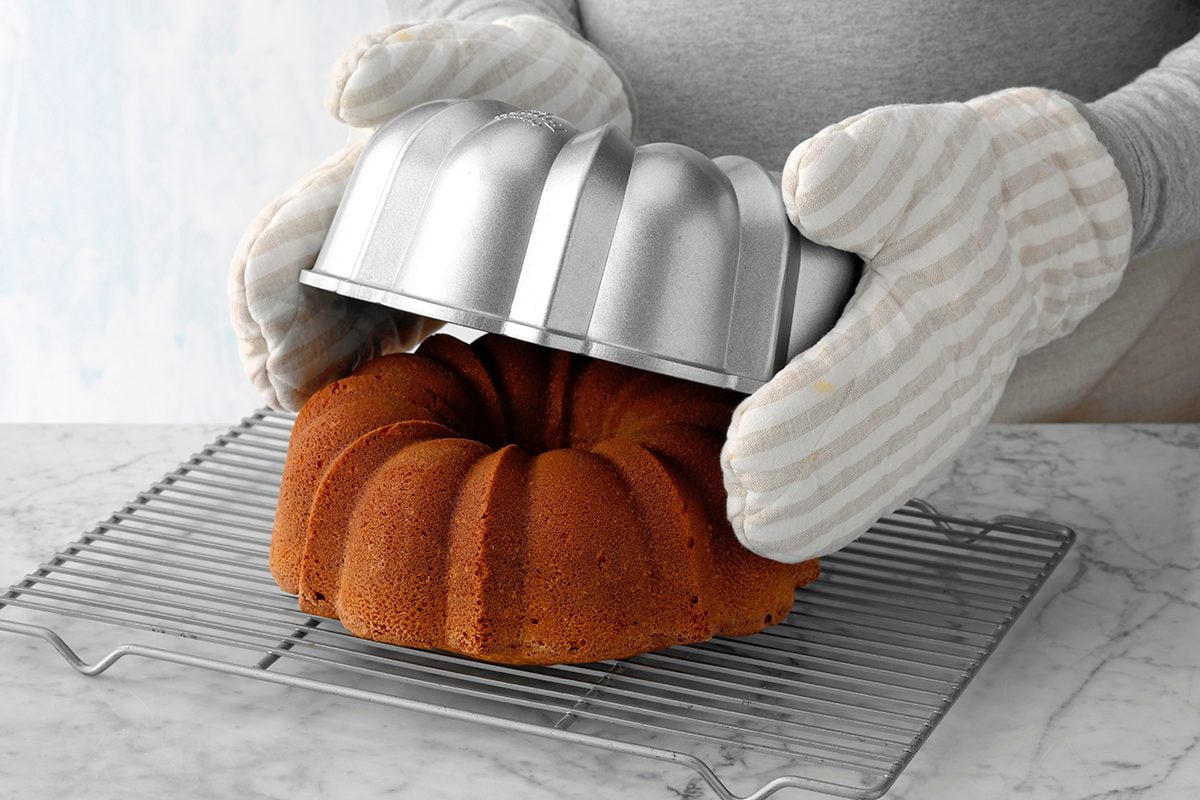
After the initial rest, it’s time to move your cake to a wire rack. Place the rack over the bundt pan, then carefully invert the pan and rack together. Gently lift the pan away from the cake. If you’ve greased and floured your pan well, the cake should slide out smoothly. The wire rack allows air to circulate around the cake, helping it cool evenly and preventing sogginess. Have you ever noticed how a cake left on a flat surface tends to get a wet bottom? The wire rack helps to avoid this common pitfall. By following these steps, you’ll not only protect your bundt cake’s structure but also enhance its flavor and texture. Remember, patience is key. Have you tried cooling your cake differently? Share your tips!
Credit: thedoughtydoughnut.com
Loosening The Edges
We’ve all been there: you’ve baked the perfect bundt cake, but the moment of truth comes when it’s time to remove it from the pan. The edges cling stubbornly, threatening the masterpiece within. Loosening the edges can be the difference between a flawless cake and a crumbly mess.
Using a few simple techniques, you can ensure your cake slides out effortlessly. Let’s look at how to make the process smoother and more stress-free.
Using A Plastic Spatula
A plastic spatula can be your best friend here. Its flexibility allows it to glide around the curves of the bundt pan without damaging the cake.
Start by gently running the spatula around the inner edges of the pan. You’ll feel the cake begin to release its grip. Don’t rush; let the spatula do the work.
If you’ve ever felt the panic of a cake stuck to the pan, this trick can save the day. It’s simple but effective, and it keeps the cake intact.
Gently Shaking The Pan
Once you’ve loosened the edges with a spatula, a gentle shake is next. Hold the pan firmly and give it a light shake from side to side. This motion can help release any remaining clingy spots.
Imagine the cake as a dance partner—coax it gently to glide out of the pan. A few shakes can be enough to set it free.
Ever had a cake suddenly come loose, and you feel like a baking wizard? This method can make that happen. It’s simple, quick, and doesn’t require special equipment.
What’s your favorite trick to ensure your bundt cake comes out perfectly every time? Share in the comments below!
Inverting The Cake
Flipping a Bundt cake requires patience and care. Allow the cake to cool for 10 minutes in the pan. Then gently tap the pan on a countertop to loosen the cake.
Inverting a cake is the moment of truth for any baker. You’ve poured your heart into creating the perfect bundt cake, and now it’s time to unveil your masterpiece. But how do you do it without ruining your creation? Let’s walk through the steps to ensure your cake comes out perfectly.Using A Plate Or Cooling Rack
Place a plate or cooling rack over the bundt pan. Make sure it’s larger than the pan to catch the cake securely. You don’t want your cake to end up on the floor! Hold the plate or rack firmly against the pan. You’ll need a steady grip to avoid any wobbles. Think about how excited you’ll be when you lift that pan and see your cake intact. Once secured, flip the pan and plate together in one swift motion. The confidence in your move will make all the difference.Tapping The Pan Gently
Tapping can be the magic touch your cake needs to release easily. After inverting, gently tap the bottom and sides of the pan with your hand. Are you feeling nervous about tapping too hard? Don’t worry! A gentle tap is all you need. Imagine knocking on a door softly to get someone’s attention. Notice if your cake starts to loosen or shift. If you hear a little thud, you might be close to success. It’s the sound of your cake saying, “I’m ready!” By following these steps, you’ll enhance your chances of a flawless cake reveal. Remember, practice makes perfect. The next time you bake a bundt cake, you’ll be even more confident in your inverting skills. Will your cake make it out in one piece? Give it a try and find out!Troubleshooting Stuck Cakes
There’s nothing quite as disheartening as preparing a beautiful bundt cake, only to have it stubbornly cling to the pan. Many home bakers have faced this dilemma, leading to cracked cakes and shattered dreams. But fear not! With the right techniques, you can rescue your cake without compromising its taste or texture. Let’s dive into some clever methods that can help you tackle this common baking challenge.
Using A Warm Towel
One effective method to coax your cake out of the bundt pan is by using a warm towel. Heat a towel in the microwave or soak it in hot water, then wring it out to remove excess moisture.
Wrap the warm towel around the base of the pan. The heat can help loosen the cake’s grip, allowing it to slide out more easily.
Have you tried this trick? Some bakers swear by it, claiming it works wonders on even the most stubborn cakes.
Freezing The Cake
Freezing might seem counterintuitive, but it’s a surprisingly effective solution. Place the pan in the freezer for an hour or so. The cake will contract slightly, making it easier to remove.
Once frozen, take the pan out and gently tap it on the counter. The cold cake should release more readily from the pan.
Have you ever thought about freezing your cake to get it unstuck? This technique could be the game-changer you’ve been searching for.
Cleaning The Bundt Pan
Easily remove cake from a Bundt pan by greasing it well with butter or oil. Let the cake cool for 10 minutes before gently shaking the pan. Turn it over onto a plate for a clean release.
Cleaning a Bundt pan can be a tricky task. Ensuring it remains scratch-free and spotless is crucial. Proper cleaning not only preserves its beauty but also extends its life. Let’s explore effective methods to keep your Bundt pan in top shape.Avoiding Scratches
Scratches on a Bundt pan can ruin its non-stick surface. This can lead to baking disasters. Always use soft sponges or cloths when cleaning. Metal scrubbers are a big no. They can easily damage the pan’s surface. Mild dish soap is your best friend. It cleans without being harsh. Rinse thoroughly to remove all soap residue.Using Baking Soda Paste
Baking soda is a fantastic cleaner. It’s gentle yet effective. To create a paste, mix baking soda with water. It should be thick, not runny. Apply the paste to the pan. Focus on stained areas. Let it sit for 10 minutes. This allows the paste to work its magic. Gently scrub with a soft cloth. Rinse well to remove all traces. Your Bundt pan will look fresh and clean.
Credit: www.washingtonpost.com
Credit: www.tasteofhome.com
Frequently Asked Questions
How To Prevent Cake From Sticking In Bundt Pan?
To prevent sticking, thoroughly grease the pan with butter or oil. Dust it with flour or cocoa powder for chocolate cakes. Ensure even coverage, especially in intricate designs. Allow the cake to cool for 10 minutes before inverting it onto a rack for easy release.
What’s The Best Cooling Method For Bundt Cakes?
Let the cake cool in the pan for 10 minutes. This helps it firm up, reducing breakage when removed. Then, invert it onto a wire rack to cool completely. This method ensures proper texture and easy removal without sticking.
Can I Use Nonstick Spray In Bundt Pans?
Yes, nonstick spray is effective for Bundt pans. It’s quick and ensures even coverage. However, for intricate designs, combine with flour or sugar. This extra step provides a better barrier, preventing cake from sticking, especially in detailed areas.
Why Did My Bundt Cake Break?
Bundt cakes break due to improper greasing or cooling. Ensure the pan is well-greased and floured. Allow the cake to cool for 10 minutes before removing. Overbaking can also cause dryness, leading to breakage. Use a toothpick test to check doneness.
Conclusion
Removing a cake from a Bundt pan can be tricky. Follow simple steps to ensure success. Let the cake cool for a while. Gently shake the pan to loosen the cake. Use a spatula for stubborn spots. Flip the pan over a plate.
Patience is key. Avoid rushing the process. A properly prepared pan also helps. Grease and flour the pan before baking. Practice makes perfect. Enjoy your perfectly shaped Bundt cake. Savor the satisfaction of a job well done. Happy baking!
