
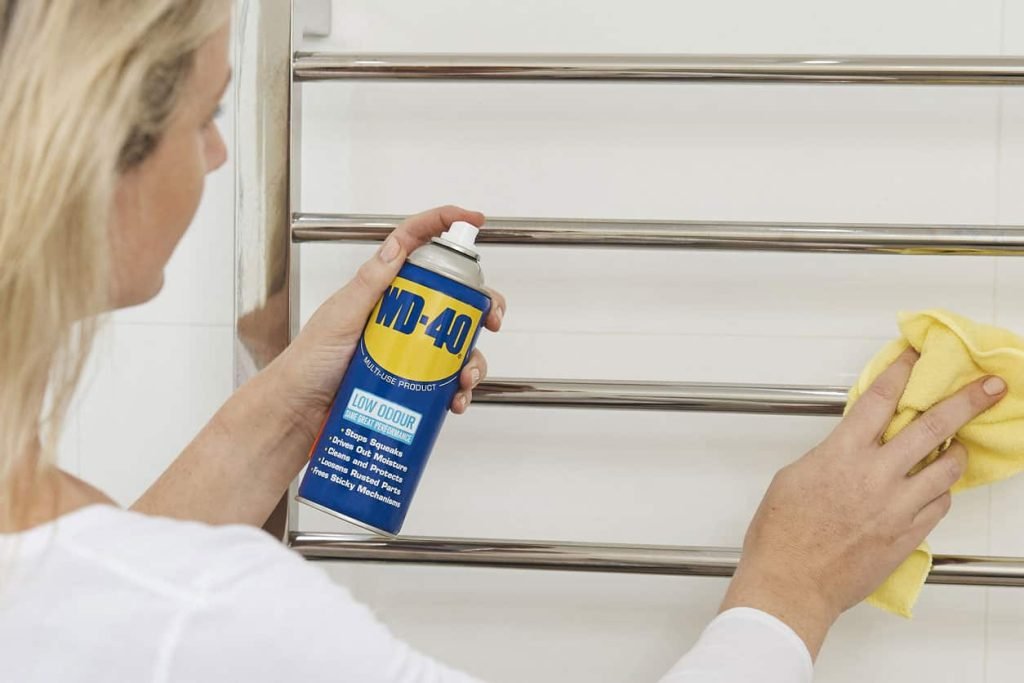
Rust on stainless steel can be a real eyesore, diminishing the sleek and shiny appearance you love. It’s frustrating when your favorite appliances or tools lose their luster.
You might even feel a little panicked, wondering if you can ever restore them to their former glory. Don’t worry, you’re not alone in this. Many people face the same challenge, and there’s good news: effective solutions are within your reach.
We’ll explore the best ways to remove rust from stainless steel, ensuring your items look as good as new. Imagine the satisfaction of seeing your stainless steel shine bright again. So, are you ready to discover these powerful rust-removal techniques? Let’s dive in and bring back that sparkle.
Common Causes Of Rust On Stainless Steel
Stainless steel is known for its resistance to rust and corrosion. But under certain conditions, it can still develop rust spots. Understanding the causes of rust can help in preventing it. Let’s explore some common reasons why stainless steel might rust.
1. Environmental Factors
Moisture in the air can lead to rust. Saltwater environments are particularly harsh. The chloride in saltwater accelerates corrosion. Areas with high humidity are also risky.
2. Contamination
Contact with iron or steel particles can cause rust. These particles can transfer during manufacturing or cleaning processes. Metal tools and cleaning pads can also introduce contaminants.
3. Lack of Maintenance
Neglecting regular cleaning can lead to rust. Dirt and grease can trap moisture. This creates an ideal environment for rust formation. Regular maintenance is crucial.
4. Improper Cleaning Methods
Some cleaners can damage stainless steel. Harsh chemicals and abrasive materials are harmful. They can scratch or weaken the protective layer. Always use recommended cleaning products.
5. Weld Decay
Welding can affect the stainless steel’s corrosion resistance. Heat from welding changes the metal’s structure. This makes it more susceptible to rust. Proper welding techniques can prevent this.
6. Exposure to Chemicals
Certain chemicals can corrode stainless steel. Acids and alkaline substances are particularly harmful. Even household cleaners can be a threat. Always check the chemical compatibility with stainless steel.
Understanding these causes can help maintain stainless steel’s shine. Preventive measures are key to avoiding rust. Regular care and correct practices ensure longevity.

Credit: www.rebaaus.com
Signs Of Rust Damage
Rust damage appears as reddish-brown spots and rough patches on stainless steel surfaces. These blemishes weaken the material. Removing rust effectively involves gentle scrubbing with a mixture of baking soda and water, ensuring the steel remains intact. Regular maintenance prevents further corrosion.
Rust on stainless steel can be a surprising issue, especially if you’re under the impression that stainless steel is immune to corrosion. However, certain conditions can lead to the appearance of rust. Recognizing the early signs of rust damage can save you time and effort in restoration.
Discoloration And Stains
The first sign of rust is often a change in color. You might notice orange or brown spots on your stainless steel surfaces. These stains can appear on kitchen appliances, outdoor furniture, or even tools. Have you ever glanced at your stainless steel fridge and noticed a dull, patchy area? That’s a telltale sign of rust, signaling that moisture and oxygen have breached the surface.
Pitting And Surface Roughness
Rust doesn’t just stain; it can also alter the texture. Run your fingers over the surface. Does it feel rough or bumpy? These small pits are where rust has eaten away at the metal. This damage is more than skin-deep; it compromises the integrity of the steel. I once had a stainless steel knife that developed tiny pits, making it less effective for precise cuts.
Structural Weakness
In severe cases, rust can lead to structural weakness. This is especially concerning for items like railings or kitchen equipment where safety is paramount. Imagine a rusted railing giving way under pressure. Such failures can lead to accidents and costly repairs. It’s crucial to address rust before it reaches this stage.
Peeling Or Bubbling Surface
Another indicator is a peeling or bubbling surface. This usually happens when rust forms beneath a painted or coated surface. Have you ever scraped off a bubble from a painted surface, only to find rust underneath? This is a sign that the protective layer has been breached, allowing rust to form.
Spreading Rust
Rust doesn’t stay in one spot. It tends to spread over time. You might notice new spots appearing over days or weeks. This is especially true in humid environments where moisture accelerates the rusting process. Have you noticed an area of rust growing larger despite your efforts to clean it? This could mean it’s time to take more serious measures. Recognizing these signs early can prevent extensive damage. Addressing rust promptly not only maintains the aesthetic appeal of your stainless steel items but also ensures their longevity and safety. What signs of rust have you noticed around your home, and how do you plan to tackle them?
Preparation For Rust Removal
Removing rust from stainless steel involves gentle cleaning methods. Use baking soda and water to make a paste. Apply this to the rusted areas and scrub gently with a soft brush. Rinse thoroughly and dry completely to prevent further rusting.
Preparation for Rust Removal Before diving into the actual process of rust removal from stainless steel, it’s crucial to set the stage right. Proper preparation not only ensures efficiency but also keeps you safe. This phase involves gathering the right tools and prioritizing safety. Taking a moment to prepare can mean the difference between a smooth experience and a frustrating one. Imagine starting the process only to realize you lack a critical tool or knowledge about safety measures. Let’s avoid that scenario and get you ready for a successful rust removal journey.
Safety Precautions
Your safety should always come first. Rust removal might seem straightforward, but it involves handling chemicals or tools that could be harmful. Ensure you wear protective gear such as gloves and safety glasses. This protects your skin and eyes from potential irritants. Make sure the area is well-ventilated. If you’re using a chemical rust remover, proper ventilation prevents inhalation of harmful fumes.
Gathering Necessary Tools
Having the right tools at hand can make your rust removal process seamless. You wouldn’t want to stop halfway because you lack a specific item. Start by collecting a few essentials. A soft cloth, a brush with soft bristles, and a mild detergent are basics that you can easily find at home. For tougher rust spots, you might need sandpaper or a commercial rust remover. Always check the product instructions to ensure compatibility with stainless steel. Do you have a small toolkit with a screwdriver or a scraper? These can come in handy for detailed work. Keep them within reach. By preparing adequately, you set yourself up for success. Have you ever started a task only to realize something was missing? It’s frustrating, right? Let’s ensure your rust removal experience is smooth and efficient.

Credit: www.zavenir.com
Natural Rust Removal Methods
Stainless steel is known for its durability. Yet, rust can still appear over time. Natural rust removal methods are effective and eco-friendly. They are also safe for your health. Let’s explore some simple techniques to remove rust naturally.
Using Baking Soda
Baking soda is a gentle abrasive. It helps remove rust without scratching. Create a paste with baking soda and water. Apply the paste to the rusted area. Let it sit for 15 minutes. Scrub gently with a soft brush. Rinse with water. Dry thoroughly to prevent more rust.
Vinegar Solutions
Vinegar is acidic and dissolves rust effectively. Soak a cloth in white vinegar. Place it on the rusted area. Leave it for a few hours. The rust will begin to dissolve. Rinse the area with water. Dry it well to avoid new rust.
Lemon And Salt
Lemon and salt are natural rust fighters. Sprinkle salt on the rusted spot. Squeeze lemon juice over the salt. Let the mixture sit for two hours. Scrub with a soft brush. Rinse with water and dry completely.
Chemical Rust Removal Solutions
Rust can be stubborn on stainless steel surfaces. Chemical rust removal solutions provide efficient methods to tackle this issue. These solutions work by dissolving rust, making the surface clean again. Let’s explore the most effective chemical methods available.
Commercial Rust Removers
Commercial rust removers are specifically designed for stainless steel. They contain active ingredients that target rust without damaging the metal. Brands vary in strength and application methods. Many come in spray or gel forms, ensuring easy use. Follow the instructions on the package for best results. Ensure safety measures are taken when using these products.
Using Oxalic Acid
Oxalic acid is a popular choice for rust removal. It reacts with rust, breaking it down into soluble compounds. This acid is found in many household cleaners. Apply it directly to rust spots, then scrub gently. Use gloves for protection, as oxalic acid can be harsh on skin. Rinse thoroughly after treatment to remove residues. This method can restore the shine of stainless steel effectively.

Credit: www.familyhandyman.com
Mechanical Rust Removal Techniques
Removing rust from stainless steel can be achieved with mechanical methods like sanding or using a wire brush. These techniques effectively remove rust without damaging the metal surface. Regular maintenance helps keep stainless steel free from rust.
Removing rust from stainless steel can seem daunting, but mechanical techniques offer practical solutions. These methods rely on physical tools to scrape away corrosion, providing a hands-on approach to restore your items. Whether you’re dealing with kitchen appliances or outdoor furniture, mechanical rust removal can be both effective and satisfying.
Sandpaper And Wire Brushes
Sandpaper is a versatile tool for rust removal. Choose a fine-grit option to gently rub away rust without scratching the stainless steel surface. Start with light pressure and gradually increase until the rust fades. Wire brushes offer another effective option. A handheld wire brush can help you reach tight spots and crevices. Use steady strokes to target rusty areas, ensuring you don’t press too hard to avoid damaging the steel.
Power Tools For Rust Removal
For larger rust spots, power tools can save you time and effort. A drill with a wire brush attachment can quickly eliminate rust. Ensure you’re using the right speed setting to prevent overheating and damaging the steel. Angle grinders are another powerful choice. They’re ideal for larger surfaces and stubborn rust. Remember to wear protective gear, as these tools can produce flying debris. Have you ever tried using power tools for rust removal? It might seem intimidating at first, but with practice, it can become an efficient part of your rust-busting arsenal.
Preventing Future Rust
Removing rust from stainless steel involves using gentle methods like baking soda paste or vinegar soak. Both options effectively dissolve rust without damaging the metal. Regular cleaning and drying prevent future rust formation, ensuring the stainless steel remains shiny and durable.
Preventing rust on stainless steel is key to maintaining its sleek appearance and longevity. While stainless steel is designed to resist corrosion, it’s not entirely immune to rust. Once you’ve successfully removed rust, it’s essential to adopt measures that prevent it from returning. This not only saves you time and effort but also ensures that your stainless steel items continue to look their best.
Regular Maintenance Tips
Regular maintenance is your first line of defense against rust. Start by keeping your stainless steel clean and dry. Moisture is a primary catalyst for rust, so wipe down surfaces after use, especially in humid environments. Make it a habit to inspect your items regularly for any signs of rust, addressing them promptly to prevent further spread. Use a mild detergent or a mixture of vinegar and water for routine cleaning.
This helps remove dirt and grime without damaging the steel. Avoid harsh chemicals and abrasive materials; they can scratch the surface, making it more prone to rust. Consider setting a regular schedule for cleaning your stainless steel items. Whether it’s once a week or bi-weekly, consistency is crucial. A little effort on a regular basis can significantly extend the life of your stainless steel.
Protective Coatings
Applying protective coatings is another effective strategy. These coatings act as a barrier between the steel and environmental factors that cause rust. Many options are available, from specialized stainless steel cleaners that leave a protective film to clear coatings designed specifically for metal. For instance, products like car wax or furniture polish can be used on stainless steel. Simply apply a thin layer, let it dry, and buff it with a soft cloth.
This not only enhances the shine but also provides a protective layer against moisture and air exposure. Experiment with different products to find what works best for your specific needs. Always test a small area first to ensure compatibility. This proactive approach can save you from the hassle of frequent rust removal and keep your stainless steel looking pristine.
Reflecting on these strategies, have you considered the potential savings in time and resources by maintaining your stainless steel properly? Investing a little effort now can help avoid bigger problems down the road.
Expert Recommendations
Rust on stainless steel can be frustrating. Experts have shared valuable tips. These help in removing rust efficiently. Following expert advice ensures the metal remains durable and shiny. Knowing the right methods and avoiding mistakes is crucial.
Choosing The Right Method
Experts suggest several rust removal methods. Each has its own benefits. Vinegar is a popular choice. It’s natural and effective. Baking soda is another option. It’s gentle on steel surfaces. Commercial rust removers work well too. They are designed for stainless steel. Selecting the right method depends on rust severity. For light rust, natural solutions are ideal. For stubborn rust, commercial products might be necessary.
Avoiding Common Mistakes
Many make mistakes during rust removal. These can damage the steel. Using abrasive materials is a common error. It scratches the surface. Applying too much pressure is another mistake. This can deform the metal. Not rinsing properly leads to residue. This residue can cause more rust. Always follow instructions carefully. Test on a small area first. Ensure the product suits stainless steel.
Frequently Asked Questions
What Takes Rust Off Stainless Steel?
Use baking soda paste or vinegar to remove rust from stainless steel. Scrub gently with a soft brush. Rinse thoroughly with water and dry immediately. Regular maintenance helps prevent rust formation on stainless steel surfaces.
Does Wd-40 Remove Rust From Stainless?
Yes, WD-40 can remove rust from stainless steel. Spray it on the rusted area and scrub gently. Use a clean cloth to wipe it off. Ensure proper ventilation while using WD-40. Regular maintenance helps prevent future rust. Always test on a small area first.
What Is The Best Homemade Rust Remover?
Mix white vinegar and baking soda to create an effective homemade rust remover. Apply the paste directly on rust. Let it sit for a few hours, then scrub it off with a brush. Rinse the area with water and dry thoroughly for best results.
Does Hydrogen Peroxide Remove Rust From Stainless Steel?
Hydrogen peroxide can help remove rust from stainless steel. Apply it to the rusted area and scrub gently. This method is effective for small rust spots. Always test on a hidden area first to ensure no damage occurs. Regular maintenance can prevent rust from forming on stainless steel surfaces.
Conclusion
Removing rust from stainless steel doesn’t have to be difficult. Simple methods work best. Use baking soda or vinegar for easy cleaning. Both are affordable and effective. Regular maintenance helps prevent rust. Wipe surfaces after use. Keep stainless steel dry and clean.
Avoid using harsh chemicals. They can damage the steel. Rust removal keeps your items looking new. Protect your investment with care. Follow these tips for clean, rust-free steel. Your stainless steel will last longer. Enjoy its shine and durability. Keep it rust-free with these simple steps.
Effortless maintenance is key.
