
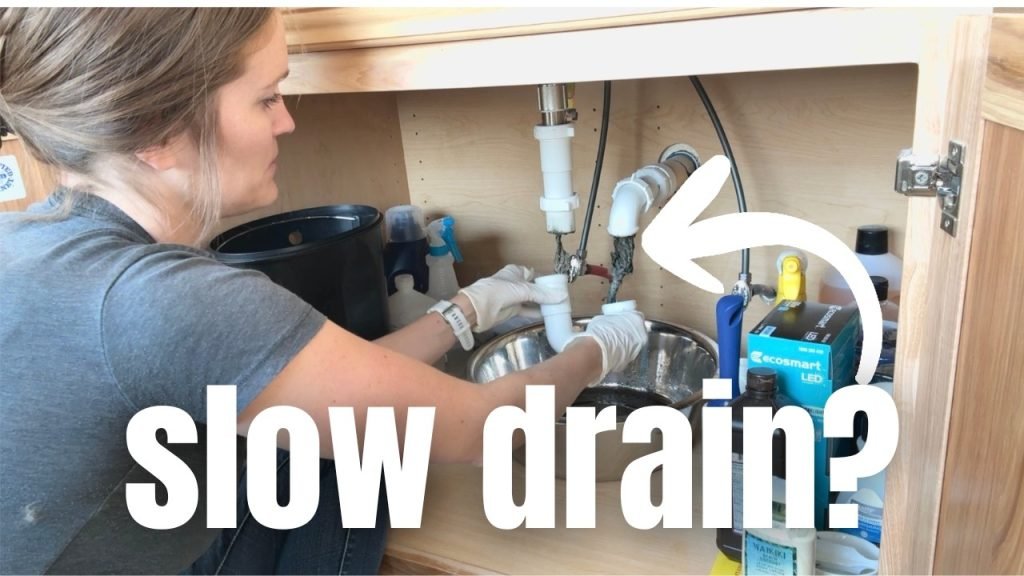
Is your kitchen sink draining slowly or completely clogged? You’re not alone, and the good news is, you don’t have to call a plumber just yet.
Knowing the best way to unclog your kitchen sink drain can save you time, money, and a lot of frustration. You’ll discover simple, effective methods that anyone can do at home. Keep reading, and by the end, you’ll feel confident tackling that stubborn clog yourself—fast and hassle-free.
Common Causes Of Clogged Kitchen Drains
Clogged kitchen drains can bring your daily routine to a grinding halt. Knowing what causes these blockages helps you prevent them and fix issues faster. Let’s look at some common culprits behind those slow or stopped-up drains.
Food Residue Build-up
Bits of food often get washed down the drain, especially small scraps from plates or pots. Over time, these leftovers stick to the pipes and create a thick layer. You might not notice until the water starts draining slower or smells foul.
Think about that time you rinsed pasta or vegetables without a strainer—those tiny pieces can add up quickly. Clearing your drain regularly and avoiding sending large food scraps down can save you from messy clogs.
Grease Accumulation
Grease and oil are sneaky clog makers because they look liquid when hot but solidify as they cool. Pouring cooking oil or bacon fat down the drain is a common mistake that leads to hardened blockages. This sticky buildup narrows the pipes and traps other debris.
Have you ever noticed your sink draining slowly after cooking a greasy meal? That’s grease hardening inside your pipes. To prevent this, never pour hot grease into the sink—let it cool and dispose of it in the trash instead.
Foreign Objects
Sometimes, items like utensils, small toys, or even bits of packaging accidentally fall into the sink. These objects can get stuck in the drain or trap food and grease around them. Over time, they create a stubborn clog.
It’s easy to overlook how something as simple as a lost earring or a piece of plastic wrapper can cause a big problem. Check your sink area carefully and use a drain strainer to catch unexpected debris before it causes trouble.
Essential Tools For Unclogging Drains
Having the right tools can make unclogging your kitchen sink drain much easier and faster. Knowing which tool to use in different situations saves you time and frustration. Let’s look at the essential tools that every kitchen needs for tackling drain clogs effectively.
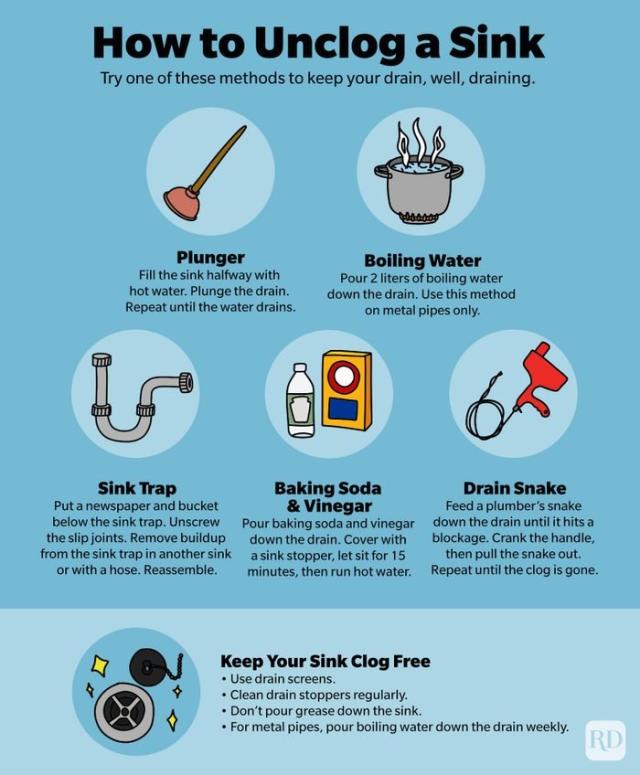
Plunger
The plunger is the most common tool for clearing simple clogs. It works by creating pressure to dislodge blockages near the drain opening. If you’ve ever dealt with a slow-draining sink, you know how satisfying it is to hear that clog break free with just a few pushes.
Using a plunger is straightforward, but it’s important to have a good seal around the drain to get the best results. Make sure your sink has enough water to cover the plunger cup before you start. Have you tried plunging your sink drain yet? It might just be the quick fix you need.
Drain Snake
A drain snake, also called a plumber’s auger, is perfect for tougher clogs deeper in the pipes. Unlike a plunger, it physically breaks up or pulls out the clog with a long, flexible coil. This tool can reach places your hand or plunger can’t, making it invaluable for stubborn blockages.
Using a drain snake requires a bit more effort and care, but it can save you from calling a plumber. You can even find manual or electric versions depending on how often you expect to use it. Have you noticed your plunger isn’t enough? A drain snake might be your next best tool.
Chemical Drain Cleaners
Chemical drain cleaners can dissolve clogs quickly by breaking down grease, hair, and other debris. They are easy to use: just pour the recommended amount down the drain and wait. However, they should be used cautiously since harsh chemicals can damage pipes or harm the environment.
Some natural alternatives use enzymes or bacteria to clear drains gently and safely over time. Before reaching for chemicals, consider if your clog might be better handled mechanically. What if a safer, less harsh solution could clear your drain just as well?
Natural Solutions For Drain Cleaning
Natural solutions for drain cleaning offer a safe and eco-friendly way to clear clogs. These methods use common household ingredients that are gentle on pipes and the environment. They help remove buildup without harsh chemicals. Using natural ingredients also reduces bad odors and maintains a fresh kitchen sink.
Baking Soda And Vinegar
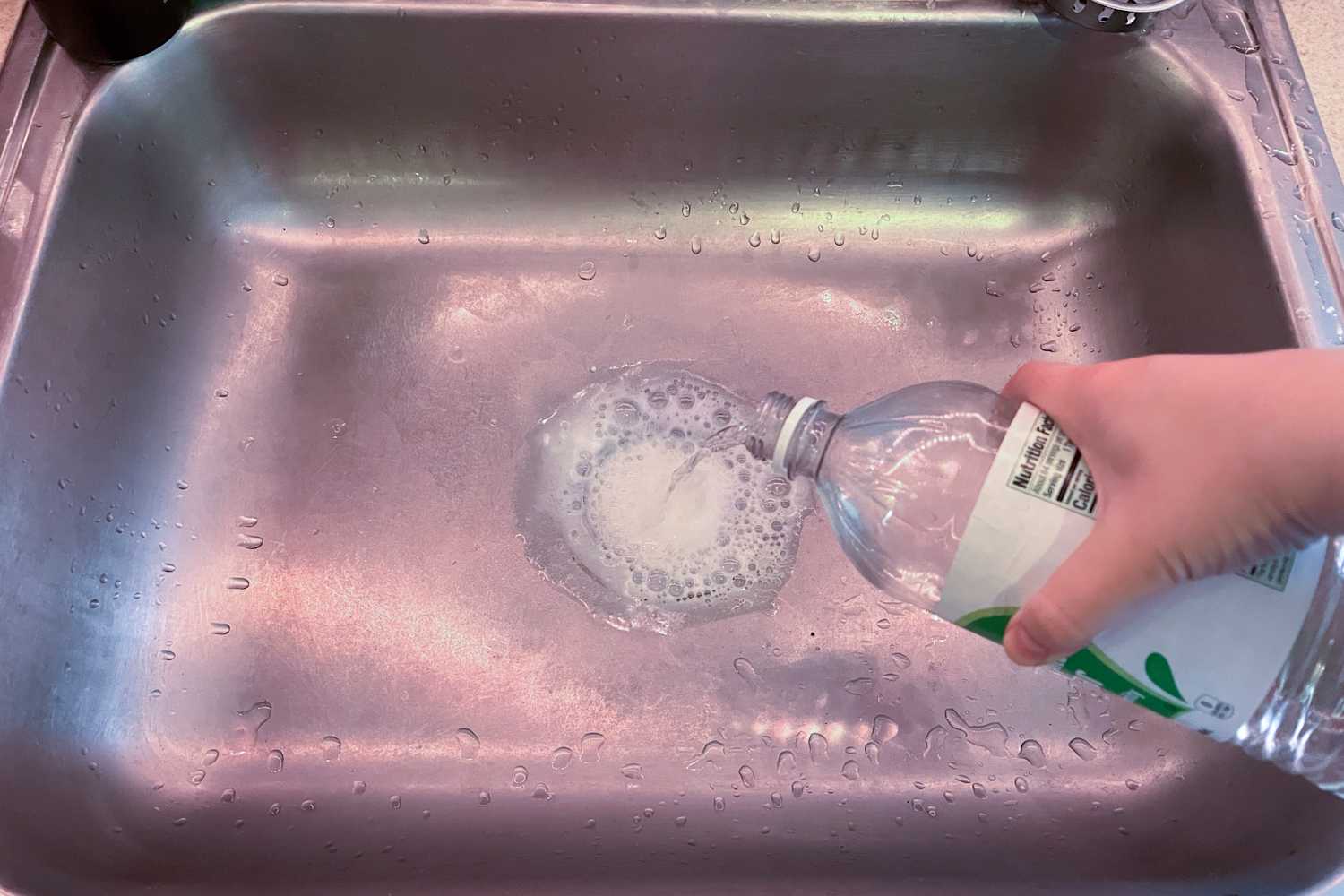
Baking soda and vinegar create a fizzy reaction that helps break down grime. Start by pouring half a cup of baking soda into the drain. Follow with half a cup of white vinegar. Let the mixture sit for 15 to 30 minutes to work on the clog. Flush the drain with hot water to clear loosened debris. This method is effective for mild to moderate blockages.
Salt And Boiling Water
Salt and boiling water can dissolve grease and soap scum in pipes. Pour half a cup of salt down the drain. Boil about four cups of water while adding the salt. Slowly pour the boiling water into the drain in stages. The hot water melts buildup, and salt scrubs the pipe walls. This simple solution helps maintain smooth drainage regularly.
Credit: www.aol.com
Step-by-step Guide To Unclogging A Drain
Clogged kitchen sinks slow down your daily routine and create frustration. Tackling the problem yourself saves time and money compared to calling a plumber. This guide walks you through practical steps to clear your drain safely and effectively.
Preparation And Safety
Before you start, clear the area under your sink to avoid any mess. Wear rubber gloves to protect your hands from grime and bacteria. Keep a bucket handy to catch any water or debris that may spill.
Turn off the water supply to prevent accidental flooding. Remove any standing water from the sink with a cup or small container. These simple preparations help you work efficiently and stay safe.
Using A Plunger Effectively
Choose a cup plunger, not a flange plunger used for toilets. Place it over the drain, ensuring a tight seal around the hole. Push down firmly, then pull up sharply without breaking the seal.
Repeat this plunging motion about 10 to 15 times. You’ll feel resistance break as the clog loosens. If water starts draining, run hot water to flush away remaining debris.
Struggling to create a seal? Try adding a little water to the sink to help the plunger grip better. Have you noticed how a good seal makes plunging more powerful?
Employing A Drain Snake
If plunging doesn’t work, a drain snake can reach deeper clogs. Insert the snake’s end into the drain and turn the handle clockwise. Keep feeding the snake until you feel resistance.
Once you reach the clog, rotate the snake to break it up or hook it. Slowly pull the snake out, bringing debris with it. Clean the removed material and flush the drain with hot water.
Using a snake requires patience but often solves tough blockages. Have you tried this tool before? It’s a game-changer for stubborn clogs hiding far down the pipe.
Preventative Measures To Avoid Future Clogs
Preventing kitchen sink clogs saves you time, money, and hassle. Small habits can stop buildup before it becomes a problem. Let’s look at simple, practical ways you can keep your drain flowing smoothly for good.
Regular Maintenance Tips
Routine care keeps your drain healthy and clog-free. Try flushing the drain weekly with hot water to dissolve grease and soap scum. This simple act can stop sticky residues from forming inside the pipes.
Another trick is to use a natural cleaner like baking soda and vinegar once a month. Pour half a cup of baking soda down the drain, followed by half a cup of vinegar. Let it fizz for 10-15 minutes, then rinse with hot water.
Have you ever waited too long and faced a stubborn clog? Regularly checking and cleaning the sink trap can prevent surprises. Just unscrew the trap under the sink and clear any debris you find.
Proper Disposal Practices
Your disposal habits directly affect how well your drain works. Avoid pouring grease, oils, or coffee grounds down the sink—they stick to pipes and cause blockages. Instead, collect grease in a container and throw it in the trash.
Scrape food scraps into the trash or compost bin before rinsing dishes. Even small bits can accumulate and slow drainage over time. Think about what you’re washing down the drain with every meal prep.
Are you using your garbage disposal correctly? Only soft food waste should go in. Hard items like bones, fibrous vegetables, or eggshells damage the blades and clog pipes. Use a strainer to catch solid particles and keep your sink clear.
Credit: www.thekitchn.com
When To Call A Professional
Knowing when to call a professional plumber can save time and prevent damage. Some drain issues need expert tools and skills beyond home solutions. Recognizing these signs helps avoid bigger problems in your kitchen sink.
Signs Of Severe Blockage
- Water drains very slowly or not at all
- Unpleasant odors coming from the drain
- Water backs up into the sink when draining
- Gurgling sounds from the pipes
- Multiple drains in the home are clogged
- Repeated clogs despite cleaning efforts
- Visible damage or leaks under the sink
Benefits Of Expert Assistance
Professionals have tools to reach deep blockages quickly. They can diagnose the root cause and fix it properly. This prevents future clogs and protects your plumbing system. Experts also ensure safe use of chemicals and equipment. Hiring a plumber saves effort and gives peace of mind.

Credit: www.drano.com
Frequently Asked Questions
How Do I Quickly Unclog My Kitchen Sink Drain?
Pour boiling water down the drain to dissolve grease. Use a plunger to dislodge debris. For tough clogs, try a baking soda and vinegar mix followed by hot water.
What Natural Remedies Unclog Kitchen Sink Drains?
Mix half a cup of baking soda with half a cup of vinegar. Pour it down the drain and wait 15 minutes. Flush with boiling water to clear minor clogs naturally and safely.
Can Chemical Drain Cleaners Damage Kitchen Pipes?
Yes, harsh chemical cleaners can corrode pipes over time. They may harm septic systems and the environment. Use natural methods or mechanical tools like plungers or drain snakes instead.
When Should I Call A Plumber For A Clogged Sink?
Call a plumber if your sink remains clogged after home treatments. Persistent slow drainage, bad smells, or water backup indicate serious issues needing professional help.
Conclusion
Clogged kitchen sinks cause big problems fast. Simple tools and steps can clear most blockages. Try natural cleaners before harsh chemicals. Regular drain care helps avoid future clogs. Stay patient and work carefully for best results. Small fixes save time and money later.
Keep your kitchen sink flowing smoothly every day.

Hi, I’m Daniel Harper, a senior editor here at KitchenBucks.com. For over 10 years, I’ve been exploring kitchen gadgets and appliances to help people find tools that truly add value without breaking the bank. I love simplifying product choices so you can focus more on cooking and less on worrying about what to buy. When I’m not reviewing the latest gadgets, you’ll usually find me experimenting with coffee brewing or firing up the grill for a weekend barbecue.