
Imagine transforming your everyday cooking into a seamless, enjoyable experience. You don’t need a kitchen overhaul or fancy gadgets, just the right tool—stainless steel pans.
But here’s the secret: it’s not just about owning them, it’s about using them correctly. Mastering the art of cooking with stainless steel can elevate your meals from good to gourmet. It can make your time in the kitchen more efficient and rewarding.
Curious about how to get the best out of your pans? You’re in the right place. Dive into this guide to uncover tips and tricks that will revolutionize your cooking. Whether you’re a seasoned chef or a home cook, you’ll discover insights that will make your stainless steel pans your favorite kitchen companions. Ready to unlock their full potential? Let’s get started.

Credit: madeincookware.com
Choosing The Right Stainless Steel Pan
Choosing the right stainless steel pan can transform your cooking experience. Stainless steel pans offer durability and versatility, but selecting the perfect one is crucial. Consider factors like the type of stainless steel, the thickness and weight of the pan, and the design of handles and lids. Each of these elements plays a role in how well the pan performs.
Types Of Stainless Steel
Stainless steel pans come in various types. The most common is 18/10 stainless steel. This type contains 18% chromium and 10% nickel. The chromium provides corrosion resistance. Nickel adds shine and durability. Some pans use 18/8 stainless steel. It has less nickel but is still effective. Knowing the type helps in making an informed choice.
Pan Thickness And Weight
Pan thickness impacts heat distribution. Thicker pans distribute heat evenly. This prevents hot spots. Thin pans heat up quickly but can cause uneven cooking. Weight also matters. Heavier pans are usually thicker and sturdier. They may be harder to handle, though. Choose a pan that balances thickness with manageable weight.
Handles And Lids
Handles should be comfortable and sturdy. Some pans have riveted handles for extra security. Check if the handle stays cool during cooking. Lids are equally important. A good lid traps heat and moisture. This helps in cooking food evenly. Glass lids allow you to watch your food as it cooks. Choose handles and lids that enhance your cooking style.
Credit: www.youtube.com
Preparing Your Pan
Stainless steel pans work best with preheating. Use medium heat to avoid sticking. Add oil before food.
Preparing your stainless steel pan properly can make a significant difference in your cooking experience. It’s like laying the foundation for a delicious meal. If you prepare your pan well, it can improve how your food cooks and tastes. Here’s how you can get started on the right foot:Cleaning Before First Use
Before you use your stainless steel pan, give it a good wash. Even though it looks shiny and new, it might have some residues from manufacturing or packaging. Use warm, soapy water and a soft sponge to clean it. Rinse it thoroughly under warm water, ensuring no soap remains. This step ensures that your food starts with a clean surface, enhancing flavors without any unwanted surprises. Have you ever cooked a meal, only to find it tastes off due to residue? Avoid that with a simple clean.Seasoning Your Pan
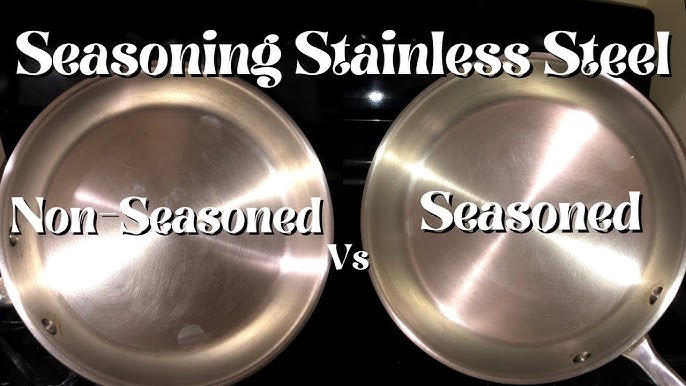
While seasoning isn’t as crucial for stainless steel as it is for cast iron, it can still be beneficial. Add a small amount of oil, like olive or vegetable oil, to your pan. Spread it evenly across the surface. Heat the pan on medium heat until the oil just starts to smoke, then remove it from heat. This process helps create a smoother surface that can improve cooking and clean-up. Have you tried cooking eggs on a seasoned pan? You might be surprised at how easily they slide off!Preheating Techniques
Preheating your pan is a step you shouldn’t skip. It ensures even cooking and helps prevent food from sticking. Place your pan on the stove and let it heat up for a few minutes before adding oil or food. A simple trick to check if your pan is ready: sprinkle a few drops of water on the surface. If the water forms small beads that dance around, your pan is at the right temperature. It’s a small step but makes a big impact on how your food cooks. Using these techniques can change your cooking game. Are you ready to see how a well-prepared pan can elevate your culinary creations?Cooking Techniques
Stainless steel pans are perfect for browning and searing. Heat them well before adding food to prevent sticking. Use medium to high heat for best results, ensuring even cooking and rich flavors.
Cooking Techniques Cooking with stainless steel pans can be a rewarding experience, offering both durability and even heat distribution. But mastering the art requires understanding specific techniques. Let’s dive into how controlling heat levels, preventing food from sticking, and using oil and fat correctly can make all the difference in your cooking journey.Controlling Heat Levels
Stainless steel pans excel at distributing heat evenly, but they can be tricky with temperature control. You might notice that food can burn quickly if the heat is too high. Start by preheating your pan on medium heat. Test the heat by adding a few drops of water. If they sizzle and evaporate immediately, you’re good to go. Adjust the temperature as needed during cooking. This ensures food cooks evenly without burning. Have you ever tried this method?Preventing Food Sticking
Sticking is a common issue with stainless steel pans. It’s frustrating to scrape off stuck bits instead of enjoying a perfect dish. Make sure your pan is hot enough before adding food. A hot pan helps create a natural barrier, preventing sticking. Consider using a small amount of oil or butter. It forms a layer between the pan and food, reducing the chance of sticking. Have you experienced less sticking with this technique?Using Oil And Fat Correctly
The right amount of oil or fat is crucial in stainless steel cooking. Too little can lead to sticking, while too much can make your meal greasy. Opt for oils with a high smoke point like avocado or canola oil. They withstand higher temperatures without burning. For healthier dishes, try using spray oils to lightly coat the pan. This method gives you control over the amount used. What’s your favorite oil for cooking? Implementing these techniques can transform your cooking with stainless steel pans. Enjoy the process and the delicious results!Maintaining Your Pan
Stainless steel pans offer durability and versatility in the kitchen. For optimal performance, preheat the pan before adding ingredients. Maintain cleanliness by avoiding harsh abrasives; use mild detergent and warm water instead.
Maintaining Your Pan Stainless steel pans are an essential tool in any kitchen, known for their durability and sleek appearance. However, to keep them in top-notch condition, they require proper care. You might wonder, are you truly giving your stainless steel pans the care they deserve?Proper Cleaning Methods
The key to maintaining your stainless steel pan starts with cleaning it correctly. Allow the pan to cool before immersing it in water to avoid warping. Use a soft sponge with mild dish soap to remove food residues, ensuring you rinse thoroughly to avoid soap marks. For stuck-on food, fill the pan with water and bring it to a simmer on the stove. This loosens the debris, making it easier to wipe away. Avoid abrasive cleaners that can scratch the surface, diminishing the pan’s shine.Avoiding Common Mistakes
One common mistake is overheating your pan, which can cause discoloration. Always use medium heat unless searing. Have you ever noticed a rainbow tint on your pan? This is a result of overheating, but don’t worry, it can be removed with vinegar. Avoid using metal utensils, as they can scratch the surface, opting instead for wooden or silicone tools. Are you guilty of using the dishwasher for your stainless steel pans? While tempting, it’s best to hand wash to prolong their lifespan.Storing Your Pan Safely
Proper storage is essential to prevent damage. Stack your pans carefully, placing a soft cloth or paper towel between them to avoid scratches. Do you have limited kitchen space? Consider hanging your pans, which not only saves space but also adds a decorative element to your kitchen. Ensure pans are thoroughly dry before storing to prevent water spots or rusting. By dedicating a little time to storing your pans properly, you ensure they remain a staple in your kitchen for years to come.Advanced Tips From Experts
Stainless steel pans are a staple in kitchens for their durability and versatility. However, even seasoned cooks might not be using them to their full potential. You might wonder, what’s the secret behind achieving restaurant-quality dishes with these pans? Here, we delve into advanced tips from experts to elevate your cooking skills.
Searing And Browning Tricks
To get that perfect sear, start with a hot pan. Preheat your stainless steel pan for a few minutes before adding oil. This ensures your food doesn’t stick and creates a beautiful golden crust.
Use a little oil or fat to help with browning. A thin layer is enough to create a barrier between the pan and your food. I learned this trick while watching a chef transform a simple steak into a masterpiece. Patience is key; resist the urge to flip too soon.
Sauce Making In Stainless Steel
Stainless steel pans excel in sauce-making due to their even heat distribution. Start by sautéing your aromatics like garlic and onions until fragrant. Add your liquid ingredients and let them simmer.
Using a whisk is crucial to prevent lumps and ensure smoothness. I once attempted a béchamel and learned that constant stirring makes all the difference. Don’t hesitate to taste and adjust seasoning as you go.
Achieving Perfect Deglazing
Deglazing is the secret to rich, flavorful sauces. After browning your meat, remove it and use a splash of wine or broth to lift those tasty bits from the pan.
Stainless steel’s surface allows you to scrape without damaging the pan. Have you ever wondered why sauces at your favorite restaurant have that depth of flavor? It’s all in those caramelized bits. Use a wooden spoon to gently loosen them.
Are you ready to unlock the full potential of your stainless steel pans? Try these expert tips and watch your cooking transform from everyday to extraordinary. Remember, it’s about mastering the small details that make a big impact.
:max_bytes(150000):strip_icc()/Allrecipes-Stainless-Steel-Skillet-4x3-c0dd0df19ae5491a89a1eb747b3800e8.jpg)
Credit: www.allrecipes.com
Frequently Asked Questions
How Do I Keep Food From Sticking To My Stainless Steel Pans?
Preheat the pan before adding oil. Ensure the oil is hot before adding food. Use enough oil. Avoid overcrowding the pan. Clean and dry pans thoroughly after use.
What Is The Best Way To Cook On Stainless Steel Pans?
Preheat the stainless steel pan for even cooking. Add oil to prevent sticking. Cook on medium heat to avoid burning. Use a spatula to flip food gently. Clean with hot water and mild detergent to maintain quality.
What Is The Rule For Stainless Steel Pans?
Use medium heat for cooking. Preheat the pan before adding food. Avoid metal utensils to prevent scratches. Clean with mild soap and water. Dry thoroughly to prevent water spots.
Do And Don’ts Stainless Steel Pan?
Use medium heat to prevent sticking and warping. Preheat the pan before adding oil or food. Avoid metal utensils to prevent scratches. Clean with mild soap and a soft sponge. Never use abrasive cleaners or steel wool. Store in a dry place to prevent rust.
Conclusion
Stainless steel pans are versatile and durable. They enhance cooking experiences. Preheat your pan for even cooking. Use oil to prevent sticking. Clean them with gentle soap and warm water. Avoid harsh scrubbing to protect the surface. Dry thoroughly to prevent water spots.
Store them properly to maintain their shine. Practice makes perfect with these pans. Experiment with recipes. Enjoy meals cooked with quality. Stainless steel offers reliability in the kitchen. It serves you well. Elevate your cooking with these tips. Cook with confidence.
Embrace the joy of cooking. Happy cooking!
