
You’ve just cooked a delicious meal in your trusty cast iron skillet, and now it’s time to face the challenge of cleaning it. If you’ve ever wondered about the best way to wash a cast iron skillet without damaging it, you’re in the right place.
Your cast iron skillet is more than just a cooking tool; it’s an investment in flavor and quality. But improper cleaning can lead to rust, loss of seasoning, and even a ruined pan. Imagine the frustration of seeing your favorite skillet fall apart.
Don’t worry – you’re about to discover simple, effective techniques to keep your skillet in top shape, ensuring it lasts for generations. Get ready to transform your skillet care routine and unlock a lifetime of perfectly cooked meals!
Importance Of Cast Iron Care
Taking care of your cast iron skillet is crucial to its longevity and performance. This kitchen essential can last for generations with proper maintenance. A well-cared-for skillet is not just a tool; it’s a culinary companion that enhances flavor and cooking precision.
When you neglect your cast iron, you risk rust and diminished quality. Remember, it’s more than just a pan—it’s a piece of history in your hands.
Understanding Seasoning
Seasoning is the heart of cast iron care. It’s a thin layer of oil baked into the skillet’s surface, creating a natural non-stick coating. Without proper seasoning, your skillet may stick or rust.
Consider seasoning your skillet regularly. Use oils like vegetable or flaxseed for the best results. Let the skillet cool completely before storing it to maintain its seasoning.
Avoiding Soap
Soap can strip the seasoning off your cast iron skillet. Instead, use warm water and a gentle scrub. If you must use soap, opt for a mild variety and rinse thoroughly.
Have you ever noticed food sticking to your skillet after washing it with soap? That’s the seasoning crying for help. Protect it by sticking to water and a good scrub.
Drying Thoroughly
Leaving your skillet damp is an invitation for rust. After washing, dry it immediately with a towel. You can also heat it on the stove to ensure complete dryness.
Think of drying as the finishing touch in your cleaning routine. It’s quick but essential. Have you ever left your skillet to air dry, only to find rust spots later?
Regular Maintenance
Regular maintenance is key to a lasting relationship with your cast iron skillet. A quick seasoning after each use can make all the difference. Apply a light coat of oil and heat it up briefly.
Do you see your skillet as a family heirloom? Treat it with respect and dedication. Each care step you take ensures it remains a reliable kitchen partner.
Your cast iron skillet is more than just cookware; it’s an investment in your culinary future. How are you going to care for it today?

Credit: www.youtube.com
Initial Cleaning Steps
Cleaning a cast iron skillet starts with essential initial steps. These steps ensure the skillet remains in top condition. Proper cleaning extends the skillet’s life and enhances its cooking performance.
Removing Food Residue
First, remove all food residue from the skillet. Use a spatula or scraper for this task. Scrape gently to avoid damaging the skillet’s surface. Most food bits will come off easily with this method.
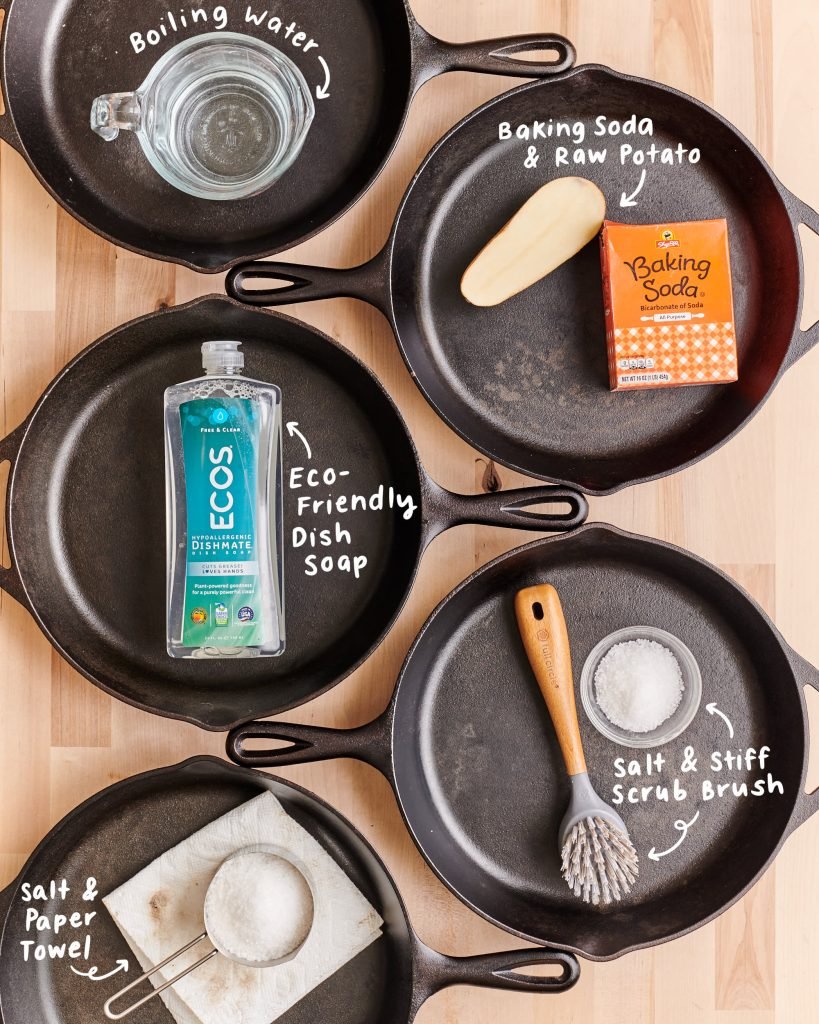
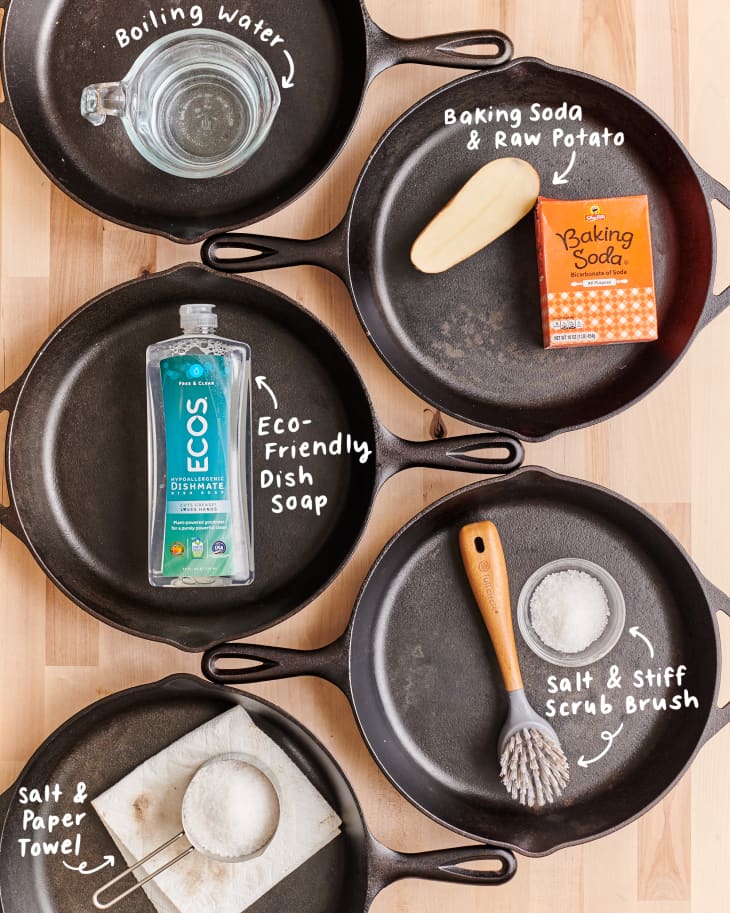
If stubborn bits remain, add some kosher salt. Rub the salt with a paper towel to lift stuck-on food. This method is effective and gentle on the skillet’s surface.
Using Warm Water
After removing food residue, rinse the skillet with warm water. Use a soft sponge or cloth for this step. Avoid using soap as it can strip the skillet’s seasoning.
Rinse thoroughly to ensure all food and salt are washed away. This prevents any unwanted taste in future meals. Dry the skillet immediately to avoid rust formation.
Avoiding Dish Soap And Detergents
Cast iron skillets require gentle care to maintain their seasoning and longevity. Avoid dish soap and detergents, as they strip essential oils. Use hot water, a soft brush, and a cloth to clean while preserving the skillet’s non-stick surface.
Washing your cast iron skillet can be a delicate task, especially if you’re aiming to maintain its seasoned surface. Avoiding dish soap and detergents is key to preserving that beautiful, non-stick layer that makes cooking a breeze. Soap can strip away the seasoning, which is the layer of polymerized oil that builds up on the skillet over time, creating a natural, non-stick coating. You might be asking, “Isn’t soap necessary for cleaning?” Let’s explore why it’s best to keep it away from your cast iron.Impact On Seasoning
Using dish soap or detergents on your cast iron skillet can remove the precious seasoning. This seasoning is not just a protective layer; it enhances the flavor of your dishes. Stripping it away can lead to a sticky surface and even rust over time. Have you ever had food stick to the pan despite using oil? That might be because the seasoning was compromised. Preserving this layer ensures your skillet remains a reliable cooking companion.Alternative Cleaning Methods
So, how do you clean your skillet without soap? One effective method is using hot water and a stiff brush. After cooking, allow the skillet to cool slightly, then scrub it under hot water to remove food particles. For stubborn bits, a sprinkle of coarse salt can act as a gentle abrasive. Use a paper towel or a cloth to scrub the surface, then rinse with warm water. If you worry about lingering odors, heat the skillet on the stove for a few minutes to evaporate any moisture. Finish off by applying a thin layer of oil to maintain that perfect seasoning. Have you tried these methods before? They might sound unconventional, but they’ve stood the test of time. Are you ready to put away the soap and embrace these alternative cleaning methods? Your cast iron skillet—and your future meals—will thank you.Using Salt For Stubborn Stains
Cleaning a cast iron skillet can be tricky. Especially with stubborn stains. One effective way is using salt. Salt acts as a natural abrasive. It helps scrub away tough spots without damaging the skillet. This method keeps your skillet clean and maintains its seasoning. Let’s explore how to use salt effectively.
Scrubbing Techniques
First, sprinkle coarse salt over the skillet. Use a generous amount. Coarse salt works best for scrubbing. Next, take a soft sponge or a cloth. Gently scrub the skillet with the salt. Focus on areas with tough stains. Circular motions work well. Avoid using metal scrubbers. They can scratch the skillet’s surface. Keep scrubbing until the stains disappear.
Rinsing Process
After scrubbing, rinse the skillet with warm water. Make sure all salt is washed away. You don’t want any residue left. Use a clean cloth to dry the skillet. Ensure it’s completely dry. Moisture can cause rust. Finally, apply a thin layer of oil. This helps maintain the skillet’s seasoning. Store it in a dry place. Now, your cast iron skillet is clean and ready for use.
Drying The Skillet Properly
Drying your cast iron skillet properly is a crucial step in maintaining its quality and longevity. Often, people overlook this step, leading to rust and damage over time. Imagine spending hours perfecting that seasoning only to have it compromised because of improper drying. It’s a simple task, yet it requires attention to detail to ensure your skillet remains in top shape. Let’s dive into the best practices for drying your cast iron skillet.
Towel Drying
Start by using a clean towel to dry the skillet immediately after washing. The key here is immediacy; any delay can lead to moisture settling and causing rust. You might have heard stories of family heirloom skillets ruined due to negligence in this step. Don’t let yours become one of them.
Ensure you reach all nooks and crannies, including the handle and edges. Sometimes, a quick towel dry is all you need, but there are instances where water hides in hard-to-reach places. Have you ever noticed a small rust spot out of nowhere? That’s likely from missing a spot during the drying process.
Using Heat For Moisture Removal
After towel drying, place your skillet on the stove over low heat. This step ensures any remaining moisture evaporates completely. It’s a simple technique that adds an extra layer of protection against rust. Think of it as a safety net for your skillet’s surface.
Keep the skillet on the stove until it’s entirely dry, usually a few minutes. You’ll notice the comforting warmth spreading through the kitchen, a subtle reminder that you’re preserving a piece of culinary heritage. Do you feel that satisfaction knowing you’ve done right by your skillet?
Proper drying is not just a task; it’s an act of preservation. Your skillet is more than just a cooking tool; it’s a partner in crafting delicious meals. Treat it with care, and it will reward you with years of service.
Credit: abeautifulmess.com
Maintaining The Seasoning
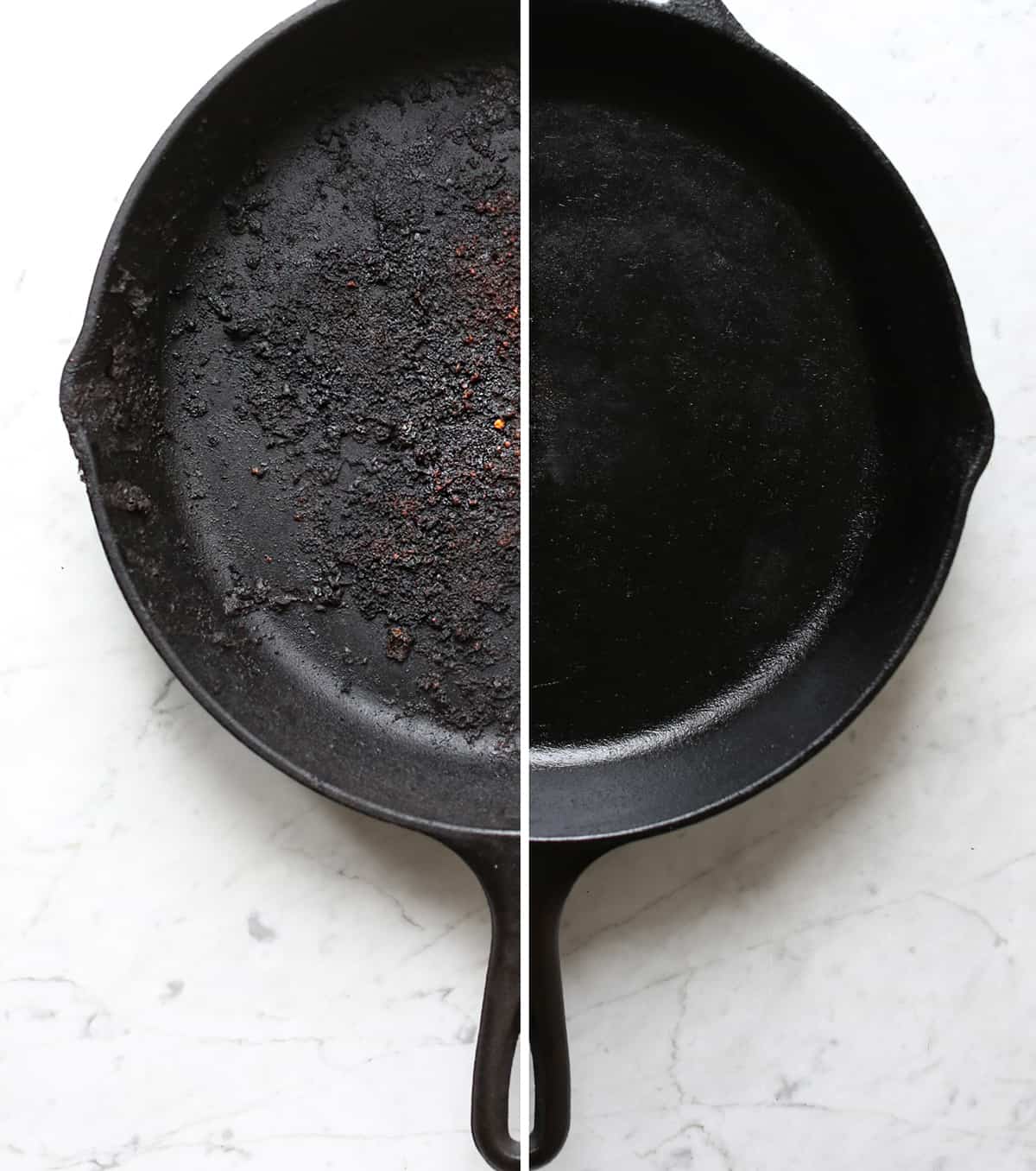
Properly washing a cast iron skillet preserves its seasoning and enhances longevity. Avoid soap to maintain its natural non-stick surface; instead, use hot water and a gentle scrub. Dry immediately to prevent rust and keep it in top condition.
Maintaining the seasoning on your cast iron skillet is crucial. It protects the skillet and enhances your cooking. Seasoning forms a natural, non-stick surface. This helps in cooking without food sticking. Proper care keeps the skillet in top shape.Applying Oil After Cleaning
Always dry your skillet thoroughly after washing. Moisture can lead to rust. Once dry, apply a thin layer of oil. Use a paper towel for an even coat. This process helps maintain the skillet’s seasoning. Choose oils with high smoke points. Flaxseed oil and vegetable oil work well. They create a durable, protective layer.Baking The Skillet
After oiling, place your skillet in the oven. Set the oven to 375°F (190°C). Bake the skillet for an hour. This step ensures the oil bonds with the skillet. It strengthens the seasoning layer. Once done, let the skillet cool in the oven. This allows the seasoning to set properly. Repeat this process regularly. Your skillet will stay non-stick and ready for cooking.Storage Tips
Proper storage of your cast iron skillet ensures its longevity and performance. Storing it correctly keeps the surface smooth and rust-free. Simple steps can prevent unnecessary damage. Explore these tips to maintain your skillet’s condition.
Avoiding Moisture
Moisture is the enemy of cast iron. Always dry your skillet thoroughly before storing it. Use a towel or heat it on the stove for a few minutes. This ensures no water remains, which can cause rust. Store your skillet in a dry place. Avoid areas with high humidity. A dry cabinet or cupboard is ideal.
Protecting The Surface
The surface of your skillet needs protection from scratches. Stack your skillet with care if storing multiple pans. Use a paper towel or cloth between pans. This prevents friction and scratching. Consider hanging your skillet if space allows. Hanging reduces the risk of damage from stacking. Proper care ensures your skillet stays in top condition.
Credit: www.thekitchn.com
Common Mistakes To Avoid
Washing a cast iron skillet might seem straightforward, but subtle missteps can lead to a loss of its non-stick surface or rust. Understanding common mistakes can help preserve your skillet’s longevity and functionality. Let’s dive into some pitfalls you might not have considered.
Using Metal Utensils
Metal utensils can be your skillet’s worst enemy. They scratch the seasoning, that hard-earned non-stick layer you’ve built over time. Once, I used a metal spatula to flip pancakes, and the next morning, my eggs stuck like glue. Stick to wood or silicone utensils. They’re gentle on the surface, ensuring your skillet remains smooth and seasoned.
Soaking The Skillet
Leaving your skillet to soak might seem harmless, but it encourages rust. Water lingers in the pores of cast iron, leading to corrosion. Picture this: after a delightful dinner, you’re tempted to leave the skillet soaking overnight. Resist! Instead, wash it right away with warm water and a soft brush. Dry it thoroughly and apply a light coat of oil. This simple routine keeps rust at bay.
Are you guilty of any of these common mistakes? Take a moment to assess your habits. Small adjustments can make a big difference in how your skillet performs. What steps will you change today to ensure your trusty skillet remains in pristine condition?
Expert Advice And Recommendations
Expert advice suggests gently scrubbing a cast iron skillet with a soft brush and hot water. Avoid soap to preserve its seasoning. Dry it thoroughly to prevent rust.
Washing a cast iron skillet can seem daunting. But with expert advice, it becomes simple. Experts provide valuable insights to maintain and protect your skillet. Their recommendations help in preserving its non-stick surface. Dive into these expert tips to keep your cast iron skillet in top shape.Use Hot Water And A Soft Sponge
Hot water removes food residue effectively. Avoid using soap as it strips seasoning. A soft sponge cleans without scratching the surface. Ensure the skillet is cool before washing to prevent warping.Dry Immediately And Thoroughly
After washing, dry the skillet immediately. Moisture leads to rust. Use a towel to remove water completely. Place the skillet on low heat for a few minutes. This ensures it is entirely dry.Season After Each Use
Re-season the skillet to maintain its non-stick layer. Apply a thin layer of vegetable oil to the surface. Use a paper towel for an even coating. Heat the skillet on low heat for a few minutes.Avoid Harsh Cleaning Tools
Steel wool or metal scrubbers damage the skillet. They remove the seasoning layer. Stick to soft sponges or brushes. This keeps the surface smooth and protected.Store In A Dry Place
Store your skillet in a dry location. Avoid stacking it with other cookware. If stacking is necessary, place a cloth between pans. This prevents scratches and maintains the seasoning.Frequently Asked Questions
What Is The Correct Way To Wash A Cast Iron Skillet?
Wash a cast iron skillet with warm water and a soft brush. Avoid soap to maintain its seasoning. Dry immediately to prevent rust. Apply a thin layer of oil to protect the surface. Store in a dry place.
What Not To Do When Cleaning A Cast Iron Skillet?
Avoid using soap or steel wool on a cast iron skillet. Never soak it in water. Don’t let it air dry. Refrain from using a dishwasher. Skip storing food in it to prevent damage.
What Is The Best Cleaner For Cast Iron?
Use a stiff brush or chainmail scrubber with warm water to clean cast iron. Avoid soap. Dry thoroughly to prevent rust. Season with oil after cleaning for best results.
How To Care For A Cast Iron Skillet After Each Use?
Clean the skillet with warm water and a brush. Dry immediately to prevent rust. Apply a thin layer of oil, ensuring even coverage. Store in a dry place. Avoid soap to maintain seasoning.
Conclusion
Caring for your cast iron skillet ensures a long life. Clean it gently after each use. Avoid harsh soaps and scrubbing pads. Dry it completely to prevent rust. Apply a light oil layer for protection. Keep it seasoned for non-stick cooking.
A well-maintained skillet enhances flavors. Enjoy delicious meals with this timeless cookware. Consistent care makes cooking more enjoyable. Remember, your skillet is a kitchen investment. Treat it with love and care. Cooking becomes a joy with the right tools. Embrace the charm of cast iron cooking.
Your meals will thank you.
