

Is your kitchen feeling cluttered and chaotic? Imagine opening your cabinets and finding exactly what you need in seconds.
A well-organized kitchen doesn’t just look good—it makes cooking easier and even more enjoyable. You’ll discover simple and effective ways to organize your kitchen that fit your lifestyle. Get ready to transform your space into a stress-free zone where every tool and ingredient has its place.
Keep reading, and you’ll learn how small changes can make a big difference in your daily routine.
Declutter Your Space
Decluttering your kitchen creates a fresh, open space that feels inviting. Removing excess items clears countertops and cabinets. It makes cooking easier and cleaning faster. Start by understanding which tools and items you use often. Keep those close at hand and move others away. A neat kitchen reduces stress and helps you find things quickly.
Sort Items By Use
Group kitchen items based on how often you use them. Daily tools like knives, spoons, and cutting boards belong within easy reach. Items used less, such as special baking pans, can go in higher cabinets. Create zones for cooking, baking, and prepping. This organization saves time and keeps your kitchen tidy.
Remove Unnecessary Tools
Check for broken, duplicate, or unused tools. Old gadgets that no longer work only take up space. Having too many similar items creates clutter. Keep only what you need and use regularly. This frees up room and keeps your kitchen functional.
Donate Or Discard Extras
Items you no longer want can help others. Donate gently used appliances and utensils to local charities. Toss broken or unsafe tools responsibly. Clearing out extras prevents overcrowding. It makes your kitchen feel clean and well-organized.
Maximize Storage Solutions
Maximizing storage in your kitchen creates a neat and efficient space. It helps keep counters clear and everything easy to find. Small changes can open up extra room and improve daily cooking tasks.
Focus on using all available space smartly. Organize items by how often you use them. Store rarely used tools higher or deeper, and keep everyday items within easy reach.
Use Vertical Space
Walls and cabinet doors offer unused storage areas. Add shelves or hooks to hold pots, pans, and utensils. Tall racks can store baking sheets and cutting boards upright.
Stack containers and jars to save shelf space. Use magnetic strips for knives or spice jars. This frees up drawers and counters for other items.
Install Pull-out Shelves
Pull-out shelves make deep cabinets accessible. No need to dig around for items at the back. Slide shelves out smoothly to see and reach everything.
They work well for pantry goods, pots, and cleaning supplies. Choose sturdy shelves that hold heavy items safely. This keeps your kitchen organized and clutter-free.
Incorporate Drawer Dividers
Drawer dividers separate utensils and tools neatly. Avoid jumbled drawers where things get lost or damaged. Use adjustable dividers to fit different drawer sizes.
Sort items by type: forks with forks, spatulas with spatulas. This saves time when cooking or setting the table. Clean drawers look tidy and make kitchen work easier.
Optimize Cabinet Organization
Optimizing cabinet organization makes your kitchen more efficient and pleasant. A well-arranged cabinet saves time and reduces stress during cooking. It also helps keep track of your supplies and prevents clutter.
Group Similar Items
Keep items that serve the same purpose together. For example, store baking ingredients in one section. Place pots and pans near the stove for easy access. Grouping makes it easier to find what you need fast.
Use Clear Containers
Clear containers show what is inside without opening them. They protect food from moisture and pests. Use uniform containers to stack items neatly. This creates a clean, organized look in your cabinets.
Label Everything
Labels help identify contents quickly and reduce confusion. Use simple words and large fonts for easy reading. Attach labels on containers and shelves. This keeps your kitchen organized even when others use it.
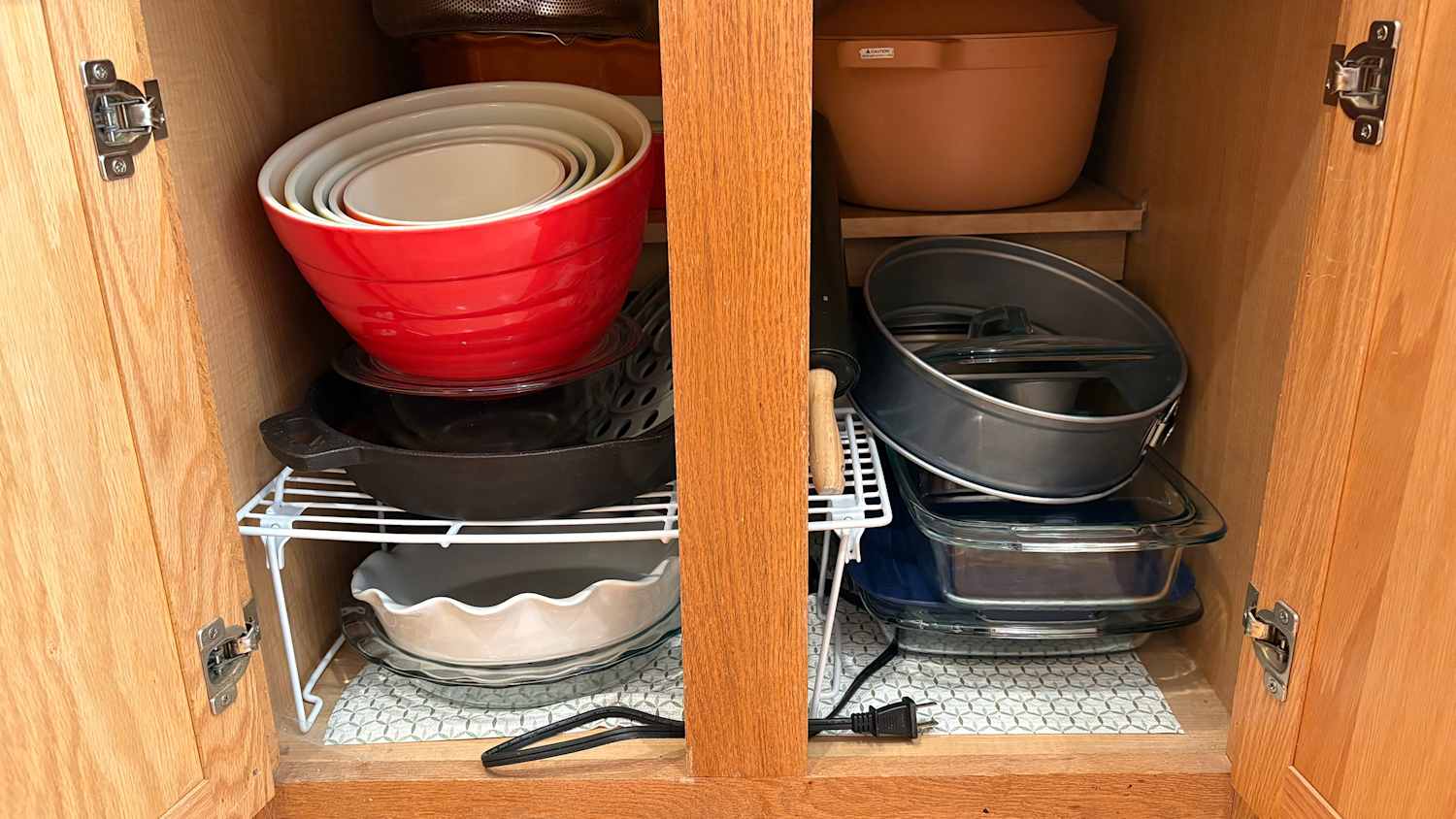
Credit: www.apartmenttherapy.com
Enhance Countertop Efficiency
Enhancing countertop efficiency can transform your kitchen experience. A well-organized counter allows you to cook faster, clean easier, and enjoy the space more. Small changes in how you arrange and use your countertop can make a big difference in daily meal prep and kitchen flow.
Limit Counter Clutter
Keep only the essentials on your countertop. Too many items can make your workspace feel cramped and chaotic. Think about what you use every day—maybe a coffee maker or a knife block—and store everything else in cabinets or drawers.
Try a quick test: clear your counters completely for a day. Notice how much more space you have to work with. This can help you decide which items truly deserve a spot on your countertop.
Use Multi-functional Appliances
Choose appliances that serve multiple purposes to save space. For example, a blender that also crushes ice or a toaster oven that can bake and broil reduces the number of gadgets you need.
Multi-functional devices not only save space but also cut down on cleaning time. Think about the appliances you rarely use and consider swapping them for versatile tools that fit your cooking style better.
Create Prep Zones
Designate specific areas of your countertop for different tasks. Having a chopping zone, a mixing station, and a plating area keeps your workflow smooth and your counters neat.
Labeling these zones with simple containers or trays can remind you where to put things back. What small change can you make today to set up a prep zone that suits your cooking habits?
Organize The Pantry
Organizing your pantry can transform your kitchen experience. A well-arranged pantry saves you time and reduces food waste. It helps you find ingredients quickly and keeps your space neat.
Store By Category
Group similar items together to make your pantry easier to navigate. Keep baking supplies in one section, snacks in another, and canned goods in their own spot. This way, you won’t waste time searching for what you need.
Think about your cooking habits. Do you use spices more often than grains? Place frequently used categories at eye level or in the most accessible areas. This simple shift can speed up your meal prep.
Use Airtight Containers
Transfer dry goods like flour, sugar, rice, and pasta into airtight containers. These containers keep food fresh longer and prevent pests. Plus, clear containers help you see when you’re running low without opening each package.
Label your containers with both contents and expiration dates. This small step helps you avoid mystery jars and forgotten food. Have you noticed how much easier it is to keep track when everything is visible and sealed?
Implement Fifo System
FIFO stands for “First In, First Out.” It means you use older items before newer ones to prevent spoilage. Arrange your pantry so that new groceries go behind the older stock.
This system reduces waste and saves you money. Next time you stock up, try placing new cans or boxes at the back. How much food have you thrown away recently that could’ve been used instead?

Credit: food52.com
Maintain Regular Upkeep
Keeping your kitchen organized isn’t a one-time task; it needs ongoing attention. Regular upkeep ensures your kitchen stays efficient and pleasant to use. It also prevents clutter from piling up and turning your space into a chaotic mess.
Schedule Weekly Cleanups
Set aside a specific time each week for a quick kitchen cleanup. Focus on wiping down surfaces, clearing out expired food, and putting items back in their places. This habit stops mess from building up and keeps everything easy to find.
Try making it a fun routine—play your favorite music or invite family members to join. You’ll notice how a little effort each week saves you from overwhelming deep cleans later.
Review And Reorganize Seasonally
Every few months, take a deeper look at your kitchen setup. Are you still using all those gadgets? Is your pantry stocked with seasonal ingredients? Adjust your storage to fit your current needs.
For example, swap out heavy winter cookware for lighter items in spring. This keeps your kitchen practical and tailored to how you really cook throughout the year.
Encourage Family Participation
Your kitchen is a shared space, so involve everyone in keeping it organized. Assign simple tasks like sorting recyclables or wiping counters after meals. This spreads the workload and builds good habits for everyone.
Have you noticed how much easier kitchen upkeep feels when everyone pitches in? Sharing responsibility keeps your kitchen running smoothly and reduces stress for you.

Credit: food52.com
Frequently Asked Questions
What Are The Best Storage Solutions For A Small Kitchen?
Maximize space with vertical shelves, drawer organizers, and magnetic racks. Use clear containers to keep items visible and accessible. Declutter regularly to maintain efficiency and avoid overcrowding in small kitchens.
How Can I Organize Kitchen Utensils Efficiently?
Group utensils by function and store them in drawer dividers or countertop holders. Keep frequently used tools within easy reach. This reduces clutter and speeds up meal preparation.
What’s The Easiest Way To Organize Pantry Items?
Sort pantry items by category and frequency of use. Use labeled clear bins and stackable containers for better visibility. Rotate older items to the front to reduce waste.
How Do I Keep Kitchen Counters Clutter-free?
Limit countertop items to daily essentials. Store appliances and tools in cabinets or drawers when not in use. Regularly clean and declutter to maintain a tidy surface.
Conclusion
Organizing your kitchen makes cooking easier and more fun. Clear spaces help you find things fast. Use shelves, containers, and labels to keep items neat. Keep daily tools within reach to save time. Regularly check and remove unused items to avoid clutter.
A tidy kitchen feels welcoming and reduces stress. Small changes create big improvements over time. Start with one area and build from there. Enjoy the calm and order in your kitchen every day.
Hi, I’m Daniel Harper, a senior editor here at KitchenBucks.com. For over 10 years, I’ve been exploring kitchen gadgets and appliances to help people find tools that truly add value without breaking the bank. I love simplifying product choices so you can focus more on cooking and less on worrying about what to buy. When I’m not reviewing the latest gadgets, you’ll usually find me experimenting with coffee brewing or firing up the grill for a weekend barbecue.