
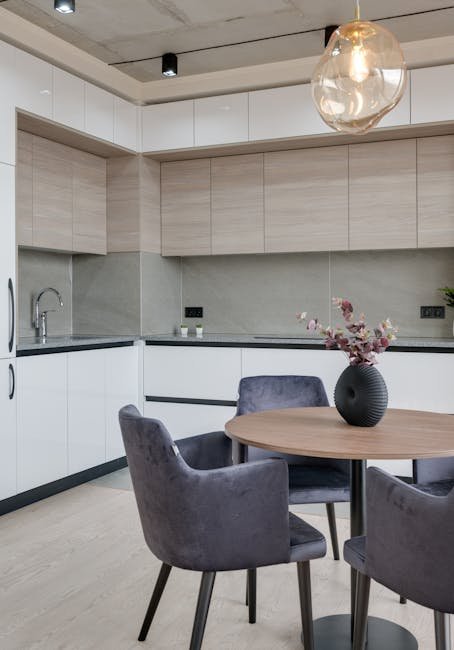
Are your kitchen cabinets a constant source of frustration? You open the door and everything feels cluttered, making it hard to find what you need quickly.
Imagine opening your cabinets and seeing everything neatly arranged, easy to reach, and perfectly organized. That’s exactly what you’ll discover. You’ll learn simple, practical ways to transform your kitchen cabinets from chaos to calm. Keep reading, and you’ll find the secrets to saving time, reducing stress, and making your kitchen a place you actually enjoy working in.
Your dream kitchen organization is closer than you think!
Credit: www.hgtv.com
Kitchen Cabinet Essentials
Organizing kitchen cabinets starts with understanding the essentials. These basics help keep your kitchen neat and make cooking easier. Knowing what items belong in your cabinets and how to arrange them saves time. It also prevents clutter and frustration.
Must-have Items
Every kitchen cabinet should hold key items for daily use. These include:
- Plates, bowls, and cups for quick access
- Glasses and mugs for drinks
- Cutting boards and mixing bowls
- Measuring cups and spoons
- Basic pots and pans
- Utensils like spatulas, ladles, and tongs
- Food storage containers for leftovers
- Common spices and cooking oils
Keep only what you use often to avoid overcrowding.
Optimal Placement
Place items based on how often you use them. Store daily essentials within easy reach. Less-used items can go in higher or lower cabinets. Group similar items together to find them fast.
- Everyday dishes near the dishwasher or sink
- Cooking tools close to the stove
- Spices and oils near the prep area
- Bulk items or special appliances in lower or top cabinets
Use shelf organizers or clear containers to keep things visible. This setup improves flow and saves effort during meal prep.
Utilizing Vertical Space
Utilizing vertical space in kitchen cabinets helps maximize storage without clutter. Tall cabinets often have empty gaps above or between items. Filling these gaps boosts cabinet capacity and keeps everything easy to reach. Smart use of vertical space creates order and saves time during cooking and cleaning.
Stacking Techniques
Stacking items vertically uses cabinet height efficiently. Place similar items on top of each other to free up shelf space. Use sturdy containers and plates for safe stacking. Stack cups or bowls inside each other to save room. Keep frequently used items at the front for quick access.
- Stack pots and pans by size to prevent tipping.
- Place baking sheets and cutting boards upright in a rack.
- Use clear containers to see contents easily.
- Stack canned goods in pyramid shapes for stability.
Shelf Extenders
Shelf extenders double the storage area by adding a second level. These small racks fit inside cabinets and create extra shelves. Shelf extenders work well for cups, spices, or small plates. They keep items visible and reachable without wasting space.
- Choose adjustable extenders for flexible use.
- Opt for metal or plastic extenders for durability.
- Use extenders with guard rails to prevent items from falling.
- Install extenders quickly with no tools needed.
Smart Storage Solutions
Smart storage solutions can transform the way you use your kitchen cabinets. They make everything accessible and keep your space neat without extra effort. Choosing the right tools helps you save time and reduces frustration when cooking or cleaning up.
Pull-out Drawers
Pull-out drawers are a game-changer for kitchen cabinets. They allow you to see and reach items at the back without digging through clutter. You can use them for pots, pans, spices, or even snacks.
Imagine pulling out a drawer and having all your baking supplies neatly arranged in clear containers. It saves you from knocking over jars or hunting for measuring cups. This simple change can make your kitchen feel more organized and enjoyable to work in.
Lazy Susans
Lazy Susans are perfect for corner cabinets or deep shelves. They spin, giving you quick access to everything stored on them. No more awkwardly reaching or moving items around to find what you need.
They work great for holding condiments, oils, and small jars. Have you ever lost a bottle in the back of a cabinet? A Lazy Susan fixes that by putting everything within easy reach. Plus, it keeps your kitchen looking tidy and intentional.

Credit: food52.com
Categorizing For Efficiency
Organizing kitchen cabinets by categorizing items improves daily efficiency. It reduces the time spent searching for utensils and ingredients. Clear categories help maintain order and make restocking easier. This system creates a smoother cooking experience and a tidier kitchen space.
Grouping Similar Items
Place items with similar uses together. Store baking supplies like flour, sugar, and baking powder in one section. Keep cooking oils, vinegars, and spices close to the stove for quick access. Group plates, bowls, and cups in designated areas. This arrangement saves time and effort during meal prep.
Labeling Techniques
Use labels to identify each group clearly. Choose simple labels with large, readable fonts. Place labels on shelves or containers for easy spotting. Consider waterproof labels for areas prone to moisture. Labels help everyone in the household find what they need fast.
Maximizing Corner Cabinets
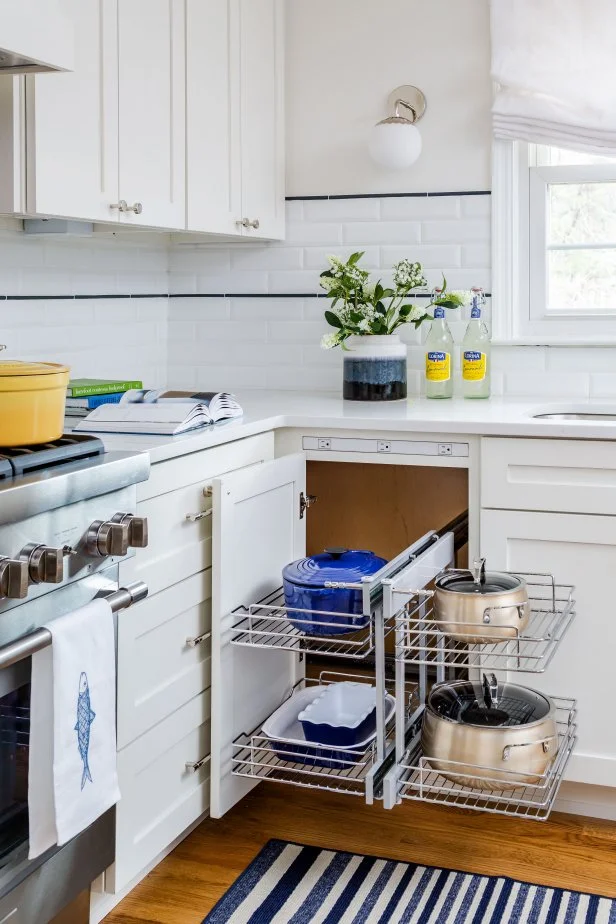
Corner cabinets often become the forgotten storage spots in kitchens. Their awkward shape makes it hard to reach the back, leading to wasted space and forgotten items. With a few smart adjustments, you can transform these tricky corners into highly functional areas that hold more and keep everything within easy reach.
Corner Shelf Inserts
Corner shelf inserts are a simple fix that can dramatically improve your cabinet’s storage. These inserts fit inside your corner cabinet and create extra layers, helping you organize pots, pans, or pantry items without stacking them messily.
They come in various sizes and materials, such as wire racks or solid wood shelves, so you can choose what fits your style and needs. Have you noticed how much easier it is to grab what you need when everything has its own space? That’s exactly what these inserts offer.
Rotating Shelves
Rotating shelves, also known as lazy Susans, turn your corner cabinet into a carousel of convenience. Instead of reaching awkwardly into a dark corner, you spin the shelf to bring items to the front.
These shelves are perfect for spices, jars, or small containers, making it easy to see everything at a glance. If you’ve ever wasted time digging through cluttered cabinets, this adjustment can save you frustration and keep your kitchen running smoothly.
Utilizing Cabinet Doors
Utilizing the inside of your kitchen cabinet doors can unlock a surprising amount of storage space. This often-overlooked area is perfect for keeping small items organized and easy to reach without cluttering your shelves. You might be surprised how much tidier your kitchen feels once you start using these hidden spots effectively.
Door-mounted Racks
Door-mounted racks help you store spices, cutting boards, and even cleaning supplies right where you need them. These racks can be slim and sturdy, fitting perfectly inside cabinet doors without getting in the way. You can customize them to hold jars, lids, or small containers, keeping your countertops clear and your cooking essentials within arm’s reach.
Think about your cooking routine—do you often find yourself digging through cluttered shelves for a spice? Mounting racks on the door lets you see everything at a glance. Plus, installation is usually simple and doesn’t require professional help, making it a quick win for kitchen organization.
Hooks And Hangers
Hooks and hangers inside cabinet doors are ideal for storing items like measuring spoons, oven mitts, or even small pans. They take advantage of vertical space and keep frequently used tools right where you need them. This approach saves drawer space and reduces countertop mess.
Imagine reaching for your favorite wooden spoon or a pot lid without opening multiple drawers. Hooks can make this possible. You can easily add adhesive hooks or small tension rods, depending on your cabinet door material and weight requirements.
Space-saving Organizers
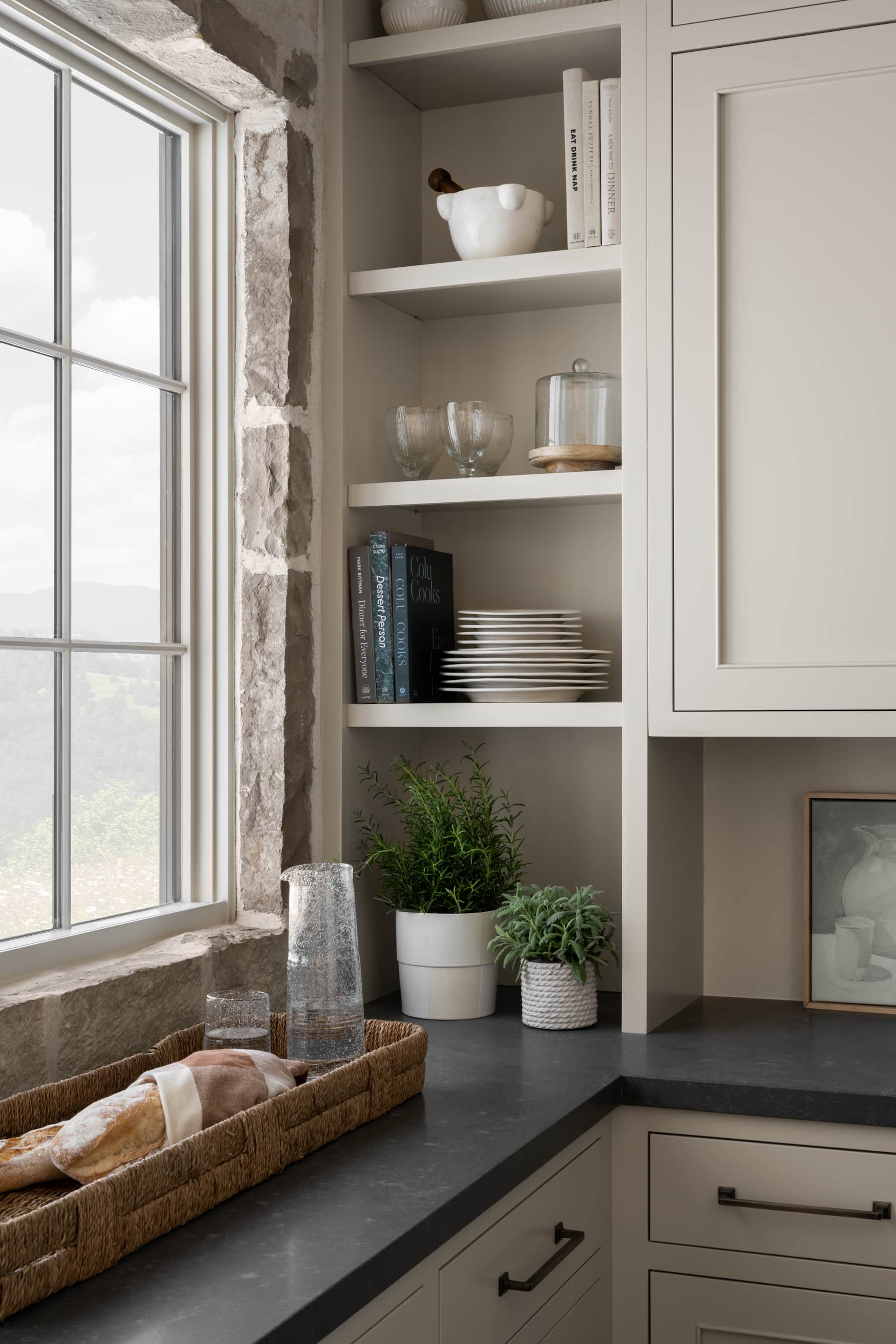
Space-saving organizers help keep kitchen cabinets neat and accessible. They use vertical and hidden spaces effectively. These tools make it easier to find items fast. Cabinets look tidy and hold more supplies. The right organizer can transform your kitchen storage.
Expandable Racks
Expandable racks adjust to fit different cabinet sizes. They create extra layers for stacking plates or pans. These racks slide out, giving easy access to items behind. They help separate lids, cutting boards, or baking sheets. Made from durable materials, they fit inside most cabinets. Expandable racks maximize space without clutter.
Tiered Storage
Tiered storage uses multiple levels to display items clearly. It works well for spices, cans, or small jars. Each tier is visible, so nothing gets lost at the back. This setup saves space by stacking items vertically. Tiered shelves can be freestanding or built-in. They keep your kitchen organized and efficient.
Credit: studio-mcgee.com
Maintaining Order
Keeping your kitchen cabinets tidy over time is a real challenge, but it’s also key to a functional kitchen. Maintaining order means more than just organizing once—it’s about building habits that keep clutter from creeping back in. The way you manage your space daily can save you time and frustration when you need to find that elusive spice jar or baking pan.
Regular Decluttering
Make it a habit to go through your cabinets every few weeks. Pull out items you haven’t used in months and consider donating or discarding them. This small effort prevents overcrowding and keeps your cabinets manageable.
Ask yourself: Are there duplicates you don’t really need? Do you have expired products hiding in the back? Clearing these out regularly frees up space and makes organizing simpler.
Routine Checks
Set a reminder to inspect your cabinets for spills, crumbs, or misplaced items. Keeping shelves clean helps maintain the longevity of your kitchenware and prevents pests.
Check if your storage solutions, like bins or racks, are still working well or if they need adjustment. Sometimes a tiny change, like adding a shelf liner or repositioning a basket, can improve accessibility and keep things orderly.
Frequently Asked Questions
How Can I Maximize Space In Kitchen Cabinets?
Use vertical dividers, shelf risers, and pull-out organizers. These tools help store more items neatly and accessibly. Group similar items together to avoid clutter. Regularly declutter to keep space optimized and functional.
What Are The Best Tools For Cabinet Organization?
Use clear containers, lazy Susans, and drawer organizers. Label containers for easy identification. Install hooks or racks inside doors for extra storage. These tools improve visibility and accessibility of kitchen items.
How Often Should I Clean And Organize Cabinets?
Clean and organize kitchen cabinets every 3 to 6 months. Regular maintenance prevents buildup of dust and expired items. It also keeps your kitchen efficient and visually appealing.
What Items Should Be Stored In Upper Cabinets?
Store lightweight and less frequently used items in upper cabinets. Examples include glassware, specialty dishes, and seasonal cookware. This keeps everyday essentials within easy reach in lower cabinets.
Conclusion
Organizing kitchen cabinets saves time and reduces stress. Use bins, labels, and shelf risers for neatness. Group similar items together for easy access. Keep frequently used items within reach. Regularly declutter to maintain order and space. Small steps make a big difference in your kitchen.
Enjoy a tidy, functional space every day. Simple changes create lasting benefits for your home.
Hi, I’m Daniel Harper, a senior editor here at KitchenBucks.com. For over 10 years, I’ve been exploring kitchen gadgets and appliances to help people find tools that truly add value without breaking the bank. I love simplifying product choices so you can focus more on cooking and less on worrying about what to buy. When I’m not reviewing the latest gadgets, you’ll usually find me experimenting with coffee brewing or firing up the grill for a weekend barbecue.