
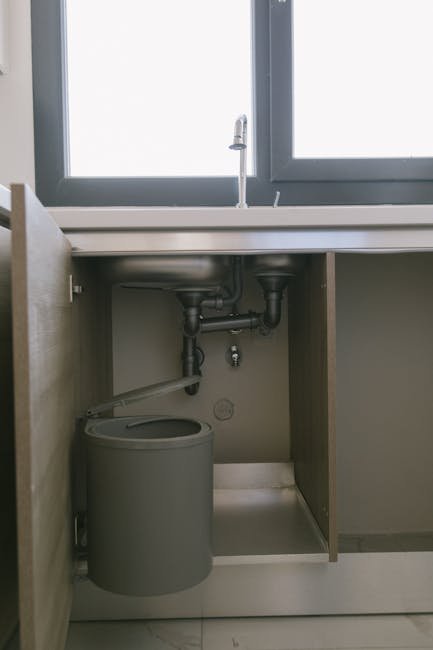
Are you facing leaks or slow drainage under your kitchen sink? You might be wondering how much it will cost to replace those pipes.
Knowing the price beforehand helps you avoid surprises and plan your budget better. You’ll discover the real factors that affect the cost, what to expect during the replacement, and tips to save money without cutting corners. Keep reading to get the clear answers you need to fix your kitchen sink with confidence.

Credit: www.facebook.com
Factors Affecting Pipe Replacement Cost
Replacing pipes under a kitchen sink can vary in cost. Several factors influence how much you will pay. Understanding these factors helps prepare your budget. The type of pipe, damage level, labor fees, and extra repairs all play a role.
Pipe Material Types
Different materials have different prices. Common pipe materials include:
- PVC – usually the cheapest option
- Copper – more expensive but durable
- PEX – flexible and moderately priced
The choice of material affects both the cost and longevity.
Extent Of Damage
Minor leaks cost less to fix. Large cracks or broken pipes need more work. Severe damage may require removing old pipes carefully. More damage means higher costs for parts and labor.
Labor Charges
Labor fees depend on location and plumber experience. Some plumbers charge by the hour, others a flat rate. Complex jobs take longer and cost more. Always check rates before hiring a professional.
Additional Repairs
Other repairs may be needed during pipe replacement. These include:
- Fixing water damage under the sink
- Replacing sink fittings or valves
- Cleaning clogged drains
These extra tasks add to the total cost.
Common Pipe Materials And Their Costs
Choosing the right pipe material affects both the cost and durability of your kitchen sink replacement. Different materials vary in price and how long they last. Understanding these common pipe options helps you plan your budget wisely.
Each material has unique features. Some resist corrosion better. Others are easier to install. Prices also differ based on material quality and local market rates.
Pvc Pipes
PVC pipes are lightweight and simple to install. They resist chemicals and corrosion well. These pipes cost less than metal options. Expect to pay around $1 to $3 per foot. PVC suits most kitchen sink setups and is a budget-friendly choice.
Copper Pipes
Copper pipes offer strong durability and last many years. They resist heat and bacteria growth. Copper costs more, generally $4 to $8 per foot. Installation may require a professional due to soldering needs. These pipes provide a long-term solution but come with a higher price.
Pex Pipes
PEX pipes are flexible and easy to work with. They handle temperature changes and pressure well. PEX costs range from $2 to $5 per foot. This material reduces installation time and labor costs. It suits modern plumbing systems and is gaining popularity.
Galvanized Steel Pipes
Galvanized steel pipes are strong but prone to rust over time. They cost about $3 to $6 per foot. These pipes were common in older homes. Replacing them may require extra work due to corrosion. They are less common in new installations today.
Signs You Need Pipe Replacement
Knowing when to replace the pipes under your kitchen sink can save you from costly water damage and unexpected repairs. Pipes don’t last forever, and certain warning signs indicate that your plumbing needs attention. Paying close attention to these signs can help you act before the problem worsens.
Leaks And Drips
Have you noticed water pooling under your sink or hearing constant dripping sounds? Leaks and drips are the most obvious signs that your pipes may be failing. Even a small, persistent drip can cause mold growth and damage to your cabinets over time.
Ignoring these leaks often leads to bigger problems. If tightening connections doesn’t stop the leaks, it’s a clear sign the pipes need replacement.
Discoloration And Corrosion
Look closely at your pipes for any discoloration or rust spots. Corroded pipes weaken over time and are prone to leaks or bursts. You might see green or white crusty deposits on copper pipes, which indicates corrosion.
Corrosion doesn’t just affect the pipes—it can also impact your water quality. If your water suddenly tastes metallic or looks cloudy, your pipes could be the culprit.
Low Water Pressure
Is the water flow from your kitchen faucet weaker than usual? Low water pressure can signal a clog or buildup inside the pipes. Over time, mineral deposits narrow the pipe’s interior, restricting water flow.
Before assuming it’s a faucet problem, check the pipes underneath. Replacing old pipes often restores normal pressure and improves overall water efficiency.
Unpleasant Odors
Have you caught a foul smell coming from your kitchen sink drain? Persistent bad odors can mean your pipes are leaking or have accumulated debris and bacteria. Damaged pipes may allow sewer gases to seep into your kitchen.
Don’t ignore these smells—they can indicate serious plumbing issues. Replacing the pipes can eliminate odors and keep your kitchen fresh and safe.

Credit: www.angi.com
Step-by-step Replacement Process
Replacing pipes under the kitchen sink involves several clear steps. Each step ensures the job is safe and done right. Following the process carefully prevents water damage and future leaks.
Shutting Off Water Supply
First, turn off the water supply to the sink. Locate the shut-off valves under the sink. Turn them clockwise to stop water flow. Open the faucet to drain any remaining water in the pipes.
Removing Old Pipes
Use a wrench to loosen the slip nuts on the old pipes. Carefully remove the pipes, catching any leftover water in a bucket. Check the pipes and fittings for damage or corrosion. Dispose of old pipes properly.
Installing New Pipes
Measure and cut new pipes to fit the space under the sink. Attach new fittings and connectors securely. Tighten slip nuts by hand, then use a wrench for a snug fit. Ensure pipes align correctly with the drain and water lines.
Testing For Leaks
Turn the water supply back on slowly. Watch all connections for dripping or moisture. Tighten any loose fittings immediately. Run water for a few minutes to confirm no leaks appear.
Diy Vs Professional Replacement
Deciding between fixing pipes under the kitchen sink yourself or hiring a professional is a common dilemma. Each option has clear benefits and costs. The choice depends on your budget, skills, and the complexity of the job.
Understanding the differences helps you make the best decision for your situation. Here is a breakdown of key factors to consider.
Cost Comparison
DIY replacement usually costs less upfront. You only pay for materials like pipes, connectors, and tools.
Professional plumbers charge for labor and parts. Their fees often range from $150 to $500 or more.
DIY saves money but may require tool purchases. Professionals bring experience and efficiency but at a higher price.
Skills And Tools Required
- Basic plumbing knowledge is necessary for DIY.
- You need tools such as pipe wrenches, pliers, and sealants.
- Professionals have specialized tools and training.
- They can handle complex pipe systems and tricky leaks.
Potential Risks
DIY mistakes can cause leaks, water damage, or poor drainage. Fixing errors might cost more later.
Incorrect pipe fitting can lead to mold growth or structural damage.
Professional work reduces risks. They ensure pipes are secure and meet code standards.
When To Hire A Plumber
- If you lack plumbing experience or confidence.
- When pipes are old, corroded, or part of a complex system.
- If you notice persistent leaks or water damage signs.
- For guaranteed work backed by a service warranty.

Credit: www.reddit.com
Tips To Save On Replacement Costs
Replacing pipes under a kitchen sink can be costly. Saving money is possible with smart choices. Simple actions help keep costs low. Here are helpful tips to reduce expenses during pipe replacement.
Regular Maintenance
Check pipes often for leaks or clogs. Small problems can turn into big repairs. Clean drains regularly to avoid blockages. Fix minor issues early to prevent damage. Well-maintained pipes last longer and cost less to replace.
Choosing Affordable Materials
Select materials that fit your budget. PVC pipes are cheaper and easy to install. Copper pipes cost more but last longer. Balance price and durability for the best value. Ask a plumber which material suits your needs.
Getting Multiple Quotes
Contact several plumbers for price estimates. Compare their costs and services carefully. Some may offer discounts or specials. Choosing the right professional saves money and ensures quality. Never accept the first quote without checking others.
Scheduling During Off-peak Seasons
Plan replacements during slower times of the year. Plumbers may lower prices when demand is low. Avoid busy seasons like holidays or summer. Flexible timing can lead to better deals. Ask about off-peak discounts when booking.
Frequently Asked Questions
How Much Does It Cost To Replace Kitchen Sink Pipes?
Replacing kitchen sink pipes typically costs between $150 and $450. The price depends on pipe material, labor fees, and damage extent.
What Factors Affect Pipe Replacement Cost Under Kitchen Sink?
Pipe material, labor rates, accessibility, and extent of damage impact the replacement cost. More complex jobs increase total expenses significantly.
Can I Replace Kitchen Sink Pipes Myself To Save Money?
Yes, DIY replacement can save labor costs. However, plumbing knowledge and proper tools are necessary to avoid leaks or damage.
How Long Does Pipe Replacement Under Kitchen Sink Usually Take?
Most pipe replacements take 1 to 3 hours. Time varies based on pipe complexity, damage, and plumber’s experience.
Conclusion
Replacing pipes under your kitchen sink can save you money and stress. Knowing the cost helps you plan better. Materials and labor affect the total price. Choosing the right plumber makes a difference. Regular checks can prevent bigger problems later.
Don’t wait until leaks cause damage. Act early to keep your kitchen running smoothly. Simple steps today avoid costly repairs tomorrow.

Hi, I’m Daniel Harper, a senior editor here at KitchenBucks.com. For over 10 years, I’ve been exploring kitchen gadgets and appliances to help people find tools that truly add value without breaking the bank. I love simplifying product choices so you can focus more on cooking and less on worrying about what to buy. When I’m not reviewing the latest gadgets, you’ll usually find me experimenting with coffee brewing or firing up the grill for a weekend barbecue.