
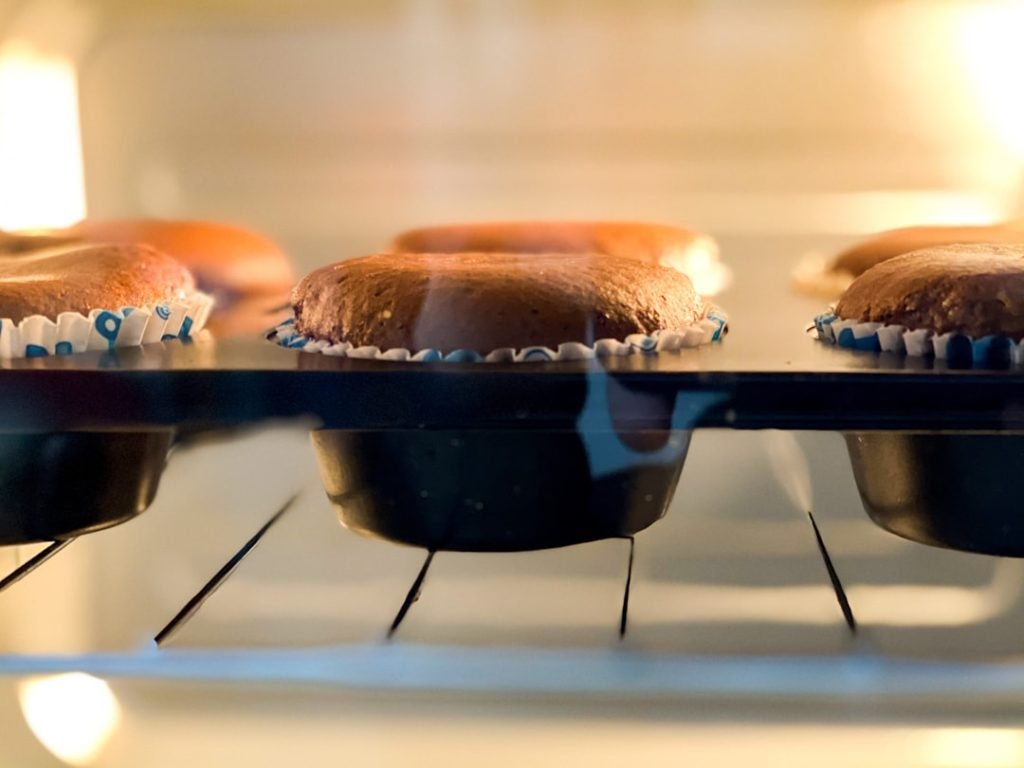
Ever wondered why your cake doesn’t turn out quite right? You’ve followed the recipe perfectly, but something’s off.
Maybe it’s not your ingredients or your oven temperature. It might just be your choice of baking pan. Yes, the material of your pan can make a difference! Glass and metal pans each have their own quirks and benefits, and choosing the right one could be the secret to achieving cake perfection.
Imagine serving a cake that’s the talk of the party, just by switching up your pan. Curious to know which one will make your cakes rise to the occasion? Keep reading to discover how your choice could change everything about your baking game.
Cakes In Glass Pans
Cakes baked in glass pans have a unique charm. Glass pans can offer a different baking experience compared to metal pans. They bring distinct qualities that affect the outcome of your cake. Let’s explore how glass pans influence the baking process.
Heat Distribution
Glass pans distribute heat evenly. This even distribution can lead to a uniform bake. The glass takes longer to heat up. But once heated, it retains warmth effectively. This steady heat can be beneficial for certain cake recipes. The slow, consistent heat helps prevent burning. It ensures the cake cooks through without hot spots.
Impact On Baking Time
Baking time can be longer with glass pans. Glass’s thick material slows down the baking process. Cakes may need additional time to reach desired doneness. This slower bake can help develop richer flavors. Check your cakes a few minutes before the recommended time. Adjust baking times to ensure perfect results.
Flavor And Texture Outcomes
Cakes in glass pans can have a moist texture. The retained heat allows for a gentle bake. This can enhance the cake’s moisture level. Glass pans can also affect flavor. Slow heat can help flavors meld beautifully. The end result may be a cake with a deeper taste. This can be ideal for recipes with complex flavors.
Credit: handletheheat.com
Cakes In Metal Pans
Cakes tend to cook evenly in metal pans due to their efficient heat conduction. Glass pans take longer, often resulting in uneven baking. Metal pans are generally preferred for their ability to produce consistent results.
Are you curious about the difference metal pans can make when baking cakes? If you’ve ever baked a cake, you know the pan you choose can dramatically affect the outcome. Metal pans are often a go-to choice for many bakers. Their unique properties can enhance your baking experience and result in deliciously baked cakes.Thermal Conductivity
Metal pans are excellent conductors of heat. They heat up quickly and distribute heat evenly, which is crucial for baking. This means your cake will bake more evenly and have a consistent texture throughout. Imagine baking a rich chocolate cake. A metal pan will ensure the edges and center cook at the same rate, giving you a perfect slice every time. Have you noticed uneven baking with other pans? Switching to metal might just solve that problem.Browning And Crispness
Do you love a cake with a golden-brown crust? Metal pans excel in providing that beautiful browning that many bakers desire. The high thermal conductivity allows the cake to develop a crisp exterior while keeping the interior moist. Think about the last time you baked a cake that felt too soft on the outside. A metal pan can help you achieve that delightful contrast between a soft center and a slightly crispy crust. This is especially beneficial for cakes that benefit from a firm outer layer, like carrot cake or fruitcake.Versatility With Recipes
Metal pans are versatile and can handle a variety of cake recipes. Whether you’re baking a light sponge or a dense pound cake, a metal pan can adapt to the needs of your recipe. Its ability to withstand high temperatures without warping makes it a reliable choice. Consider the variety of cakes you love to bake. A single metal pan can handle them all, saving you the hassle of switching pans for different recipes. How often have you wished for a one-size-fits-all solution in your kitchen? Choosing the right pan can be the difference between a cake that’s just okay and one that’s unforgettable. So, next time you reach for your baking gear, consider giving metal pans a try. They might just become your new best friend in the kitchen.Comparative Analysis
Baking a cake is an art. Choosing the right pan makes a difference. Glass and metal pans each have unique qualities. Understanding these helps achieve the best results. This comparative analysis explores how these pans affect your cake.
Temperature Considerations
Glass pans retain heat longer. This can make cakes bake faster at the edges. Metal pans heat up quickly and cool down faster. They provide more even heat distribution. When using glass, reduce the oven temperature by 25°F. This prevents overcooking.
Baking Time Adjustments
Glass pans may require more baking time. Cakes in glass can take longer to cook fully. Metal pans generally need less time. They conduct heat more efficiently. Always check your cake with a toothpick. It should come out clean when done.
Visual Appearance Differences
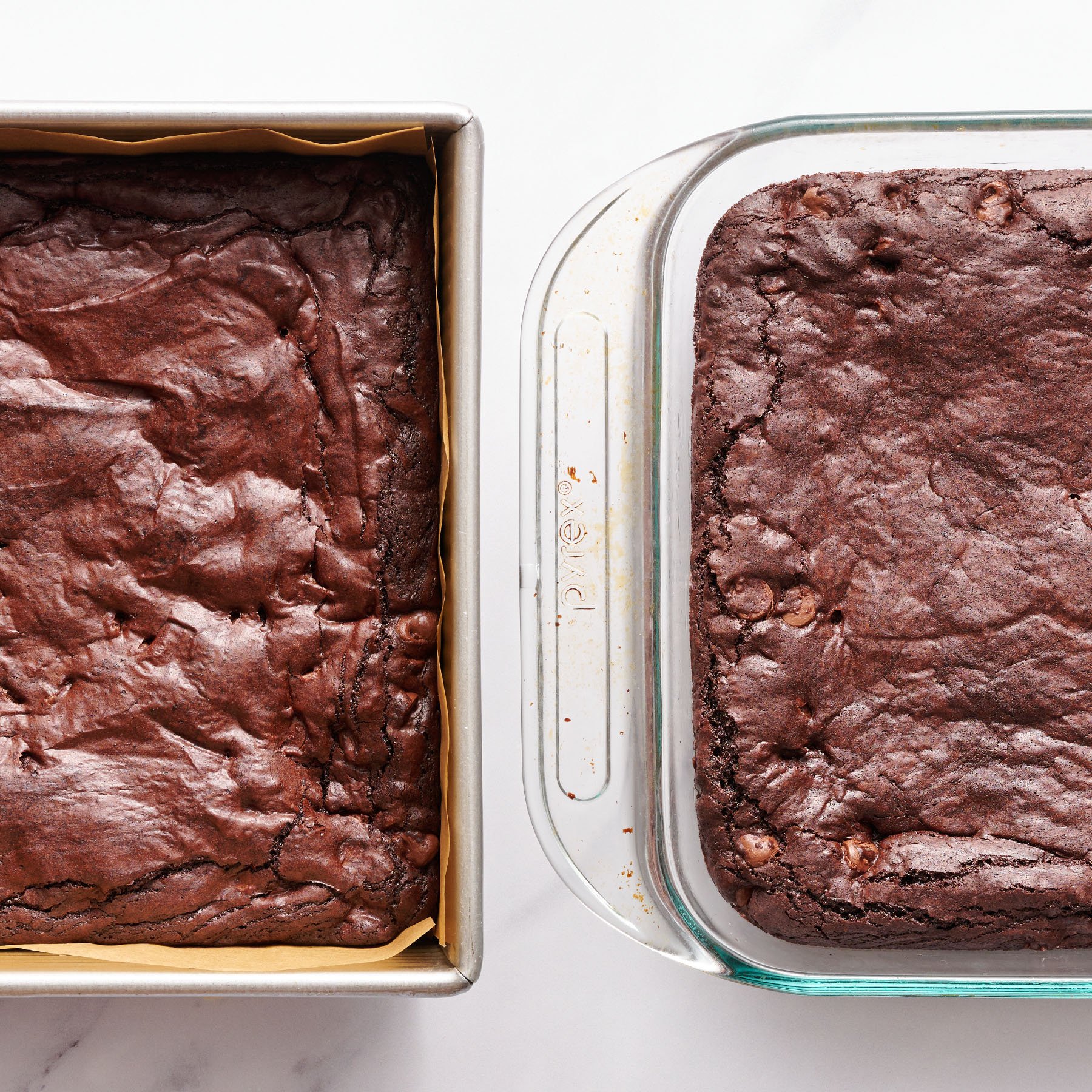
Glass pans allow you to see the cake’s sides. This helps monitor browning. Metal pans give cakes a uniform golden color. They prevent over-browning on the bottom. Glass can create a deeper crust. Metal often results in a lighter crust.
:max_bytes(150000):strip_icc()/Simply-Recipes-Brownies-Glass-vs-Metal-LEAD-01-2ed32821af834da08e28a3a233a833d8.jpg)
Credit: www.simplyrecipes.com
Expert Opinions
Experts debate whether cakes bake more evenly in glass or metal pans. Glass pans retain heat longer, causing slower baking. Metal pans distribute heat quickly, often leading to faster cooking times. Each type offers unique benefits, depending on recipe requirements and desired cake texture.
When it comes to baking cakes, the choice between glass and metal pans can be surprisingly contentious. Both have their champions and critics, with expert opinions offering varied insights. Whether you’re a seasoned baker or a novice, understanding these perspectives can help elevate your cake baking to perfection.Professional Baker Insights
Professional bakers often lean toward metal pans for their consistent results. Metal pans heat up quickly, allowing cakes to bake evenly and develop a nice golden crust. This is crucial for achieving the desired texture and flavor. Many bakers also appreciate the versatility of metal pans. They can handle different oven temperatures and are less prone to breaking than glass. A baker I once met swore by her metal pans after a glass one shattered mid-bake, leaving her with a mess to clean up. However, some bakers prefer glass for its aesthetic appeal and ability to double as a serving dish. Glass pans retain heat longer, which can be beneficial for certain recipes. This can lead to a moister cake, but it requires careful timing to avoid overbaking.Scientific Perspectives
From a scientific standpoint, the choice between glass and metal pans is all about heat conduction and retention. Metal is a better conductor of heat, which means it heats up faster and can give a more even bake. This is particularly useful for cakes that need to rise quickly. Glass, on the other hand, is an insulator. It heats up slowly and retains heat longer. This can be advantageous for maintaining a stable temperature but requires adjustments in baking time and temperature. You may need to lower the oven temperature by 25 degrees Fahrenheit if using glass. Consider the chemical reactions in your cake batter. The slower heat of glass can affect the rise and texture. Have you ever noticed a cake with a dense bottom? A glass pan might be the culprit. Understanding these scientific elements can guide your choice. Do you prefer a quick bake or a slower, potentially more moist cake? Your answer might steer you toward one material over the other. Ultimately, the decision might rest on your personal baking style and preferences. What has been your experience with glass and metal pans? Do you have a pan that never fails you? Sharing your insights could be the key to helping others make their choice.Tips For Choosing The Right Pan
Cakes often bake more evenly in metal pans, offering a quicker heat transfer. Glass pans, on the other hand, retain heat longer, which can result in over-browning. Choose based on your baking preference for desired texture and color.
Choosing the right pan can make a world of difference when baking your favorite cake. The debate between glass and metal pans is a common one, and each type offers unique benefits. Understanding these can help you make the best choice for your baking needs. Whether you’re a seasoned baker or just starting out, these tips will guide you in selecting the right pan that will bring out the best in your cake recipe.Recipe Requirements
Different recipes call for different types of pans. If you’re baking a cake that requires even heat distribution, a metal pan might be your best friend. Metal pans are known for heating up quickly and evenly, which is great for recipes where precise timing and heat are crucial. On the other hand, glass pans tend to heat up more slowly but retain heat longer. This can be ideal for recipes that benefit from a more gradual baking process. Consider the specifics of your recipe—how does it respond to varying heat levels? What does the texture demand? These questions can guide your choice effectively.Personal Preferences
Your personal baking style plays a big role in choosing the right pan. Do you prefer a golden crust on your cake? Metal pans are often favored for their ability to create a crisp exterior. However, if you enjoy the softer, more tender finish that glass pans provide, that might be your go-to. Think about your past baking experiences. What kind of results have you enjoyed the most? Perhaps you once baked a family recipe in a glass pan that turned out perfect. Reflecting on these moments can be surprisingly insightful. In the end, the right pan is the one that aligns with both your recipe’s needs and your personal baking preferences. Consider trying both types in different scenarios to see which results you love the most.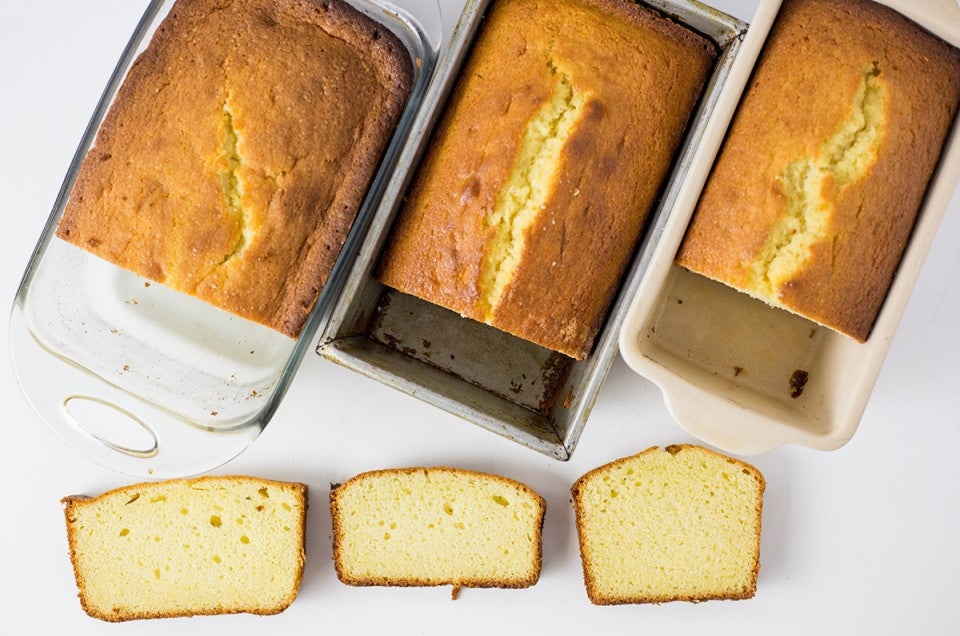
Credit: www.kingarthurbaking.com
Common Myths Debunked
Glass pans hold heat longer, baking more evenly. Metal pans heat up faster, offering a quicker bake. Both have unique benefits, but neither is superior for all cakes. The choice depends on the desired result and recipe.
When it comes to baking cakes, there’s a heated debate about whether glass or metal pans yield better results. Many passionate bakers swear by one over the other, often based on personal experience or handed-down family traditions. But how many of these beliefs hold up against actual baking science?Glass Vs. Metal Misconceptions
Some believe glass pans offer more even heat distribution, preventing hot spots in your cake. Others argue that metal pans result in a better rise and texture. However, these beliefs aren’t always accurate. Glass does indeed heat more evenly, but it also retains heat longer, which can lead to over-baking if you’re not careful. Metal pans heat up and cool down more quickly, making them ideal for recipes that require precise temperature control. But that doesn’t mean they are foolproof. If you’ve ever had a cake with a burnt bottom, a metal pan might have been the culprit.Proven Baking Results
In numerous tests and baking trials, both glass and metal pans have their strengths. Glass pans excel in recipes needing slower, consistent baking, such as casseroles or custards. On the other hand, metal pans are preferred for their quick heat-up time, giving cakes a better initial rise. Personal experience can vary, but consider the type of cake you’re baking. A dense chocolate cake might fare better in a metal pan, while a delicate sponge could benefit from glass. Have you tried switching pans in your own kitchen to compare results? Ultimately, the choice might come down to what’s available in your kitchen or what you’re most comfortable using. Whichever you choose, being mindful of the quirks of each material can help you achieve the perfect bake every time.Frequently Asked Questions
Do Glass Pans Affect Baking Time?
Yes, glass pans can affect baking time. They heat up more slowly but retain heat longer. This means cakes may bake more evenly but could require a longer baking time. Always check for doneness using a toothpick to ensure your cake is perfectly baked.
Is Metal Pan Better For Crispy Edges?
Yes, metal pans are better for crispy edges. They conduct heat more efficiently, resulting in quicker baking. This enhances browning and crispiness on the edges. For cakes that need a crisp crust, a metal pan is ideal. Always monitor baking time to prevent overcooking.
Can Glass Pans Cause Uneven Cooking?
Glass pans can sometimes cause uneven cooking. They retain heat, leading to potential hotspots. This can result in unevenly baked cakes if not monitored. To avoid this, consider rotating the pan halfway through baking. This ensures even heat distribution and consistent baking results.
Are Metal Pans Easier To Clean Than Glass?
Metal pans are generally easier to clean than glass. They are less prone to sticking, especially when properly greased. Glass pans, however, can show stains more easily. Both types require care in cleaning to maintain their condition and ensure long-lasting performance.
Conclusion
Choosing the right pan affects cake texture and cooking time. Glass pans offer even heat distribution. Metal pans heat up faster, providing a crispy crust. Consider your cake recipe and desired outcome. Soft, moist cakes work well in glass. Metal pans are great for fluffy, light cakes.
Always adjust baking time as needed. Experiment to find your preference. Both pans have their benefits. The key is knowing your recipe. Enjoy baking and discovering what works best for you. Happy baking!
