
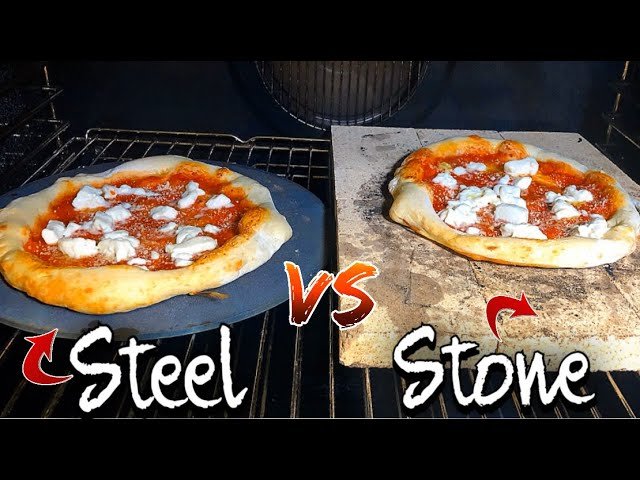
Picture this: the weekend is here, and you’re planning a cozy night at home with a delicious homemade pizza. You’ve got the freshest ingredients, your favorite toppings, and the perfect dough.
But there’s one question lingering in your mind—does using a pizza stone really make a difference? If you’re wondering whether investing in a pizza stone is worth it, you’re not alone. Many home chefs grapple with this decision, eager to replicate the crispy, mouthwatering pies found in their favorite pizzerias.
You’ll discover how a pizza stone can transform your homemade pizza game, and why it might just be the secret ingredient you’ve been missing. Get ready to unlock the potential of your oven and elevate your pizza-making skills to new heights!

Credit: www.youtube.com
What Is A Pizza Stone?
Imagine biting into a slice of homemade pizza with a perfectly crispy crust and gooey cheese. That’s the magic a pizza stone can bring to your kitchen. But what exactly is a pizza stone, and how does it transform your pizza game?
A pizza stone is a flat, round piece of stone or ceramic designed to mimic the effects of a brick oven. It’s a simple tool that can elevate your baking experience by distributing heat evenly and absorbing moisture.
Think of it as a secret weapon for achieving that elusive, crispy crust. By preheating the stone in your oven, you can create a hot surface that cooks pizza quickly and efficiently.
But why does this matter? When you bake pizza directly on a metal pan, you might end up with a soggy crust. A pizza stone helps avoid that by drawing moisture away from the dough, giving you a crust that’s crispy on the outside and tender on the inside.
Materials And Types
Pizza stones come in various materials like cordierite, ceramic, and steel. Cordierite stones are popular due to their durability and ability to withstand high temperatures without cracking.
Ceramic stones are effective but can be more fragile. Steel stones heat faster and retain heat longer, providing a different kind of baking experience.
Each type has its pros and cons. For example, while steel might offer speed, cordierite provides reliability. Consider what matters most in your cooking style.
Size And Shape
Pizza stones are available in different sizes and shapes. Round stones are common, but rectangular ones offer more space, allowing you to bake larger pizzas or even bread.
Size matters depending on your oven dimensions. A larger stone can handle more than just pizza. You can experiment with baking cookies or roasting vegetables.
Choosing the right size and shape depends on your cooking needs and oven space. Bigger isn’t always better; sometimes, a smaller stone fits perfectly in a compact oven.
How To Use A Pizza Stone
Using a pizza stone is straightforward. Place it in the oven and preheat it for at least 30 minutes. This step is crucial for achieving that crispy crust.
Dust the stone with flour or cornmeal to prevent sticking. Slide your prepared pizza onto the stone using a pizza peel for easy transfer.
After baking, let the stone cool before cleaning. Avoid using soap; instead, scrape off any residue and rinse with water. Proper care ensures the stone remains effective for years.
Personal Experience: The Pizza Stone Revelation
I still remember my first attempt at using a pizza stone. The crust was crispier than anything I’d achieved on a regular pan. It was a game-changer in my kitchen.
This simple tool shifted my approach to homemade pizza. I started experimenting more, confident that my crust would always turn out right.
Have you tried using a pizza stone? How did it change your pizza experience? Sharing experiences can help others decide if a pizza stone is worth adding to their kitchen arsenal.
Whether you’re a seasoned chef or a cooking novice, a pizza stone can make a noticeable difference. It’s not just about the crust; it’s about enhancing your overall baking experience.
How Pizza Stones Work
When you bite into a perfectly crisp pizza, you might wonder about the magic behind that delicious crust. A pizza stone is often credited for transforming a homemade pizza into something that feels like it’s straight from a pizzeria. But how exactly does it work? Understanding the mechanics behind a pizza stone can elevate your pizza-making skills and give you that satisfying crunch every time.
Heat Retention
Pizza stones are usually made from ceramic or cordierite, materials known for their ability to absorb and hold heat. This means the stone stays hot even when you open the oven door. As you slide your dough onto the stone, that retained heat transfers directly to the pizza crust, cooking it quickly and evenly.
Have you ever noticed how the bottom of your pizza can sometimes be soggy when cooked on a regular baking sheet? A pizza stone prevents this by maintaining a consistent, high temperature. This ensures that moisture from the dough evaporates rapidly, leaving you with a beautifully crisp base.
Even Cooking Surface
Uneven cooking can be a pizza’s worst enemy. Regular baking sheets might have hot spots, leading to one side of the crust being more cooked than the other. A pizza stone offers a flat, even surface that distributes heat uniformly across the entire pizza.
If you’ve ever made a pizza where the toppings are perfectly done but the crust is still undercooked, then a pizza stone might be the solution you need. It ensures that the heat reaches every part of the pizza, so the crust and toppings are cooked at the same rate. Have you tried using a pizza stone and noticed the difference?
Using a pizza stone might require some practice, but the reward is a pizza with a crisp, golden crust. Next time you prepare your favorite pizza, consider giving a pizza stone a try. You might find it makes all the difference in achieving that perfect slice.
Comparing Pizza Stone To Other Methods
When baking pizza, many methods exist. Some people use a pizza stone. Others rely on different tools. Each method gives unique results. Let’s explore these options.
Baking Sheet
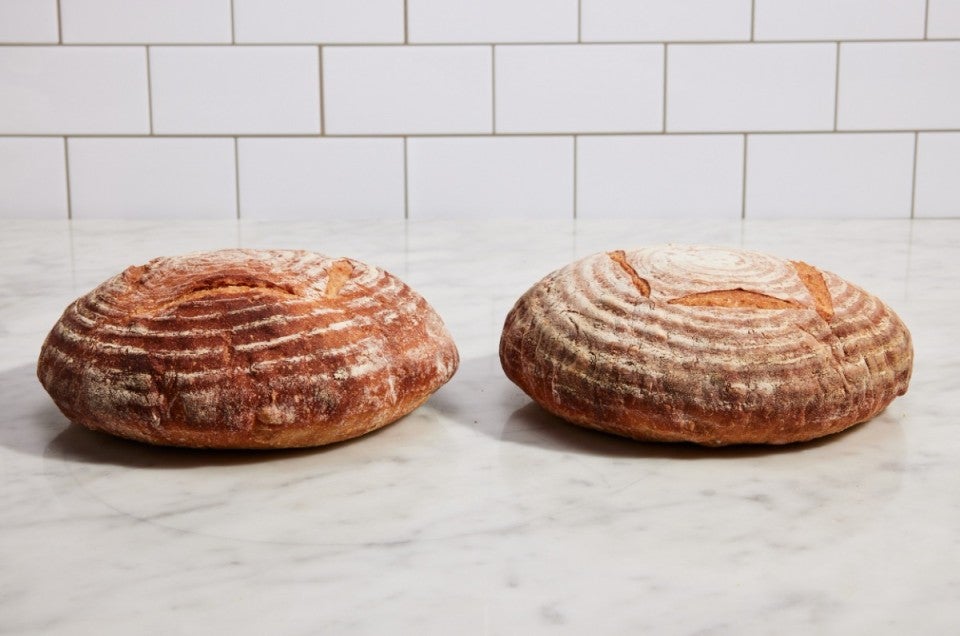
A baking sheet is common in many kitchens. It’s easy to use. Most households have one. But it doesn’t heat evenly. The bottom of the pizza might not get crispy. Heat distribution is not its strong suit. It can result in a softer crust.
Pizza Steel
A pizza steel is heavier than a stone. It holds heat better. This leads to an evenly cooked crust. Pizza steels are durable. They can withstand high temperatures. But they are expensive. They’re also heavy to move.
Cast Iron Skillet
A cast iron skillet is versatile. It cooks pizza well. It holds heat evenly. The crust becomes crispy. But the size limits the pizza. It’s perfect for smaller pizzas. The skillet needs maintenance to avoid rust.
Credit: www.kingarthurbaking.com
Benefits Of Using A Pizza Stone
Have you ever wondered if a pizza stone is worth the hype? If you’re serious about achieving that perfect slice of pizza, you might find the benefits of using a pizza stone compelling. It’s not just about looking like a pizza pro; it’s about transforming your home-cooked pizza into a culinary delight. Let’s dive into the advantages a pizza stone brings to your kitchen.
Crispier Crust
One of the most delightful perks of using a pizza stone is getting a crispier crust. Imagine biting into a slice, hearing that satisfying crunch. This happens because a pizza stone absorbs moisture from the dough, ensuring a crisp base. Have you ever compared homemade pizza to a restaurant slice? The difference often lies in the crust, and a pizza stone is your secret weapon.
Even Heat Distribution
Even heat distribution is another game-changer. A pizza stone heats up evenly and retains that heat, unlike a metal tray that can have hot spots. This consistency helps your pizza cook uniformly, preventing those dreaded undercooked or burnt patches. Next time you pull your pizza from the oven, notice how each slice is cooked to perfection. Isn’t it satisfying when every bite is just as delicious as the last?
Versatility In Cooking
Did you know a pizza stone isn’t just for pizza? Its versatility extends to baking bread, cookies, and even roasting vegetables. This means you get more bang for your buck. The stone maintains high heat, making it perfect for achieving that lovely char on veggies or a beautifully baked loaf of bread. Have you tried experimenting with different recipes on your stone? You might discover a new favorite dish.
Incorporating a pizza stone into your kitchen routine can elevate your cooking in unexpected ways. So, next time you’re planning a pizza night, why not give it a try? You might find yourself wondering how you ever cooked without it!
Drawbacks Of Pizza Stones
Pizza stones are popular for baking crispy pizzas at home. They promise a wood-fired oven effect. Yet, they come with certain drawbacks that can affect your cooking experience. Understanding these drawbacks helps you decide if a pizza stone is right for you.
Preheating Time
Pizza stones need a long preheating time. You must wait for at least 45 minutes. This ensures the stone is hot enough. It can be inconvenient when you want a quick meal. Preheating also uses more energy, which can be costly over time.
Weight And Handling
Pizza stones are heavy. They are difficult to move and require careful handling. Dropping the stone can cause it to break. This makes storage a challenge, especially in small kitchens. Handling requires caution to avoid injuries.
Maintenance And Cleaning
Cleaning a pizza stone can be tricky. You cannot use soap, as it absorbs into the stone. Scraping off burnt bits is necessary, which takes time. The stone can stain easily, affecting its appearance. Regular maintenance is needed to keep it in good condition.

Credit: www.fontanaforniusa.com
Tips For Using A Pizza Stone
Using a pizza stone can elevate your homemade pizza game, but mastering its use requires a few tips and tricks. Whether you’re a seasoned chef or a home cook, understanding how to properly use a pizza stone can make all the difference in achieving that perfect crispy crust. Here are some practical tips to get you started.
Preheating Techniques
Preheating your pizza stone is crucial. It ensures that your pizza cooks evenly, resulting in a crisp crust. Place the stone in a cold oven and preheat it to your desired temperature, usually around 500°F (260°C). This process takes at least 45 minutes. The longer you preheat, the better the results. Don’t rush this step; your patience will be rewarded with a perfectly cooked pizza.
Ever tried skipping the preheat and ended up with a soggy pizza? Preheating mimics the intense heat of a traditional pizza oven. This is the secret to achieving that restaurant-quality crust at home. So, consider setting a timer or using this preheating time to prep your toppings.
Proper Placement In Oven
The placement of your pizza stone in the oven matters more than you might think. Position it on the bottom rack to maximize heat exposure. This allows the stone to absorb and radiate heat efficiently, cooking the pizza crust evenly.
Have you ever wondered why pizzas from pizzerias have that perfect golden-brown crust? It’s all about heat distribution. By placing your stone correctly, you replicate professional cooking conditions right in your home kitchen. Experiment with different rack positions if you’re not achieving the desired results.
Cleaning And Care
Proper care extends the life of your pizza stone. Always allow the stone to cool before cleaning. Use a dry brush or scraper to remove any leftover bits. Avoid soap, as it can seep into the stone and affect the taste of future pizzas.
Keeping your pizza stone in top shape doesn’t require fancy products. A simple wipe-down after each use keeps it ready for your next pizza night. If you want to avoid any unwanted flavors, remember: less is more when it comes to cleaning solutions.
By following these tips, you can make the most out of your pizza stone and maybe even surprise yourself with how much it can improve your homemade pizza experience. Who knows, you might even find yourself hosting pizza parties in no time!
Real-life Experiences
Many people wonder if a pizza stone truly enhances their pizza-making experience. Real-life experiences provide insights into this culinary tool’s impact. By exploring opinions from home cooks and professional chefs, we can understand its true value.
Home Cooks’ Perspectives
Home cooks often share their thoughts on pizza stones. Many find that these stones create a crispier crust. The heat distribution makes a noticeable difference. Some home cooks say their pizzas taste more authentic. Others appreciate the improved texture. They enjoy experimenting with different dough recipes. A few mention that using a pizza stone saves time. The stone heats quickly, reducing baking time. It’s a popular choice for those seeking better homemade pizza.
Professional Chefs’ Insights
Professional chefs have distinct views on pizza stones. They value the stone’s ability to mimic a wood-fired oven. Chefs often use them for consistent results. The stone holds heat well, providing even cooking. Some chefs believe it enhances flavor. Others focus on texture and appearance. They often recommend pizza stones to serious pizza enthusiasts. Professional kitchens frequently use them for high-quality pizzas. The chefs’ insights highlight the stone’s importance in achieving perfect pizzas.
Alternatives To Pizza Stones
Pizza stones are popular for achieving crispy crusts. But not everyone uses them. There are other options that work just as well. These alternatives can suit different needs and preferences.
Pizza Steels
Pizza steels are a strong choice. They are durable and conduct heat efficiently. Made from steel, they can handle high temperatures. This helps cook pizza evenly and quickly. Pizza steels are easy to clean. They do not crack or break like stones. Many people prefer them for their strength. They can be used in ovens and grills.
Baking Mats
Baking mats offer flexibility. They are made from silicone or fiberglass. These mats are non-stick and reusable. Cleaning them is a breeze. Baking mats can be used for more than pizza. Cookies and pastries bake well on them too. They are lightweight and easy to store. Their surface allows for smooth rolling of dough. Mats can handle varying temperatures without damage.
Frequently Asked Questions
What Is A Pizza Stone Used For?
A pizza stone is used to evenly distribute heat, ensuring a crispy crust. It absorbs moisture and simulates the effect of a brick oven. This results in a perfectly cooked pizza with a delightful texture. It’s a popular tool for home bakers seeking professional-quality results.
Does A Pizza Stone Improve Pizza Taste?
Yes, a pizza stone can enhance the pizza’s taste. The stone’s even heat distribution ensures a well-cooked crust. This process locks in flavors and creates a deliciously crispy base. Using a pizza stone can elevate the overall taste experience of homemade pizzas.
How Do You Use A Pizza Stone?
To use a pizza stone, preheat it in the oven for about 30 minutes. Place your pizza on the hot stone carefully. Bake until the crust is golden and crisp. Always allow the stone to cool down naturally after use to prevent cracking.
Can A Pizza Stone Be Used For Other Foods?
Yes, a pizza stone can be used for baking bread, pastries, and more. It provides even heat distribution, improving texture and flavor. Use it for roasting vegetables or cooking flatbreads. The versatility of a pizza stone makes it a valuable kitchen tool.
Conclusion
A pizza stone truly enhances your baking experience. It delivers a crispy crust. Your homemade pizza tastes more authentic. It’s a simple tool with great results. Anyone can use it effectively. No special skills are needed. Just place it in the oven and enjoy.
Many pizza lovers appreciate its impact. They notice the difference immediately. Perfect for family pizza nights or gatherings. Try it and taste the change. Your pizza game will surely improve. A pizza stone is a worthy addition. Consider adding one to your kitchen tools.
It’s an investment in better homemade pizza.
