
Have you ever found yourself standing in the kitchen, wondering if your garbage can is the right size for your needs? You’re not alone.
Choosing the perfect kitchen garbage can might seem like a trivial task, but it can significantly impact your daily life. Too small, and you’ll find yourself constantly taking out the trash. Too large, and you might end up wasting valuable kitchen space.
Understanding the dimensions of a kitchen garbage can can save you time, money, and hassle. We’ll dive into what size options are available and help you discover the ideal fit for your kitchen. Stick with us, and you’ll gain insights that make your decision-making process a breeze.

Credit: www.amazon.com
Standard Sizes
Kitchen garbage cans typically range from 10 to 20 gallons. Smaller ones fit under the sink or in cabinets. Larger cans suit busy households with more waste.
Understanding the standard sizes of kitchen garbage cans can make a big difference in your kitchen’s cleanliness and efficiency. Whether you’re wrestling with overflowing trash or struggling to fit bags into your existing bin, the right garbage can can solve these issues. Let’s dive into the standard sizes and see which might suit your kitchen best.Small Kitchen Garbage Cans
Small kitchen garbage cans typically range from 5 to 10 gallons. They’re perfect for tight spaces or for individuals living alone who generate less waste. You might even find that these smaller cans encourage more frequent emptying, keeping your kitchen smelling fresh.Medium Kitchen Garbage Cans
Medium-sized cans usually hold between 10 to 20 gallons. These are ideal for average-sized families who cook regularly. They offer a good balance between capacity and convenience, fitting well under most kitchen counters while holding a respectable amount of waste.Large Kitchen Garbage Cans
Large garbage cans can range from 20 to 30 gallons. These are great for larger households or those who entertain frequently. While they take up more space, the benefit is fewer trips to take out the trash. Consider your kitchen space and lifestyle before opting for a large can.Specialty Garbage Cans
Some kitchens benefit from specialty garbage cans, like those designed for recycling or compost. These cans can vary widely in size and often include multiple compartments. If you’re environmentally conscious or have specific waste needs, a specialty bin might be your best bet. When choosing a garbage can, think about the size of your household, your cooking habits, and how often you want to empty the trash. What size do you think would streamline your kitchen routine?
Credit: www.amazon.com
Factors Affecting Size
When deciding on the perfect kitchen garbage can, size matters. A garbage can that’s too small can leave you constantly emptying it, while one that’s too large can take up precious kitchen space. Several key factors can affect the size of the garbage can you need, ensuring you find a balance that suits your lifestyle and kitchen layout.
Household Size
The number of people in your home plays a significant role in determining the size of your kitchen garbage can. A family of four will likely generate more waste compared to a single individual. Have you ever found yourself wondering why your trash piles up faster during family gatherings? That’s household size at work. Larger households may benefit from a garbage can with a higher capacity to handle the increased volume of waste.
Cooking Frequency
How often you cook can also dictate the size of your garbage can. If you cook every day, you’re likely producing more food-related waste like vegetable peels, packaging, and leftovers. On the other hand, if takeout is your usual dinner plan, a smaller can might suffice. Do you find yourself tossing out more when you’re on a cooking spree? Consider a garbage can that can comfortably hold your culinary waste without overflowing.
Waste Type
The type of waste you generate impacts the garbage can size. Some households produce more organic waste, such as fruit and vegetable scraps, while others might generate more packaging or recyclable materials. Have you ever realized that your kitchen fills up faster with bulky recyclables than with food scraps? Tailoring your garbage can size to fit the type of waste you regularly dispose of can help streamline your kitchen routine and minimize trips to the trash bin.
Common Materials
Choosing the right size for a kitchen garbage can depends on household needs. Most cans range from 10 to 20 gallons. Larger families might prefer bigger cans to reduce the frequency of emptying.
Understanding the common materials of kitchen garbage cans helps in choosing the right one for your needs. Each material offers unique benefits and drawbacks. This section explores three popular materials used in kitchen garbage cans.Plastic
Plastic garbage cans are lightweight and affordable. They come in various colors and sizes. Cleaning them is easy, and they resist rust. However, they may absorb odors over time. They are perfect for households with kids. Their flexibility helps prevent damage.Metal
Metal garbage cans are sturdy and durable. They often have a sleek look. They resist wear and tear better than plastic. Their weight makes them less prone to tipping over. They can dent if hit hard. Consider them for a long-lasting option.Stainless Steel
Stainless steel garbage cans offer elegance and durability. They are resistant to rust and stains. Their modern design suits contemporary kitchens. They usually feature touch-free lids. This keeps germs at bay. They are a bit heavier and pricier. But they last longer and look great.Shape And Design
Kitchen garbage cans vary in size and design to fit different spaces. Standard models often range from 12 to 16 gallons, balancing capacity and convenience. Compact designs suit smaller kitchens, while larger options accommodate busy households.
The shape and design of a kitchen garbage can influence its practicality. Different designs suit various kitchen layouts and personal preferences. Let’s explore some popular shapes to find the best fit for your kitchen.Round
Round garbage cans are classic and versatile. They fit well in corners and spaces where a square can might not. The round design offers smooth edges, which can make them safer in busy kitchens. They come in various sizes, from small bins to larger ones for bigger families. This shape is ideal for kitchens with limited space.Square
Square garbage cans are all about maximizing space. They align neatly against walls or inside cabinets. This design offers more capacity in a compact form. Square cans are perfect for kitchens that need efficient waste management. Their flat sides allow them to fit snugly together. They often feature modern designs that complement contemporary kitchens.Slim Designs
Slim designs are for tight spaces. They fit perfectly in narrow gaps between appliances or counters. These cans are tall and thin, saving floor space. Slim garbage cans provide a discreet option for waste disposal. They are excellent for small kitchens or apartments. Despite their size, they can hold a surprising amount of waste.Space Considerations
Choosing the right kitchen garbage can size is crucial. It affects your kitchen’s efficiency and look. Space considerations play a vital role. A garbage can that’s too large can clutter your space. Too small, and it leads to frequent emptying.
Explore different options based on your kitchen space. Under-sink and freestanding models offer flexibility. Let’s dive into these options.
Under-sink Options
Under-sink garbage cans save floor space. They fit neatly inside cabinets. These cans often measure around 7 to 13 gallons. They are perfect for small kitchens. They keep trash out of sight. This setup gives your kitchen a cleaner look.
Consider your cabinet dimensions before choosing. Ensure there’s enough room for the can and its lid. Some under-sink models come with sliding mechanisms. This feature makes them easy to access. Also, they prevent the can from tipping over. Check for plumbing obstructions. They might limit your can’s size.
Freestanding Models
Freestanding garbage cans offer more size options. They range from 10 to 20 gallons. They are ideal for larger kitchens. These cans are easy to access. They can be placed anywhere with enough space.
Choose a spot that’s convenient and out of the way. Kitchens with islands or open spaces benefit from these models. Opt for slim designs if space is tight. They offer ample capacity without bulk.
Freestanding cans come in various materials. Stainless steel, plastic, or even bamboo. Each material has its benefits. Select one that matches your kitchen decor and needs.
Credit: www.walmart.com
Capacity Measurement
Kitchen garbage cans vary in size, typically holding between 10 to 20 gallons. Choosing the right size depends on household needs and available space. A larger family may require a bigger can to handle more waste efficiently.
Understanding the capacity of a kitchen garbage can is crucial for maintaining an organized and efficient kitchen. Too small, and you’ll find yourself constantly emptying it. Too large, and it might take up more space than you’re willing to sacrifice. The capacity is typically measured in gallons or liters, providing a clear indicator of how much waste your can can handle.Gallons
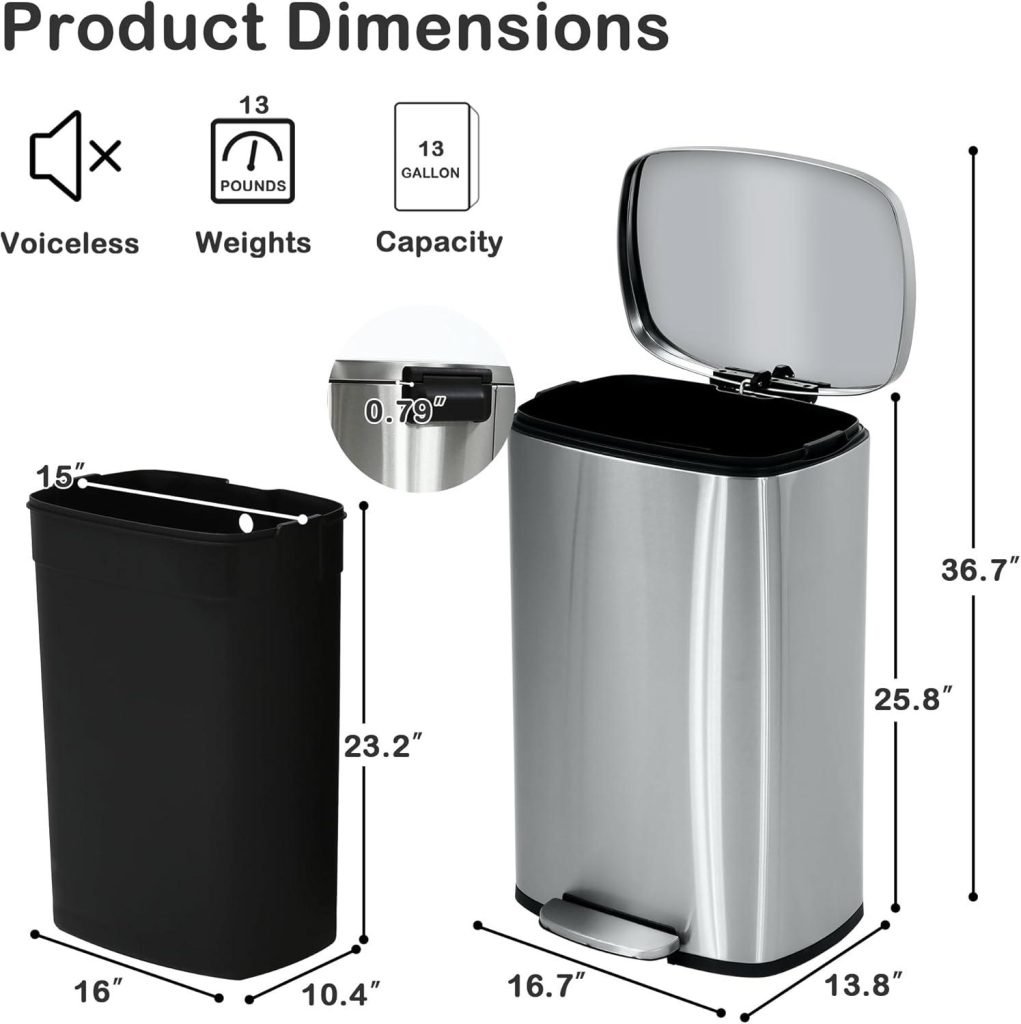
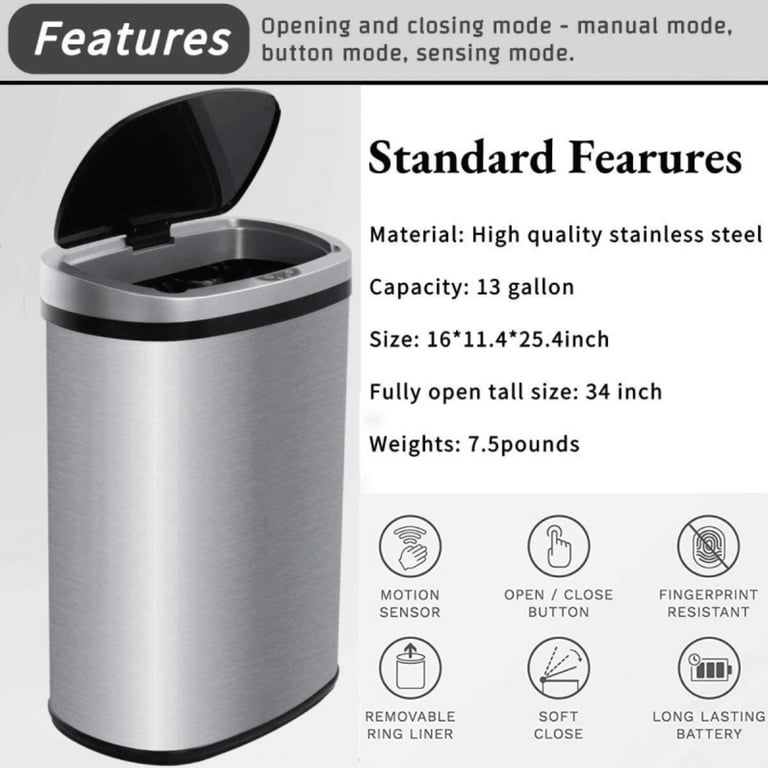
In the United States, garbage can capacity is often measured in gallons. A standard kitchen garbage can usually ranges from 10 to 13 gallons. This size is popular because it accommodates a typical household’s daily waste without needing frequent changes. However, if you have a larger family or do a lot of home cooking, you might opt for a 16-gallon can for more convenience.Liters
In many other parts of the world, capacity is measured in liters. A 10 to 13-gallon can is roughly equivalent to 38 to 50 liters. If you’re shopping internationally or prefer metric measurements, keeping this conversion in mind is helpful. It’s fascinating how this simple difference in measurement units can influence the way we perceive and choose our kitchen necessities. Think about your shopping habits and cooking frequency. Could a slightly larger can make a significant difference in your daily routine?Choosing The Right Size
Selecting the perfect kitchen garbage can size depends on household needs. Smaller cans suit compact spaces, while larger ones are ideal for busy kitchens. Consider available space and trash volume for the best fit.
Choosing the right size for a kitchen garbage can matters. It affects daily convenience and kitchen aesthetics. A well-sized garbage can makes waste management smooth. Consider your kitchen space, waste habits, and style preferences. This guide helps you find the perfect fit.Daily Usage Needs
Evaluate your family’s waste habits. A larger family generates more waste. A bigger garbage can reduces trips to the trash bin. Small households might prefer a compact option. Think about how often you cook at home. Frequent cooks might need more capacity. Choose a size that matches your lifestyle.Aesthetic Preferences
The garbage can should blend with your kitchen decor. Consider its color and material. Stainless steel looks sleek in modern kitchens. Plastic cans come in various colors. Choose one that complements your kitchen palette. Size also affects visual impact. A smaller can might suit a minimalist design. A larger can could be a statement piece.Maintaining Your Garbage Can
Understanding the size of a kitchen garbage can is essential for efficient waste management. Typically, kitchen garbage cans range from 12 to 16 gallons. A larger size can accommodate more waste, reducing the need for frequent disposal.
Maintaining your kitchen garbage can is essential for keeping your kitchen clean and odor-free. A well-maintained garbage can not only improves the aesthetics of your kitchen but also promotes a healthier environment. Regular attention to your trash bin can save you from unpleasant surprises and ensure that your kitchen remains a pleasant space.Cleaning Tips
Cleaning your garbage can regularly can prevent the build-up of grime and bacteria. Start by emptying the can completely and use a hose to rinse out any leftover debris. Mix a solution of warm water and mild dish soap, then scrub the interior and exterior of the can with a brush. Ensure you reach all the corners and seams where dirt tends to accumulate. Rinse thoroughly and let it air dry in a well-ventilated area. If you have a stainless steel can, polish it with a cloth to keep it looking shiny and new.Odor Control
Odor control is crucial for a pleasant kitchen experience. You can sprinkle baking soda at the bottom of the can to neutralize smells. Alternatively, use scented trash bags or place a few dryer sheets at the base of the can. Consider using a charcoal filter lid to absorb odors effectively. Regularly taking out the trash, especially if it contains food scraps, will also help in managing odors. Have you ever tried using essential oils on a cotton ball placed at the bottom of the can? It can add a refreshing scent to your kitchen.Frequently Asked Questions
What Is The Standard Size For Kitchen Garbage Cans?
The standard size for kitchen garbage cans usually ranges from 10 to 13 gallons. This size fits most kitchen needs, providing ample space for daily waste. It conveniently fits under the sink or in a kitchen corner. Compact yet spacious, it’s ideal for average household waste disposal.
How Many Gallons Is A Large Kitchen Garbage Can?
A large kitchen garbage can typically holds 20 to 30 gallons. This size is suitable for bigger families or those generating more waste. It reduces the frequency of emptying, making it convenient for busy households. Despite its size, it can fit in larger kitchens without taking too much space.
What Materials Are Kitchen Garbage Cans Made Of?
Kitchen garbage cans are usually made from plastic, stainless steel, or metal. Plastic cans are lightweight and affordable. Stainless steel offers a sleek look and is easy to clean. Metal cans are durable and resist damage. Each material caters to different preferences and kitchen aesthetics.
Do Kitchen Garbage Cans Come With Lids?
Yes, most kitchen garbage cans come with lids to contain odors and keep pests out. Lids can be manual or automatic, offering convenience and hygiene. They help maintain a clean kitchen environment by sealing in unpleasant smells. Choosing a can with a lid is a smart investment for cleanliness.
Conclusion
Choosing the right kitchen garbage can is essential. Consider your kitchen space first. Measure available space for the garbage can. Think about how much waste you produce daily. Choose a size that fits your needs. Small cans work in compact kitchens.
Larger cans suit bigger families or frequent cooks. Material matters too. Plastic is lightweight. Stainless steel is durable. Consider your kitchen’s style when picking a can. Prioritize ease of use and maintenance. A well-chosen garbage can keeps your kitchen clean.
It also enhances your cooking experience. Make a smart choice for your kitchen today.

Hi, I’m Daniel Harper, a senior editor here at KitchenBucks.com. For over 10 years, I’ve been exploring kitchen gadgets and appliances to help people find tools that truly add value without breaking the bank. I love simplifying product choices so you can focus more on cooking and less on worrying about what to buy. When I’m not reviewing the latest gadgets, you’ll usually find me experimenting with coffee brewing or firing up the grill for a weekend barbecue.