

Have you ever found yourself wrestling with overflowing trash bags or constantly taking out the garbage because your kitchen trash can just can’t keep up? It’s a common frustration, and you’re not alone.
Understanding the right size for a kitchen trash can can transform your daily routine, making it more efficient and less of a hassle. Imagine a kitchen where you never have to worry about overflowing bins or awkwardly large cans taking up too much space.
The size of your kitchen trash can might seem like a small detail, but it plays a big role in maintaining a tidy, stress-free environment. We’ll explore the ideal dimensions and capacities that suit different household needs. You’ll discover how choosing the right size can make your kitchen feel more organized and your life a little easier. So, let’s dive in and find the perfect fit for your kitchen!

Credit: www.walmart.com
Standard Sizes
Kitchen trash cans typically range from 7 to 20 gallons. Compact spaces often use cans around 7-10 gallons. Larger kitchens might require 13-20 gallon cans to handle more waste.
Understanding the standard sizes of kitchen trash cans can help you maximize space and efficiency in your kitchen. Whether you have a compact apartment or a spacious family home, choosing the right-sized trash can is essential. Let’s break down the common sizes to find the perfect fit for your needs.Small Trash Cans
Small trash cans are ideal for tight spaces or secondary use. Typically, they hold between 5 to 9 gallons. These are perfect for under-sink storage or for use in apartments where space is at a premium. Have you ever noticed how a smaller can encourages you to empty it more frequently? This can help reduce odors and keep your kitchen fresh. If you live alone or have a small household, a small trash can might be all you need.Medium Trash Cans
Medium trash cans generally hold between 10 to 13 gallons. This size is often considered the standard for many households. They strike a balance between capacity and convenience, making them a popular choice for moderate waste generation. Think about your kitchen layout. A medium trash can fits nicely in most kitchens without taking up too much space. It’s large enough to handle a few days of trash but small enough to ensure you don’t procrastinate on taking it out.Large Trash Cans
Large trash cans can hold 14 gallons or more. These are perfect for larger families or if you generate a significant amount of waste. A large trash can means fewer trips to the dumpster, saving you time and hassle. However, it also means more room for odors if not managed properly. Consider your lifestyle. If you host frequent gatherings or have a bustling household, a large trash can might be a practical choice. Just remember to keep it clean to avoid unpleasant smells. Choosing the right size can seem trivial, but it impacts your kitchen’s functionality. What size is your current trash can, and is it working for you?Material Considerations
Choosing the right kitchen trash can size depends on available space and waste volume. Consider materials like plastic, stainless steel, or metal for durability and ease of cleaning. Ensure the can fits comfortably in your kitchen layout without obstructing movement.
Material considerations play a crucial role in determining the right kitchen trash can for your space. Whether you’re focused on durability, aesthetics, or cost-effectiveness, understanding the material options available will guide you in making a practical choice. Each material has its unique advantages and drawbacks, so it’s essential to weigh them carefully.Plastic Options
Plastic trash cans are popular for their affordability and lightweight nature. They’re easy to move around, which is particularly useful if you rearrange your kitchen often. You might find these options in various colors and designs, fitting seamlessly into your kitchen decor. However, they can absorb odors over time, especially if you don’t clean them regularly. If you’re looking for something budget-friendly and versatile, plastic might be your go-to. But ask yourself, will it stand the test of time in a busy kitchen?Metal Options
Metal trash cans, often made of stainless steel, offer a sleek and modern look. They’re robust and can withstand the hustle and bustle of a busy kitchen environment. These cans generally feature a fingerprint-resistant finish, keeping them looking clean longer. They usually include features like foot pedals for hands-free operation, adding convenience to your routine. Metal options tend to be heavier and more expensive than plastic ones. Are you willing to invest more for durability and style? Consider the pros and cons of each material option as you decide what best suits your kitchen needs. Balancing functionality with aesthetics will help you find the perfect fit for your space.Space And Placement
Choosing the right size for a kitchen trash can is more than just picking a bin; it’s about smart space management and optimal placement. How big should your trash can be? It depends on your kitchen layout and how you use your space. Let’s dive into the options that can make your kitchen functional and neat.
Under-sink Options
Under-sink trash cans are perfect for small kitchens or if you prefer a discreet location for waste disposal. They utilize the often underused space beneath your sink, keeping the trash out of sight but easily accessible.
- Space-Saving: These cans are typically smaller, fitting neatly into cramped areas.
- Convenience: Placing a trash can here allows you to dispose of waste while you cook, without having to move around the kitchen.
- Considerations: Ensure your plumbing doesn’t obstruct the space. Measure the available area before purchasing.
Freestanding Options
Freestanding trash cans provide flexibility in placement. They can be easily moved or adjusted according to your kitchen’s needs. They’re ideal for larger kitchens where space isn’t as much of a concern.
- Capacity: These cans can hold more waste, reducing the frequency of emptying them.
- Variety: Available in various styles and sizes, they can complement your kitchen decor.
- Placement: Think about foot traffic. Is the can easily accessible without being in the way?
Have you ever considered how the placement of your trash can impacts your kitchen efficiency? Whether under-sink or freestanding, the right choice can streamline your kitchen workflow and make daily tasks a breeze. Assess your space and habits to find the perfect fit.
Capacity And Volume
Understanding how big a kitchen trash can is helps in managing waste effectively. Typically, sizes range from 10 to 20 gallons, accommodating daily household trash. Choose based on your kitchen space and waste generation.
Understanding the capacity and volume of a kitchen trash can is essential for maintaining a tidy, efficient space. It’s not just about finding a receptacle that fits your corner perfectly; it’s about choosing one that matches your household’s waste production. Does your trash can overflow frequently, or do you find yourself throwing away perfectly good bags because the can was too large? The right size can save you time, money, and frustration.Gallons Explained
A kitchen trash can’s capacity is typically measured in gallons. You might wonder why gallons are the unit of choice; they provide a standardized way to compare the size across different brands and models. Most kitchen trash cans range from 10 to 20 gallons. A 10-gallon can is generally suitable for a single-person household or a small apartment. Conversely, a 20-gallon can works well for a family that cooks at home regularly. But why stop at gallons? Consider factors like the type of waste your household generates. If you recycle or compost, you might need a different setup entirely.Adjusting For Household Size
When choosing the right trash can size, household size is a key consideration. A larger family often needs a larger trash can to accommodate the higher volume of daily waste. Think about your daily habits. Do you cook elaborate meals, or are you more of a takeout person? If your kitchen sees a lot of action, a bigger trash can could be beneficial. But what if you’re a minimalist? You might want to opt for a smaller can to encourage less waste. Consider your frequency of trash disposal. A smaller can might be ideal if you prefer to take out the trash daily. Alternatively, a bigger can could save trips if you dispose of waste less frequently. How does your current setup serve you? Adjusting the size of your trash can might be the small change that makes a big difference in your kitchen routine.Style And Design
When choosing the right kitchen trash can, style and design play a crucial role. A trash can is more than just a receptacle for waste; it’s an integral part of your kitchen’s aesthetic. Whether you’re drawn to sleek modern designs or prefer traditional styles, understanding these options can enhance your kitchen’s overall look.
Modern Designs
Modern kitchen trash cans often feature clean lines and minimalist aesthetics. Think stainless steel finishes that complement appliances or vibrant colors that add a pop of personality. Many come equipped with motion sensors for touchless operation, adding a futuristic touch.
Consider the shape—rectangular cans fit snugly against walls, while circular designs provide a softer look. If you’re aiming for a streamlined kitchen, look for models with hidden compartments for recycling. What design elements resonate with your kitchen’s vibe?
Traditional Designs
For those who favor classic charm, traditional designs offer warmth and familiarity. Wooden or wicker trash cans can blend seamlessly with rustic or farmhouse-style kitchens. These designs often prioritize functionality over technology, focusing on durability.
A traditional trash can might feature a pedal for hands-free operation, offering practicality without compromising style. The color palette typically includes earthy tones or neutral shades, ensuring they fit effortlessly into a cozy kitchen environment. How does your kitchen reflect your personal style?
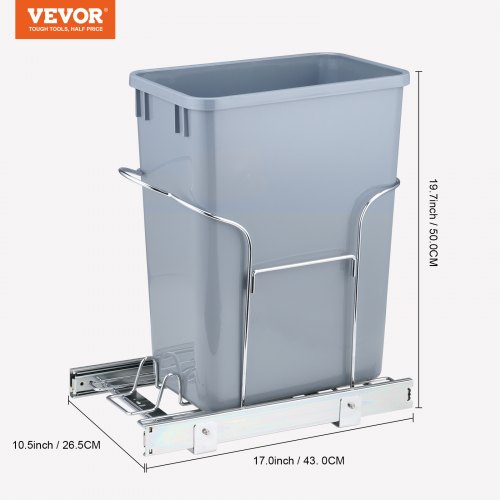
Credit: www.vevor.com
Special Features
Kitchen trash cans come with special features that enhance convenience and functionality. These features can make waste disposal easier and cleaner. Understanding these features helps you choose the right trash can for your kitchen.
Lid Types
Trash cans come with various lid types for different needs. Some have swing lids that are easy to open. Others feature touch-top lids, which open with a gentle touch. There are also step-on lids for hands-free operation. Each type offers unique benefits for different kitchen settings.
Foot Pedal Mechanisms
Foot pedal mechanisms offer a hygienic way to open trash cans. By stepping on the pedal, the lid opens without using hands. This feature is useful when your hands are full or dirty. The pedal is often durable, designed for frequent use. It adds a layer of convenience and cleanliness to your kitchen routine.
Choosing The Right Size
Selecting the appropriate kitchen trash can size ensures efficient waste management. Consider space and waste volume for the best fit. Typically, a 13-gallon bin suits most households, balancing capacity and accessibility.
Choosing the right size for a kitchen trash can can be a challenging task. The size you select impacts convenience and functionality in your kitchen space. It’s essential to find a balance between capacity and fit. Consider your kitchen layout, household size, and waste production. This helps in selecting a trash can that meets your needs. Below, we explore factors that influence the right choice.Assessing Needs
Determine your household’s waste generation. A larger family often produces more trash. A small household might manage with a compact bin. Think about how often you take out the trash. Less frequent disposal might require a larger can. Space is another critical factor. Measure the area where you plan to place the trash can. This ensures it fits comfortably without obstruction. A well-sized trash can keeps your kitchen tidy and efficient.Considering Waste Type
Identify the types of waste your household generates. Organic waste requires a different approach than recyclables. If you compost, a smaller trash can might suffice. Recyclables need separate sorting space. This might mean multiple bins or compartments. Consider specialized waste like diapers or pet litter. These may need dedicated bins. Understanding your waste type helps in choosing a can with suitable features. This ensures a clean, organized kitchen environment.
Credit: itouchless.com
Frequently Asked Questions
How Big Is A Normal Kitchen Trash Can?
A normal kitchen trash can typically holds 12 to 16 gallons. It fits standard-size trash bags. This size is ideal for daily household waste and provides enough capacity without needing frequent emptying. Its dimensions usually range around 25-35 inches in height and 10-15 inches in diameter.
How Many Gallons Is A Kitchen Trash Can?
A kitchen trash can typically holds between 10 to 13 gallons. This size fits most households’ needs efficiently.
Is A 10 Gallon Trash Can Big Enough For A Kitchen?
A 10-gallon trash can works for smaller kitchens or households with minimal waste. For larger families, consider a bigger size. A larger can reduces the need for frequent emptying. Ensure it fits your kitchen space and waste disposal habits. Always choose the size that meets your specific needs.
What Size Is A Standard Kitchen Trash Can?
A standard kitchen trash can typically holds between 12 to 16 gallons. This size accommodates most households’ daily waste. It’s perfect for under-sink placement or in a pantry. Always check dimensions to ensure it fits your space well.
Conclusion
Choosing the right kitchen trash can matters. It affects space and convenience. Always measure your area before buying. Consider how much waste you generate daily. Small cans fit tight spaces. Larger cans handle more trash. Think about lid type for easy access.
Style and design can match your kitchen decor. Material choice impacts durability and cleaning ease. Stainless steel and plastic are popular options. Finding the perfect size improves kitchen efficiency. Keep your needs in mind. Enjoy a cleaner, more organized kitchen space.
Your perfect trash can awaits!

Hi, I’m Daniel Harper, a senior editor here at KitchenBucks.com. For over 10 years, I’ve been exploring kitchen gadgets and appliances to help people find tools that truly add value without breaking the bank. I love simplifying product choices so you can focus more on cooking and less on worrying about what to buy. When I’m not reviewing the latest gadgets, you’ll usually find me experimenting with coffee brewing or firing up the grill for a weekend barbecue.