

Is your dishwasher not cleaning as well as it used to? If your dishes are coming out less than sparkling, the problem might not be your detergent or your machine.
It could be a clogged dishwasher drain. You might be surprised to know that food particles, grease, and soap scum can build up over time, turning what should be a seamless cleaning process into a frustrating ordeal. But don’t worry, you’re not alone in this.
Many people face the same issue and, fortunately, cleaning a dishwasher drain is simpler than you might think. In this guide, you’ll discover easy steps to restore your dishwasher’s efficiency and get your dishes gleaming again. Read on to learn how to give your dishwasher the deep clean it deserves and ensure it runs smoothly.
Gather Necessary Tools
Begin by gathering essential tools like a screwdriver, pliers, and a flashlight. These items help you access and clean the dishwasher drain efficiently. Having the right tools ensures smoother maintenance and prevents potential blockages.
Cleaning a dishwasher drain might sound daunting, but with the right tools, it becomes a straightforward task. Imagine facing a clogged drain on a busy day. Annoying, right? Having the right tools at your disposal can make the process smooth and stress-free. Before diving into the cleaning process, let’s ensure you have everything you need.1. Basic Cleaning Supplies
Start with simple supplies. You will need a sponge or cloth, a small brush, and a bucket. These tools help in removing debris and dirt from the drain area effectively. A toothbrush can also be handy for scrubbing those hard-to-reach spots.2. Vinegar And Baking Soda
Vinegar and baking soda are your secret weapons. They are excellent for breaking down grime and eliminating odors. Just pour a cup of vinegar and sprinkle some baking soda into the drain. Let it sit for a few minutes before rinsing.3. Screwdriver
A screwdriver may be necessary if you need to remove parts of the dishwasher for better access to the drain. Ensure you have the right type and size. My experience shows that a multi-tool screwdriver can be incredibly versatile.4. Flashlight
A flashlight is essential for seeing inside the dark corners of your dishwasher. It helps you spot any hidden debris or blockages. You don’t want to miss any spots, and a flashlight ensures you have a clear view.5. Gloves
Don’t forget to protect your hands. Wear gloves to avoid direct contact with cleaning agents and grime. Plus, gloves give you a better grip when handling slippery parts.6. Plunger
In case of stubborn clogs, a small plunger can be a lifesaver. It creates suction that can dislodge blockages effectively. Have you ever used a plunger for a drain before? It might be the trick you need. With these tools ready, you’re equipped to tackle any dishwasher drain issue confidently. What tools do you find indispensable for home cleaning tasks?Turn Off The Dishwasher
Maintaining a dishwasher is essential for its optimal performance. A clogged dishwasher drain can lead to unpleasant odors and inefficient cleaning. Before you start cleaning the dishwasher drain, ensure that the machine is turned off. This step is crucial for safety reasons. It prevents accidental electric shocks and protects the appliance from damage.
Turn Off The Power Supply
Locate the dishwasher’s power supply. This is often a plug connected to a socket under the sink. Disconnect the plug from the socket to ensure the machine is completely off. If your dishwasher is hardwired, turn off the circuit breaker. This will cut off the power supply to the appliance.
Ensure The Dishwasher Is Empty
Open the dishwasher door and remove any dishes or utensils. An empty dishwasher allows better access to the drain. It also prevents any items from obstructing your view or access. Check all the racks and remove any debris or leftover food particles.
Remove The Bottom Rack
Pull out the bottom rack to access the dishwasher drain. Most bottom racks slide out easily. This provides a clear view of the drain area. Removing the rack ensures you have enough space to work comfortably.
Inspect The Drain Area
Check the drain area for any visible blockages. Look for food particles, grease, or other debris. Use a flashlight if necessary to get a better view. Identifying blockages helps in determining the cleaning approach.
Access The Drain
Cleaning a dishwasher drain is simple. First, remove the bottom rack. Then, locate and clear the drain of debris. Finally, ensure smooth water flow by running a rinse cycle. Regular maintenance keeps your dishwasher running efficiently.
Accessing the drain of your dishwasher is a simple yet crucial step in maintaining its efficiency. A clogged drain can lead to unpleasant odors, poor cleaning results, and even water leakage. Ensuring your dishwasher drain is clear can save you time and prevent costly repairs. Have you ever wondered why your dishwasher isn’t performing as well as it used to? The answer might be hiding right in the drain.Remove The Bottom Rack
Start by removing the bottom rack of your dishwasher. This is usually straightforward; just slide it out. It’s important to set it aside carefully to avoid damaging the wheels. Once the rack is out, you’ll have clear access to the bottom of the dishwasher. Have you noticed how much food debris can accumulate down there? It’s often a hidden culprit behind drainage issues.Locate The Drain Filter
Next, locate the drain filter. It’s typically found at the bottom of the dishwasher, near the spray arms. This filter is designed to catch food particles and debris, preventing them from clogging the drain. Gently lift or unscrew it, depending on the model of your dishwasher. Have you ever been surprised by the amount of buildup in your filter? Regular cleaning can prevent this from becoming a problem. Taking these steps not only ensures your dishwasher runs smoothly but also extends its lifespan. By keeping the drain clear, you can maintain the appliance’s performance and efficiency. Have you checked your dishwasher drain recently? It might be time for a quick inspection.:max_bytes(150000):strip_icc()/how-to-clean-dishwasher-drain-6823343-06-519fbbb2d773498099ae645717a09e1f.jpg)
Credit: www.thespruce.com
Remove Debris
Cleaning a dishwasher drain involves removing debris that clogs it. Start by disconnecting the dishwasher. Then, locate the drain and remove visible debris using a cloth or brush. Regular cleaning ensures efficient water flow and prevents unpleasant odors.
Cleaning your dishwasher drain might not be the most glamorous task, but it’s essential for keeping your appliance running efficiently. Over time, food particles and debris can accumulate in the drain, leading to unpleasant odors and even blockages. Removing debris from your dishwasher drain is a straightforward process that can save you from more significant issues down the line.Clear Large Particles
Start by removing the bottom dish rack to access the dishwasher drain. Look for large particles of food or other debris that might be trapped around the drain area. It’s surprising how often bits of bone or vegetable peels end up there. Use a paper towel or gloves if necessary to pick out these larger pieces. Remember, this simple act can prevent bigger clogs that are harder to fix. Have you ever thought about the impact a small piece of food could have on your appliance?Wipe The Drain Area
Once you’ve removed the larger debris, it’s time to wipe down the drain area. Use a damp cloth or sponge to clean around the drain thoroughly. This helps to remove smaller particles and any residue that might have accumulated. You might be surprised at the grime that builds up in this hidden part of your dishwasher. A quick wipe can also help in preventing bad smells from developing. Have you ever noticed how a clean kitchen appliance just seems to work better? Removing debris from your dishwasher drain is a small yet mighty task. It’s a quick step that can extend the life of your appliance and keep your kitchen smelling fresh. So next time you’re cleaning your kitchen, don’t forget the dishwasher drain!Clean The Filter
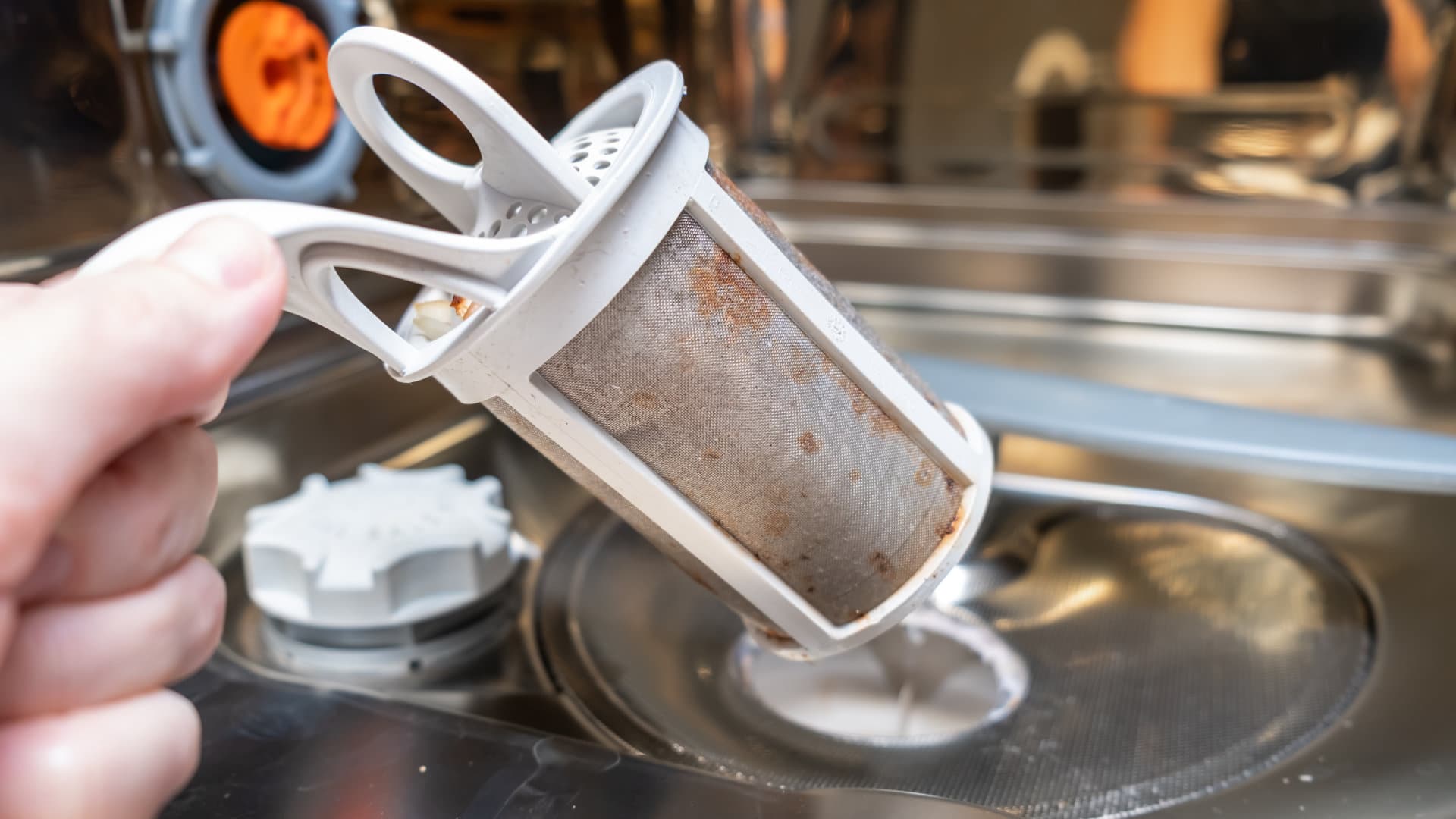
Cleaning the filter is crucial for a dishwasher’s performance. Over time, food particles and debris can clog the filter. This leads to poor drainage and unclean dishes. Regular cleaning ensures your dishwasher runs smoothly. It also prevents unpleasant odors. Here’s how to effectively clean your dishwasher filter.
Rinse Under Water
Remove the filter carefully from the dishwasher. Hold it under warm running water. This helps wash away loose debris and dirt. Rotate it to ensure all sides are rinsed. Warm water works best to break down grease.
Use A Soft Brush
Grab a soft brush or an old toothbrush. Gently scrub the filter. Focus on stubborn grime and trapped particles. Use mild detergent if needed. Avoid using harsh brushes or sponges. These can damage the filter.
Credit: fredsappliance.com
Inspect The Drain Hose
Inspecting the drain hose is essential for maintaining your dishwasher’s efficiency. It ensures the proper removal of water from the dishwasher. A clogged or kinked hose can cause drainage issues. This might lead to water pooling inside the machine. Regular inspection can prevent such problems and prolong the appliance’s life.
Check For Kinks
A kinked hose can restrict water flow. This can result in incomplete drainage. To check for kinks, locate the hose behind the dishwasher. Gently pull it out and straighten any bends. Ensure the hose has a smooth path. This will help prevent future kinks. A kink-free hose ensures efficient water flow.
Look For Blockages
Blockages in the drain hose can cause water backups. Remove the hose from the dishwasher’s back. Inspect the inside for debris or food particles. Use a long brush or wire to clear any obstructions. Rinse the hose with water to ensure it’s clear. A blockage-free hose improves the dishwasher’s performance.
Reassemble The Dishwasher
Cleaning your dishwasher drain ensures it runs smoothly. After removing debris and unclogging, reassemble it carefully. Proper reassembly prevents leaks and ensures efficient operation. Here’s how to do it step by step.
Reattach The Drain Cover
Begin by placing the drain cover back. Align it with the screw holes. Secure it tightly with screws. This prevents it from moving during washing cycles.
Insert The Filter
Next, insert the filter into its place. Ensure it fits snugly. This catches food particles during a wash. A well-fitted filter improves water flow.
Reconnect The Spray Arm
Position the spray arm over the filter. Press it down firmly. Rotate to check its movement. Proper alignment is crucial for effective spraying.
Secure The Bottom Rack
Finally, return the bottom rack to its slot. Slide it gently into place. Make sure it glides smoothly. This ensures easy loading of dishes.
Test The Dishwasher
Testing your dishwasher might seem like a mundane task, but it’s essential after cleaning the drain. You’ve put in the hard work of unclogging and cleaning, but how do you know if you’ve done it right? It’s time to test your dishwasher. This step ensures that all your efforts lead to a machine that runs smoothly and efficiently. Let’s dive into how you can confidently test your dishwasher and verify its performance.
Run A Short Cycle
Begin by selecting a short cycle on your dishwasher. This won’t take much time and gives you a quick overview of its current state. Think of it as a diagnostic test for your appliance.
Starting with a shorter cycle helps you assess if the drain is clear without wasting water or energy on a full cycle. Keep an eye on how the dishwasher sounds; any unusual noises can be a hint that something’s amiss.
Did you know that running a short cycle is like taking a quick test drive after a car repair? It’s a straightforward way to check for immediate problems.
Check For Proper Drainage
Once the cycle is complete, inspect the bottom of your dishwasher. Is there any standing water? This is a crucial sign that needs attention. A clear drain should leave no puddles behind.
If you notice water pooling, it might indicate a blockage still exists or that parts weren’t assembled correctly. It’s worth revisiting your cleaning steps to ensure everything is in place.
Imagine a clear drain as a well-behaved guest that leaves without a trace; that’s what you’re aiming for here. Are you seeing the results you expected?
Testing your dishwasher is not just about pressing buttons; it’s about ensuring peace of mind. You’re making sure your appliance is ready to tackle daily chores efficiently. Have you considered how this simple test can save you from future headaches?
Maintenance Tips
Keeping your dishwasher drain clean ensures smooth operation and prevents clogs. Start by removing the bottom rack to access the drain. Use a mixture of vinegar and baking soda to break down debris, then rinse with hot water to clear the drain effectively.
Keeping your dishwasher drain clean ensures smooth operation and extends the life of your appliance. A clean drain prevents clogs and unpleasant odors from developing. By following simple maintenance tips, you can keep your dishwasher running efficiently without any hassle.Regular Cleaning Schedule
Establishing a regular cleaning schedule is crucial for maintaining your dishwasher. Think about how often you use your dishwasher—daily users might need to clean the drain more frequently than those who use it once a week. A practical approach is to check the drain for debris every month. This routine inspection helps you catch potential problems early, saving you time and money in the long run.Use Dishwasher-safe Cleaners
Choose the right cleaners to maintain your dishwasher’s health. Not all cleaning agents are suitable for dishwashers, and using the wrong one can cause damage. Opt for dishwasher-safe cleaners available in stores, specifically designed to break down food particles and grease. These cleaners are easy to use—just follow the instructions on the packaging. Can you recall the last time you checked the cleaning products you use? Ensuring they’re dishwasher-safe will protect your appliance and keep it in top shape. Remember, a well-maintained dishwasher means cleaner dishes and fewer repairs.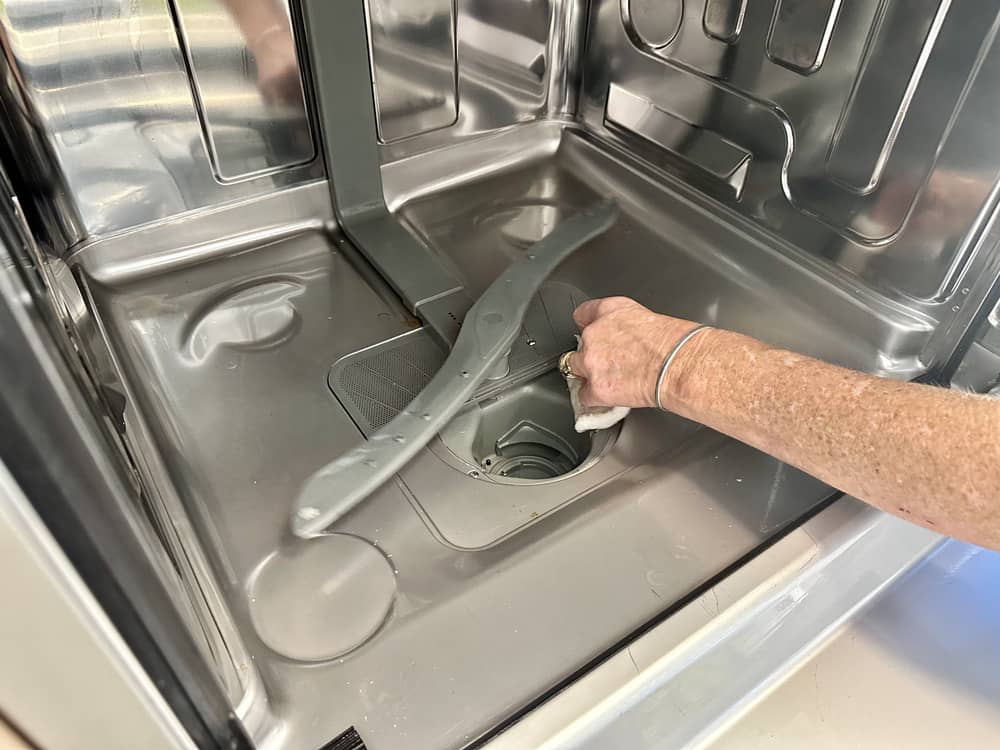
Credit: www.maid2match.com.au
Frequently Asked Questions
What Is The Best Way To Clean A Dishwasher Drain?
Clean the dishwasher drain by removing the bottom rack and unscrewing the drain cover. Clear debris and rinse with hot water. Use a soft brush to scrub remaining residue. Reassemble and run an empty cycle with vinegar to eliminate odors.
This ensures optimal dishwasher performance.
How To Get Rid Of Standing Water In A Dishwasher Drain?
Clear debris from the dishwasher filter. Check and unclog the drain hose. Run a vinegar rinse cycle to remove buildup.
Can You Use Vinegar And Baking Soda To Drain A Dishwasher?
Yes, vinegar and baking soda can unclog a dishwasher drain. Pour baking soda, then vinegar into the drain. Let it fizz for 15 minutes, then rinse with hot water. This method helps remove debris and odors effectively, ensuring your dishwasher runs smoothly.
Always check manufacturer guidelines before use.
What Can I Use To Unblock My Dishwasher Drain?
Use a mixture of baking soda and vinegar to unblock your dishwasher drain. Pour a cup of baking soda and then a cup of vinegar into the drain. Let it sit for 15 minutes, then flush with hot water. This method helps dissolve grease and debris.
Conclusion
Keeping your dishwasher drain clean ensures smooth operation. Regular cleaning prevents clogs and odors. Use vinegar and baking soda for effective cleaning. Check the drain for debris weekly. Remove any bits of food or dirt. Remember, a clean drain means cleaner dishes.
It saves time and energy. Simple maintenance can make a big difference. A clean dishwasher lasts longer. Spend a few minutes on this task monthly. It’s worth the effort. Enjoy cleaner dishes and fewer repairs. Now, take charge of your dishwasher’s health.
Keep it clean, keep it efficient.
