
Is your dishwasher turning into a mini swimming pool instead of the efficient cleaning machine it’s meant to be? A clogged dishwasher is not only frustrating, but it can also disrupt your daily routine.
The good news is, you don’t need to be a plumbing expert to fix this common issue. Imagine the relief of opening your dishwasher, knowing it’s going to work perfectly, leaving your dishes sparkling clean. In this guide, you’ll discover simple, effective steps to unclog your dishwasher and get it back in top working order.
Say goodbye to handwashing and hello to hassle-free dish cleaning. Ready to reclaim your kitchen’s best helper? Let’s dive in!
Credit: www.reddit.com
Identify The Problem
A clogged dishwasher often struggles to drain water properly. Check for debris in the filter and spray arms. Clear blockages to restore smooth operation.
Identifying the problem in a clogged dishwasher is crucial. Understanding the issue can save time and money. A clogged dishwasher doesn’t clean well. It can leave dishes dirty and water may not drain. Recognizing the signs helps in quick troubleshooting.
Common Signs Of Clogging
A clogged dishwasher often shows noticeable signs. Water pooling at the bottom is a clear indicator. Unpleasant odors might emanate from the machine. Dishes remain dirty or have residue. Strange noises during the cycle suggest a problem. Slow drainage is another common sign. These symptoms point to clogging issues.
Potential Causes
Various factors can cause a dishwasher clog. Food particles stuck in the filter are common culprits. Grease build-up in the drain hose can obstruct water flow. Foreign objects like bones or small utensils may block the spray arm. Hard water deposits might narrow the drain openings. Faulty drain pumps can also lead to clogs. Regular maintenance can prevent these issues.
Initial Troubleshooting Steps
Dealing with a clogged dishwasher can be frustrating. You want your appliance to run smoothly. Before calling a professional, try some initial troubleshooting steps. These steps might fix the problem quickly. Let’s explore what you can do.
Inspect The Drain
Check the drain for blockages. Look for food particles or debris. These can block water flow. Use a flashlight to see better. Remove any visible obstructions. Be careful not to damage the drain. If blocked, water won’t drain well. This could cause flooding.
Check The Filter
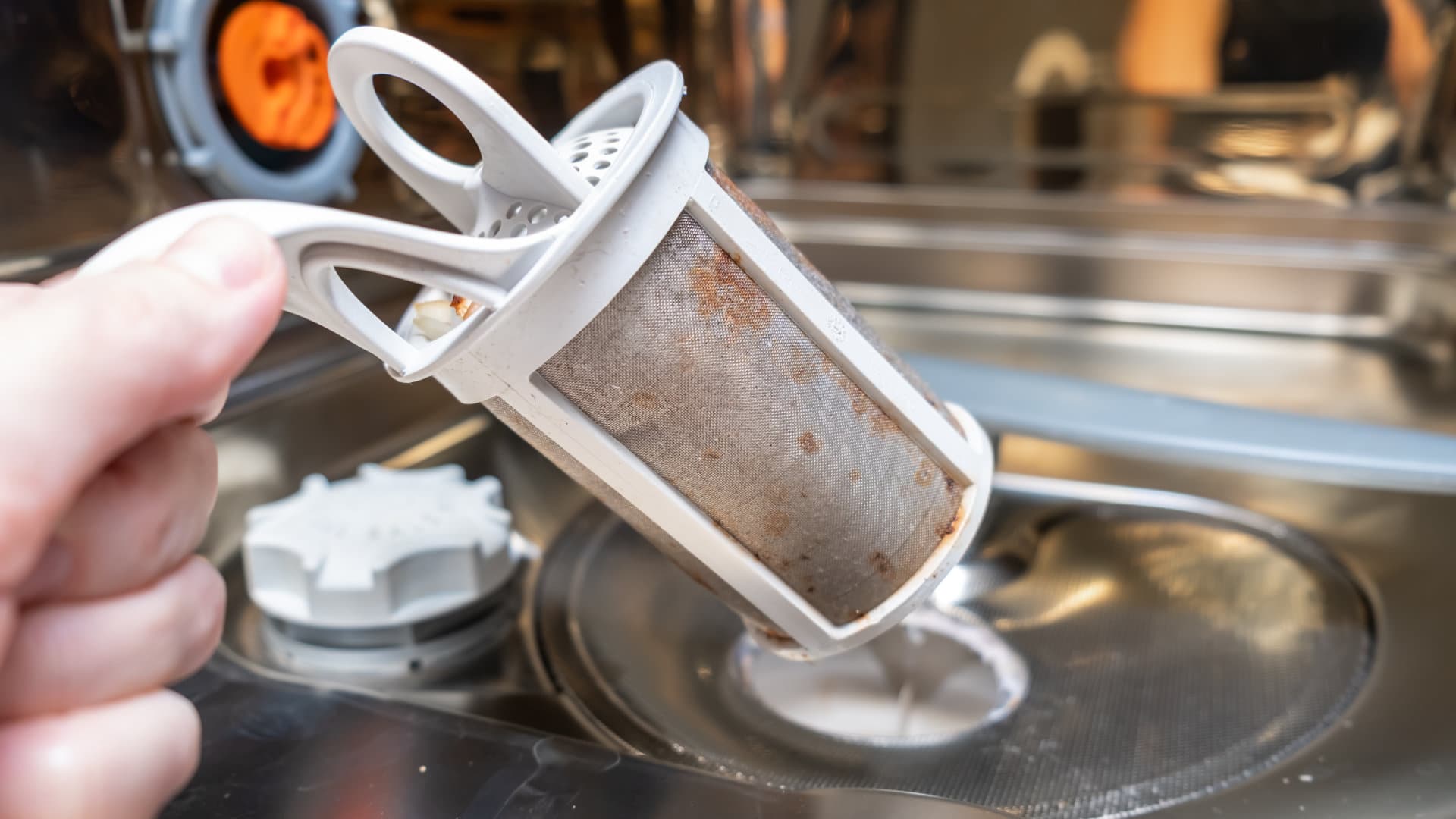
Filters catch food scraps and dirt. A clogged filter affects performance. Remove the filter carefully. Clean it with warm, soapy water. Rinse it thoroughly. Ensure it’s free of debris. Put it back in its place. A clean filter helps water flow smoothly.
Cleaning The Dishwasher
Dealing with a clogged dishwasher involves removing debris from the filter and spraying arms. Run hot water with vinegar for deep cleaning. Regular maintenance prevents future blockages and ensures sparkling dishes every time.
Cleaning the dishwasher is crucial to keeping it running smoothly and efficiently. A clogged dishwasher can be a real headache, but with a bit of effort, you can restore it to its optimal performance. By focusing on key areas like removing food particles and cleaning the spray arms, you can ensure your dishwasher remains a reliable kitchen companion.
Removing Food Particles
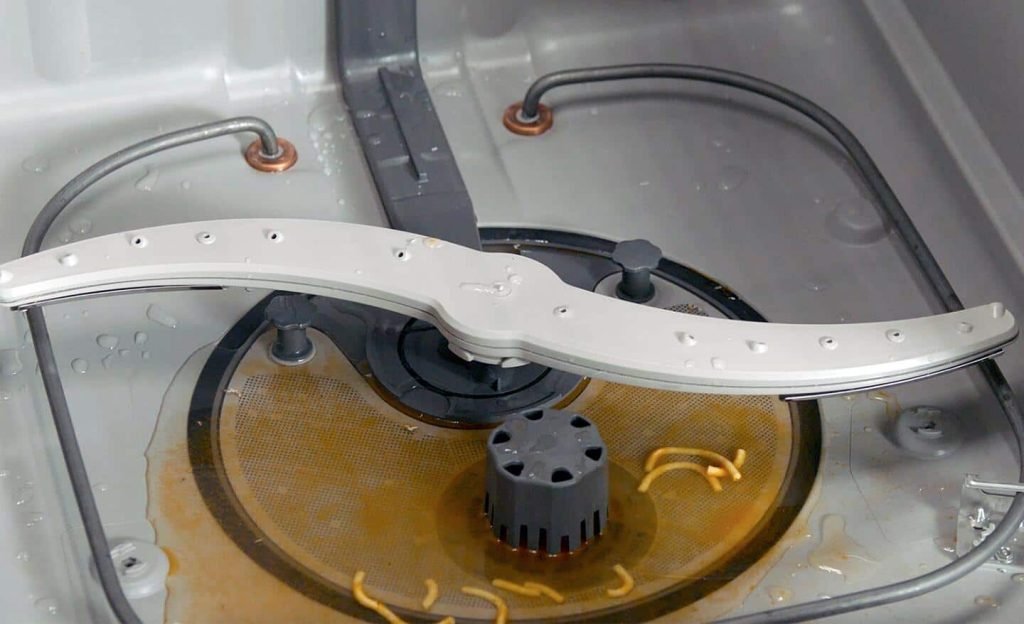
Start by examining the bottom of your dishwasher. This is where food particles tend to accumulate, leading to clogs. You might be surprised at the amount of debris that can gather here over time. Check the dishwasher filter, which is usually located at the bottom. Remove it and rinse it under hot water to clear away any trapped particles. A clean filter is essential for efficient water drainage and preventing future clogs. Look around the drain for any bits of food that might have slipped through. A simple wipe with a damp cloth can make a big difference. Regularly checking and cleaning these areas can prevent bigger problems down the line.
Cleaning The Spray Arms
The spray arms are vital for distributing water evenly across your dishes. If they’re clogged, your dishwasher won’t clean effectively. Detach them carefully to inspect for any blockages. Use a toothpick or small brush to clear any holes in the spray arms. It’s surprising how small particles can impact performance. Running water through them can also help dislodge stubborn debris. Reattach the spray arms securely. Ensure they spin freely and without obstruction. A well-maintained spray arm means cleaner dishes and a more efficient dishwasher overall. Have you ever found yourself re-washing dishes due to a clogged dishwasher? Taking these simple steps can save you time and frustration. Regular maintenance not only extends your dishwasher’s life but also ensures your dishes come out sparkling clean every time.

Credit: www.reddit.com
Unclogging The Drain Hose
The drain hose is a vital part of your dishwasher. It ensures water drains out smoothly. But sometimes, debris can clog it. This can affect your dishwasher’s performance. Cleaning the drain hose is important. It helps maintain the dishwasher’s efficiency. Below are steps to unclog the drain hose easily.
Disconnecting The Hose
Start by unplugging your dishwasher. Safety is crucial. Locate the drain hose. It’s usually at the back of the dishwasher. Loosen the clamps holding the hose. A screwdriver can help. Gently pull the hose away from the dishwasher. Be careful not to damage it.
Clearing Blockages
Inspect the hose closely. Look for visible blockages. Use a long wire or pipe cleaner. Push it through the hose. This will help remove debris. Run water through the hose afterward. Ensure the water flows freely. Reattach the hose to the dishwasher once clear. Tighten the clamps securely.
Using Diy Solutions
To clean a clogged dishwasher, start by removing any food debris from the filter. Next, pour a mixture of baking soda and vinegar down the drain. Run a hot water cycle to flush away the blockage. Regular maintenance helps prevent future clogs.
Cleaning a clogged dishwasher might seem daunting. DIY solutions offer simple ways to solve the problem. These methods use common household items. They’re effective and easy to follow.
Vinegar And Baking Soda Method
Vinegar and baking soda work well together. They break down clogs efficiently. First, remove the bottom rack of the dishwasher. Inspect the drain area for debris. Clear out any visible obstructions. Sprinkle one cup of baking soda around the drain. Then, pour one cup of vinegar over it. Let the mixture sit for 15 minutes. It will fizz and bubble, loosening the clog. After 15 minutes, run a hot water cycle without dishes. This helps flush away the residue. Repeat if necessary.
Hot Water Flush
Hot water can dislodge stubborn clogs. Begin by boiling a pot of water. Carefully pour the hot water into the dishwasher’s bottom. This method can help melt away grease and grime. Next, run an empty dishwasher cycle on the hottest setting. The force of the water can push through the blockage. Check the dishwasher drain after the cycle ends. If the clog persists, consider repeating the process.
Preventive Measures
Cleaning a clogged dishwasher involves checking filters and spray arms for debris. Regular maintenance can prevent blockages. Using vinegar and baking soda helps clear minor clogs efficiently.
Preventive measures keep your dishwasher working smoothly and avoid clogs. With a few simple habits, you can maintain its efficiency. This section outlines some key practices to help you achieve this.
Regular Cleaning Tips
Keep your dishwasher free from blockages with routine cleaning. Remove debris from the filter every week. This prevents food particles from accumulating and causing clogs. Use a damp cloth to wipe the door seals. This stops grime from building up, ensuring a proper seal. Run an empty cycle with vinegar monthly. This removes lingering odors and mineral deposits. Baking soda also helps keep the interior fresh.
Using Dishwasher Correctly
Correct usage extends your dishwasher’s lifespan and prevents clogs. Always scrape off large food bits before loading dishes. Arrange items properly, ensuring water can reach all surfaces. Avoid overloading, which restricts water flow and causes poor cleaning. Use the right detergent in the recommended amount. Excess soap leads to residue buildup and potential clogging. Regularly check and clean the spray arms. Ensure they’re not blocked by food or debris. These simple preventive measures maintain your dishwasher’s performance. Regular care avoids many common issues, keeping your appliance in top shape.
When To Call A Professional
Sometimes, a clogged dishwasher requires more than a basic fix. Your efforts may not yield results, leading to frustration. Identifying the right moment to call a professional can save time and prevent further damage.
A professional can address complex problems effectively. Their expertise ensures your dishwasher functions smoothly. Knowing when to seek their help is crucial.
Signs Of Serious Issues
Water not draining? It could signal a serious problem. Persistent noise during cycles indicates potential mechanical issues. Unpleasant odors might mean a deeper blockage.
If your dishwasher leaks, it is time to act. These signs often require professional attention. Ignoring them can lead to larger repairs.
Choosing A Repair Service
Research local repair services. Check reviews and ratings online. Verify their experience with your dishwasher brand.
Ask for quotes from different services. Compare costs and availability. Choose a service offering a warranty on repairs.
A reliable service ensures peace of mind. Your dishwasher will be in expert hands.
Credit: fredsappliance.com
Frequently Asked Questions
What’s The Best Way To Unclog A Dishwasher?
Clean the filter and remove debris from the drain. Run hot water and vinegar through the dishwasher. Check the garbage disposal for blockages. Inspect the spray arms for clogs. Regular maintenance helps prevent future issues.
Will Boiling Water Unclog The Dishwasher?
Boiling water can help unclog minor blockages in a dishwasher. Pour it directly into the drain area. Ensure no standing water is present before doing this. For severe clogs, consider professional assistance. Regular maintenance prevents future clogs. Use this method cautiously to avoid damaging components.
Can A Plunger Unclog A Dishwasher?
A plunger can sometimes unclog a dishwasher drain. Ensure the dishwasher is off and water is removed first. Use the plunger on the drain opening, applying firm pressure to dislodge any blockages. If the problem persists, consider professional assistance. Regular maintenance can prevent future clogs.
How Do I Get Rid Of Buildup In My Dishwasher?
Clean the dishwasher filter and spray arms regularly. Use a mixture of vinegar and baking soda for monthly cleaning. Run a hot cycle with the dishwasher empty. Use a commercial dishwasher cleaner periodically. Ensure proper loading to prevent buildup.
Conclusion
Cleaning a clogged dishwasher is simpler than it seems. Regular maintenance prevents future blockages. Check and clean the filter frequently. Remove debris from spray arms. Use vinegar to dissolve buildup. Baking soda helps with odors. Run a cleaning cycle monthly.
Avoid overloading the dishwasher. Proper loading ensures effective cleaning. Keep the drain clear of obstructions. These steps maintain your dishwasher’s efficiency. A clean dishwasher means cleaner dishes. Enjoy hassle-free dishwashing with these easy tips. Keep your appliance running smoothly and enjoy the benefits of a well-functioning dishwasher every day.
Happy cleaning!
