
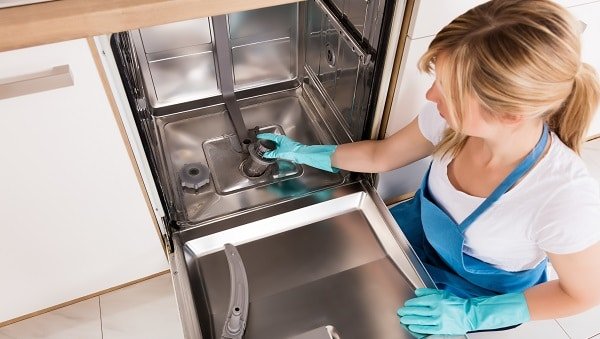
Is your KitchenAid dishwasher not performing at its best? You might notice leftover food particles, cloudy glasses, or even an unpleasant odor.
If so, it’s time for a thorough cleaning. While you might think your dishwasher cleans itself, it actually needs a bit of help to maintain its peak efficiency. A clean dishwasher means cleaner dishes, and who doesn’t want that? In this guide, you’ll discover how easy it is to clean your KitchenAid dishwasher and keep it running smoothly.
Not only will it save you time and frustration, but it will also extend the life of your appliance. Let’s dive into the simple steps to ensure your dishwasher is sparkling and efficient, making your life just a little bit easier.
Credit: www.kitchenaid.com
Preparation Steps
Start by unplugging the dishwasher and removing the bottom rack. Then, clean the filter using warm soapy water. Wipe the interior with a damp cloth and vinegar to remove grime.
Cleaning your KitchenAid dishwasher might seem like a daunting task, but with the right preparation, it becomes a breeze. Proper preparation is crucial for effective cleaning, ensuring that your appliance runs efficiently and lasts longer. Let’s dive into the essential preparation steps you should take before you start cleaning.Gather Necessary Supplies
Before you start, gather all the cleaning supplies you’ll need. This ensures you don’t have to pause midway through the cleaning process. Common supplies include a soft cloth, an old toothbrush, dish soap, vinegar, and baking soda. A soft cloth helps wipe down the exterior without scratching it. The toothbrush is perfect for scrubbing small, hard-to-reach areas. Vinegar and baking soda are natural cleaners that can tackle odors and remove grime effectively.Ensure Safety Precautions
Safety should always be a priority. Before you do anything else, unplug your dishwasher. If unplugging isn’t an option, at least make sure it’s turned off at the circuit breaker. Avoid using harsh chemicals that might damage the dishwasher or pose a risk to your health. Stick with mild, natural cleaning agents whenever possible. Have you ever cleaned a dishwasher only to find out it wasn’t unplugged? That’s a mistake you don’t want to repeat! Taking these safety precautions can save you from potential hazards and costly repairs. By following these preparation steps, you set yourself up for a smooth cleaning process. What other safety measures do you think are essential when cleaning household appliances?Cleaning The Exterior
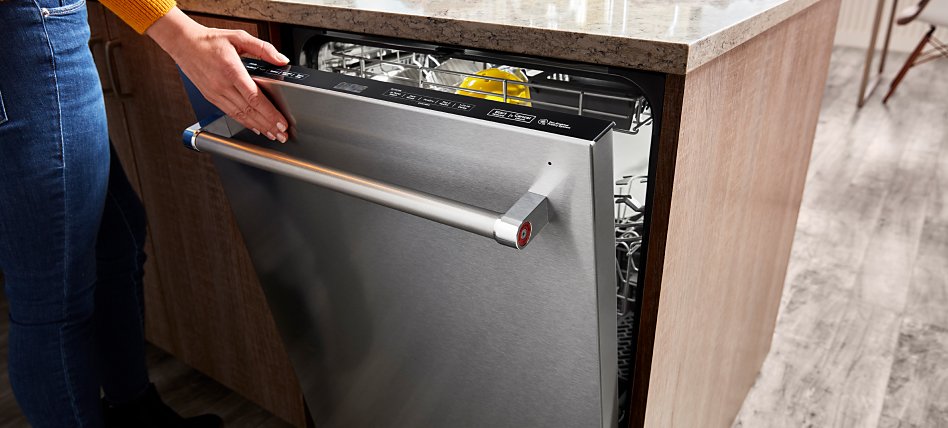
Cleaning the exterior of your KitchenAid dishwasher enhances its appearance and longevity. Regular attention prevents grime buildup, ensuring your appliance looks pristine. This process involves a few simple steps.
Wipe Down The Door
Begin with the dishwasher door. Use a soft cloth dampened with warm water. This removes dust and smudges effectively. For stubborn stains, add mild dish soap. Gently scrub the area in circular motions. Be sure to dry the surface with a clean towel afterward.
Clean Control Panel
The control panel requires careful cleaning. Avoid excessive moisture to prevent damage. A slightly damp microfiber cloth works best. Wipe gently to remove fingerprints and dirt. For stuck-on grime, a cotton swab can help. Focus on corners and edges where debris accumulates.
Cleaning The Interior
Maintaining a clean Kitchenaid dishwasher enhances its performance and longevity. Regular interior cleaning removes food particles, soap residue, and grime. A clean dishwasher ensures spotless dishes and prevents odors. Follow these steps to keep your dishwasher’s interior in top condition.
Remove And Rinse Racks
Take out the dishwasher racks with care. This gives easy access to the interior parts. Rinse them under warm water to remove food bits. Scrub any stubborn spots with a brush. Make sure to clean any hidden edges or corners. Let them dry completely before putting them back.
Inspect And Clean Spray Arms
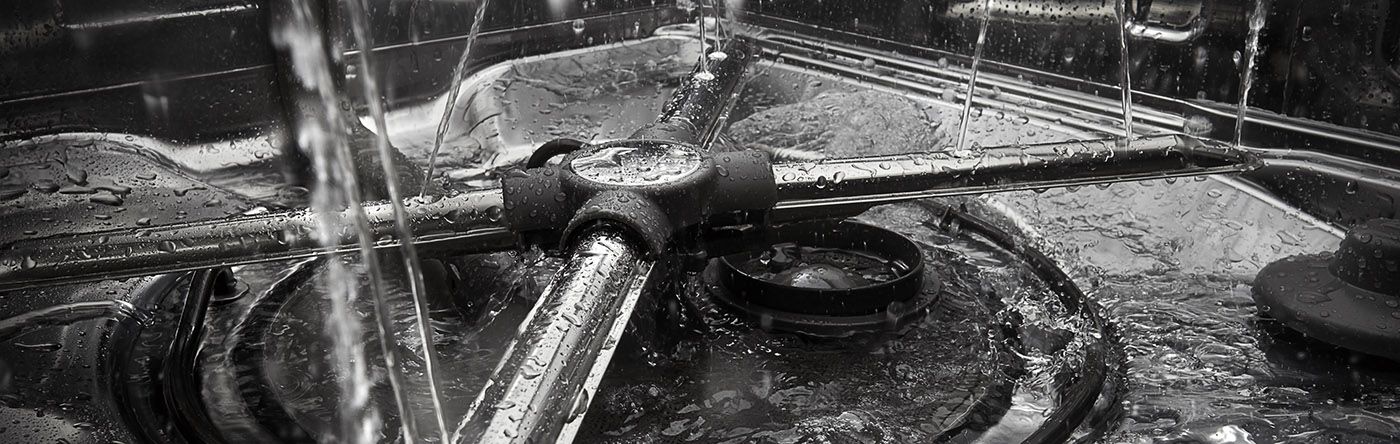
Examine the spray arms for clogs. Food particles can block the holes, impacting cleaning efficiency. Remove the spray arms gently if possible. Use a toothpick to clear any debris from the holes. Rinse them under warm water. Make sure each hole is free from blockage. Reattach the spray arms securely.
Dealing With Filters
Cleaning a KitchenAid dishwasher filter involves removing the bottom rack. Locate the filter assembly at the bottom. Twist to unlock and lift out the filter. Rinse it under warm water to remove debris. Reassemble by placing it back and twisting to secure.
Regular maintenance ensures efficient performance.
Cleaning a KitchenAid dishwasher can be a simple task, but dealing with filters requires special attention. Filters play a crucial role in ensuring your dishwasher runs efficiently by trapping food particles and preventing them from clogging the system. Ignoring them can lead to unpleasant odors and even affect the dishwasher’s performance. So, let’s dive into how you can effectively manage the filters in your KitchenAid dishwasher.Locate The Filter
First, you need to know where the filter is situated. Most KitchenAid dishwashers have a filter located at the bottom of the dishwasher tub. Open the dishwasher and remove the bottom rack to gain access. Look for a round, mesh-like component that is usually placed near the center. Isn’t it satisfying to know exactly where to look? Once you locate it, you’re halfway there.Clean And Replace Filter
Now that you’ve found the filter, it’s time to clean it. Twist the filter counterclockwise to remove it from its base. Rinse it under running water, using a soft brush to scrub away stubborn debris. Have you ever noticed how much better your dishwasher smells after a good filter cleaning? Place the cleaned filter back by aligning it properly and twisting it clockwise to lock it in place. Make sure it’s secure, as a loose filter can lead to more debris getting into the system. Remember, a clean filter means a cleaner dishwasher and spotless dishes. How often do you clean your dishwasher’s filter? If not regularly, it might be time to start!Addressing Hard Water Deposits
Remove hard water deposits from your Kitchenaid dishwasher easily. Start by placing a cup of white vinegar on the top rack. Run a hot water cycle to dissolve mineral buildup.
Are you battling those stubborn hard water deposits in your KitchenAid dishwasher? These mineral buildups can not only affect the efficiency of your machine but also leave unsightly spots on your dishes. Fear not, there’s a simple and effective way to address this issue and restore your dishwasher to its gleaming best.Use Vinegar For Mineral Buildup
Vinegar is your best friend when it comes to tackling hard water deposits. This common kitchen staple is a powerful cleaning agent that can dissolve mineral buildup effectively. Start by emptying your dishwasher. Pour about two cups of white vinegar into a dishwasher-safe bowl. Place this bowl on the top rack. Run the dishwasher on a hot water cycle. The vinegar will break down the minerals and leave your dishwasher sparkling clean. Have you ever noticed how vinegar can transform even the grimiest surfaces? It’s remarkable, isn’t it?Run A Hot Water Cycle
After using vinegar, follow up with a hot water cycle to further dislodge any remaining deposits. Set your dishwasher to the hottest setting and run a full cycle without any detergent. This ensures that all mineral traces are washed away. Consider doing this once a month. It keeps your dishwasher running efficiently and prevents future buildups. Have you ever wondered why hot water is so effective at removing stubborn stains? It loosens the minerals, making them easy to wash away. What’s your experience with hard water deposits? Share your thoughts below and let’s tackle these cleaning challenges together!
Credit: www.youtube.com
Maintaining Dishwasher Freshness
Keeping your KitchenAid dishwasher fresh is crucial for efficiency. A clean dishwasher ensures that your dishes come out spotless. Regular cleaning prevents the buildup of unpleasant smells. It also extends the lifespan of your appliance. Let’s explore some effective ways to maintain dishwasher freshness.
Utilize Baking Soda
Baking soda is a natural deodorizer. Sprinkle a cup at the bottom of the dishwasher. Run a short, hot cycle. This helps eliminate lingering odors. Baking soda also helps remove stains. Use it regularly for a fresh-smelling dishwasher.
Regular Maintenance Tips
Check the filter regularly. Remove debris to keep it clear. Clean the spray arms. Ensure they are free from clogs. Wipe the door edges. Use a damp cloth for this task. Inspect the seals for mold and residue. Clean them with a mild detergent. Run an empty cycle with white vinegar monthly. This helps remove mineral buildup. Keep the door slightly open between uses. It prevents moisture buildup inside.
Credit: www.kitchenaid.com
Frequently Asked Questions
Do Kitchenaid Dishwashers Have A Filter To Clean?
Yes, KitchenAid dishwashers have a filter that needs regular cleaning. This filter traps food particles and debris. It’s essential to clean it periodically to ensure optimal performance and efficiency. Regular maintenance keeps your dishwasher running smoothly and prevents clogs. Always refer to your dishwasher’s manual for specific cleaning instructions.
How Do I Deep Clean The Inside Of My Dishwasher?
Clean the filter and spray arms. Use vinegar and baking soda for a deep clean. Run a hot cycle. Wipe the door and seals with a damp cloth. Ensure no food debris remains.
Can You Use Vinegar In A Kitchenaid Dishwasher?
Yes, you can use vinegar in a KitchenAid dishwasher. It helps remove odors and mineral buildup. Place a cup of vinegar on the top rack and run a normal cycle. Avoid using it with detergent, as it can cause damage.
How To Sanitize On A Kitchenaid Dishwasher?
Select the “Sanitize” cycle on your KitchenAid dishwasher to eliminate bacteria. Ensure your dishwasher is loaded correctly. Add detergent and close the door securely. Press “Start” to begin the cycle, which uses high temperatures for effective sanitization. Regularly check the manual for specific instructions related to your model.
Conclusion
Keeping your Kitchenaid dishwasher clean helps it work better. Regular maintenance prevents buildup. Follow simple steps for best results. Remove food particles often. Clean the filter monthly. Use vinegar to tackle odors. Wipe the door seals weekly. Use a soft brush for hard-to-reach areas.
Ensure spray arms are unclogged. Run a cleaning cycle with hot water. Check manufacturer’s guidelines for specific instructions. A clean dishwasher prolongs its life. It saves money and effort in the long run. Enjoy spotless dishes and a fresh kitchen.
