
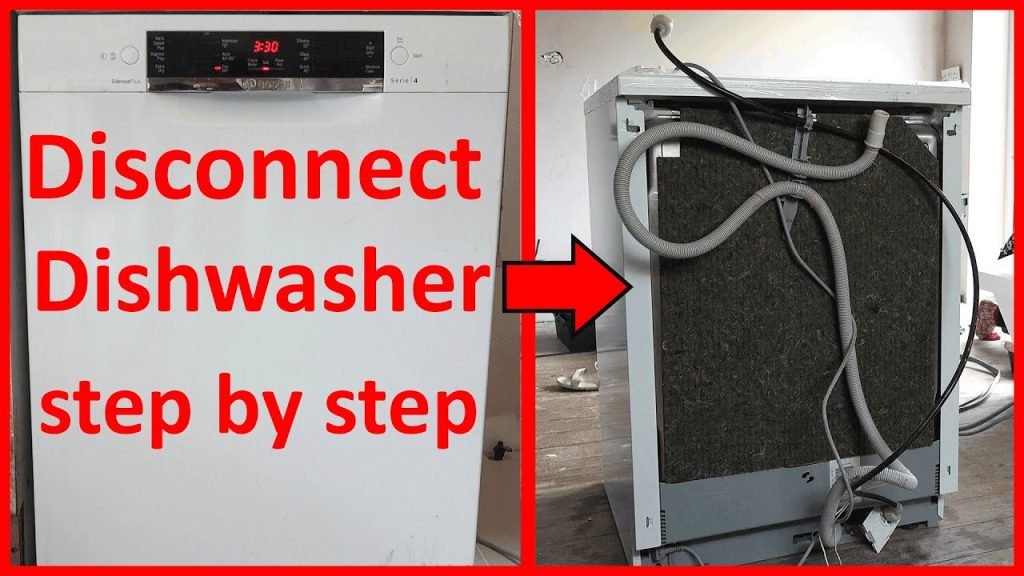
Are you ready to tackle a home project that could save you both time and money? If you’ve ever wondered how to disconnect a dishwasher, you’re in the right place.
Whether you’re preparing for a kitchen remodel or simply upgrading your appliances, knowing how to safely and efficiently disconnect your dishwasher is a handy skill to have. Imagine the satisfaction of handling this on your own without waiting for a professional.
Not only will you gain confidence in your DIY abilities, but you’ll also have the peace of mind knowing your kitchen is in safe hands—yours! Stick around to uncover the simple steps to take this task from daunting to doable. Your kitchen transformation starts here!
Tools Needed
Disconnecting a dishwasher might seem daunting without the right tools. Using the correct tools ensures a smooth and safe process. This section outlines essential tools needed for disconnecting a dishwasher, making the task manageable for anyone.
Adjustable Wrench
An adjustable wrench is crucial for loosening connections. It handles different nut sizes. Ensure it fits snugly around nuts for secure removal.
Screwdriver
A screwdriver is necessary for removing screws. These hold the dishwasher in place. Choose the right type: Phillips or flat-head. This depends on the screws used in your dishwasher.
Bucket
A bucket is needed to catch any water. Disconnecting hoses may cause water to spill. A bucket helps keep the area dry and clean.
Towels
Towels or rags are useful for wiping spills. They help maintain a dry workspace. Have a few handy during the disconnecting process.
Pliers
Pliers are useful for gripping and pulling. They aid in removing clamps or hoses. Ensure a firm grip for safe removal.
Flashlight
A flashlight illuminates dark areas. It helps see clearly under the sink or behind the dishwasher. A bright light ensures you don’t miss anything important.
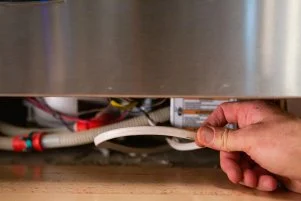
Credit: www.hgtv.com
Safety Precautions
Always ensure safety by turning off the power supply before disconnecting a dishwasher. Handle water connections carefully to prevent spills or leaks.
Disconnecting a dishwasher might seem like a straightforward task, but ensuring safety is crucial. It’s easy to overlook the risks associated with water and electricity. By taking the right precautions, you prevent potential hazards and make the process smooth and worry-free.Turn Off The Power
Before you do anything else, make sure the power is off. Locate the circuit breaker that controls your dishwasher and switch it off. You don’t want to deal with unexpected electric shocks. It’s a small step that makes a big difference.Shut Off The Water Supply
Find the valve under your sink that supplies water to the dishwasher. Turn it off to prevent any leaks or water damage. Trust me, dealing with water flooding your kitchen is not the mess you want to clean up later.Wear Protective Gear
Safety goggles and gloves are your friends here. They shield you from potential splashes and sharp edges. You might think it’s overkill, but protecting your eyes and hands is worth it.Have A Towel Or Bucket Ready
As you disconnect hoses, water might spill. Having a towel or bucket on hand can save you from a slippery floor. It’s a simple preparation step that keeps things tidy and safe.Use A Flashlight
Under-sink areas and circuit boxes can be poorly lit. A flashlight helps you see clearly, making sure you don’t miss any connections. It’s a practical tool that enhances your safety and precision.Clear The Area
Keep your workspace free from clutter. Move any items that could trip you up or get wet. This keeps the area safe and accessible as you work. Do you remember the last time you neglected a safety measure and regretted it? These precautions are not just steps; they’re peace of mind. By following these guidelines, you ensure that disconnecting your dishwasher is not just a task, but a safe and confident experience.Power Supply Disconnection
Disconnecting a dishwasher’s power supply is crucial. It ensures safety during the removal process. This step prevents electrical hazards and potential damage. Follow these simple steps to safely disconnect the power.
Switch Off The Circuit Breaker
First, locate the circuit breaker panel. Find the switch that controls your dishwasher. Turn it off. This action stops electricity from flowing to the appliance. It’s a necessary precaution. It reduces the risk of electric shock.
Unplug The Power Cord
Next, unplug the dishwasher’s power cord. Check for an electrical outlet behind the dishwasher. Gently pull the cord from the outlet. Ensure the cord is entirely disconnected. This step completes the power disconnection. It allows you to proceed safely with the removal.
Water Supply Shutoff
Turning off the water supply is the first step to disconnecting a dishwasher. Shut off the valve under the sink to stop the water flow. Then, carefully remove the water line attached to the appliance.
Disconnecting a dishwasher might seem daunting, but it can be a straightforward task if you know the steps. One of the first and most crucial steps is shutting off the water supply. This ensures that you avoid any unwanted leaks or spills, making the process cleaner and hassle-free. Without this step, you might find yourself in a puddle of regret—literally! So, let’s dive into how you can effectively shut off the water supply.Locate The Water Valve
Your dishwasher’s water valve is typically located under the kitchen sink. You might find it among a jungle of pipes, but don’t worry, it’s usually the one with a small handle or lever. Take a moment to look around and spot it. Sometimes, the valve might be hidden behind cleaning supplies or other items. Make sure to clear the area for easy access.Turn Off The Valve
Once you’ve located the valve, turning it off is simple. Rotate the handle or lever clockwise until it stops. This action cuts the water supply to your dishwasher. You might feel some resistance, especially if it hasn’t been turned in a while. If that’s the case, apply gentle pressure without forcing it to avoid damaging the valve. Have you ever struggled with a valve that wouldn’t budge? It’s a common issue, and sometimes a bit of WD-40 can help loosen it up. Remember, turning off the water supply is a small step that can save you from potential water damage and a big mess. Have you ever had an unexpected leak because of skipping this step? Before you move on to the next part of disconnecting your dishwasher, double-check that the valve is fully closed. This ensures you have a dry workspace and peace of mind.Drain Hose Removal
Disconnecting a dishwasher often involves removing the drain hose. This step ensures water doesn’t back up into your kitchen. The drain hose carries dirty water from the dishwasher. Removing it is necessary for maintenance or moving the appliance.
Access The Drain Hose
First, find the drain hose. Open the cabinet under your sink. Look for a flexible hose connected to the dishwasher. It’s usually attached to the garbage disposal or sink pipe.
Detach From The Sink Or Disposal
Next, you must detach the hose. Use a screwdriver to loosen the clamp holding the hose. Carefully pull the hose off the sink or disposal connection. Be ready for water spills, so keep a towel nearby. Ensure the hose is completely detached before moving forward.
:max_bytes(150000):strip_icc()/how-to-remove-a-dishwasher-2718671-01-7478b7c0b2d641b1bad6a4ba64ad1a77.jpg)
Credit: www.thespruce.com
Dishwasher Unmounting
Disconnecting a dishwasher might seem tough. But it’s manageable with the right steps. The unmounting process includes a few crucial actions. Understanding these actions ensures a smooth transition. It involves removing the dishwasher from its place. This task can be safe and simple with proper guidance.
Remove Mounting Brackets
Begin by locating the mounting brackets. These brackets secure the dishwasher in place. They are usually found under the countertop. Use a screwdriver to unscrew these brackets carefully. Ensure you support the dishwasher while doing this. Keep the screws in a safe place. You might need them later.
Slide Out The Dishwasher
Once the brackets are removed, proceed to slide out the dishwasher. Ensure the water supply is off and the power is disconnected. Gently pull the dishwasher forward. Use both hands for better control. Watch out for hoses and wires attached at the back. These need to be handled with care. Check the area for any obstructions. This prevents any damage during the sliding process.
Electrical Wiring Disconnection
Disconnecting a dishwasher involves a few simple steps to ensure safety. First, turn off the power supply. Then, disconnect the water supply and drain lines carefully. Finally, remove the dishwasher from its position, ensuring all connections are safely detached.
Disconnecting a dishwasher might sound daunting, especially when it involves dealing with electrical wiring. However, with the right steps and a bit of patience, you can handle it safely. The key is understanding how to disconnect the electrical components without causing damage or risking injury.Open The Junction Box
To start, locate the junction box, usually found behind the dishwasher’s kick plate. Once found, remove the screws and open the cover. Remember to ensure that the power to the dishwasher is turned off at the circuit breaker. Why is this important? Safety is paramount. Opening the junction box without cutting power can lead to electrical shock. Always double-check before proceeding.Disconnect Wires Safely
Inside the junction box, you will see a few wires connected with wire nuts. Carefully untwist the wire nuts to release the wires. Keep track of where each wire was connected; taking a photo can be a helpful reference. Separate the wires gently. Avoid tugging or pulling harshly, as this can damage the wiring. If you’re unsure about which wires to disconnect, consult the dishwasher’s manual or seek professional advice. Have you ever wondered why the wiring is so complex? Each wire plays a crucial role in powering different dishwasher functions. Understanding this complexity can help you appreciate the importance of a careful disconnection process. Once disconnected, secure the wires with electrical tape to prevent any contact. This simple step ensures that everything remains safe and organized until you’re ready to reconnect or replace the dishwasher. Feeling a bit more confident about tackling the electrical disconnection? With these steps, you can approach this task with greater assurance. Remember, preparation and caution are your best allies.Transport And Storage Tips
Disconnecting a dishwasher is a task many homeowners face. Once removed, attention shifts to transporting and storing the appliance. Proper handling ensures longevity and prevents damage.
Preparing The Dishwasher For Transport
Clean the dishwasher thoroughly before moving it. Remove any food particles or debris. Secure loose parts like racks and baskets. This prevents movement during transit.
Securing The Appliance During Transport
Wrap the dishwasher in protective materials. Use blankets or bubble wrap. This shields it from scratches and dents. Secure it tightly in the moving vehicle. Ensure it doesn’t shift while driving.
Choosing The Right Storage Location
Pick a dry storage space. Moisture can damage internal components. Avoid places with extreme temperatures. A garage or basement works well.
Maintaining The Dishwasher In Storage
Check the dishwasher periodically. Look for signs of rust or mold. Keep it covered to protect from dust. Maintain a steady temperature around it.
Ensuring Safety And Security
Lock the storage area if possible. This prevents unauthorized access. Label the dishwasher clearly. Easy identification aids quick retrieval.
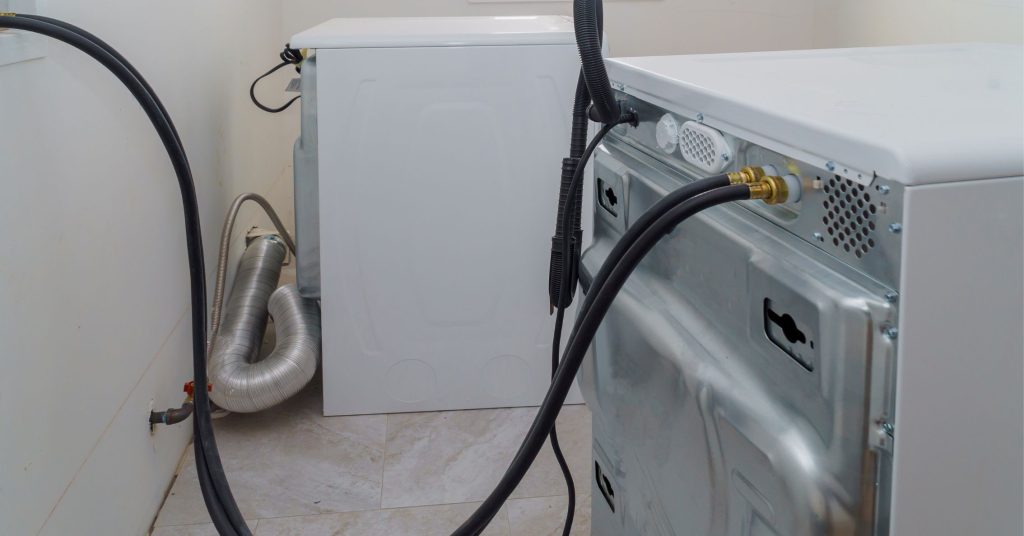
Credit: nationwideappliancerepairs.com.au
Frequently Asked Questions
Can I Disconnect A Dishwasher Myself?
Yes, you can disconnect a dishwasher yourself. First, turn off the water and power supply. Next, detach the hoses and remove screws. Follow the manufacturer’s instructions for specific guidance. Ensure safety precautions to avoid damage or injury.
Do You Have To Turn Off The Water To Disconnect A Dishwasher?
Yes, turn off the water supply before disconnecting a dishwasher. This prevents leaks and ensures safety. Locate the shut-off valve under the sink or near the dishwasher. Turn it clockwise to stop the water flow. Always check for any remaining water in the hoses before proceeding.
How Do I Disconnect The Power To My Dishwasher?
Turn off the power at the circuit breaker panel. Unplug the dishwasher from the electrical outlet if accessible.
Is There A Shut-off Valve For The Dishwasher?
Yes, dishwashers typically have a shut-off valve. It’s usually located under the kitchen sink. This valve allows you to stop the water supply to the dishwasher, useful during maintenance or emergencies. Ensure the valve is easily accessible for quick access when needed.
Conclusion
Disconnecting a dishwasher is simpler than it seems. Start by unplugging the power cord. Safety first. Next, turn off the water supply. Follow the hose connection to the valve. Then, detach the drainage hose. Use a towel to catch any spills.
Unscrew the mounting brackets. Careful not to damage the surrounding area. Slide the dishwasher out gently. Check for any leftover connections. You’re done! With patience and basic tools, anyone can do it. Always remember to consult your dishwasher’s manual for specifics.
Now, you can easily disconnect your dishwasher without stress.

Hi, I’m Daniel Harper, a senior editor here at KitchenBucks.com. For over 10 years, I’ve been exploring kitchen gadgets and appliances to help people find tools that truly add value without breaking the bank. I love simplifying product choices so you can focus more on cooking and less on worrying about what to buy. When I’m not reviewing the latest gadgets, you’ll usually find me experimenting with coffee brewing or firing up the grill for a weekend barbecue.