

Imagine opening your dishwasher after a wash cycle, expecting sparkling clean dishes, but instead, you’re greeted by an unpleasant odor or even a few leftover food particles. It’s frustrating, isn’t it?
You might be surprised to learn that your dishwasher, the very appliance that cleans your dishes, needs a good cleaning itself from time to time. Disinfecting your dishwasher is essential not only for ensuring the cleanliness of your dishes but also for maintaining the appliance’s efficiency.
If you’re wondering how to effectively disinfect your dishwasher, you’re in the right place. You’ll discover simple, actionable steps to ensure that your dishwasher is as clean as the dishes it holds. Stick around to learn the secrets to a spotless, odor-free appliance that will make dishwashing a breeze.
Credit: www.homedepot.com
Gathering Necessary Supplies
Start by collecting white vinegar, baking soda, and a clean cloth. These items help to clean effectively. Ensure you have a toothbrush or small brush to reach tight spots.
Disinfecting your dishwasher is crucial for maintaining a clean and hygienic kitchen environment. It might sound surprising, but even a machine that cleans needs a little cleaning itself. Before you jump into scrubbing, gathering the right supplies is essential. Having everything on hand will make the process smooth and efficient. So, what do you really need to get started?Choosing The Right Cleaning Agents
First, let’s talk about cleaning agents. Not all products are created equal, and the wrong choice could damage your dishwasher. White vinegar is a popular option due to its natural disinfecting properties. You can also use baking soda for tackling stubborn odors and stains. If you prefer store-bought cleaners, look for dishwasher-specific solutions. These are formulated to clean without harming the internal components. Be cautious with bleach—it’s effective but can be harsh on certain materials. Always read the labels to ensure compatibility.Essential Tools For Cleaning
Now, onto the tools. A soft-bristled brush is a must-have for reaching into crevices and scrubbing away grime. A toothbrush can work wonders for cleaning small parts like the spray arms. Keep a microfiber cloth handy for wiping down surfaces without scratching them. Consider using a small bowl or cup to hold your cleaning solutions. This keeps your hands free and makes application easier. Don’t forget a pair of rubber gloves to protect your skin from harsh chemicals. What tools do you find indispensable when cleaning? Gathering these supplies might seem like a chore, but it’s a worthwhile investment in your kitchen’s hygiene. Imagine the satisfaction of knowing every part of your dishwasher is sparkling clean.Pre-cleaning Preparations
Preparing a dishwasher for disinfection involves removing dishes and debris first. Clear the filter and wipe down the interior surfaces. Use a damp cloth to ensure all visible dirt is gone before applying disinfectant.
Before you dive into disinfecting your dishwasher, setting the stage with the right pre-cleaning preparations can make all the difference. A well-prepared cleaning process ensures you don’t miss any hidden spots, making your dishwasher not only cleaner but also more efficient. Think of this phase as laying down a solid foundation for the deep cleaning to come.Emptying The Dishwasher
Start by removing all the dishes, utensils, and racks from your dishwasher. Give yourself a clear view of the interior, ensuring no corner is overlooked. It’s surprising how much grime can accumulate in the nooks and crannies when your dishwasher is full. Take a moment to inspect the racks you’ve removed. Are there any bits of food or residue clinging to them? If so, rinse them with warm water to avoid spreading that grime back into the clean dishwasher later.Checking Filters And Drain
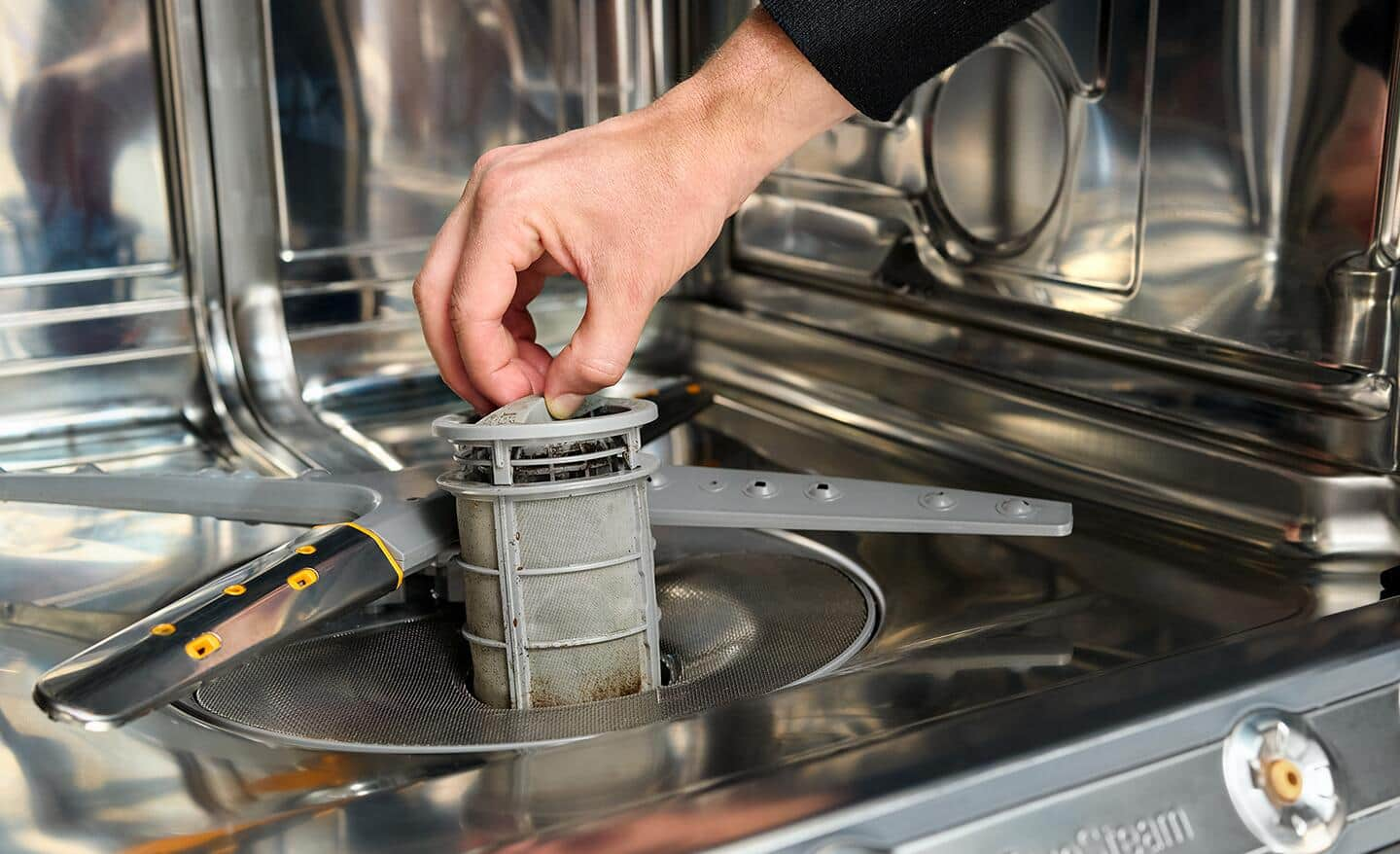
Next, locate the dishwasher filter and drain. These components are crucial for keeping your dishwasher running smoothly. A clogged filter can lead to unpleasant odors and inefficient cleaning cycles. Remove the filter carefully and rinse it under running water. You might be amazed at the debris that accumulates here. For stubborn buildup, a soft brush can help dislodge grime without damaging the filter. Don’t forget the drain area. Use a damp cloth to wipe around it, ensuring there’s no food residue stuck there. This simple step can prevent future blockages and keep your dishwasher smelling fresh. When you take these pre-cleaning steps, you’re setting yourself up for success. Each action is a small investment in the longevity and performance of your appliance. Are there any other pre-cleaning steps you swear by? Share your tips in the comments below!Cleaning The Interior
Disinfecting a dishwasher ensures it runs efficiently and hygienically. Cleaning the interior is a crucial step. This involves targeting specific parts. Each part plays a role in maintaining cleanliness. Spray arms and walls are often overlooked. Addressing these parts can improve your dishwasher’s performance.
Targeting The Spray Arms
Spray arms play a vital role in cleaning. They distribute water throughout the dishwasher. Over time, debris can block the holes. This affects water flow. Remove the spray arms carefully. Use a toothpick or a small brush to clear the holes. Rinse them under warm water. Ensure all debris is removed. This restores optimal performance.
Scrubbing The Walls And Racks
The walls and racks collect grime and soap scum. These can affect cleanliness. Use a mixture of vinegar and baking soda. This natural solution is effective. Apply it to a sponge. Scrub the walls and racks gently. Focus on corners and crevices. These areas trap most dirt. Rinse with warm water. Ensure no residue is left.
Credit: www.homedepot.com
Disinfecting Techniques
Cleaning your dishwasher regularly ensures it runs efficiently. Disinfecting your dishwasher prevents the buildup of bacteria and mold. Using natural ingredients can be both effective and safe. Let’s explore some simple disinfecting techniques.
Using Vinegar For Disinfection
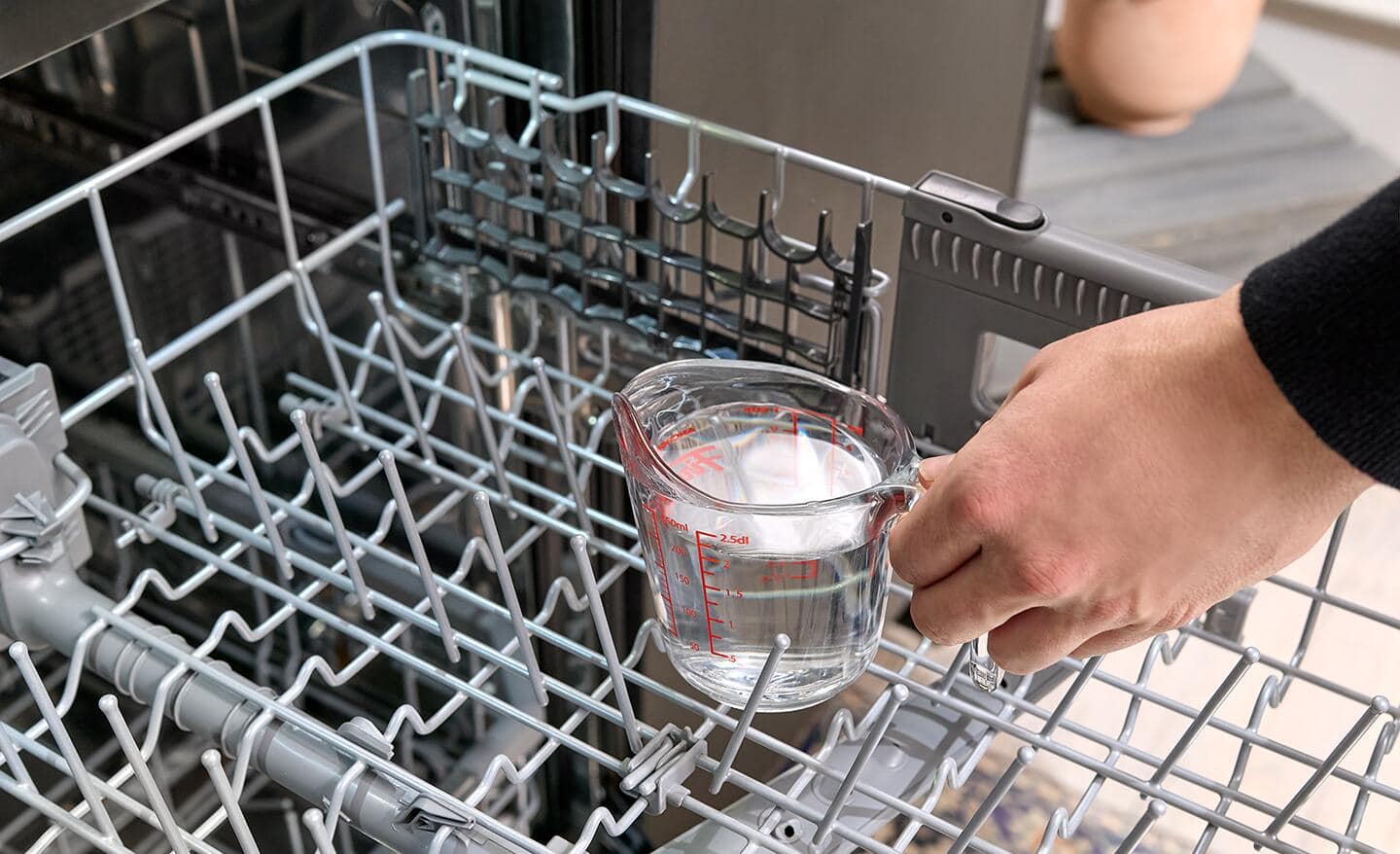
Vinegar is a powerful cleaning agent. It helps dissolve grease and grime. Pour one cup of white vinegar into a bowl. Place the bowl on the top rack of your empty dishwasher. Run a hot water cycle. This process eliminates bacteria and odors.
Applying Baking Soda For Extra Cleanliness
Baking soda enhances the cleaning process. Sprinkle one cup of baking soda on the bottom of the dishwasher. Run a short hot water cycle. Baking soda removes stains and freshens the appliance. This method ensures your dishwasher looks and smells clean.
Maintenance Tips
Maintaining a clean dishwasher ensures its efficiency and longevity. Regular care prevents unpleasant odors and bacteria buildup. Here, we offer easy tips to keep your dishwasher in top shape.
Regular Cleaning Schedule
Establishing a routine cleaning schedule is crucial. Empty the dishwasher completely before cleaning. Remove and wash the filter with warm, soapy water. This prevents food particles from clogging it. Wipe down the interior walls with a damp cloth. Focus on corners and crevices where grime accumulates. Monthly, run a cycle with vinegar. It helps in dissolving grease and deodorizes the machine. Baking soda can be sprinkled on the bottom for extra freshness.
Preventing Mold And Mildew
Moisture leads to mold and mildew growth. After each cycle, leave the door slightly open. This allows air circulation and reduces moisture. Inspect the rubber seal around the door regularly. Wipe it with a mixture of water and vinegar. This keeps mold and mildew at bay. Ensure the seal is not worn or damaged. Replace it promptly if needed. Using a dishwasher-safe cleaner can also help. It prevents microbial growth inside the machine.

Credit: www.onegoodthingbyjillee.com
Troubleshooting Common Issues
Disinfecting a dishwasher involves using white vinegar and baking soda. Run an empty cycle with a cup of vinegar in the top rack. Sprinkle baking soda on the bottom, and run a short cycle. This routine helps remove odors and bacteria, keeping your dishwasher clean and hygienic.
Keeping your dishwasher clean is essential for efficiency. Yet, problems like odors and stains may arise. These issues are often easy to solve. Addressing them promptly ensures your dishwasher works well. It also helps in maintaining the hygiene of your dishes.Addressing Unpleasant Odors
Unpleasant smells can develop in your dishwasher. They often come from trapped food particles. Empty the dishwasher and check the filter. Remove any debris you find. Run a hot water cycle with vinegar. This helps neutralize odors. Baking soda is another effective option. Sprinkle it on the bottom and run a short cycle. The dishwasher should smell fresh afterward.Handling Persistent Stains
Stains can be stubborn. They affect the appearance of your dishwasher. To tackle them, prepare a paste of baking soda and water. Apply it to the stained areas. Let it sit for a few minutes. Scrub gently with a soft brush. Rinse with warm water. For tougher stains, use a dishwasher cleaner. Follow the instructions on the package. Regular cleaning prevents stain build-up. It keeps your dishwasher looking new. `Frequently Asked Questions
How Do I Sterilize My Dishwasher?
Clean the dishwasher filter. Place a cup of white vinegar on the top rack. Run a hot water cycle. Sprinkle baking soda on the bottom and run a short cycle. Wipe down the interior with a damp cloth.
How To Sanitize The Inside Of A Dishwasher?
Clean the filter and racks. Use vinegar in a dishwasher-safe bowl on the top rack. Run a hot cycle. Sprinkle baking soda on the bottom. Run a short cycle. Wipe seals and door edges with a damp cloth. Ensure proper drainage and keep the dishwasher slightly open to prevent odors.
What Kills Bacteria In The Dishwasher?
High temperatures and strong detergents kill bacteria in the dishwasher. The heat effectively sanitizes dishes, while detergents break down and remove bacteria. Regularly cleaning the dishwasher also ensures optimal hygiene.
Is Bleach Or Vinegar Better To Clean The Dishwasher?
Vinegar is safer and more natural for cleaning dishwashers. It removes odors and residue effectively. Bleach can damage seals and is harsh on the environment. Use vinegar regularly for maintenance and odor control. Avoid bleach unless necessary for deep cleaning.
Conclusion
Cleaning your dishwasher is essential for its efficiency. Regular disinfecting keeps it fresh and hygienic. Simple steps can make a big difference. Use vinegar or baking soda for natural cleaning. Run a hot cycle to kill germs. Don’t forget to wipe the seals and spray arms.
A clean dishwasher works better and lasts longer. Always check for mold or mildew. Keep it smelling fresh with routine maintenance. Follow these tips for a spotless appliance. Enjoy sparkling dishes every time. Your kitchen deserves a clean dishwasher.
