
Is your dishwasher leaving puddles of water at the bottom after a cycle? It can be frustrating to discover that your trusty kitchen helper isn’t draining as it should.
But before you call in an expensive repair service, there’s good news: you can often resolve this issue yourself with just a little know-how. Understanding how to drain a dishwasher could save you time, money, and a lot of headaches.
In this guide, we’ll walk you through simple, step-by-step solutions to get your dishwasher back in tip-top shape. So, roll up your sleeves and discover how you can tackle this common household problem with confidence and ease. Your sparkling clean dishes are just a few steps away!

Credit: www.wikihow.com
Common Causes Of Dishwasher Drain Issues
Dishwashers are a kitchen must-have, making cleanup fast and easy. But sometimes, they encounter drain issues. Understanding what causes these problems helps in keeping the dishwasher running smoothly. Let’s explore some common causes of dishwasher drain issues.
1. Clogged Filters
Clogged filters often lead to drainage problems. Food particles and debris get trapped in the filter. This blockage prevents water from draining. Cleaning the filter regularly ensures smooth drainage.
2. Blocked Drain Hose
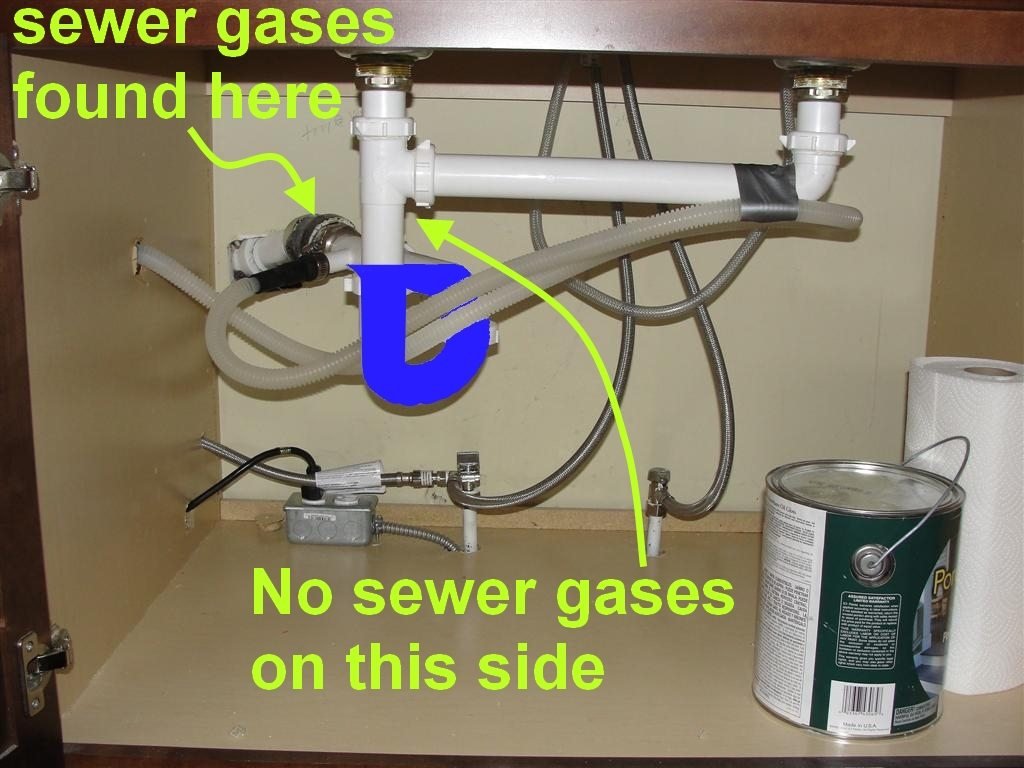
A blocked drain hose can cause water to back up. Kinks or clogs in the hose restrict water flow. Check for bends or blockages in the hose. Straighten or clean it to restore proper drainage.
3. Faulty Drain Pump
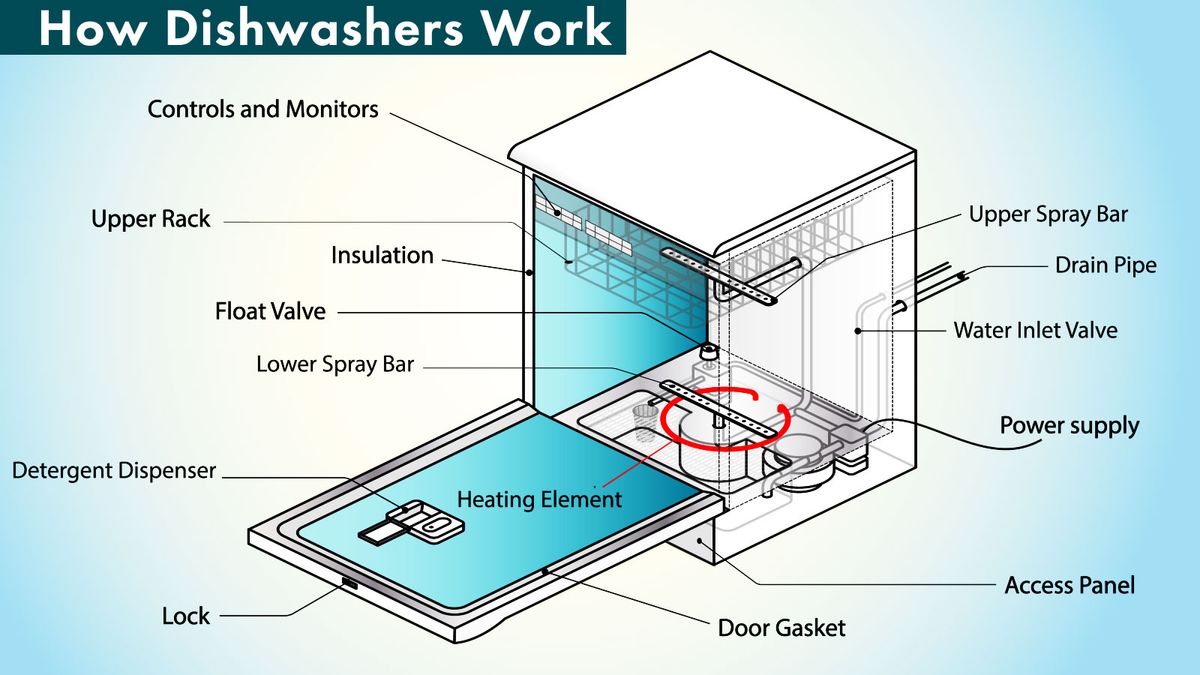
The drain pump pushes water out of the dishwasher. If it malfunctions, water remains inside. Listen for unusual noises from the pump. Replacing a faulty pump resolves drainage issues.
4. Garbage Disposal Issues
Dishwashers often connect to garbage disposals. A clogged disposal affects the dishwasher’s drainage. Ensure the disposal is clear of debris. Run the disposal regularly to prevent clogs.
5. Air Gap Blockage
An air gap prevents dirty water from siphoning back. If blocked, it hinders drainage. Check the air gap for debris. Clean it to maintain proper water flow.
6. Incorrect Installation
Improper installation leads to drainage problems. Check if the dishwasher is level. Ensure the drain hose is correctly positioned. Proper installation prevents many drain issues.
Credit: home.howstuffworks.com
Essential Tools For Draining A Dishwasher
Draining a dishwasher requires essential tools like a bucket, towel, and a screwdriver. These help remove water effectively. A flashlight can also assist in spotting clogs, ensuring smooth drainage.
When your dishwasher isn’t draining properly, it can quickly turn a convenient kitchen tool into a frustrating headache. Having the right tools can make the process of draining your dishwasher much easier and hassle-free. You’ll be surprised at how a few simple items can save you time and effort, allowing you to get back to your routine without a hitch. Let’s dive into the essential tools you need to efficiently drain your dishwasher.1. Bucket Or Large Bowl
You don’t want water spilling all over your kitchen floor. A bucket or a large bowl is essential for catching the water as you manually drain your dishwasher. Choose one that’s big enough to hold all the water but small enough to fit under your dishwasher.2. Towels Or Rags
Accidents happen, and some water might still escape. Having towels or rags on hand will help you quickly mop up any spills. They’re also useful for drying the area once the dishwasher is fully drained.3. Screwdriver
Dishwashers often have panels that need to be removed to access the drain. A screwdriver is a handy tool for this job. Make sure you know whether your dishwasher needs a Phillips or flathead screwdriver.4. Drain Snake Or Wire Hanger
Clogs are a common reason for drainage issues. A drain snake or a simple wire hanger can help you remove blockages from the dishwasher’s pipes. Be careful to avoid damaging the pipes while doing this.5. Wet/dry Vacuum
A wet/dry vacuum can be a lifesaver if you’re dealing with a lot of water. It’s efficient at sucking up water quickly, making the draining process faster. Plus, it’s versatile enough to clean up spills elsewhere in your home.6. Plunger
A small plunger can help dislodge minor clogs. This tool is especially useful if you suspect food particles are causing the blockage. Be gentle to avoid damaging the dishwasher components.7. Flashlight
Dishwashers can be dark and cramped, making it hard to see what you’re doing. A flashlight will help you see inside the machine and identify any issues. It’s particularly useful when checking for clogs or leaks. Have you considered how these tools could make the task less daunting? With these items, you’re not just draining water; you’re taking control of a common household issue. Next time your dishwasher acts up, you’ll be prepared to handle it with confidence and ease.Step-by-step Guide To Drain A Dishwasher
Draining a dishwasher might seem daunting, but it’s a straightforward task. With a systematic approach, you can ensure your dishwasher runs smoothly. This guide will help you drain a dishwasher step-by-step. Follow the instructions carefully to avoid common problems. Your dishwasher will thank you for the attention.
Preparing Your Workspace
Start by turning off the dishwasher. Unplug it from the power source. Safety first. Place towels around the base. They will soak up any spills. Ensure you have a flashlight handy. It helps in dark corners.
Inspecting The Drain Hose
Locate the drain hose at the back. Check for any kinks or bends. Straighten it if necessary. Ensure it’s not damaged. A damaged hose can cause leaks. Replacing a faulty hose is essential.
Clearing Blockages
Use a wire hanger to clear blockages. Gently insert it into the hose. Twist it to dislodge debris. Remove any food particles carefully. This ensures water flows freely. Clean regularly for best results.
Checking The Garbage Disposal
If connected, check the garbage disposal. Ensure it’s clear of clogs. Turn on the disposal to clear debris. A clogged disposal can affect draining. Keep it clean for efficient draining.
Cleaning The Filter
Remove the filter at the bottom. Rinse it under running water. Use a brush to remove residue. A clean filter improves water flow. Reinstall it properly. Regular cleaning extends its lifespan.
Preventing Future Drain Problems
Keeping your dishwasher in good condition prevents drain issues. Proper care ensures smooth operation and extends its lifespan. Simple actions can make a big difference. Let’s explore some practical tips.
Regular Maintenance Tips
Clean the filter regularly. A clogged filter can cause drainage issues. Check for food particles and debris. Run an empty cycle with vinegar monthly. This helps remove buildup and odors. Inspect the drain hose for kinks or blockages. Replace if damaged. Ensure the air gap is clear. This prevents backflow into the dishwasher.
Best Practices For Dishwasher Use
Scrape off excess food before loading dishes. This prevents clogs in the system. Avoid overloading the dishwasher. This ensures water circulates properly. Use the right amount of detergent. Excess soap can create residue. Choose the correct cycle for your load. This optimizes cleaning and drainage. Allow the dishwasher to complete its drying cycle. Opening the door early can cause water to remain.
When To Call A Professional
If a dishwasher won’t drain despite basic troubleshooting, it might be time to call a professional. Persistent clogs or faulty components require expert attention to prevent further damage.
When your dishwasher stops draining, it can be frustrating. Sometimes, simple DIY fixes work. But there are times when you should call a professional. Knowing when to seek help can save time and prevent damage.Signs Of Serious Issues
Water not draining might mean a clogged hose. If you smell bad odors, it could be mold or mildew. Loud noises are signs of mechanical problems. Strange vibrations can mean loose parts. If these occur, call a professional.Choosing The Right Technician
Finding a skilled technician is crucial. Check online reviews for local experts. Ask friends for recommendations. Make sure they are licensed and insured. A good technician will explain the problem clearly. They will also offer a fair price for repairs.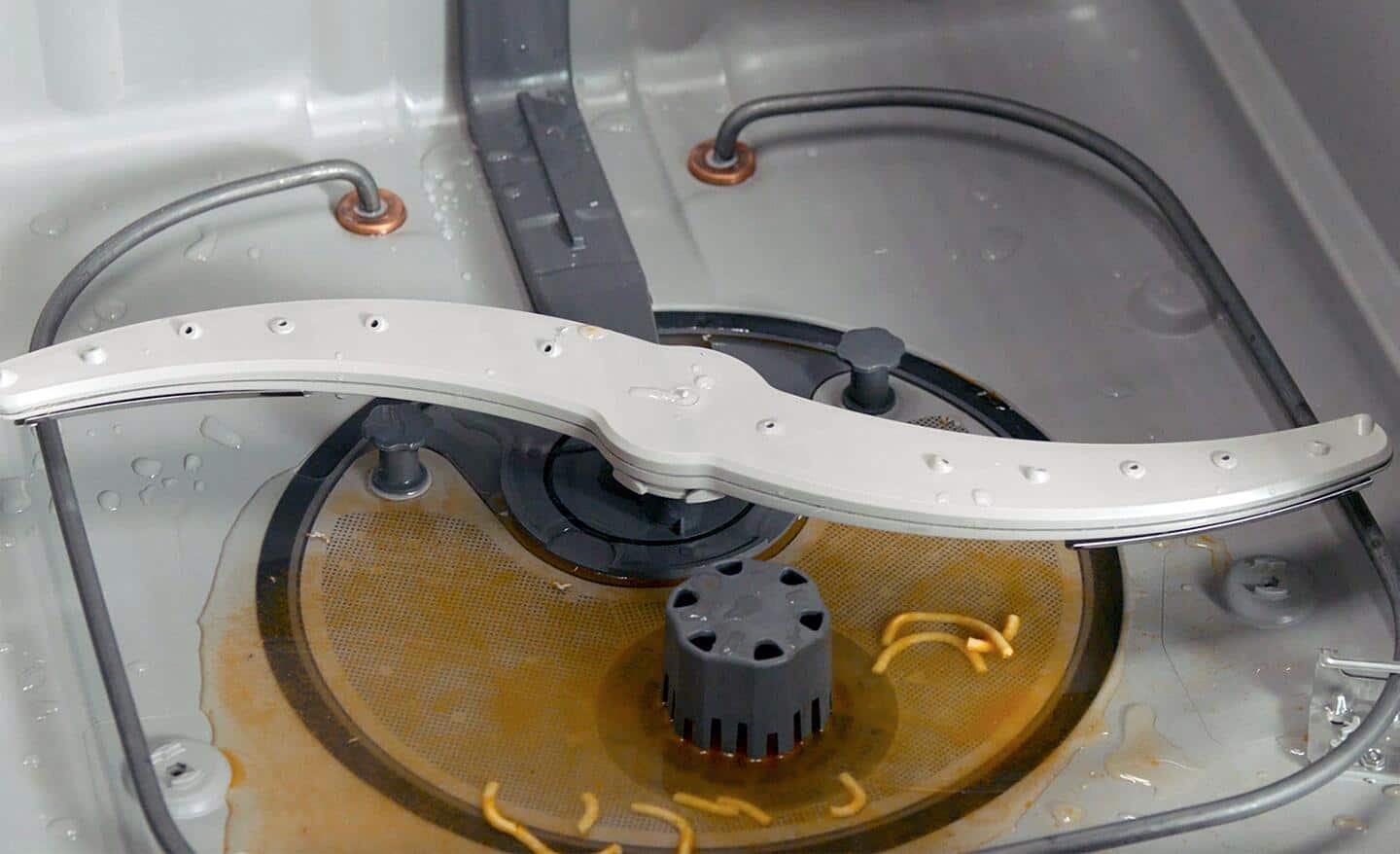
Credit: www.homedepot.com
Frequently Asked Questions
How To Drain Standing Water From A Dishwasher?
First, turn off the dishwasher and unplug it. Check and clean the filter and drain hose. Use towels or a sponge to soak up excess water. If needed, remove the standing water manually with a bowl or cup. Reassemble and test the dishwasher to ensure proper drainage.
How Do You Force A Dishwasher To Drain?
To force a dishwasher to drain, check the drain hose for clogs or kinks. Clear any blockages. Also, clean the filter and ensure the garbage disposal is unclogged if connected. Reset the dishwasher by turning off power and restarting. If issues persist, consult the manual or contact a professional.
What Button To Press To Drain A Dishwasher?
Press the “Cancel” or “Drain” button on your dishwasher to drain it. This button activates the pump to remove water. If there’s no specific button, consult your dishwasher manual for instructions. Ensure the door is closed properly to initiate the draining process.
How Do I Empty The Water Out Of The Dishwasher?
To empty water from the dishwasher, first, unplug it and remove the bottom rack. Check for clogs in the drain. Use a towel or sponge to soak up excess water. Reconnect and test the dishwasher. Regular maintenance can prevent future drainage issues.
Conclusion
Draining a dishwasher doesn’t have to be hard. Follow simple steps. Ensure safety first. Disconnect power before starting. Locate the drain hose. Check for blockages. A clean hose ensures smooth draining. Regular maintenance prevents future issues. Inspect and clean filter regularly.
Don’t forget to check your owner’s manual. It offers specific guidance. Efficient draining enhances dishwasher performance. Saves time and effort. A well-maintained dishwasher lasts longer. Remember, routine checks keep your dishwasher in top shape. Enjoy hassle-free dishwashing.
