

Imagine this: you walk into your kitchen and notice a small puddle of water under your dishwasher. Your heart sinks.
A leaking dishwasher is not just an inconvenience; it can lead to bigger problems like water damage to your floor and cabinets. But don’t worry—you’re not alone, and you don’t have to call a plumber just yet. We’re going to guide you through the simple steps to fix a leaking dishwasher yourself.
Whether it’s a loose hose or a worn-out gasket, we’ll help you identify the problem and fix it. By the end of this guide, you’ll not only save money on repair bills but also gain the satisfaction of solving the issue with your own hands. So, grab your toolkit and let’s get started! Your kitchen’s safety and your peace of mind are just a few steps away.

Credit: www.youtube.com
Common Causes Of Dishwasher Leaks
Discovering a puddle of water under your dishwasher can be a frustrating experience. Understanding the common causes of dishwasher leaks can help you fix the problem quickly and efficiently. By identifying these issues, you can save yourself from costly repairs and prevent further damage to your kitchen.
Faulty Door Seal
The door seal, also known as the gasket, keeps water inside the dishwasher during a cycle. Over time, this seal can wear out or become damaged. When this happens, water may escape through gaps in the door.
Check your door seal for visible cracks or tears. If you notice any, replacing the seal is often an easy and affordable solution. A snug door seal is crucial to maintaining a leak-free dishwasher.
Cracked Hoses And Tubes
Hoses and tubes transport water in and out of your dishwasher. If they crack or become brittle, leaks can occur. Inspect these components regularly for any signs of wear or damage.
You can replace faulty hoses yourself with a few basic tools. Make sure to use the correct replacement parts for your specific dishwasher model. A small investment in new hoses can prevent a big mess in your kitchen.
Loose Pump Connections
The pump is responsible for circulating water during the wash cycle. If the connections to the pump become loose, water can leak out. Tightening these connections might solve your problem.
Check the pump area for any visible signs of leakage. Ensuring a secure fit at each connection point can help you avoid further leaks. Don’t forget to turn off the power before attempting any repairs.
Blocked Drain
A blocked drain can cause water to back up and leak out of the dishwasher. Food particles, grease, and other debris can accumulate over time, leading to clogs.
Cleaning the drain regularly can prevent blockages. A simple mix of baking soda and vinegar can help clear stubborn clogs. Keeping your drain clear not only prevents leaks but also ensures your dishwasher runs smoothly.
Have you ever found yourself in the middle of a dishwasher crisis, wondering what went wrong? Addressing these common causes of leaks can transform your dishwasher woes into a thing of the past. Next time you notice a leak, remember these tips to get your dishwasher back to its leak-free glory.
Inspecting For Leaks
A leaking dishwasher can cause stress and inconvenience. To fix it, you must inspect for leaks. This step is crucial. Identifying the leak source saves time and effort. Follow these steps to find and fix the problem.
Checking The Door Seal
The door seal keeps water inside the dishwasher. Inspect it for damage or wear. Open the door and run your hand along the seal. Feel for cracks or gaps. Replace the seal if necessary. This prevents water from escaping during cycles.
Examining Hoses And Tubes
Hoses and tubes carry water to and from the dishwasher. Check for leaks or loose connections. Look for any visible cracks or holes. Tighten any loose connections found. If damaged, consider replacing the hoses. This ensures a proper water flow.
Assessing Pump Connections
The pump moves water inside the dishwasher. Inspect the pump connections for leaks. Ensure they are secure and tight. If they seem worn or damaged, replace them. Proper pump connections prevent water leaks during operation.
Clearing The Drain
A blocked drain causes water to back up and leak. Check the drain for debris or blockages. Clean it thoroughly to ensure smooth water flow. A clear drain helps prevent water overflow. This step is vital for a leak-free dishwasher.
Fixing Door Seal Issues
Leaking dishwashers often stem from door seal issues. Replacing the seal can prevent water from escaping during cycles. Proper alignment of the seal ensures a tight fit, keeping your kitchen floor dry and safe.
When your dishwasher starts leaking, it’s easy to feel overwhelmed. But before you panic, consider that the problem might be as simple as a faulty door seal. Fixing door seal issues is often a straightforward task that can save you time and money. Let’s dive into some practical steps to tackle this common problem.Replacing The Seal
If your dishwasher door seal is worn or damaged, replacing it is a smart move. Begin by purchasing a new seal that matches your dishwasher model. You can usually find this information in the manual or on the manufacturer’s website. Once you have the new seal, remove the old one by gently pulling it from the groove. It might be sticky, but a firm tug should do the trick. Clean the groove thoroughly to ensure the new seal fits perfectly. Install the new seal by pressing it into the groove, making sure it sits evenly. You’ll know it’s in place when it fits snugly without any loose sections. This simple action can make your dishwasher leak-free again.Cleaning The Seal
Sometimes, a dirty seal is all it takes to cause a leak. Regular cleaning can prevent this issue and extend the life of your dishwasher. Use a damp cloth to wipe down the seal, removing any food particles or residue that might be stuck. Pay attention to the corners where debris often accumulates. A toothbrush can be handy for scrubbing these tight spots. A clean seal ensures a tight closure, keeping water where it belongs—inside the dishwasher. Have you ever thought about how much dirt builds up over time? Regular maintenance not only prevents leaks but also keeps your dishwasher running efficiently. So, make it a habit to clean the seal as part of your routine. By addressing door seal issues, you can maintain your dishwasher’s performance and avoid unexpected water messes. Have you checked your dishwasher’s seal lately? It might be time to give it some attention.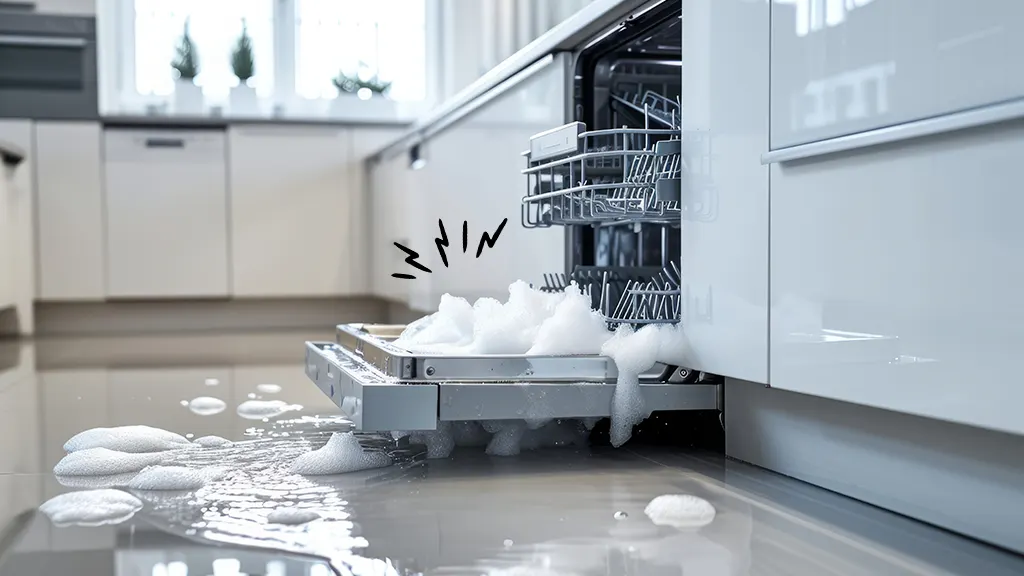
Credit: www.asurion.com
Repairing Hose And Tube Leaks
Fixing a leaking dishwasher often involves checking hoses and tubes for damage. Tighten loose connections or replace faulty parts to stop leaks. Regular maintenance helps prevent future issues.
Repairing a leaking dishwasher can feel like a daunting task, especially when it involves hose and tube leaks. However, with the right approach, you can tackle these issues without calling in a professional. Leaks often occur where the hoses and tubes connect to the dishwasher or the sink, and sometimes, all it takes is a bit of tightening or replacing a faulty part.Tightening Connections
One of the simplest solutions to hose and tube leaks is to ensure that all connections are tight. When was the last time you checked these? Over time, vibrations from the dishwasher can cause connections to loosen. Begin by turning off the power and water supply to your dishwasher. This step ensures your safety as you work. Next, use a wrench to gently tighten any loose connections. Be careful not to overtighten, as this can damage the threads. It’s a straightforward step that often resolves minor leaks.Replacing Damaged Parts
Sometimes, tightening isn’t enough because the hose or tube itself is damaged. Look closely for signs of wear, such as cracks or bulges. These indicate that a replacement is necessary to prevent further leaking. To replace a damaged hose or tube, start by purchasing a new one that matches the specifications of your dishwasher model. You can find this information in your dishwasher’s manual or on the manufacturer’s website. Once you have the right part, remove the old hose or tube by unscrewing it from the connections and attach the new one. Remember to secure it tightly, yet gently, to avoid future leaks. A personal tip: keep a towel handy to catch any residual water that might spill during the replacement process. A small precaution can save you from a bigger mess! Have you ever wondered why these leaks seem to happen at the most inconvenient times? It’s often due to wear and tear that goes unnoticed until a problem arises. By regularly checking and maintaining your dishwasher’s hoses and tubes, you can prevent leaks from disrupting your routine. Wouldn’t you agree that a little maintenance goes a long way?Addressing Pump Connection Problems
Dishwashers are a kitchen essential, but they can become a hassle when leaks start appearing. One common source of these leaks is the pump connection. Addressing pump connection problems can save you from a watery mess and further damage. Let’s dive into some practical solutions for securing loose connections and replacing faulty pumps.
Securing Loose Connections
Loose connections can be a straightforward fix if you know where to look. First, unplug your dishwasher to ensure safety. Next, access the pump area, usually located beneath the appliance.
Check all the hoses connected to the pump. Are they tightly secured? If not, tighten them using a screwdriver or pliers. A simple twist can prevent water from escaping.
Remember when I thought my dishwasher was beyond repair? Tightening a loose hose stopped the leak instantly. It’s surprising how such a small fix can make a huge difference.
Have you inspected the seals? A worn-out seal can also lead to leaks. Replace them if necessary. A small investment in a new seal can save you from larger repair costs.
Replacing Faulty Pumps
If securing connections doesn’t solve the issue, the pump itself might be faulty. Replacing it is more complex but doable with patience. Begin by purchasing a pump compatible with your dishwasher model.
Disconnect the old pump, following the manufacturer’s instructions. It might be tempting to rush, but take your time to avoid damaging other components.
Install the new pump, ensuring all connections are tight and secure. Testing your dishwasher after installation is crucial. Run a cycle and watch closely for any signs of leaks.
Does the idea of replacing a pump seem daunting? Remember that every expert started as a novice. With each step, you’re gaining skills that can save you time and money in the future.
What’s the worst that can happen if you don’t address pump connection problems promptly? Water damage can escalate, leading to costly repairs or replacements. Tackling these issues head-on can prevent a minor inconvenience from becoming a major problem.
Unblocking The Drain
Fixing a leaking dishwasher can be simple. Check for loose or damaged hoses. Tighten or replace them if needed. Ensure the door seal is clean and intact. Regular maintenance prevents future leaks.
Unblocking the drain of a dishwasher can feel daunting, especially when water starts pooling at the bottom. But fear not, the process is more straightforward than you might think. Addressing a clogged drain involves a few simple steps that can save you the hassle of a flooded kitchen.Removing Food Debris
Food particles often accumulate in the dishwasher, blocking the drain. Start by checking the bottom of your dishwasher for any visible debris. Remove the bottom rack to gain better access to the drain area. Use a paper towel or a soft brush to gently clean out the debris you find. If your dishwasher has a removable filter, take it out and rinse it under running water to clear any clogs. A clean filter ensures smooth water flow and prevents future blockages.Using Drain Cleaners
When manual cleaning doesn’t completely solve the problem, you might consider using a drain cleaner. Opt for a cleaner that is safe for dishwashers to avoid damaging the machine. Before pouring the cleaner, ensure the dishwasher is empty. Pour the recommended amount of cleaner into the drain and let it sit for the suggested time. Run a hot water cycle to flush out the cleaner and any remaining debris. You’ll likely notice the water drains more efficiently, restoring your dishwasher’s performance. If a drain cleaner doesn’t do the trick, it might be time to check the pipes for any further obstructions. This step may require professional help, but often, these initial actions resolve the issue. Why wait for a minor problem to become a major headache? By tackling the drain blockage head-on, you ensure your dishwasher runs smoothly and efficiently. Have you ever tackled a dishwasher drain yourself? What method worked best for you?Preventing Future Leaks
Fixing a leaking dishwasher involves checking door seals, unclogging drain filters, and tightening hose connections. Regular maintenance prevents future leaks and ensures efficient performance. Inspect for any cracks and replace damaged parts promptly.
A leaking dishwasher can disrupt your daily routine and potentially cause water damage to your kitchen floor. Once you’ve tackled the immediate issue, it’s crucial to think about preventing future leaks. This is not just about fixing the problem but ensuring it doesn’t happen again. With a bit of regular care and smart usage, you can keep your dishwasher running smoothly for years.Regular Maintenance Tips
Regular maintenance is your first line of defense against dishwasher leaks. Start by checking the door seals. They can wear out over time, allowing water to escape. If you notice any cracks or hard spots, it’s time to replace them. Clean the dishwasher’s filter regularly. A clogged filter can cause water to back up and leak. Simply remove it and rinse it under running water to remove food particles. Inspect the spray arms for blockages. Clogged spray arms can cause uneven water distribution, leading to leaks. Use a toothpick to clear any debris from the holes.Using Dishwasher Safely
How you use your dishwasher can also play a big role in preventing leaks. Avoid overloading it. Cramming dishes in can prevent the door from sealing properly, causing water to spill out. Use the right detergent. Using too much or the wrong type can create excessive suds, leading to overflow. Stick to detergents specifically designed for dishwashers. Pay attention to how you load dishes. Ensure that nothing is obstructing the spray arms or door. This ensures the water circulates correctly and the door seals tightly. Have you ever caught a leak early and wondered what could have happened if you hadn’t? Regular checks and mindful usage can save you from messy cleanups and costly repairs. What simple step will you take today to prevent a future leak?
Credit: www.wikihow.com
Frequently Asked Questions
Why Is My Dishwasher Leaking From The Underneath?
A dishwasher leaking from underneath may be due to a damaged door seal, clogged drain, or faulty pump. Check for blockages, inspect seals, and ensure all components are properly connected. Regular maintenance can prevent leaks.
Can A Leaking Dishwasher Be Repaired?
Yes, a leaking dishwasher can often be repaired. Identify the leak source first. Common issues include faulty door seals, loose hoses, or broken water valves. Consult a professional if unsure. Regular maintenance prevents future leaks. Always ensure proper installation and use recommended detergents.
What Is The Most Common Reason Dishwasher Leaks?
The most common reason for dishwasher leaks is a faulty door seal. Worn or damaged seals cause water to escape. Regularly check and clean the door gasket to prevent this issue. If the seal is damaged, replace it promptly for effective leak prevention and efficient dishwasher performance.
How To Figure Out Where A Dishwasher Is Leaking?
Check the door seal, hose connections, and under the dishwasher for leaks. Examine the float switch and pump. Inspect for cracks or damage in hoses and seals. Ensure proper alignment and installation. Regular maintenance helps prevent leaks. Detecting the source quickly ensures efficient repair.
Conclusion
Fixing a leaking dishwasher is simpler than it seems. Start by checking seals and connections. Tighten loose parts. Replace worn gaskets. Look for cracks or holes. Clean filters regularly. Avoid overloading dishes. Use proper detergent. Regular maintenance prevents leaks. Call a professional if needed.
A well-maintained dishwasher saves time and hassle. Keep an eye on performance. Notice any changes promptly. Act fast to prevent bigger problems. With these tips, your dishwasher stays leak-free. Enjoy clean dishes without worry. Keep your kitchen running smoothly.
