
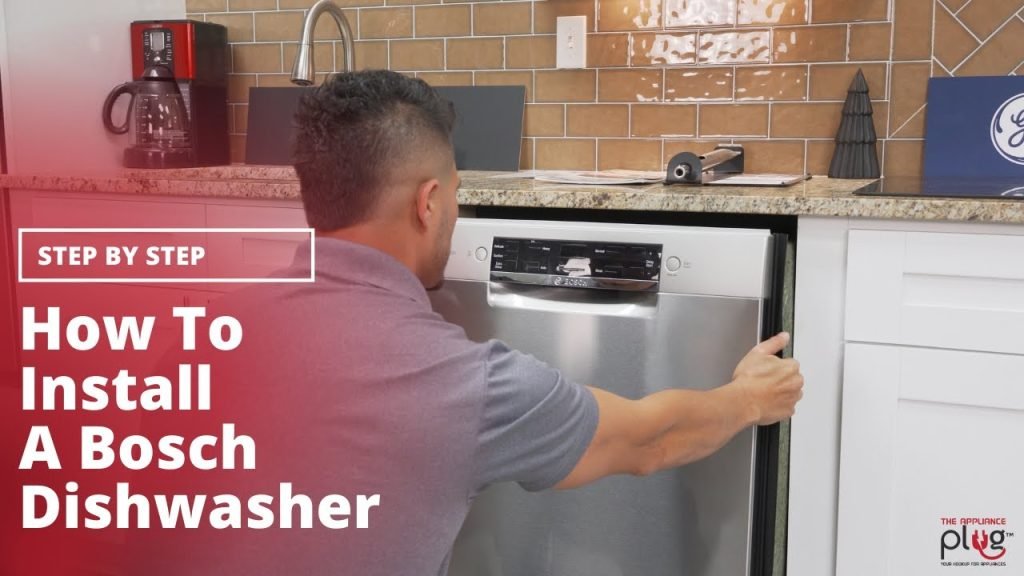
Are you staring at a brand-new Bosch dishwasher, ready to end those dishwashing blues, but feeling unsure about the installation process? You’re not alone.
Many people hesitate when it comes to installing a dishwasher themselves, fearing they might miss a step or cause damage. But imagine the satisfaction of completing the task on your own, saving money, and understanding your appliance better. Picture the seamless operation of your Bosch dishwasher, effortlessly handling the dirty dishes while you relax.
In this guide, we will break down the installation process into simple, actionable steps. By the end, you’ll have the confidence and knowledge needed to install your Bosch dishwasher like a pro. Ready to dive in and transform your kitchen experience? Let’s make it happen!
Preparation Steps
Start by unpacking the dishwasher carefully. Ensure you have all installation parts ready. Connect the water supply and drainage hoses securely.
Installing a Bosch dishwasher requires thoughtful preparation. Adequate preparation ensures a smooth installation process. This guide outlines the essential preparation steps. Each step guarantees efficiency and success.
Gather Necessary Tools
Before starting, collect all required tools. You will need a screwdriver, adjustable wrench, and pliers. A spirit level is also important. These tools will help you fit the dishwasher correctly. Ensure you have Teflon tape for sealing connections. This prevents leaks. Having everything ready saves time later.
Check Installation Space
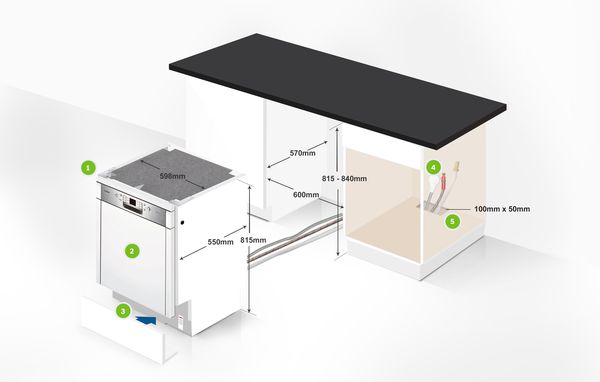
Ensure your space can accommodate the dishwasher. Measure the area where the dishwasher will go. Check that there is enough room for the appliance. Verify that power and water connections are accessible. Ensure the floor is level. An uneven floor can cause issues.
Review User Manual
Read through the Bosch dishwasher’s user manual. The manual provides specific instructions for installation. It contains valuable information on safety and setup. Familiarize yourself with the manual’s diagrams. Understanding these will help during installation. Keep the manual nearby for quick reference. This preparation ensures your Bosch dishwasher is installed correctly.
Removing Old Dishwasher
Outdated dishwashers can be a hassle, but installing a new Bosch model is straightforward. First, remove the old unit carefully. Then, follow Bosch’s installation guide step-by-step. Properly connect the water and power supply. Finally, ensure everything is secure and test the dishwasher for leaks and proper function.
Removing an old dishwasher might seem daunting, but it’s manageable with the right steps. First, ensure you have a clear path for removal. Gather necessary tools like a screwdriver and wrench. Prepare to disconnect and remove the old unit safely. Each step is crucial for a smooth installation of your new Bosch dishwasher.
Disconnect Power Supply
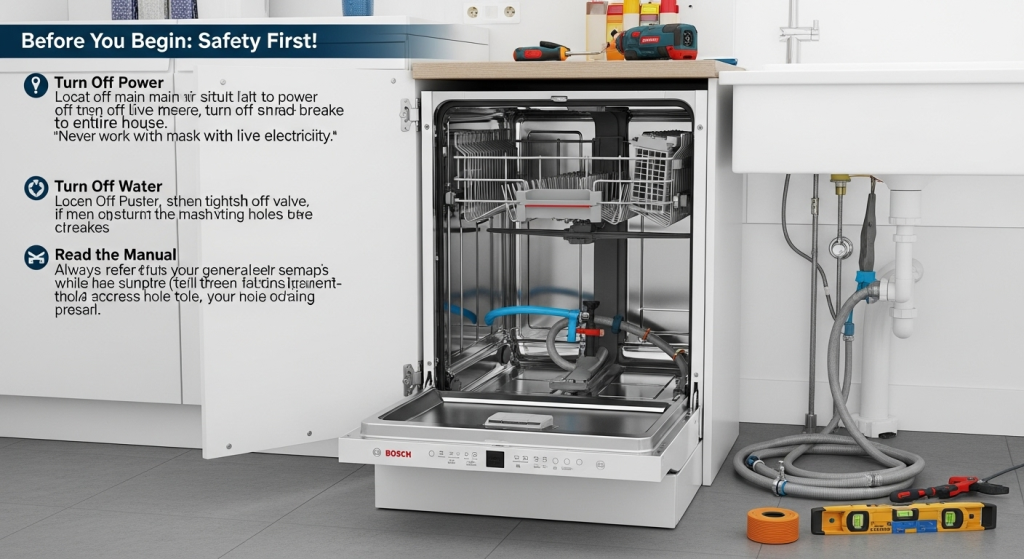
Safety first. Turn off the power to the dishwasher at the breaker box. This prevents any electrical hazards during removal. Confirm the dishwasher is completely off before proceeding.
Turn Off Water Supply
Locate the water supply valve under the sink. Turn it off to stop water flow. This step prevents leaks when you disconnect water lines later.
Detach Water And Drain Lines
Use a wrench to loosen the nut on the water line. Carefully remove the line from the dishwasher. Next, detach the drain hose from the disposal or sink pipe. Use a towel to catch any residual water.
Remove Mounting Screws
Open the dishwasher door and find mounting screws at the top or sides. Use a screwdriver to remove these screws. This frees the dishwasher from the counter or cabinet. Carefully slide the dishwasher out, ensuring not to damage floors or cabinetry.
Installing New Bosch Dishwasher
Installing a new Bosch dishwasher can be an exciting upgrade to your kitchen. It promises efficiency and ease, but the installation process might seem daunting if you’re unfamiliar with it. Fear not, because this guide will walk you through the installation steps smoothly. Whether you’re a DIY enthusiast or a first-time installer, these clear instructions will help you set up your Bosch dishwasher with confidence. So, roll up your sleeves, grab your tools, and let’s get started!
Position The Dishwasher
Start by preparing the space where your dishwasher will sit. Ensure the area is clean and free of debris or obstacles. You might need to adjust the height of the dishwasher using the adjustable feet to match the countertop height.
Think about the accessibility of the controls. You want to place your dishwasher where you can easily reach and operate it. Measure the space carefully to ensure a perfect fit. If the dishwasher doesn’t fit snugly, it can lead to operational issues.
Connect Water Supply Line
Locate the water supply line beneath your sink. It’s usually a metal or plastic hose connected to your plumbing. Before connecting, ensure the water is turned off to prevent leaks.
Attach the water supply line to the inlet valve on the dishwasher. Hand-tighten the connection and use a wrench for a secure fit. Leaks can be a real hassle, so make sure everything is tightly sealed.
Attach Drain Hose
Find the drain hose that comes with your Bosch dishwasher. It’s typically a flexible plastic tube. The hose needs to be connected to your sink’s drainage system.
Secure the drain hose with a clamp to prevent it from slipping. It’s crucial to loop the hose upwards before connecting it, which helps prevent backflow into the dishwasher. You don’t want dirty water returning to your clean dishes!
Secure Electrical Connections
Check the electrical connections for your dishwasher. Bosch dishwashers usually come with a power cord that needs to be plugged into an outlet. Ensure the outlet is grounded to prevent electrical hazards.
Once plugged in, test the power to see if the dishwasher turns on. If you’re unsure about electrical work, consider hiring a professional to avoid any risks. Safety should always be your priority.
Having successfully installed your Bosch dishwasher, you are ready to enjoy its advanced features and efficiency. But here’s a thought: What other improvements can you make in your kitchen to enhance your cooking experience? Remember, every upgrade brings you closer to your dream kitchen!
Credit: www.youtube.com
Adjusting And Securing
Adjusting and securing your Bosch dishwasher is a crucial step. This ensures stability and proper function. After placing the dishwasher, focus on adjustments. This involves leveling and securing it in place. A well-adjusted dishwasher prevents leaks and noise. Proper securing ensures it stays put during use.
Level The Dishwasher
Use a spirit level to check the dishwasher’s balance. Place it on the top edge. Adjust the leveling legs if needed. Turn them clockwise to lower. Counterclockwise to raise. Ensure the bubble stays centered. This step prevents water from pooling inside. It also helps in better drainage.
Secure Mounting Brackets
Locate the mounting brackets on the dishwasher’s top. These are essential for stability. Align the brackets with your countertop. Use screws to secure them firmly. This prevents the dishwasher from tipping. Ensure the brackets are tight. Check for any wobbling. Tighten again if necessary. A secure fit guarantees long-term stability.
Final Checks
Ensure the Bosch dishwasher is level and securely connected to the water supply and power. Check for leaks and correct drainage. Confirm the door latches properly, and test a short wash cycle to verify everything functions smoothly.
Installing a Bosch dishwasher isn’t just about ensuring it fits snugly in your kitchen; it’s about making sure it runs efficiently and safely. The last step in your installation journey involves the ‘Final Checks’. This step is crucial to ensure your new appliance works flawlessly without any hitches. Think of it like the final touch on a masterpiece — it’s what makes your efforts truly shine.
Inspect Water Connections
Begin by examining the water connections. Are they secure and free from leaks? It’s vital to ensure all hoses are tightly connected to prevent any water damage. Use a flashlight to inspect under the sink where the dishwasher is connected. Look for any drips or damp spots. A small leak might seem harmless now, but it could cause bigger issues over time. Double-check the seals around the connection points. If you notice any wear or damage, replacing them now can save you a headache later.
Test Electrical Connections
Next, shift your focus to the electrical connections. Have you ensured the power supply is correctly wired? A secure electrical connection is paramount for safety and functionality. Flip the breaker switch that powers your dishwasher. Listen for any unusual sounds or flickering lights when the appliance powers up. These might be signs of a loose connection. Consider using a voltage tester to confirm that power is consistently flowing to the dishwasher. This simple step can help prevent electrical faults and ensure your appliance runs smoothly.
Run Test Cycle
Finally, it’s time to put your Bosch dishwasher to the test. Set up a test cycle — not just to clean, but to validate your installation efforts. Load it with a few dishes and select a standard cycle. Observe how it runs. Are there any strange noises or vibrations? These can indicate that something isn’t aligned or connected properly. Monitor the cycle closely to check for leaks and verify that water is draining correctly.
Proper drainage is essential for efficiency and to avoid messy spills. Once the cycle completes, inspect the dishes. Are they clean and dry? This confirms that everything is functioning as it should. Each of these checks serves a purpose, ensuring your dishwasher is ready for daily use. Have you ever skipped a final check and regretted it later? Taking the time now avoids future frustrations and keeps your kitchen running smoothly.
Troubleshooting Common Issues
Installing a Bosch dishwasher involves connecting water supply and drainage, ensuring proper electrical setup, and securely positioning the unit. Follow the manual instructions carefully to avoid leaks and ensure efficient operation. Check connections and run a test cycle to confirm successful installation.
When installing a Bosch dishwasher, you might encounter a few bumps along the way. Understanding common issues helps you troubleshoot effectively, ensuring a smooth installation process. Whether it’s a leak, an electrical hiccup, or odd sounds, knowing how to address these challenges can save you time and headaches. Let’s dive into some practical solutions for these common problems.
Leaks And Water Supply Problems
Leaks can be frustrating, but they often boil down to simple fixes. Check the water supply line first. Ensure it’s tightly connected to the dishwasher and the water source. Inspect the rubber gasket around the dishwasher door. If it’s worn out or damaged, replacing it can stop leaks quickly. Sometimes, using too much detergent leads to excess suds, causing leaks. Always measure detergent carefully to prevent this.
Electrical Connection Issues
Installing a Bosch dishwasher requires secure electrical connections. Double-check that the power cord is properly plugged into a grounded outlet. If the dishwasher doesn’t start, check your circuit breaker. It might have tripped during installation. An improperly wired connection might cause the dishwasher to malfunction. Always follow the wiring diagram provided in the manual for accurate installation.
Unusual Noises
A new dishwasher might make unfamiliar sounds, but not all noises are normal. If you hear clanking, it could be due to improperly loaded dishes. Adjust them to avoid items hitting each other. Grinding noises often indicate debris caught in the drain pump. Cleaning the pump can resolve this issue.
If the noise persists, the dishwasher might not be level. Adjust the feet at the bottom to stabilize the appliance, which can reduce vibrations and noise. Have you ever faced these installation challenges? Understanding these common issues can turn what seems like a daunting task into a manageable one. Now you have the tools to tackle these problems head-on.
Maintenance Tips
To keep your Bosch dishwasher running smoothly, regular maintenance is essential. Proper care not only extends its lifespan but also ensures optimal performance. Follow these tips to maintain your dishwasher effectively.
Regular Cleaning
Cleaning your Bosch dishwasher frequently prevents residue buildup. Wipe down the door edges and gaskets with a damp cloth. Use a mild detergent to clean the interior. This removes food particles and detergent residue. Monthly cleaning keeps your dishwasher fresh and efficient.
Inspecting Filters
Filters trap food particles and prevent clogs. Regularly inspect and clean them. Remove the filters and rinse under running water. Use a soft brush if needed. Ensure they’re free from debris to maintain water flow. Clean filters improve washing performance.
Checking Hoses And Connections
Hoses and connections should be checked for leaks or damage. Inspect them every few months. Tighten loose connections to prevent leaks. Replace damaged hoses immediately. This avoids water damage and ensures efficient water usage.
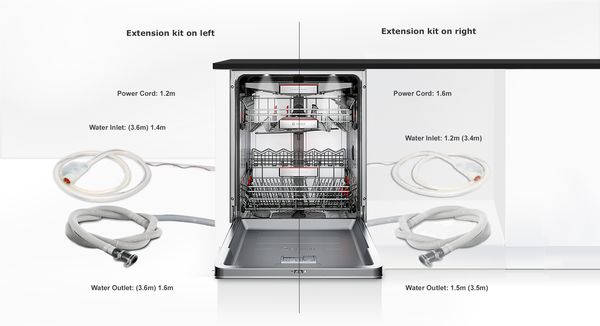
Credit: www.bosch-home.com.sg
Frequently Asked Questions
Can You Install A Bosch Dishwasher Yourself?
Yes, you can install a Bosch dishwasher yourself. Follow the manual’s instructions carefully. Ensure you have necessary tools and skills. Properly connect water supply, drain hose, and electrical wiring. Double-check connections for leaks or errors. If unsure, consider hiring a professional for safe installation.
What Is The Most Common Problem With A Bosch Dishwasher?
The most common problem with Bosch dishwashers is drainage issues. Clogged filters or blocked drain hoses often cause water not to drain properly. Regular cleaning and maintenance can help prevent these issues, ensuring optimal performance and longevity of your dishwasher.
Do Bosch Dishwashers Need A Special Hookup?
Bosch dishwashers typically require standard water and electrical connections. Ensure proper installation with compatible water inlet, drain, and power sources. Always consult the user manual or a professional installer for specific requirements and to avoid any issues during setup. Proper installation ensures optimal performance and longevity.
Why Do Bosch Dishwashers Require A Junction Box?
Bosch dishwashers require a junction box for safe electrical connections. It prevents direct wiring, enhancing safety. This setup complies with electrical codes and ensures optimal performance. The junction box also simplifies installation and maintenance.
Conclusion
Installing a Bosch dishwasher is simple with the right steps. Start by gathering all necessary tools. Follow the manual for clear guidance. Secure the unit and connect hoses properly. Double-check all connections to prevent leaks. Test your dishwasher after installation.
Ensure it runs smoothly without issues. Enjoy your new dishwasher’s efficiency and convenience. A clean kitchen is now easier to maintain. You can handle this task with patience and care. Remember, a correctly installed dishwasher saves time and energy. Celebrate your success in completing this home project.

Hi, I’m Daniel Harper, a senior editor here at KitchenBucks.com. For over 10 years, I’ve been exploring kitchen gadgets and appliances to help people find tools that truly add value without breaking the bank. I love simplifying product choices so you can focus more on cooking and less on worrying about what to buy. When I’m not reviewing the latest gadgets, you’ll usually find me experimenting with coffee brewing or firing up the grill for a weekend barbecue.