
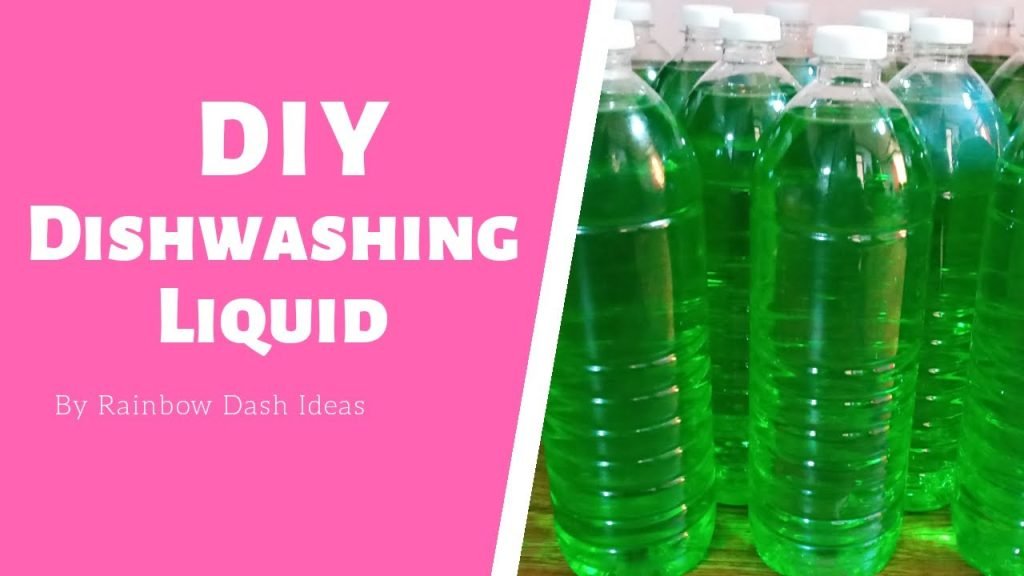
Have you ever wondered what’s really in your dishwashing liquid? Or perhaps you’ve thought about making your own to save money and avoid harsh chemicals.
You’re not alone. Many people are turning to DIY solutions for a cleaner, greener lifestyle. Imagine the satisfaction of knowing exactly what goes into the soap you use every day. It’s not just about saving a few bucks—it’s about crafting something pure and effective with your own hands.
In this guide, you’ll discover simple steps to create your own dishwashing liquid at home. This isn’t just a recipe; it’s a chance to take control and simplify your life. Dive in and see how easy it can be!
Materials And Ingredients
Crafting dishwashing liquid involves blending water, surfactants, and fragrances. These ingredients help break down grease and grime. Essential oils can be added for a pleasant scent.
Making your own dishwashing liquid can be a fun and rewarding experience. It’s not only a way to save money but also ensures you’re using eco-friendly products. Understanding the materials and ingredients is crucial for creating an effective yet gentle dishwashing liquid. This section will guide you through what you’ll need and why each component matters.Basic Ingredients
When crafting your dishwashing liquid, you’ll typically need a few core ingredients. Liquid castile soap is often the base; it’s natural and gentle on the skin. Water is essential to dilute the soap to the right consistency. You’ll also need essential oils, like lemon or tea tree oil, for fragrance and extra cleaning power. These oils not only smell great but can also help cut through grease.Optional Additives
You might want to personalize your dishwashing liquid with additives. White vinegar can be added for its disinfecting properties. Baking soda is another option; it can help with scrubbing power and deodorizing. If you prefer a thicker consistency, consider adding a small amount of vegetable glycerin. It makes the liquid feel smooth and moisturizing.Tools Needed
Gathering the right tools is just as important as the ingredients. A measuring cup is vital to ensure the right proportions. You’ll need a mixing bowl to combine everything efficiently. A funnel can help you pour the mixture into a bottle without spilling. Finally, a bottle with a pump or squeeze top is perfect for easy dispensing.Personal Experience
I once tried adding lavender essential oil instead of lemon. It made washing dishes a surprisingly calming experience. Have you considered using your favorite scents to make dishwashing more enjoyable?Environmental Impact
Making your own dishwashing liquid can have a positive environmental impact. You’re cutting down on plastic waste and avoiding harmful chemicals. How does your current dishwashing routine affect the planet?Safety Precautions
While making dishwashing liquid is generally safe, you should always be cautious. Avoid mixing ingredients without guidance, especially those with strong reactions like vinegar and baking soda. Are you aware of any allergies or sensitivities you might have?Final Thoughts
Creating your dishwashing liquid can be a simple yet transformative experience. You gain control over what you use in your home. Have you ever thought about what goes into your cleaning products?Essential Equipment
Creating dishwashing liquid involves mixing water, surfactants, and essential oils. Necessary tools include a mixing bowl, measuring cups, and a whisk. These items help combine ingredients to form an effective cleaning solution.
Creating your own dishwashing liquid can be a rewarding experience. It not only saves money but also allows you to control what goes into your cleaning products. To get started, you need some essential equipment. With the right tools, the process becomes straightforward and enjoyable. Are you ready to roll up your sleeves and dive into the world of DIY cleaning products? Let’s get started!Mixing Bowls
Mixing bowls are a must-have for blending your ingredients. Choose bowls that are large enough to hold all your components without spilling over. Stainless steel or glass bowls work best as they don’t react with the ingredients. You’ll want to avoid plastic, as it can absorb odors over time.Measuring Cups And Spoons
Precision is key in making dishwashing liquid. Measuring cups and spoons ensure you get the proportions right. Consistency in measurements leads to consistency in cleaning power. Consider using clear measuring tools to easily see the quantities.Stirring Utensils
A reliable stirring utensil is essential to combine your ingredients evenly. Wooden spoons or silicone spatulas are great choices. They’re easy to clean and gentle on your mixing bowls. You wouldn’t want to scratch your bowls with metal utensils, would you?Funnels
Funnels are invaluable for transferring the liquid into storage containers without making a mess. They come in various sizes, so choose one that fits your container opening. You’ll appreciate the neatness when you avoid spills on your countertop.Storage Containers
Once your dishwashing liquid is ready, you’ll need containers to store it. Opt for bottles with tight-sealing lids to keep your product fresh. Glass containers are excellent choices as they don’t absorb any scents. Plus, they look stylish on your kitchen counter!Labels
Labels can be a fun way to organize your homemade products. Use them to list ingredients or simply to differentiate between different batches. You could even add your personal touch with decorative designs. Wouldn’t it be satisfying to see a line of neatly labeled bottles? Choosing the right equipment makes the process smoother and more efficient. You might be surprised at how enjoyable the creation process is with everything you need at hand. Have you thought about the difference a well-organized workspace can make?Preparation Steps
Creating your own dishwashing liquid at home is simple. It saves money and reduces exposure to harsh chemicals. Follow these preparation steps to ensure your homemade cleaner is effective and safe. Begin by gathering all necessary ingredients and tools. This helps streamline the process and avoids interruptions.
Gather Ingredients
Start by collecting your ingredients. You will need water, liquid castile soap, and essential oils. Essential oils add fragrance and cleaning power. Choose oils like lemon or lavender for freshness. Ensure each ingredient is of good quality for best results.
Measure Ingredients
Accurate measurement is crucial. Use a measuring cup for liquids. Measure precisely to ensure the right consistency. Typically, you need one cup of water and half a cup of soap. Essential oils require only a few drops.
Mix Ingredients
Once measured, combine them in a clean container. Stir gently to mix well. Mixing ensures the soap and water blend properly. Add essential oils last. Stir again to incorporate them evenly.
Store Properly
Transfer the mixture to a bottle with a secure lid. Label the bottle for easy identification. Store in a cool, dry place. Keeping it stored well maintains its quality and effectiveness.
Test The Solution
Before regular use, test the dishwashing liquid. Use it on a few dishes. Check if it cleans effectively. Adjust the ingredients if needed. Testing ensures your homemade cleaner works as intended.

Credit: www.facebook.com
Mixing The Ingredients
Creating dishwashing liquid involves mixing ingredients like surfactants, water, and fragrances. Surfactants help break down grease and remove stains. Adding fragrances gives a pleasant scent to the dishwashing liquid.
Mixing the ingredients for homemade dishwashing liquid is where the magic happens. This step is all about blending the right components to create an effective and eco-friendly cleaner. If you’ve ever wondered how your favorite dish soap gets its grease-fighting power, you’re about to find out. Let’s dive into the art of combining the right ingredients for a dishwashing liquid that truly delivers.Combining Base Ingredients
Start with the basics. Typically, you’ll need a gentle soap base like castile soap. This is because it’s both biodegradable and gentle on the skin. Next, measure out your soap base. A cup is usually sufficient for a small batch. Add it to a mixing bowl. Mix in a cup of water. This helps to dilute the soap and ensure it’s not too harsh. Stir until well combined.Adding Essential Oils
Essential oils not only add a pleasant scent but also bring antibacterial properties. Consider using lemon or tea tree oil. Add about 20 drops of your chosen essential oil. This is where you can get creative. Mix different oils to find a scent you love. Stir the mixture thoroughly. Ensure the essential oils are evenly distributed. This will enhance the cleaning power and fragrance.Incorporating Natural Additives
Natural additives can elevate your dishwashing liquid. Think about adding baking soda for extra grease-cutting action. Measure out a tablespoon of baking soda. Mix it into your solution. This will help tackle tough stains and leave your dishes sparkling. You could also add a teaspoon of white vinegar. This acts as a natural disinfectant. It helps to break down mineral deposits. Have you ever tried making dishwashing liquid with these simple ingredients? It’s a rewarding process, and you can personalize it to your liking. Plus, you’ll have a product that’s kinder to the environment and your hands.Bottling And Storing
After crafting your homemade dishwashing liquid, the next step is bottling. Proper bottling and storing ensure the liquid remains effective. It also keeps it fresh for longer use. This step is crucial for maintaining its cleaning power.
Choosing The Right Container
Pick a sturdy container. Plastic bottles are lightweight and durable. Glass bottles offer a more eco-friendly option. Make sure the container has a secure lid. This prevents spills and keeps the liquid safe. Consider the size of the bottle. Smaller bottles are easy to handle. Larger bottles are suitable for bulk storage.
Labeling And Safety Tips
Always label the bottle clearly. Include the name of the liquid. Write down the date of production. This helps track its shelf life. Safety comes first. Keep the bottle away from children. Store it in a cool place. Avoid direct sunlight to maintain the quality. Make sure the label is waterproof. This prevents fading over time.

Credit: m.youtube.com
Usage Tips
Using dishwashing liquid efficiently can transform your cleaning routine. Whether tackling greasy pots or delicate glassware, knowing the right techniques ensures spotless results. Learn how to make the most of your dishwashing liquid with these practical tips.
Effective Cleaning Techniques
Pre-rinse dishes to remove loose food particles. This saves dishwashing liquid. Use a small amount on a sponge for everyday dishes. For tougher stains, let items soak in warm, soapy water for a few minutes. Scrub with a soft sponge to avoid scratches. Rinse thoroughly to leave no residue. For glassware, a quick rinse with vinegar and water adds sparkle. For cutting boards, use a brush with dishwashing liquid to remove food stains. Always dry dishes immediately to avoid water spots.
Maintaining Dishwashing Liquid Freshness
Store your dishwashing liquid in a cool, dry place. Keep the bottle tightly sealed to prevent contamination. Avoid exposing it to direct sunlight, which can degrade its effectiveness. Regularly clean the bottle’s nozzle to prevent clogging. If the liquid thickens, shake the bottle gently. To extend its lifespan, consider transferring a portion into a smaller bottle for daily use. This prevents frequent exposure to air and maintains freshness longer.
Troubleshooting Common Issues
Making dishwashing liquid at home involves combining water, vinegar, and a touch of essential oil. Stir gently to blend ingredients. Ensure proper storage in a sealed container to maintain effectiveness and freshness.
Making dishwashing liquid at home can be a rewarding and cost-effective endeavor. But like any DIY project, it can sometimes come with its own set of challenges. Understanding how to troubleshoot common issues can save you time and ensure your homemade dishwashing liquid is a success. Let’s dive into some typical problems you might encounter and how to fix them.Dealing With Separation
Separation can occur when the ingredients in your dishwashing liquid don’t bind well. This might happen if the liquid soap or essential oils don’t mix properly with water. You might notice layers forming in your bottle. To address this, try mixing the ingredients more thoroughly. Shake the bottle vigorously before each use to recombine the elements. Adding a small amount of salt can also help stabilize the mixture. Experiment with different soap bases. Some brands mix better than others. Have you tried adjusting the water-to-soap ratio? A slightly different proportion could make all the difference.Adjusting Consistency
If your dishwashing liquid is too thick, it can be hard to dispense. If it’s too thin, it may not clean effectively. Striking the right balance is key. To thin out a thick mixture, gradually add more water. Start with a tablespoon at a time and mix thoroughly after each addition. It’s easier to add more water than to fix an overly diluted solution. On the flip side, if your mixture is too watery, adding more soap can help. You could also try adding a thickening agent like cornstarch or xanthan gum. Remember to dissolve it in a small amount of hot water first to avoid clumps. Have you experienced either of these issues with your homemade dishwashing liquid? What methods worked for you? Sharing your experiences can help others facing similar challenges. By actively troubleshooting these common issues, you can perfect your homemade dishwashing liquid recipe. Enjoy the satisfaction of creating a product that’s tailored to your needs!
Credit: naturesnurtureblog.com
Benefits Of Homemade Dishwashing Liquid
Making your own dishwashing liquid at home can be a game changer. It’s not just about having a cleaner plate or a sparkling glass. It’s about knowing what goes into your cleaning products and taking control of your household environment. Homemade dishwashing liquid offers several benefits that can make your everyday life better.
Environmental Impact
Ever thought about the chemicals in commercial dishwashing liquids? Many contain ingredients that can harm aquatic life and pollute water sources. By making your own, you reduce the amount of harmful chemicals entering the environment. You use natural ingredients, which are kinder to nature.
Imagine the satisfaction of cleaning your dishes without contributing to pollution. It’s a small change with a big impact. You can help preserve the planet for future generations, starting with just one bottle.
Cost-effectiveness
Store-bought dishwashing liquids can be pricey. Making your own is often cheaper, and you can use ingredients you already have at home. Consider the savings when you skip the fancy packaging and branding costs.
Think about how much you spend on cleaning supplies annually. With homemade dishwashing liquid, you can cut down expenses and allocate funds to other household needs. It’s budget-friendly without compromising cleanliness.
Customizability
Not all dishwashing liquids are created equal. Some are too harsh, others too mild. With your homemade version, you tailor the formula to suit your preferences. Do you prefer a lemon scent or maybe lavender? The choice is yours.
Consider your skin sensitivity or allergies. You can adjust the ingredients to ensure your dishwashing liquid is gentle on your hands. Isn’t it great to have a product that meets your specific needs?
Have you ever tried making your own dishwashing liquid? What benefits stood out to you the most? Share your thoughts and join the conversation. Your insights might inspire someone else to make the switch.
Frequently Asked Questions
How To Make Dishwashing Liquid From Scratch?
Combine water, castile soap, and essential oils. Add vinegar and baking soda for grease cutting. Stir well. Store in a bottle. Use for dishwashing.
How Do They Make Dishwashing Liquid?
Manufacturers combine surfactants, water, and additives to create dishwashing liquid. They blend ingredients for effective grease removal. Fragrance and color are added for appeal. The mixture undergoes testing for quality and safety. Finally, it’s packaged for distribution.
What Is The Best Diy Dishwashing Liquid?
The best DIY dishwashing liquid combines 1 cup of water, 1 cup of vinegar, 1 tablespoon of salt, and 1 tablespoon of baking soda. This mixture effectively cleans dishes, is eco-friendly, and cost-effective. Use essential oils like lemon or lavender for fragrance.
How To Make Dishwashing Liquid Using 3 Ingredients?
Combine 1 cup of Castile soap, 1 tablespoon of white vinegar, and 10 drops of essential oil. Mix thoroughly. Pour the mixture into a bottle for easy use. This simple recipe creates an effective and natural dishwashing liquid.
Conclusion
Creating dishwashing liquid at home is simple and rewarding. You save money. You know what goes into your cleaning solution. No harsh chemicals. Just natural ingredients. Follow the steps carefully. Enjoy a cleaner kitchen. Feel good about using eco-friendly products.
Share your homemade liquid with friends. They will love it. Your dishes will shine bright. Remember, practice makes perfect. Experiment with different scents. Find what suits your kitchen best. Embrace this small change. Make dishwashing enjoyable. A little effort goes a long way.
Keep your home clean and healthy. Happy dishwashing!
