
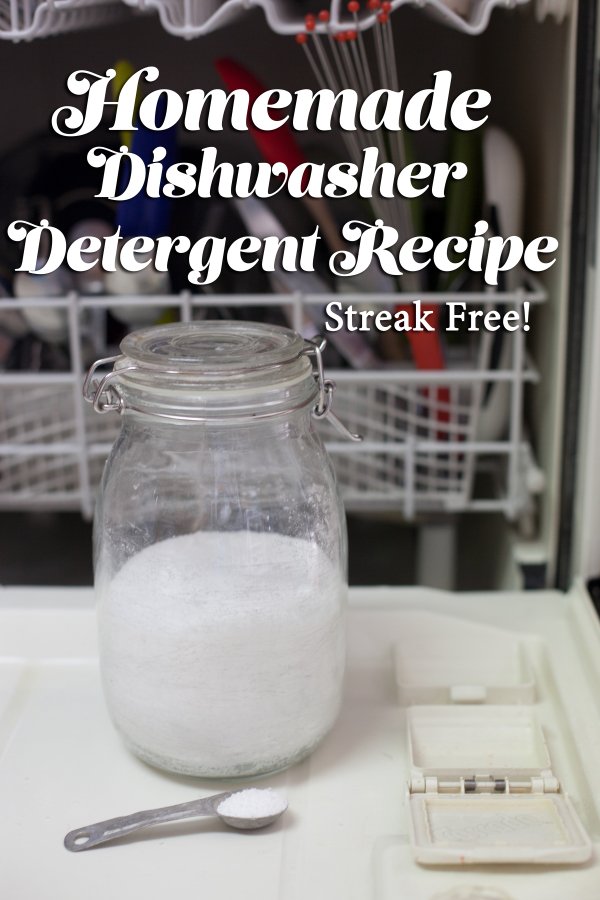
Are you tired of spending money on store-bought dishwasher detergents that just don’t live up to their promises? Imagine opening your dishwasher to find sparkling clean dishes using a detergent you made yourself.
Sounds satisfying, doesn’t it? Not only does making your own dishwasher detergent save you money, but it also lets you control the ingredients, ensuring a safer and more eco-friendly clean. If you’re ready to ditch the chemicals and embrace a simpler, more natural way to clean your dishes, keep reading.
We’ll guide you through the easy steps to make homemade dishwasher detergent, transforming your dishwashing routine and giving you peace of mind with every wash.
Benefits Of Homemade Dishwasher Detergent
Creating homemade dishwasher detergent is simple and cost-effective. It uses common ingredients like baking soda and vinegar. This eco-friendly option reduces chemicals and packaging waste, making it a sustainable choice.
When you think about keeping your dishes sparkling clean, homemade dishwasher detergent might not be the first thing that comes to mind. Yet, there are plenty of benefits to making your own. Not only can it be more cost-effective, but it can also be gentler on the environment and your health. Let’s dive into some of these benefits and see if homemade dishwasher detergent is right for you.Cost-effectiveness
Making your own dishwasher detergent can save you money. Store-bought detergents can be pricey, especially if you’re opting for eco-friendly brands. By using common household ingredients, you can create a cleaning solution at a fraction of the cost. Imagine having the power to control your expenses with something as simple as dishwashing. All you need are a few basic ingredients like baking soda, salt, and citric acid. This can significantly reduce your monthly grocery bill.Environmental Benefits
Homemade dishwasher detergent can be kinder to the planet. Commercial detergents often contain phosphates and other chemicals that can harm aquatic life. By making your own, you can choose ingredients that are biodegradable and eco-friendly. Think about the impact your choices make on the environment. Using natural ingredients like vinegar or lemon juice can reduce your household’s carbon footprint. It’s a small change that contributes to a healthier planet.Health Advantages
Your health matters, and homemade detergent can be a safer option. Many store-bought detergents contain artificial fragrances and preservatives that can irritate sensitive skin. When you make your own, you control what goes into the mix. Consider how reducing your exposure to harsh chemicals can benefit your family’s well-being. Simple ingredients like essential oils can add a pleasant scent without the risk of allergies or irritations. Your skin and lungs will thank you.Customizability
One of the most exciting benefits is the ability to customize. You can tailor the detergent to your specific needs and preferences. Whether you prefer a stronger cleaning power or a particular scent, the choice is yours. Have you ever wished for a lavender-scented detergent that doesn’t overpower your senses? With homemade detergent, you can add just the right amount of lavender oil. It’s all about creating something that fits your lifestyle perfectly.Empowerment And Creativity
Making your own detergent can be a fun and empowering experience. It allows you to be creative and try different combinations of ingredients. The satisfaction of creating something useful adds joy to the mundane task of dishwashing. Why not turn a routine chore into a creative outlet? Experiment with different recipes and find what works best for you. The sense of accomplishment is worth the effort, and you might even enjoy the process. Are you ready to try making your own detergent? The benefits are clear, and the impact on your wallet, health, and environment is significant. Give it a try and see the difference it can make in your daily life.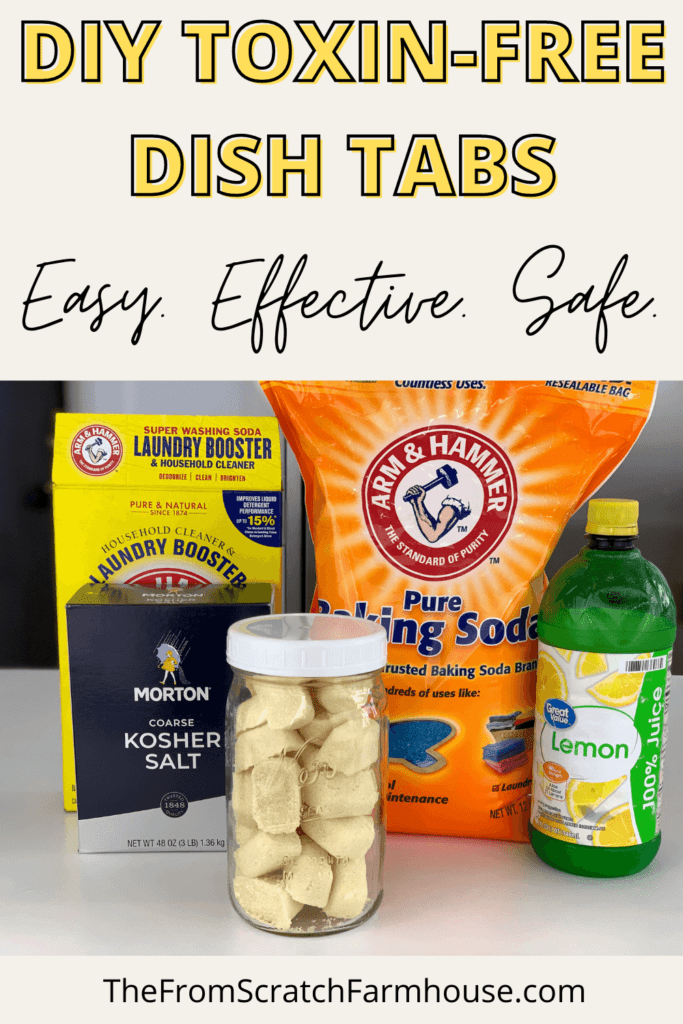
Credit: www.thefromscratchfarmhouse.com
Essential Ingredients
When you decide to make homemade dishwasher detergent, understanding the essential ingredients is key. It’s not just about mixing a few items together. It’s about choosing ingredients that clean effectively and align with your values, whether those are eco-friendliness, cost-effectiveness, or simplicity. Let’s dive into what makes these ingredients essential.
Natural Cleaning Agents
Natural cleaning agents are the backbone of any homemade detergent. They help break down food particles and grease without harsh chemicals. Baking soda is a popular choice. It’s not just a kitchen staple; it’s a powerful cleaner. It softens water and enhances the detergent’s effectiveness.
Citric acid is another strong contender. It’s found in lemons, and helps dissolve grime and mineral deposits. When I first tried using lemon juice as a cleaning agent, I was amazed at how well it tackled tough spots on dishes. You might find it equally surprising how something so simple can be so effective.
Eco-friendly Components
If you care about the environment, choosing eco-friendly components is crucial. Ingredients like white vinegar are biodegradable and safe for septic systems. They also add a shine to your dishes, making them look brand new.
Consider essential oils for fragrance. They not only smell great but also have antibacterial properties. Using lavender or tea tree oil adds a pleasant scent to your kitchen without synthetic perfumes. Does your detergent leave your dishes smelling fresh and clean?
These ingredients ensure your homemade detergent is both efficient and environmentally friendly. You don’t need to compromise on cleaning power to protect the planet.
By understanding these essential ingredients, you’re already on your way to creating a detergent that works for you and your home. What will you try first?
Step-by-step Recipe
Crafting homemade dishwasher detergent is simple and cost-effective. Mix baking soda, washing soda, and citric acid for a powerful cleaning formula. Store in an airtight container for freshness and efficiency.
If you’ve ever thought about making your own dishwasher detergent, you’re not alone. Many people are turning to homemade solutions for eco-friendly and cost-effective cleaning. Not only is it surprisingly simple, but you can also customize it to suit your needs. Here’s a step-by-step recipe to guide you through the process.Mixing The Ingredients
To start, gather your materials. You will need washing soda, baking soda, citric acid, and salt. These common household items are the building blocks of your detergent. In a large bowl, mix 1 cup of washing soda, 1 cup of baking soda, 1/2 cup of citric acid, and 1/2 cup of salt. Stir the ingredients together until they are well combined. Feel free to add a few drops of essential oil for a fresh scent. I personally enjoy adding lemon or lavender. Do you have a favorite scent that makes cleaning a more pleasant experience?Storing The Detergent
Once your mixture is ready, you’ll need an airtight container for storage. This will keep your detergent fresh and free from moisture. A glass jar with a tight lid works perfectly. You can even repurpose an old pasta sauce jar. Just make sure it’s clean and dry before use. Label the jar with the contents and the date you made it. This not only helps you keep track but also adds a personal touch. Do you have any tips for storing homemade products? Making your own dishwasher detergent is a practical and rewarding task. You save money and control what goes into your cleaning products. Plus, it’s a fun project you can involve family or friends in. Why not give it a try today?Tips For Optimal Use
Creating your own dishwasher detergent can be both satisfying and cost-effective. But to ensure that your homemade solution works as effectively as store-bought options, there are some important tips you should follow for optimal use. Understanding the right dosage, troubleshooting common issues, and maintaining your dishwasher are key components. Let’s dive into these essential tips.
Dosage Recommendations
Getting the dosage right is crucial for achieving clean dishes without leaving residues. Typically, you should use about one tablespoon of your homemade detergent per load. If you have particularly hard water, consider adding an extra half tablespoon. It’s essential to experiment a little at first to find the perfect balance for your specific water type and dishwasher.
Have you ever noticed cloudy glasses after a wash? It might be due to using too much detergent. Adjusting the dosage can often resolve this issue. Always measure carefully to avoid waste and ensure efficiency.
Troubleshooting Common Issues
What should you do if your dishes aren’t coming out as clean as you’d like? Check your water temperature first. Ensure it’s hot enough, ideally between 120 and 150 degrees Fahrenheit. Cold water can leave detergent residues.
Another common issue is undissolved detergent. This often happens when the dishwasher’s detergent compartment is blocked. Make sure to clean it regularly. If you’re facing stubborn food particles, consider using vinegar as a natural rinse aid. It can help break down residues and leave your dishes sparkling.
Does your dishwasher have a foul odor? This can be a sign that your homemade detergent isn’t fully rinsing away. Run an empty cycle with a cup of baking soda or vinegar to freshen it up.
By following these simple tips, you can enhance the effectiveness of your homemade dishwasher detergent. Remember, small adjustments can make a big difference. What’s your experience been like with homemade cleaning solutions? Share your thoughts in the comments below!
Comparing With Commercial Detergents
Homemade dishwasher detergent offers many advantages over commercial options. It gives you control over the ingredients used. This control can lead to cost savings and environmental benefits. By understanding these aspects, you can make an informed choice.
Cost Efficiency
Commercial detergents often come with a high price tag. Homemade versions allow you to use affordable ingredients. Baking soda, citric acid, and vinegar are cost-effective options. Buying these in bulk saves even more money. You can make larger batches for less than a store-bought option. This approach can lead to significant savings over time.
Environmental Impact
Many commercial detergents contain harsh chemicals. These can harm the environment. Homemade detergents use natural ingredients. Baking soda and vinegar are gentle on nature. This reduces the environmental footprint. Less packaging waste is another benefit. You reuse containers when making homemade detergent. This helps reduce plastic pollution. Making your own detergent supports a cleaner planet.

Credit: oneessentialcommunity.com
Safety Considerations
Making homemade dishwasher detergent requires careful handling of ingredients. Always keep baking soda and essential oils away from children. Use gloves to protect your skin from irritation. Store the detergent in a dry, cool place to maintain its effectiveness.
When crafting your own homemade dishwasher detergent, safety should be your top priority. While it can be a fun and rewarding project, handling chemicals and natural ingredients requires caution. You want your detergent to be effective, but also safe for both you and your family. Consider these safety tips to ensure your homemade detergent is not only efficient but also safe to use.Handling Ingredients
When you handle the ingredients for your detergent, it’s crucial to be cautious. Some ingredients, like baking soda and washing soda, can be irritating if they come into contact with your skin or eyes. Use gloves to protect your hands and avoid touching your face while mixing. Always work in a well-ventilated area. This ensures that any fumes or dust are quickly dispersed, preventing irritation to your respiratory system. Have you ever noticed how certain powders can make you sneeze or cough? Label your containers clearly. This is particularly important if you have children at home. An unlabeled jar can lead to accidental misuse, which could be dangerous.Storage Precautions
Proper storage of your homemade detergent is just as important as its creation. Store your detergent in a cool, dry place to maintain its effectiveness. Moisture can cause clumping or activate ingredients prematurely. Use airtight containers to keep your detergent fresh. An old glass jar with a tight lid works perfectly. Have you ever opened a container only to find its contents spoiled? Keep your detergent out of reach of children and pets. Consider storing it on a high shelf or in a locked cabinet. This simple step can prevent accidental ingestion, keeping your household safe. By keeping these safety considerations in mind, you can enjoy the benefits of homemade dishwasher detergent without the worry. Do you have any other safety tips that have worked for you? Share them and help others stay safe while enjoying the rewards of DIY cleaning solutions.
Credit: wellnessmama.com
Frequently Asked Questions
How Do You Make Your Own Dishwasher Detergent?
Mix 1 cup of washing soda, 1 cup of baking soda, and 1 cup of citric acid. Add ½ cup of salt. Store in an airtight container. Use 1 tablespoon per load for an effective, homemade dishwasher detergent.
What Are The Three Ingredient Homemade Dishwasher Detergent?
Homemade dishwasher detergent uses three simple ingredients: washing soda, borax, and citric acid. Mix equal parts of washing soda and borax, then add a tablespoon of citric acid per load. This DIY detergent effectively cleans dishes and is eco-friendly, making it a perfect alternative to store-bought products.
What Is The Best Diy Dishwashing Liquid?
The best DIY dishwashing liquid combines equal parts of water, white vinegar, and Castile soap. Add a few drops of essential oil for fragrance. This mixture effectively cleans dishes, is eco-friendly, and gentle on hands. It’s easy to make, cost-effective, and free from harsh chemicals.
What Is A Good Alternative To Dishwasher Detergent?
Baking soda and vinegar make excellent alternatives to dishwasher detergent. Combine them for effective cleaning. Use a tablespoon of baking soda and a dash of vinegar in the detergent compartment. This combination helps remove stains and leaves dishes sparkling clean.
Always ensure dishes are rinsed thoroughly afterward.
Conclusion
Making homemade dishwasher detergent is simple and cost-effective. You control the ingredients and avoid harsh chemicals. Mix basic items like baking soda and vinegar. They clean dishes well and keep your kitchen eco-friendly. The process saves money and benefits the environment.
Try experimenting with different natural scents. Your dishes will sparkle, and you’ll feel good about your choice. Ready to start your sustainable cleaning journey? Enjoy cleaner dishes and a healthier home with these homemade solutions. It’s easy, effective, and better for your family.
