
Are you staring at your kitchen, wondering how to pull out that old dishwasher without causing a flood or damaging your cabinets? Whether you’re upgrading to a newer model or tackling a repair, removing a dishwasher can seem like a daunting task.
But don’t worry! You’re not alone in this. Many homeowners like you are discovering that with a little guidance, the process isn’t as intimidating as it seems. Imagine the satisfaction of confidently handling this project yourself, saving money, and learning a new skill in the process.
Ready to dive in and demystify the steps? Let’s turn that daunting task into a manageable, even rewarding, project!
:max_bytes(150000):strip_icc()/how-to-remove-a-dishwasher-2718671-01-7478b7c0b2d641b1bad6a4ba64ad1a77.jpg)
Credit: www.thespruce.com
Preparation
Preparing to pull out a dishwasher involves several crucial steps. Proper preparation ensures a smooth and safe removal process. It’s important to be thorough and cautious. Follow these steps carefully to avoid any mishaps.
Gather Tools
Start by gathering the necessary tools. You’ll need a wrench, screwdriver, and pliers. A bucket and towels are also useful. These tools help in loosening connections and handling potential leaks. Keep them within easy reach.
Ensure Safety
Safety should be your top priority. First, unplug the dishwasher from the power source. This prevents electrical hazards during removal. Then, turn off the water supply. This stops any water from spilling out. Wear gloves to protect your hands from sharp edges. Finally, ensure the area is clear of obstacles.
Disconnect Power
Disconnecting the power is crucial before pulling out a dishwasher. Ensure safety by unplugging or turning off the circuit breaker. This step prevents electrical hazards and ensures a smooth removal process.
Disconnecting the power is a crucial first step in safely removing your dishwasher. Imagine trying to remove it while it’s still connected to electricity—it’s not just unsafe; it’s downright risky. You don’t want any surprises or accidents. Before you get started, ensure that your dishwasher is completely disconnected from its power source. It’s simple, yet often overlooked. Let’s break it down into manageable steps.Switch Off Circuit
First, head to your electrical panel. Locate the circuit that powers your dishwasher. It might be labeled, but if not, you may need to test a few switches. Once found, flip the circuit to the ‘off’ position. This is where many people make a mistake. They forget this step and end up dealing with live wires. If you’re unsure which circuit it is, consider switching off all kitchen circuits temporarily. Better safe than sorry!Unplug Appliance
Next, it’s time to unplug your dishwasher. Find the power cord, usually located behind or beneath the appliance. Carefully pull it out from the socket. You might need to move the dishwasher slightly to access the plug. This step is straightforward but crucial. Unplugging ensures that no electricity flows to the machine. Have you ever experienced the shock of unplugging a live appliance? It’s a jolt you won’t forget, and one you definitely want to avoid here. Remember, safety comes first. Taking these steps ensures you’re working in a safe environment. Are you ready to move on to the next phase of removing your dishwasher?Turn Off Water Supply
Disconnecting the water supply is crucial before pulling out a dishwasher. First, locate the shut-off valve, usually under the sink. Turn it off to prevent leaks while removing the appliance.
When you’re planning to pull out your dishwasher, it’s essential to start with one crucial step: turning off the water supply. This simple act can prevent a mess in your kitchen and save you from unnecessary stress. Imagine water gushing all over your floor because you missed this step. Turning off the water supply ensures a smooth and hassle-free dishwasher removal process.Locate Shut-off Valve
Begin by finding the shut-off valve that controls water flow to your dishwasher. This valve is often located under your kitchen sink, near the pipes. If it’s not there, check nearby cabinets or even the basement. Make sure you can easily reach it. Using a flashlight can help you see clearly, especially if it’s tucked away in a dark corner. Once you locate it, you’re one step closer to pulling out your dishwasher safely.Release Water Pressure
After turning off the shut-off valve, you need to release any remaining water pressure. This is a straightforward step but often overlooked. Open the dishwasher door and then select any wash cycle. This action allows any water left in the lines to flow out. You might hear a small hissing sound as the pressure releases, which is completely normal. This ensures no water is left trapped when you disconnect the appliance. Why is this important? Imagine trying to pull out your dishwasher, only to have water spill out unexpectedly. By releasing the pressure, you avoid this potential mishap. Taking these steps now saves you from bigger problems later. Have you ever had an unexpected water leak while working on a home project? Share your tips or experiences in the comments below!
Credit: www.youtube.com
Detach Water Lines
Removing a dishwasher requires careful handling, especially the water lines. These lines supply and drain water, essential for your dishwasher’s function. Before pulling out your dishwasher, detaching these lines is crucial. This ensures no water leaks or damage occurs.
Disconnect Inlet Hose
First, turn off the water supply to the dishwasher. Locate the inlet hose, usually under the sink. Use pliers to loosen the nut connecting it to the water valve. Slowly pull the hose away. Be prepared with a towel to catch any drips. Inspect the hose for any wear or damage.
Remove Drain Hose
Find the drain hose, often attached beneath the sink. It’s usually secured with a clamp. Use a screwdriver to loosen the clamp and slide it off. Gently pull the drain hose away from the sink drain. Check for clogs or debris in the hose. Ensure it’s in good condition for reattachment later.
Remove Mounting Screws
Removing the mounting screws is a crucial step in pulling out a dishwasher. These screws secure the dishwasher to the countertop or cabinet. Proper removal ensures you avoid damage and ease the entire process. Let’s walk through this step with precision.
Locate Screws
First, find the mounting screws at the top of your dishwasher. They are usually under the countertop lip. Check if there are any protective covers hiding them. Use a flashlight to see them clearly.
Unscrew Carefully
Use a screwdriver that matches the screw type. Turn each screw counterclockwise slowly. Keep a firm grip to avoid stripping the screw heads. Place the screws in a safe spot to avoid losing them.
Credit: www.hgtv.com
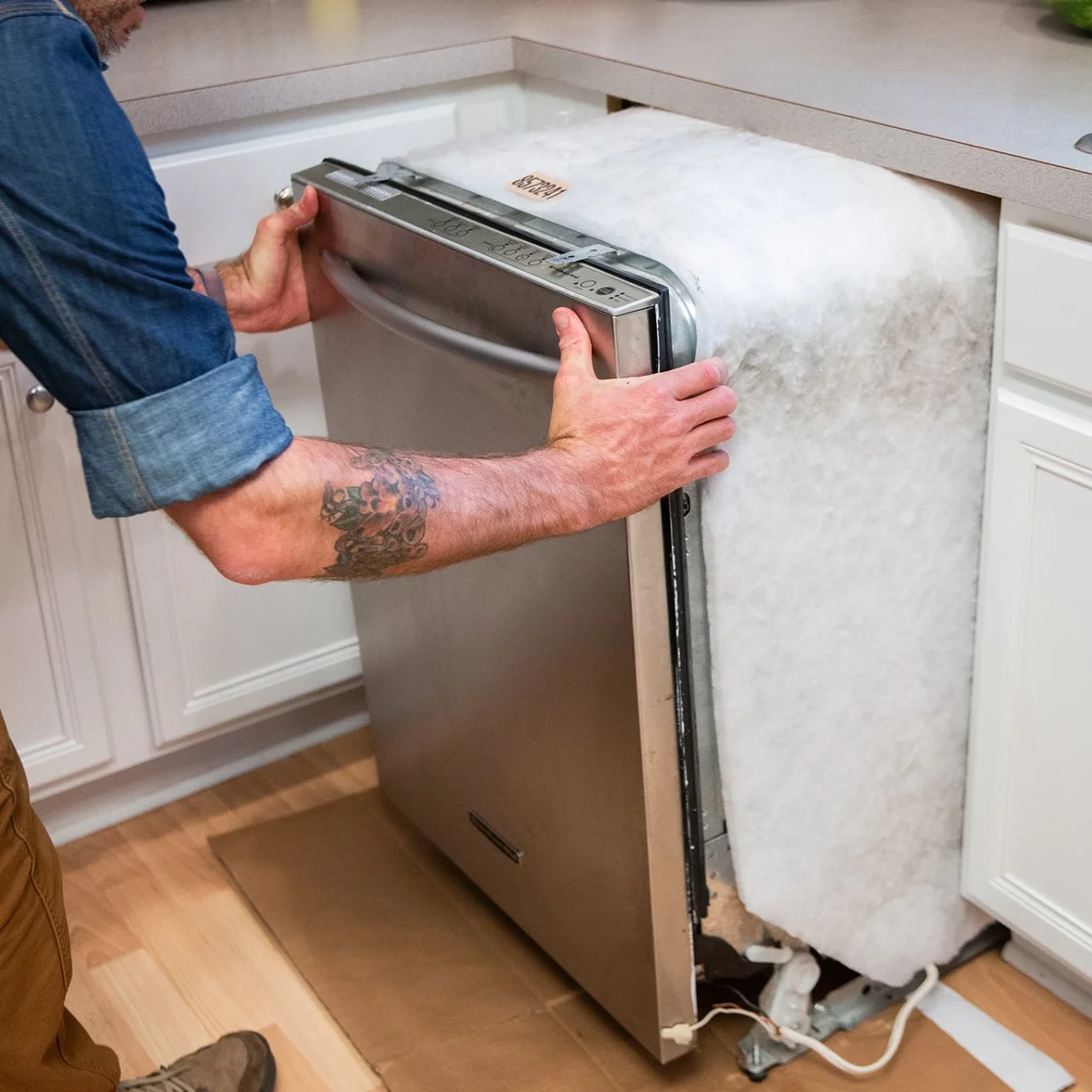
Slide Out Dishwasher
Removing a slide-out dishwasher involves turning off power and water supply first. Carefully disconnect hoses and electrical connections. Then, gently pull out the dishwasher, ensuring no cables or pipes are stuck.
Removing a dishwasher might seem like a daunting task, but with a little patience and know-how, it can be straightforward. The key is understanding the steps to slide out the dishwasher safely. Whether you’re replacing an old model or simply doing some maintenance, pulling out a dishwasher without damaging your kitchen cabinetry or the appliance itself is crucial.Check Clearance
Before you begin, ensure there’s enough space to slide the dishwasher out. Open the dishwasher door to check for any screws or brackets securing it to the countertop. Make sure any electrical cords or water lines are long enough to accommodate movement. Clear the area around the dishwasher. Remove any rugs or obstacles that might impede the process. This ensures a smooth transition as you slide the appliance out.Pull Out Slowly
With everything checked, gently start to pull the dishwasher out from its nook. Apply even pressure to avoid tipping or damaging the appliance. Remember, patience is key here; rushing can lead to costly mistakes. As you pull, listen for any unusual sounds that might indicate something is caught or snagged. If you encounter resistance, pause and reassess. Is there a hidden screw or a tangled cord? Solving these hiccups as they arise prevents bigger issues. Removing a dishwasher isn’t just about muscle—it’s about finesse. Have you ever had a home project where taking a moment to think through the next step saved you hours of frustration? This is one of those times. Moving slowly and deliberately will ensure you can pull out your dishwasher without a hitch.Inspect For Issues
Before pulling out a dishwasher, inspect for issues like leaks or loose connections. Disconnect power and water supply safely. Carefully slide it out to check for hidden problems.
Inspect for Issues Before you pull out a dishwasher, take time to inspect for any potential issues. This step is crucial to prevent unexpected problems during or after the removal process. A thorough inspection can save you time and effort, ensuring a smooth transition.Check Wiring
First, unplug the dishwasher from the power source. Look for any damaged or frayed wires, as they can pose safety hazards. You might be surprised to find that even a small nick in the wiring can cause significant issues. Ensure all connections are secure and intact. If you notice any damage, consider consulting a professional.Examine Plumbing
Check the water supply and drain hoses for leaks or corrosion. A small leak can quickly become a major problem if left unchecked. Are the hoses tightly connected and free of kinks? Ensure that there is no water pooling around the base of the dishwasher. Addressing these plumbing issues now can prevent a messy cleanup later. Taking these steps not only makes the removal process safer but also prepares you for reinstallation. Have you ever had to deal with unexpected issues while working on home projects? Share your experiences and tips in the comments below!Clean Area
When you’re preparing to pull out a dishwasher, creating a clean area is essential. You might wonder, why is this important? Think about it—working in a messy space can lead to accidents or damage. A clean area ensures that you can work efficiently and safely. Plus, it makes the process less stressful and more enjoyable.
Wipe Down Surfaces
Before you start, grab a damp cloth and wipe down all nearby surfaces. This includes countertops and any shelving around the dishwasher. You’d be surprised how much dust and grime can accumulate.
Pay special attention to corners and edges where dirt hides. A clean surface prevents dirt from transferring onto your dishes or the machine itself. Use a gentle cleaning solution if needed, ensuring everything is spotless.
Vacuum Debris
Once surfaces are clean, it’s time to tackle the floor. Pull out your vacuum cleaner and remove any debris. You might find bits of food, small screws, or other unexpected items.
Ensure you vacuum under the dishwasher space as well. This not only helps keep your kitchen tidy but also prevents any obstructions when you move the dishwasher. Wondering how often you should do this? Regular cleaning keeps your appliances running smoothly.
Are you ready to pull out your dishwasher with confidence? Taking these cleaning steps ensures a hassle-free experience, making the task seem less daunting. Who knew cleanliness could make such a difference?
Frequently Asked Questions
Can You Just Pull Your Dishwasher Out?
Pulling out a dishwasher may require disconnecting water and electrical connections. Ensure you follow safety precautions before attempting. Check installation instructions or consult a professional for guidance. Proper handling prevents damage to flooring or surrounding areas. Always inspect connections and fittings after repositioning to ensure everything is secure.
How To Pull Out A Dishwasher To Clean Behind It?
Turn off the dishwasher’s power and water supply. Remove the kick plate at the base. Unscrew the mounting brackets. Gently pull the dishwasher forward, ensuring hoses and cords move freely. Clean the area behind the dishwasher thoroughly. Reposition the dishwasher and secure it back into place.
Do You Have To Turn Off Water To Pull Out The Dishwasher?
You don’t need to turn off the water to remove the dishwasher. Ensure it’s unplugged and disconnected from the water supply. Carefully slide it out, watching for attached hoses. If you find any water connections, switch off the water valve to avoid leaks.
Always prioritize safety during appliance removal.
How To Take Out A Fitted Dishwasher?
First, disconnect the power and water supply. Remove the screws holding the dishwasher to the countertop. Carefully slide it out, ensuring hoses and wires are not tangled. Check for any brackets attached at the base and unscrew them. Finally, gently pull the dishwasher completely out from its space.
Conclusion
Pulling out a dishwasher seems tough, but you can do it easily. Start by turning off power and water connections. Then, remove any screws holding the dishwasher in place. Carefully slide it out and ensure you don’t damage the surrounding area.
Remember, safety first. Check for any remaining water inside before moving it. A gentle approach avoids scratches and dents. Follow these steps and your dishwasher will be free. With patience and care, you’ll succeed. Now, you are ready for repairs or replacement.
Always keep your work area clean for safety.
