

Are you tired of opening your dishwasher only to find that your silverware isn’t sparkling clean? You’re not alone.
Many people struggle with this common kitchen dilemma. The way you arrange your silverware in the dishwasher can make a huge difference in the results. Imagine enjoying your meals with spotless forks, shiny spoons, and gleaming knives every time. It’s possible when you know the right technique.
In this guide, you’ll discover simple tips to ensure your silverware comes out perfect every wash. Let’s dive in and unlock the secret to making your dishwasher work its magic!
Loading Silverware Properly
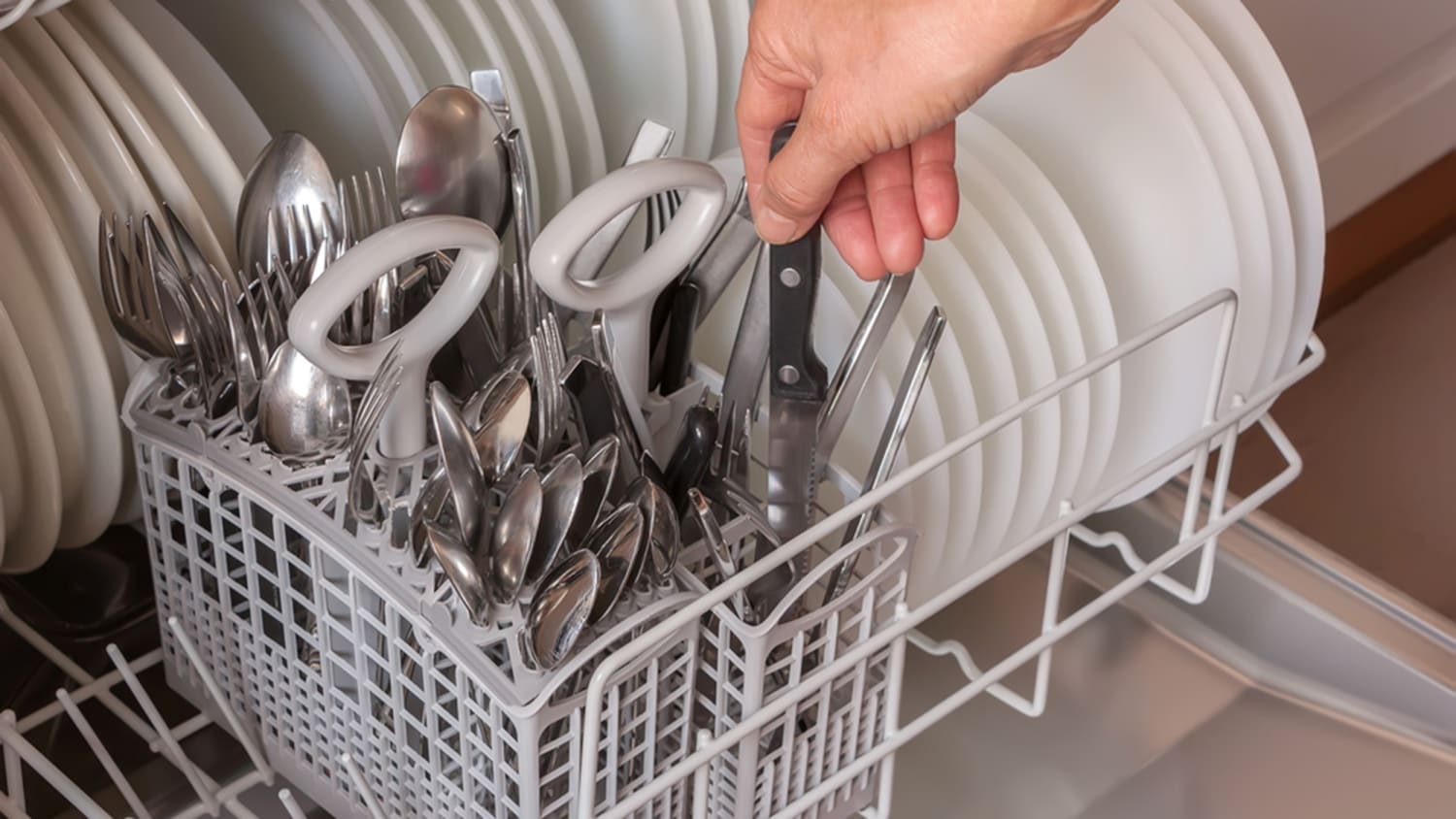
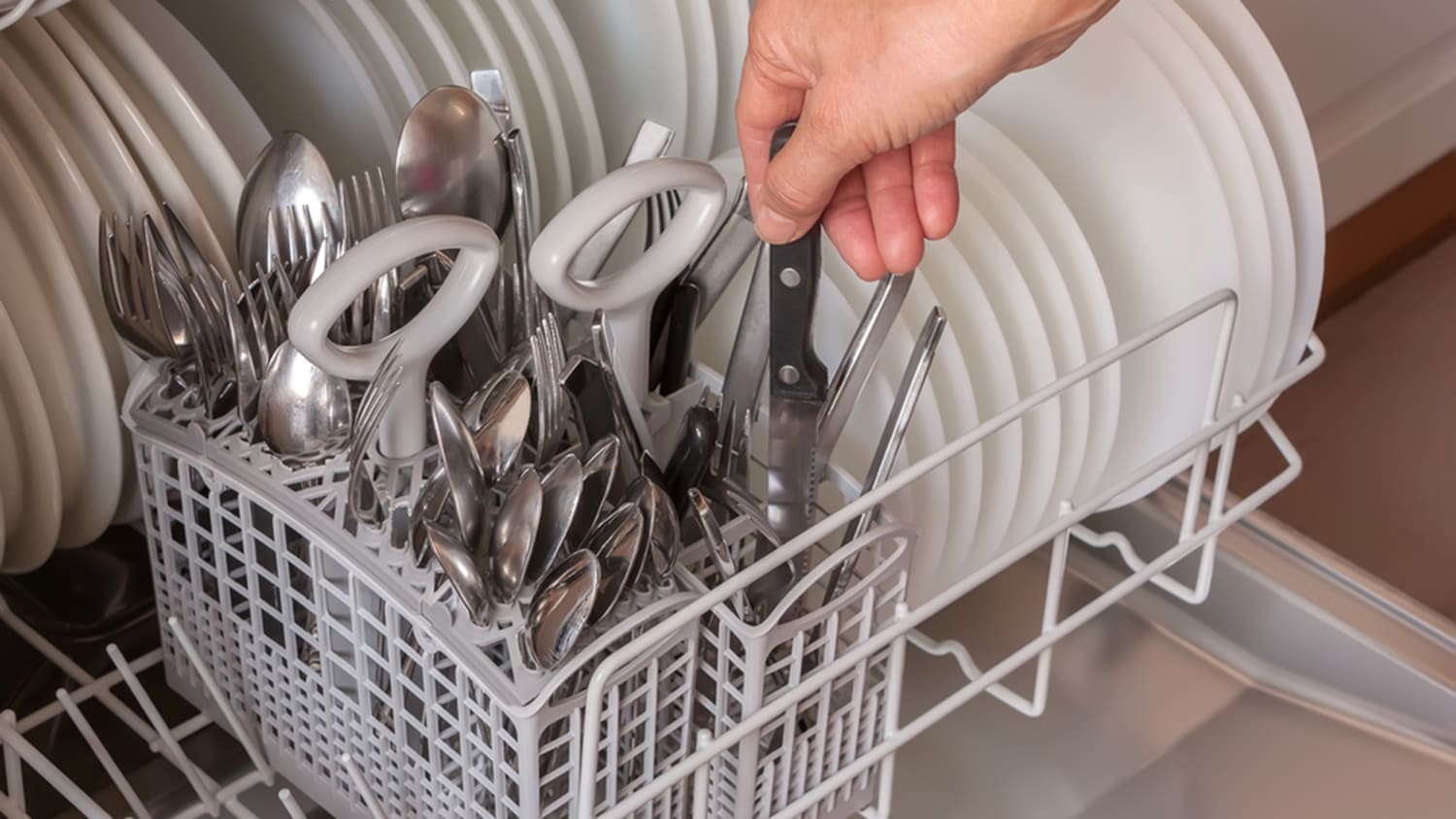
Place forks and spoons with handles down in the dishwasher basket. Knives go handles up for safety. Mix different utensils to avoid nesting and ensure a thorough clean.
Loading silverware properly in a dishwasher might seem trivial, yet it can make a significant difference in how clean your utensils come out. Have you ever unloaded the dishwasher only to find stubborn food bits still clinging to forks or spoons? The solution often lies in how you load your silverware. Let’s explore some practical tips to ensure your silverware emerges spotless every time.Choose The Right Silverware Basket
First, make sure your dishwasher has a dedicated silverware basket. This basket prevents utensils from moving around during the wash cycle. Some dishwashers have baskets with compartments that help keep forks, knives, and spoons separated. This setup improves cleaning efficiency by allowing water and detergent to reach all surfaces.Alternate Utensil Placement
Mix things up when placing utensils in the basket. Position some handles up and others down. This prevents them from nesting together, ensuring each piece gets thoroughly cleaned. Are you tired of spoon heads sticking together and not getting cleaned? Alternating handle direction is your quick fix.Mind The Sharp Edges
Be cautious with knives and sharp utensils. Place them with handles up to avoid accidental cuts when unloading. It’s both a safety measure and a cleaning strategy. Knives can block water spray if pointed down, leading to less effective cleaning.Avoid Overloading
Resist the temptation to cram as many utensils as possible into the basket. Overloading hinders water flow and reduces cleaning effectiveness. Each piece of silverware should have enough space to allow water and detergent to circulate freely. Have you noticed that fewer utensils often mean cleaner results?Consider Dishwasher-safe Materials
Always check if your silverware is dishwasher safe. Some materials, like certain types of wood or silver, can be damaged by the dishwasher’s heat and detergents. If in doubt, wash those pieces by hand to preserve their longevity and appearance. Loading your silverware properly is all about being mindful of placement and understanding your dishwasher’s design. Have you ever experimented with different loading techniques? Small adjustments can lead to much cleaner results, making your dishwashing routine more efficient.Choosing The Right Basket
Selecting the proper basket in your dishwasher ensures silverware gets cleaned efficiently. Place spoons, forks, and knives separately to avoid tangling. Keep handles down for better water flow and cleaning.
Choosing the right basket for your silverware in the dishwasher can make a significant difference in how well your utensils are cleaned. Not all baskets are created equal, and the right one can help ensure that your silverware comes out sparkling. By selecting the right basket, you can also prevent damage and maximize space in your dishwasher.Understanding Basket Types
Not all dishwashers have the same basket design. Some are removable, while others are fixed in place. Consider whether you need flexibility in positioning your basket. Removable baskets allow you to arrange silverware more freely and to clean the basket itself easily.Choosing The Material
Dishwasher baskets come in various materials like plastic, stainless steel, or even coated wire. Plastic baskets are lightweight and often more affordable. However, they may wear out over time. Stainless steel baskets are durable and resistant to stains and odors but might come at a higher cost.Considering The Size And Slots
The size of the basket and the slots it provides should match your needs. Larger families might benefit from a basket with more slots. Check if the slots can accommodate different types of silverware. Some baskets have slots for knives, forks, and spoons of varying sizes.Evaluating Safety Features
Safety is crucial, especially if you have children. Some baskets come with lids or covers to prevent sharp utensils from protruding. Look for features that secure the silverware in place, preventing movement during the wash cycle.Personal Experience: Trial And Error
I once chose a basket purely based on its appearance. It looked sleek but didn’t have enough slots for my cutlery. After a few washes, I realized that the utensils weren’t getting cleaned properly. This taught me the importance of prioritizing functionality over aesthetics.Have you ever wondered why some silverware comes out clean while others don’t? The right basket might just be the solution you’re looking for. How do you choose the perfect basket for your dishwasher?
Avoiding Overcrowding
Arrange silverware neatly in the dishwasher to prevent overcrowding. Place forks, spoons, and knives separately for better cleaning. Ensure each piece is spaced apart, allowing water and detergent to circulate effectively.
Putting silverware in the dishwasher is a simple task that can quickly become a headache if not done correctly. One common pitfall is overcrowding. Avoiding overcrowding isn’t just about making sure everything fits; it’s about ensuring your dishes come out sparkling clean. Packed silverware can lead to spots, stains, and missed areas. This section will guide you on how to effectively load your dishwasher without cramming, and why it’s essential for achieving the best results.Smart Silverware Placement
When loading your dishwasher, consider how each piece is positioned. Give each utensil some breathing room. This ensures that water and detergent can reach every surface. Avoid stacking spoons or forks directly on top of each other.Mixing Up Utensils
Mixing different types of silverware in the basket can prevent overcrowding. If you group similar items together, they tend to nest and block water flow. Try placing forks, knives, and spoons in alternating slots. This simple trick enhances cleaning efficiency.Basket Utilization
Some dishwashers come with a dedicated silverware basket. If yours does, use it wisely. Spread out the utensils to maximize space. If your basket has individual slots, use them to keep items separate. This prevents them from sticking together during the wash cycle.Assessing Load Size
Before loading, take a moment to assess the load size. Are you trying to fit too much into one wash? If you find yourself cramming silverware, it might be time to split the load. You’ll save yourself time in the long run by ensuring a thorough clean.Mindful Cleaning
Cleaning isn’t just about the dishes coming out spotless. It’s about maintaining the efficiency of your dishwasher. Overcrowding can lead to residue build-up, affecting future wash cycles. Ask yourself, is saving a few minutes worth compromising your dishwasher’s performance? Taking the time to properly organize your silverware can make a world of difference. You’ll not only ensure cleaner utensils but also prolong the life of your appliance. Are you ready to transform your dishwashing routine?Handling Forks And Spoons
Loading silverware in the dishwasher might seem simple. But handling forks and spoons correctly ensures they come out sparkling. Proper placement prevents nesting and ensures effective cleaning. Let’s explore the best ways to load forks and spoons for optimal results.
How To Place Forks
Place forks with the tines facing up. This allows water to reach all surfaces. Avoid overcrowding the silverware basket. Space them out to prevent nesting. This ensures each fork gets a thorough clean. Keeping handles down helps with easy unloading.
Positioning Spoons
Spoons should alternate between handles up and down. This prevents them from nesting together. Nesting spoons won’t get clean. Keeping some handles up and some down allows water to reach all surfaces. Make sure they don’t touch each other. This arrangement helps with thorough cleaning.
Using The Silverware Basket
Use the silverware basket for forks and spoons. Ensure it’s not overloaded. This allows water and detergent to reach each item. Overloading can lead to poor cleaning results. Keep it balanced for best performance.
Checking For Cleanliness
Inspect forks and spoons after a wash cycle. Make sure they are clean and dry. If not, adjust the arrangement next time. This helps maintain their shine and hygiene. Regular checks ensure consistent results.
Positioning Knives Safely
Placing silverware in a dishwasher requires careful attention, especially knives. Ensuring knives are positioned safely is crucial to avoid accidents and maintain their sharpness. This section will guide you through the best practices for positioning knives in the dishwasher.
Proper Knife Placement
Place knives with their blades down in the cutlery basket. This prevents accidental cuts when unloading the dishwasher. Ensure the handles are easily accessible.
Separate Knife Compartments
Use separate compartments for knives. This prevents them from touching other utensils. It helps maintain their edge and reduces the risk of damage.
Avoid Overcrowding
Avoid placing too many knives together. Overcrowding can lead to scratches and dullness. Give each knife enough space for effective cleaning.
Consider Dishwasher-safe Knives
Check if your knives are dishwasher-safe. Some knives may require hand washing to preserve their quality. Follow manufacturer instructions for optimal care.
Regular Inspections
Inspect your knives regularly for signs of wear. Check for dullness or rust. Address any issues promptly to maintain their longevity.
Credit: www.today.com
Balancing Heavier Utensils
Place heavier utensils like silverware in the dishwasher’s bottom rack. This helps balance the load. Ensure forks and spoons face up for effective cleaning.
Balancing heavier utensils in your dishwasher might seem like a trivial task, but it plays a crucial role in ensuring everything comes out sparkling clean. Imagine loading your dishwasher after a big family dinner, only to find your pots and pans still dirty because of poor placement. Learning the right way to balance these heavier items can make a world of difference in your dishwashing routine.Understanding The Weight Distribution
The key to achieving a well-balanced dishwasher load is understanding how weight distribution affects cleaning. Heavier utensils like pots and pans should ideally be placed on the bottom rack. This rack is designed to handle more weight without compromising the cleaning process.Positioning Large Utensils
Large utensils such as serving spoons and spatulas can often block the spray of water if placed incorrectly. Always position them horizontally on the top rack or in designated areas designed for longer items. This ensures they don’t obstruct the water jets and that all items get cleaned thoroughly. Overcrowding is a common issue that can lead to poor cleaning results. Leave enough space between heavier items so the water can circulate freely. Think about how frustrating it is when your favorite pan doesn’t come out clean just because it was jammed in too tightly.Utilizing Dishwasher Features
Modern dishwashers come with features tailored for different types of utensils. Look for adjustable racks or special holders for heavier items. These features are there to make your life easier and help you avoid the disappointment of unclean dishes.Trial And Error Method
Don’t hesitate to experiment with different placements to see what works best for your specific dishwasher model. You might find that placing a heavy pot in a slightly different position yields better results. Have you ever found a clever hack by simply trying something new?Leveraging Personal Experience
When I first started using my dishwasher, I often found my heavier utensils weren’t getting as clean as I’d like. After tweaking how I placed them, I noticed a significant improvement. This small adjustment saved me time and ensured everything was ready for the next meal. Balancing heavier utensils doesn’t just improve cleaning; it optimizes your entire dishwashing process. By understanding weight distribution, positioning large utensils correctly, and using your dishwasher’s features, you ensure every dish comes out spotless.Preventing Rust And Stains
Place silverware in the dishwasher basket to prevent rust and stains. Arrange forks, knives, and spoons separately. Keep handles down for better cleaning and drying.
Preventing rust and stains on your silverware is crucial for maintaining its shine and longevity. Proper loading in the dishwasher can make a significant difference in keeping your utensils in top condition. With a few simple steps, you can ensure that your silverware comes out spotless and rust-free every time.Understanding The Root Causes
Rust and stains on silverware often result from a combination of moisture and improper placement. Stainless steel can corrode if it’s left wet for too long, especially when in contact with other metals. Have you ever noticed how a single rusted knife can impact the rest of your cutlery? This underscores the importance of correct loading and drying practices.Separate Different Metals
Mixing metals like stainless steel and silver in the dishwasher can cause a reaction that leads to rust spots. It’s best to keep these different types of silverware apart. You can use separate compartments or baskets in the dishwasher for each type to prevent contact.Avoid Overcrowding
An overcrowded dishwasher doesn’t allow water and detergent to reach every surface. This can lead to food particles sticking to the utensils, causing stains. Place your silverware in a way that each piece has its own space, ensuring thorough cleaning.Use The Right Detergent
Some detergents contain harsh chemicals that can be tough on silverware. Opt for a gentle, high-quality dishwasher detergent that is specifically designed for stainless steel and silver. This prevents chemical reactions that can lead to rust.Ensure Proper Drying
Leaving silverware wet is a surefire way to invite rust. After the washing cycle, open the dishwasher door slightly to let steam escape. This simple action helps silverware dry faster, reducing the risk of rust formation.Personal Experience: Lessons Learned
I once left my silverware sitting in a damp dishwasher overnight, thinking it wouldn’t make a difference. The next morning, I was greeted with unsightly rust spots. This mistake taught me the value of promptly unloading the dishwasher. It’s a small habit that saves me from the hassle of dealing with rust.Regular Maintenance
Regularly check your dishwasher for residue buildup, which can lead to stains on your silverware. Clean the filter and spray arms to ensure optimal performance. A well-maintained dishwasher is key to spotless, rust-free silverware. By understanding these basic principles, you can protect your silverware from rust and stains. What methods have you found effective in keeping your utensils pristine? Share your experiences and let’s learn together.Using Dishwasher-safe Silverware
Using dishwasher-safe silverware makes cleaning up easy. It ensures your utensils stay intact without damage from the machine’s heat and detergents. It saves time and effort, leaving your silverware sparkling clean.
How To Identify Dishwasher-safe Silverware
Check the manufacturer’s label on the silverware. Look for symbols indicating dishwasher safety. Stainless steel is generally dishwasher-safe. Avoid putting silverware with wooden handles in the dishwasher. It might damage the wood.
Organizing Silverware In The Dishwasher
Place forks and spoons facing up. This helps them get clean thoroughly. Knives should face down for safety. Mix different types of silverware to prevent nesting. Nesting can block water flow, leaving items dirty.
Maximizing Cleaning Efficiency
Separate pieces to avoid clumping. Clumping restricts water access. Ensure each piece is exposed to water jets. Don’t overload the basket. Overloading can lead to poor cleaning results. Arrange items to allow maximum water circulation.
Avoiding Common Mistakes
Don’t mix silver and stainless steel. It can cause tarnishing. Keep delicate items out of the dishwasher. They may get damaged during the wash cycle. Avoid placing utensils with decorative features in the machine.
Maintaining Dishwasher-safe Silverware
Regularly check for rust or wear. This ensures long-lasting use. Clean silverware after each meal. This prevents food residue buildup. If rust appears, remove it immediately to maintain quality.
Regular Maintenance Tips
Place silverware in the dishwasher with handles down to ensure better cleaning. Separate forks, knives, and spoons to prevent nesting. Keep sharp knives facing down for safety.
Regular maintenance of your dishwasher can significantly enhance its performance and lifespan. Taking a few minutes to care for your appliance ensures that your silverware, plates, and glasses come out sparkling every time. Let’s delve into some easy yet effective maintenance tips to keep your dishwasher running smoothly.1. Clean The Filter Regularly
A dirty filter can lead to poor cleaning results. Check the filter every couple of weeks and remove any food particles stuck in it. Rinse it under running water for a thorough clean.2. Inspect The Spray Arms
Ensure the spray arms are moving freely and not blocked by debris. You can remove them to clean any clogs. This helps maintain good water pressure for effective cleaning.3. Check The Door Seals
Examine the rubber seals around the door for any cracks or buildup. A damaged seal can cause leaks. Wipe it with a damp cloth to remove any grime.4. Use Dishwasher Cleaner
Once a month, use a dishwasher cleaner to eliminate grease, limescale, and odors. Simply follow the instructions on the cleaner package. This keeps your appliance fresh and efficient.5. Monitor Water Hardness
Hard water can cause mineral deposits inside your dishwasher. Consider using a water softener if you notice mineral buildup. This prevents your machine from working harder than necessary.6. Avoid Overloading
Overloading your dishwasher can block the spray arms and prevent proper cleaning. Make sure items are placed in a way that allows water to reach all surfaces. This ensures your silverware is thoroughly cleaned. Are you regularly maintaining your dishwasher? A little effort goes a long way in keeping your appliance in top condition. Remember, these small steps can save you time and money in the long run.:max_bytes(150000):strip_icc()/GettyImages-172148339-2000-737ebc6bca884bb08796852114e583bf.jpg)
Credit: www.southernliving.com
Expert Advice For Best Results
Loading silverware in the dishwasher may seem simple. Yet, arranging it correctly ensures sparkling results. Proper placement prevents damage and ensures thorough cleaning. Let’s explore expert tips for achieving the best results.
How To Arrange Forks And Spoons
Place forks and spoons with handles down. This allows water and detergent to clean the prongs and bowls effectively. Mixing types prevents nesting. Nesting can block water flow. It can also trap food particles. Alternate their positions for thorough cleaning.
Load knives with handles up. This prevents cuts when unloading. It also keeps blades sharp. Avoid overcrowding to ensure each knife is cleaned. Leave space between items. Proper spacing enhances water circulation.
Avoid Overloading The Silverware Basket
Overloading limits cleaning efficiency. Each utensil should have space. Avoid cramming too many items together. Proper spacing ensures even water distribution. It also prevents scratches and damage.
Use The Right Dishwasher Detergent
Choose a detergent suitable for your dishwasher. Some detergents are designed for hard water. Others work best in soft water. The right choice improves cleaning results. Follow the manufacturer’s guidelines for the best outcome.
Check Silverware Material
Some silverware is not dishwasher safe. Check the manufacturer’s instructions. Avoid washing delicate items like wooden or silver-plated utensils. This prevents damage and discoloration.
Credit: www.today.com
Frequently Asked Questions
Are You Supposed To Put Silverware Up Or Down In The Dishwasher?
Place silverware handles down in the dishwasher basket for thorough cleaning. This position ensures better water flow and detergent contact, effectively removing food particles. Sharp knives should face down for safety. Proper arrangement prevents nesting, ensuring each piece gets cleaned efficiently.
Can You Put Silverware In The Dishwasher?
Yes, you can put silverware in the dishwasher. Place them separately with handles down for thorough cleaning. Use a gentle cycle to prevent damage. Avoid mixing with non-stainless steel items to reduce rust risk. Always check the manufacturer’s guidelines for specific care instructions.
What Is The Correct Way To Stack Cutlery In The Dishwasher?
Place cutlery in the dishwasher with handles facing down. Avoid overcrowding for better cleaning. Separate forks, knives, and spoons to ensure effective washing. Ensure sharp knives face down for safety. Use the cutlery basket to keep utensils organized.
How To Load A Silverware Rack In The Dishwasher?
Place forks and spoons with handles down. Alternate knives with blades facing down. Avoid overcrowding for better cleaning. Ensure silverware is separated to prevent nesting. Use designated slots for optimal water flow.
Conclusion
Organizing silverware in your dishwasher can make a big difference. Proper placement ensures every item gets clean. Separate forks, knives, and spoons in the rack. Avoid nesting them together. Point handles down for better water flow. Always check the manufacturer’s instructions.
This can help your dishwasher work efficiently. Regular cleaning of the machine also helps. Remember, a neat setup saves time and effort. Keep practicing these steps for best results. Happy dishwashing!
