
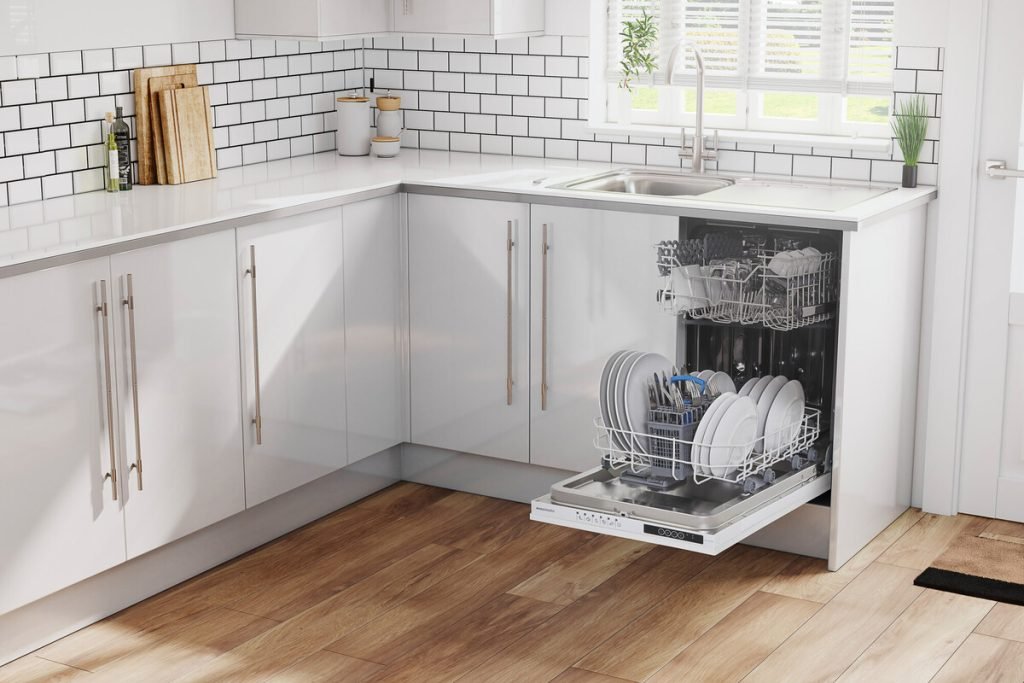
Are you staring at your kitchen, wondering how to tackle the daunting task of removing that built-in dishwasher? Maybe it’s time for an upgrade, or you’re just ready to reclaim some cabinet space.
Whatever your reason, the thought of disconnecting a heavy appliance like a dishwasher can be intimidating. But don’t worry—you’re not alone. Many homeowners feel the same way. The good news? Removing a built-in dishwasher is simpler than you might think.
With the right guidance, you can handle this task without breaking a sweat. Dive into this article, and you’ll discover step-by-step instructions designed to make the process straightforward and stress-free. Imagine the satisfaction of completing this task yourself, saving money, and gaining a newfound confidence in your DIY abilities. Ready to get started? Let’s make it happen together.
Tools Needed
Removing a built-in dishwasher requires basic tools. A screwdriver, wrench, and pliers will be essential. These tools help disconnect power, water, and mounting brackets.
Removing a built-in dishwasher might seem like a daunting task, but with the right tools at your disposal, it can be a smooth process. Just like assembling a piece of furniture, having the proper tools makes all the difference. Let’s delve into what you’ll need to successfully tackle this home project.1. Screwdriver Set
A reliable screwdriver set is essential. Dishwashers typically have screws securing them to the countertop and cabinets. Make sure you have both Phillips and flathead screwdrivers, as you’ll likely encounter both types.2. Adjustable Wrench
An adjustable wrench is your best friend when it comes to disconnecting water supply lines. This tool will help you loosen the nuts securing the water hoses. Always remember to turn off the water supply before using it.3. Pliers
Pliers are handy for gripping and twisting stubborn hoses or wires. They can help you remove the clamps that secure the dishwasher’s drain hose to your sink drain or garbage disposal.4. Bucket Or Towel
Prepare for potential water spills by having a bucket or towel on hand. Placing a towel under the water connections can help you catch any residual water. This step can prevent a messy floor situation.5. Flashlight
A flashlight is essential for visibility in the often dimly-lit areas under your sink or behind your dishwasher. A hands-free headlamp can be even more convenient, allowing you to work with both hands.6. Work Gloves
Protect your hands with work gloves. They offer a better grip and shield your hands from sharp edges. Plus, gloves can prevent any accidental scrapes or cuts.7. Voltage Tester
Safety first! Use a voltage tester to ensure the dishwasher is completely powered off before you begin. This step is crucial to avoid any electrical hazards. Do you have all these tools ready? If not, a quick trip to your local hardware store can set you up for success. Each tool plays a vital role in ensuring the dishwasher removal process is both safe and efficient. With these tools in hand, you’re well on your way to taking on this project with confidence.Safety Precautions
Removing a built-in dishwasher requires attention to detail and safety. Before you begin, understanding key safety precautions is essential. This will help prevent accidents and injuries. Always prioritize your safety during this process.
1. Turn Off The Power
Safety first! Turn off the power to the dishwasher. Locate the circuit breaker and switch it off. This prevents electrical shock. Double-check with a voltage tester. Ensure the power is completely off.
2. Shut Off The Water Supply
Locate the water supply valve under the sink. Turn it clockwise to shut off the water. This avoids leaks and potential flooding. Confirm no water flows when you open the dishwasher.
3. Wear Protective Gear
Use gloves to protect your hands. Wear safety glasses to shield your eyes. These prevent injuries from sharp edges or debris. Safety gear is crucial for your protection.
4. Inspect For Hazards
Look for any potential hazards around the dishwasher. Check for exposed wires or sharp edges. Remove any obstacles in your workspace. A clear area ensures a safer removal process.
5. Use The Right Tools
Gather the necessary tools before starting. You may need a screwdriver, wrench, and pliers. Using the right tools makes the process smoother. It also helps prevent damage to the dishwasher.
Disconnecting Power And Water
Removing a built-in dishwasher involves several steps. A critical step is disconnecting power and water. This ensures safety and prevents damage. Properly disconnecting these utilities is crucial. Follow these guidelines to proceed safely and efficiently.
Turning Off Electricity
First, locate your home’s circuit breaker. Find the switch marked for the dishwasher. Flip it to the ‘off’ position. This cuts power to the appliance. Double-check by trying to turn on the dishwasher. It should remain off, confirming no power flow.
Shutting Off Water Supply
Next, find the water supply valve. It’s usually under the kitchen sink. Turn it clockwise to close. This stops water from reaching the dishwasher. Ensure the valve is tightly shut. Test by attempting to run the dishwasher. No water should flow through.

Credit: www.youtube.com
Removing The Kick Plate
Removing the kick plate is a crucial step when you’re gearing up to tackle the task of removing your built-in dishwasher. This seemingly simple panel can hold secrets to easy access and successful removal. Ensuring you approach this step with care can make the entire process smoother, saving you time and frustration. Let’s dive into the specifics of removing the kick plate and get you on your way to freeing that dishwasher.
Inspecting The Kick Plate
Before you start unscrewing, take a moment to inspect the kick plate. Does it have visible screws or is it clipped in place? Some models might surprise you with hidden fasteners. A flashlight can be your best friend here, illuminating those hard-to-see areas.
Gathering Your Tools
Don’t underestimate the power of the right tools. A screwdriver, ideally a Phillips head, is often all you need. If your kick plate is clipped, a flathead might be handy. Keep these tools within reach to maintain momentum.
Removing The Screws
Got your screwdriver ready? Start unscrewing those visible screws. Hold onto each one as you remove them to avoid dropping them into the abyss of your kitchen floor. If you’ve ever lost screws, you know it can be like searching for a needle in a haystack.
Popping Off The Kick Plate
Once the screws are out, gently pull the kick plate towards you. If it’s clipped, apply a bit of pressure in the right spots until it pops free. Don’t force it; you don’t want to damage the plate or the dishwasher itself.
What Lies Beneath?
With the kick plate removed, take a moment to peek underneath. You’ll likely see wires, hoses, and maybe some dust bunnies. This is your gateway to the inner workings of your dishwasher. What does your inspection reveal?
Maintaining Cleanliness
While you’re here, why not do a quick clean? Dust and debris can accumulate over time. A small brush or vacuum can tidy things up. Keeping this area clean can prevent future issues and ensure smooth operation.
Does removing the kick plate feel like a daunting task or an exciting challenge? Remember, each step you take brings you closer to successfully removing your dishwasher. Approach it with patience and curiosity, and you’ll be surprised at how manageable it can be.
Detaching Water Supply Line
Disconnect the power and shut off the water supply before removing a built-in dishwasher. Loosen the water supply line using a wrench, then carefully detach it from the dishwasher. Ensure the water valve is off to prevent leaks.
Removing a built-in dishwasher can seem daunting, especially when it comes to disconnecting the water supply line. But, with the right guidance, you can manage this task smoothly and efficiently. Detaching the water supply line is crucial to prevent water damage and ensure the safety of your kitchen space. In this section, you’ll learn how to carefully detach the water supply line, making the process as straightforward as possible.Locate The Shut-off Valve
First, you need to find the shut-off valve for the dishwasher’s water supply. Typically, this valve is located under the kitchen sink. You’ll see a small valve on the pipe leading to the dishwasher. Turn it clockwise to stop the flow of water. Can you imagine the mess if you skipped this step? Water everywhere! So, always double-check that the water is off.Prepare Your Tools
Having the right tools on hand makes the job much easier. You’ll need an adjustable wrench and a towel or bucket to catch any residual water. The wrench will help you loosen the connections, while the towel or bucket will manage any drips. Have you ever started a project only to realize you’re missing a tool? Preparing ahead saves time and frustration.Detach The Water Supply Line
Next, carefully use your wrench to loosen the nut connecting the water supply line to the dishwasher. This is usually a brass or plastic connector. Turn the wrench counterclockwise until the nut is free. As you do this, remember that patience pays off. Rushing can lead to damaged parts or a stubborn nut that refuses to budge.Check For Leaks
Once detached, take a moment to inspect the water supply line. Ensure there are no leaks or drips. If you see any, tighten the connector again or replace the line if necessary. Ever had a leak go unnoticed? It can lead to bigger issues down the road. A quick check now saves you from future hassles.Store The Components
Finally, store the detached components safely. Keep the nut and supply line in a labeled bag or box. This ensures you have everything you need when installing a new dishwasher. Have you ever lost small parts during a project? Keeping organized prevents those last-minute searches when you’re ready to reinstall.Disconnecting Drain Hose
Disconnecting the drain hose is a crucial step in removing a built-in dishwasher. This process ensures that water does not leak during the removal. Following the right steps can prevent potential messes and damage.
Identifying The Drain Hose
Locate the drain hose at the back of the dishwasher. It usually connects to the sink’s plumbing or garbage disposal. The hose is often flexible and corrugated for easy identification.
Gathering Necessary Tools
Use a screwdriver or pliers to loosen hose clamps. These tools will help disconnect the hose securely. Keep a towel or bucket handy to catch any water drips.
Turning Off The Power
Ensure the dishwasher is unplugged before proceeding. This prevents electrical accidents during the removal. Safety should always be the top priority.
Removing The Hose Clamp
Locate and loosen the clamp securing the drain hose. Use your pliers or screwdriver for this task. Gently slide the clamp away from the hose’s end.
Detaching The Drain Hose
Gently pull the hose away from the dishwasher or disposal. Expect some water to spill during this step. Use the towel or bucket to manage any leaks.
Inspecting The Hose For Damage
Check the hose for cracks or wear after removal. Replace it if you see any damage. A damaged hose can lead to leaks and other issues.
Storing The Hose Safely
Store the hose in a dry, safe place after removal. Proper storage prevents damage and keeps it ready for future use.
Unscrewing Mounting Brackets
Removing a built-in dishwasher may seem daunting. But it’s manageable with the right steps. One crucial step is unscrewing the mounting brackets. These brackets secure the dishwasher to the countertop. Properly unscrewing them ensures a smooth removal process. Let’s break down the steps.
Locate The Mounting Brackets
Start by locating the mounting brackets. They are usually at the top of the dishwasher. Check under the counter’s edge. You might need a flashlight to see clearly. Identifying their position helps you know where to unscrew.
Gather The Right Tools
You’ll need a screwdriver for this task. A Phillips-head screwdriver works best. Make sure it fits the screws snugly. This ensures you don’t strip the screws. Having the right tools makes the process easier.
Unscrew Carefully
Position your screwdriver on the bracket screw. Turn it counterclockwise to loosen. Be gentle to avoid damaging the screws. Take your time with each screw. Once loose, set them aside safely.
Check For Additional Screws
Some dishwashers have extra screws. Check the sides and back for more brackets. Unscrew these as well. Ensuring all screws are removed is essential. Missing a screw can make removal difficult.
Keep Track Of Screws
Place all screws in a small container. This prevents them from getting lost. Keeping track of screws helps during reinstallation. Organization is key to a smooth process.

Credit: www.rangemaster.co.uk
Pulling Out The Dishwasher
Begin by disconnecting the dishwasher’s power supply and water line. Carefully remove screws securing the unit to the countertop. Gently slide the dishwasher out, ensuring hoses and wires are clear.
Removing a built-in dishwasher might seem daunting, but pulling it out is a straightforward task with the right approach. It’s like that moment when you’re all set to rearrange your living room furniture—exciting yet challenging. This section will guide you through the crucial step of pulling out your dishwasher without hassle.Disconnecting The Power And Water Supply
Before you start, ensure safety first. Turn off the power supply by unplugging the dishwasher from the outlet. If it’s hardwired, switch off the circuit breaker. Next, shut off the water supply. Locate the valve, usually under the sink, and turn it clockwise to stop the flow. This prevents any accidental water leakage during removal. The kick plate is the panel at the bottom front of your dishwasher. Use a screwdriver to remove the screws holding it in place. Once detached, you can see the dishwasher’s legs and any wiring. This step gives you access to check for any hidden screws or attachments.Detaching The Mounting Brackets
Your dishwasher is likely secured with mounting brackets. These are typically located under the countertop. Use a screwdriver to loosen them. By doing this, you’re freeing the dishwasher from its fixed position. Remember to keep the screws safe for later use.Sliding Out The Dishwasher
With everything detached, you’re ready to slide the dishwasher out. Grip it firmly on both sides and gently pull it forward. If it resists, check for any remaining screws or attachments. This may require a bit of maneuvering, but patience is key.Checking For Obstructions
As you pull, be alert for any obstructions. Pipes or wires might hinder the movement, so inspect the sides and underneath. Sometimes it’s an unexpected obstacle that holds you back. Address any issues promptly to avoid damage.Final Steps And Insights
Once out, assess the area for dirt or debris. It’s a good opportunity for a quick clean-up before installing a new dishwasher. Have you considered how your kitchen will look with the new appliance? A fresh start often brings unexpected joy.Cleaning The Area
Removing a built-in dishwasher involves disconnecting water and power supplies, loosening mounting brackets, and sliding it out carefully. Ensure surrounding area is clear to prevent damage. Clean the space thoroughly before installing a new appliance for optimal fit and performance.
Cleaning the area where your dishwasher used to sit is crucial for ensuring a fresh and functional kitchen space. You might be surprised by the amount of grime and debris that accumulates beneath and around a built-in dishwasher. After all, it’s not an area you typically clean every week. With the dishwasher out of the way, you have a rare opportunity to give this space a thorough cleaning. Let’s dive into how you can ensure this area is as clean as possible.Inspect The Floor And Walls
Once the dishwasher is out, take a close look at the floor and surrounding walls. Over time, spills and leaks might have left some marks or stains. Use a flashlight to get a good look at any hidden spots that might need extra attention.Gather Your Cleaning Supplies
You’ll need a few key items: a bucket of warm soapy water, sponges, a scrub brush, and a clean cloth. Keep a vacuum or a broom handy to collect any loose debris or dust.Start With The Floor
Begin by sweeping or vacuuming any loose dirt or crumbs. Next, use the warm soapy water and a sponge to scrub the area thoroughly. Pay special attention to corners and edges where grime tends to gather.Clean The Walls
Walls can easily collect splashes and spills over time. Use a damp cloth with mild detergent to wipe them down. For stubborn spots, a soft scrub brush can help lift the grime without damaging the paint or tiles.Check For Mold Or Mildew
Damp environments are breeding grounds for mold. Look closely for any signs of it. If you spot any, use a mixture of vinegar and water to clean the area. This solution is effective and safe for most surfaces.Dry The Area Thoroughly
After washing, make sure to dry everything completely. Moisture left behind can lead to more mold or mildew. Use a clean, dry cloth to wipe down all surfaces, ensuring no water is left standing.Consider Future Protection
Think about adding a moisture barrier or mat before installing a new dishwasher. This can protect your floors and make future cleaning easier. Cleaning this space might seem like a chore, but it’s a chance to prevent potential problems down the road. What surprising discoveries did you find when you removed your dishwasher? Taking these steps will help you keep your kitchen clean and ready for whatever comes next.
Credit: www.youtube.com
Troubleshooting Common Issues
Removing a built-in dishwasher involves disconnecting water and power lines. Unscrew the mounting brackets and slide out the appliance. Ensure you have towels ready to catch any water spills.
Removing a built-in dishwasher can sometimes present unexpected challenges. These issues can make the task feel daunting, but with the right approach, you can tackle them efficiently. Let’s explore some common problems you might encounter during this process.Difficulty In Disconnecting Lines
One common hurdle is disconnecting the water and drainage lines. It’s crucial to turn off the water supply before you start. Have you ever tried to unscrew a stubborn hose fitting? If so, you know it can be frustrating. Use a wrench for better grip, and if it’s still stuck, apply a little penetrating oil to loosen it. Sometimes, the drainage hose can be hard to access. You might need to remove nearby cabinets or panels for better visibility. Check for hidden screws that might be securing the hose. Once you have access, gently wiggle the hose free from its clamp.Stuck Dishwasher
Another issue you might face is the dishwasher being stuck in place. This often happens due to hidden screws or brackets securing it to the countertop. Have you ever found yourself wondering why the dishwasher won’t budge? Look for screws on the underside of the counter or at the sides of the dishwasher. Once you locate them, use a screwdriver to remove each one. Carefully check for any additional fastenings, such as adhesive strips or clips. It’s all about patience and thorough inspection. If the dishwasher remains stubborn, gently rock it side to side to break any remaining grip. This movement can help free it from tight spaces or lingering sealants. Removing a built-in dishwasher requires attention to detail and a bit of elbow grease. Addressing these common issues will help you avoid unnecessary frustration. Have you encountered any other difficulties while removing a dishwasher? Share your experiences in the comments!Frequently Asked Questions
How To Remove An Inbuilt Dishwasher?
Turn off power and water supply. Remove screws securing the dishwasher. Disconnect hoses and electrical connections. Gently slide out the dishwasher.
How Do I Pull Out An Installed Dishwasher?
To remove a dishwasher, turn off the power and water supply. Disconnect hoses and electrical connections. Remove mounting brackets and gently pull the dishwasher out. Ensure you have a towel or pan to catch any water spills during the process.
Do You Need A Plumber To Uninstall A Dishwasher?
You don’t always need a plumber to uninstall a dishwasher. Basic tools and some DIY skills might suffice. Ensure you shut off the water and disconnect power before starting. If unsure, hiring a professional ensures safety and proper removal.
Is It Hard To Replace A Built-in Dishwasher?
Replacing a built-in dishwasher can be challenging. Disconnect power and water supply first. Carefully remove the old unit. Install the new dishwasher, aligning it with cabinets. Secure plumbing and electrical connections. Check for leaks and test operations. Hiring a professional ensures proper installation.
Follow manufacturer instructions for best results.
Conclusion
Removing a built-in dishwasher requires careful steps. Start by unplugging it. Disconnect water supply and drain hose. Use a screwdriver to remove screws. Slide the dishwasher out gently. Seek help if it’s heavy. Clean the space after removal. Install the new dishwasher following instructions.
Remember, safety comes first. Follow each step patiently. It’s a manageable task with the right tools. Feel free to ask for professional help if needed. You can do it with careful planning. Enjoy your new kitchen setup.
