
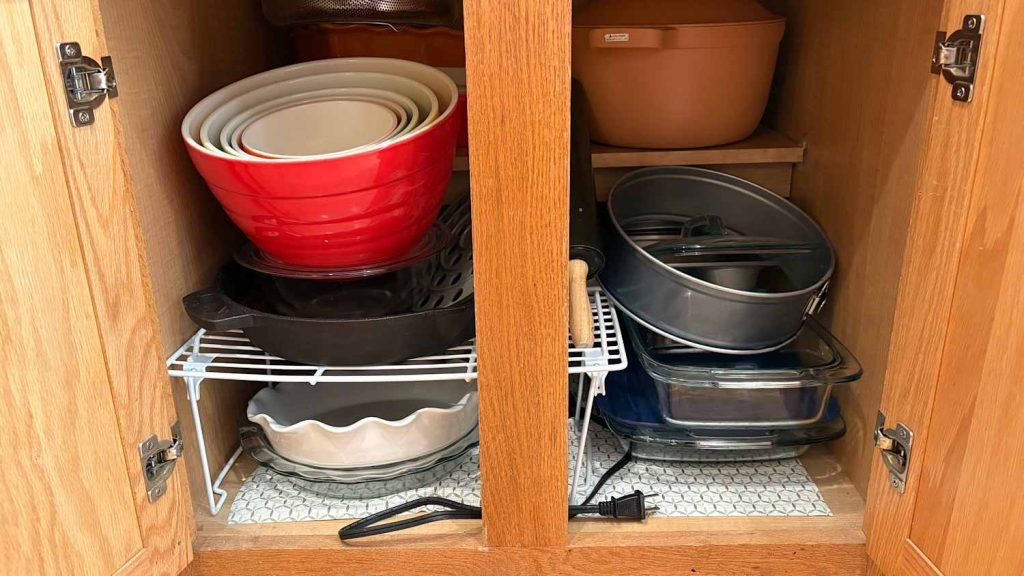
Is your kitchen cupboard a cluttered mess that makes cooking stressful? Imagine opening your cupboards and instantly finding exactly what you need, without digging through piles of items.
Organizing your kitchen cupboards the right way can save you time, reduce frustration, and even make your kitchen look more inviting. You’ll discover simple, practical tips to transform your cupboards into a neat, efficient space that works for you every day.
Keep reading and take the first step toward a kitchen that feels calm, clean, and completely under control.
Assess Your Kitchen Space
Before you start moving items around or buying organizers, take a moment to really assess your kitchen space. Understanding what you have to work with helps you make smarter decisions and avoid clutter. It also makes sure every inch of your cupboards is used efficiently.
Measure Cupboard Dimensions
Grab a tape measure and note the height, width, and depth of each cupboard. Don’t forget to measure inside shelves too, since some might be adjustable. Knowing these numbers helps you choose the right containers and organizers that actually fit.
Have you ever bought storage bins only to find they don’t fit your shelves? Measuring first saves you that frustration. It also helps you spot awkward spaces, like narrow gaps or tall, deep cupboards that need special solutions.
Identify High-use Areas
Think about where you reach most during cooking. Is it near the stove for spices and oils, or by the sink for cleaning supplies? Mark these spots as your “high-use” zones so you can keep frequently needed items within easy reach.
This approach keeps your kitchen efficient and reduces time spent hunting for things. You might discover that some cupboards are rarely opened and better suited for storing seasonal or backup items. What areas in your kitchen do you find yourself opening the most?
Evaluate Storage Needs
Look at what you actually store inside your cupboards. Do you have mostly pots and pans, or a lot of small containers and lids? This impacts what types of organizers or dividers will work best.
Consider how you like to cook too. If you’re into baking, you might want designated spots for measuring cups and mixing bowls. If your family eats a lot of canned goods, a sturdy rack could keep those items tidy. What storage challenges do you face daily?
Sort And Declutter Items
Sorting and decluttering your kitchen cupboards can transform your cooking space from chaotic to calm. It’s not just about tidying up; it’s about creating a system that makes your everyday kitchen tasks easier and more enjoyable. Have you ever reached for a bowl only to find it buried under a stack of mismatched containers? Sorting and decluttering stops that frustration before it starts.
Categorize Kitchenware
Start by grouping similar items together. Keep plates, bowls, and cups in one section. Store pots and pans near the stove for quick access.
Think about how you use your kitchen. Place baking tools in one cupboard and everyday utensils in another. This helps you find what you need without digging through piles.
- Group items by function, like cooking, baking, or serving.
- Use clear containers or labels to identify categories quickly.
- Keep frequently used items at eye level or within easy reach.
Discard Expired Goods
Expired spices, sauces, and canned goods take up valuable space and can spoil your meals. Check expiration dates regularly to keep your pantry fresh.
Throw away anything past its prime, and wipe down shelves to remove crumbs or spills. You’ll be surprised how much more room you create by clearing out old products.
Ask yourself: When was the last time you used this item? If it’s been sitting untouched for months, it’s probably time to let it go.
Donate Unused Items
Many kitchen items you no longer need can benefit others. Extra mugs, utensils, or small appliances might be perfect for someone setting up their own kitchen.
Donating unused but functional items frees up cupboard space and reduces waste. It feels good to know your clutter is helping someone else.
Consider local shelters, community centers, or charity shops as places to donate. Before giving, make sure everything is clean and in working order.
Choose Storage Solutions
Choosing the right storage solutions can transform your kitchen cupboards from cluttered chaos into a model of efficiency. It’s not just about fitting everything in; it’s about making items easy to find and access. Think about how you use your kitchen daily and pick solutions that match your habits.
Use Adjustable Shelves
Adjustable shelves give you the power to customize your cupboard space. You can create taller spaces for large pots or smaller compartments for spices and canned goods. I once had fixed shelves that wasted so much vertical space, but switching to adjustable ones freed up room for my bulky appliances.
Ask yourself: how often do you change your kitchen inventory? Adjustable shelves adapt to your evolving needs, making sure nothing is wasted.
Incorporate Drawer Organizers
Drawer organizers keep small items like utensils, measuring spoons, and gadgets neatly separated. Without them, drawers become a jumbled mess where you spend precious time digging for what you need. Using simple trays or custom dividers helps you find everything instantly.
Think about the last time you lost a tool in your drawer. How much time could you save daily by having a spot for every item?
Add Pull-out Racks
Pull-out racks make deep cupboards accessible and prevent items from getting lost at the back. You can pull the whole rack out to see everything at once, which is a game changer for storing baking sheets, cutting boards, or canned goods. I installed one, and it completely changed how I use my lower cupboards.
Consider if your current cupboards force you to shuffle items around just to reach the back. Pull-out racks eliminate that hassle and protect your kitchen investments from dust and damage.
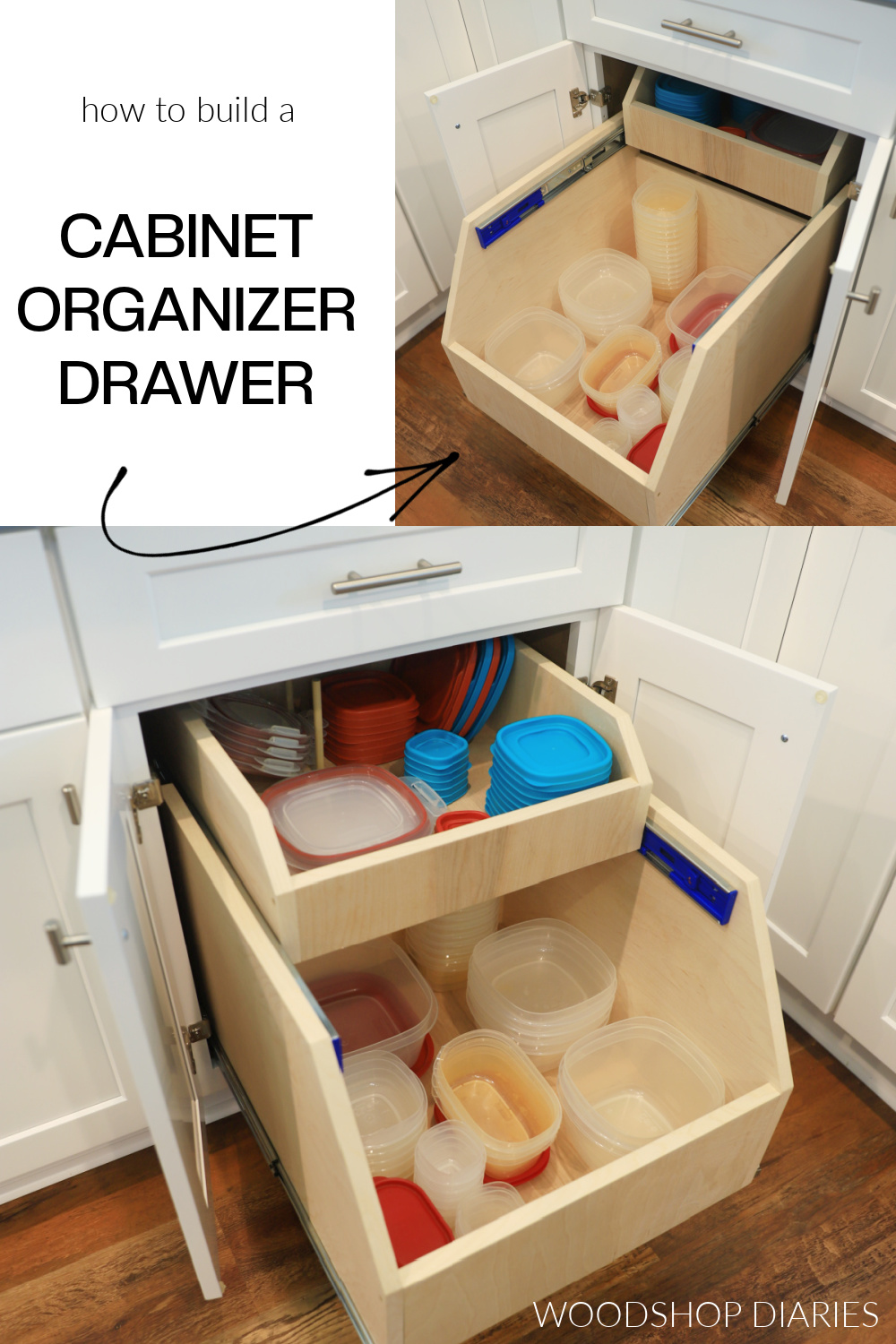
Credit: www.woodshopdiaries.com
Maximize Vertical Space
Maximizing vertical space in your kitchen cupboards can transform a cluttered mess into a neat and accessible storage area. Often, the space above or below items goes unused, but with a few smart adjustments, you can make every inch work harder for you. This not only frees up room but also keeps your kitchen organized and efficient.
Stackable Containers
Stackable containers are perfect for using the height inside your cupboards. They let you store dry goods, snacks, or baking supplies in neat, uniform piles. Clear containers help you see what’s inside without pulling everything out, saving time and keeping your cupboards tidy.
Try grouping similar items together in these containers. You might find you can fit twice as much by stacking rather than lining things up side by side. Have you noticed how much wasted space there is above cereal boxes or bags of flour? Stackable containers fill that gap easily.
Hooks And Hangers
Hooks and hangers are not just for walls or doors—they work wonders inside cupboards too. Attach small hooks under shelves to hang measuring spoons, mugs, or even lightweight pots. This frees up shelf space and keeps everyday items within easy reach.
Magnetic strips or adhesive hooks can be installed on cupboard sides or doors to hold metal utensils or small kitchen tools. Have you ever lost track of your favorite ladle buried in a drawer? Hooks keep things visible and accessible, cutting down on kitchen frustration.
Shelf Risers
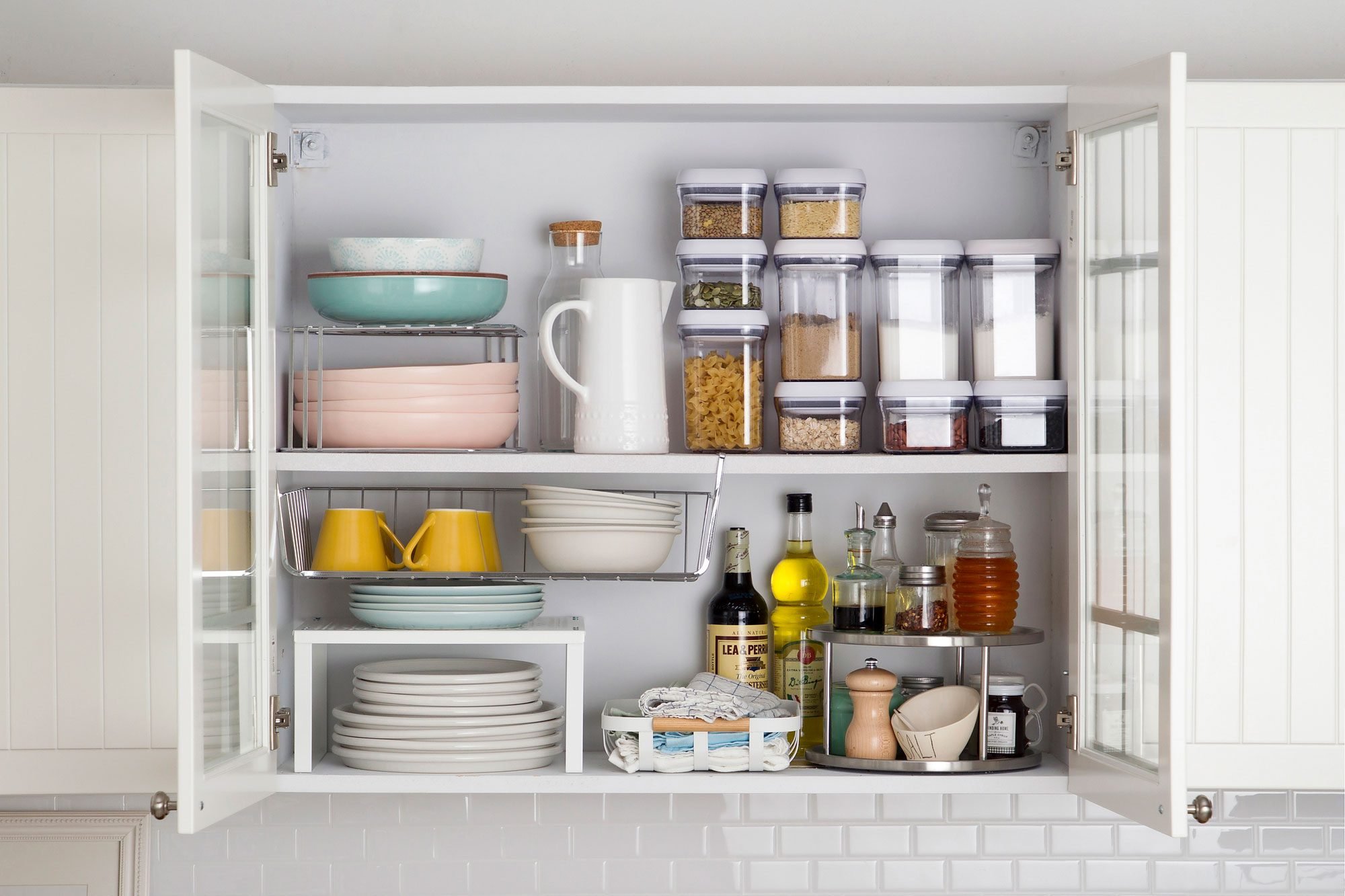
Shelf risers create an extra level inside your cupboards, doubling your storage capacity vertically. They’re especially helpful for stacking plates, bowls, or canned goods without needing to stack items directly on top of each other. This prevents toppled piles and makes it easier to grab what you need.
Look for adjustable risers to fit various cupboard heights and customize your space. Using risers can also help separate categories—like snacks on top and cooking supplies below—making your kitchen more organized and efficient. What items in your cupboard could benefit from an extra shelf level?
Organize By Frequency Of Use
Organizing your kitchen cupboards by how often you use items helps keep your daily routine smooth and stress-free. When you place things based on frequency, you save time and avoid unnecessary bending or stretching. This simple adjustment can transform how you interact with your kitchen every day.
Everyday Items At Eye Level
Keep the items you use daily right at eye level. This includes coffee mugs, plates, and cooking oils. When I moved my most-used spices and utensils to this spot, I noticed how much quicker meal prep became.
Think about what you grab most often. Is it your favorite cereal bowl or the blender? Arrange these essentials so you can access them without opening multiple cupboards.
Seasonal Items On Top Shelves
Store holiday dishes, special baking pans, or seasonal gadgets on the top shelves. These items don’t need to be within easy reach since you only use them occasionally. I used to keep my holiday cookie cutters mixed with everyday tools—moving them up freed a lot of space and reduced clutter.
Are there items you only pull out once or twice a year? Tuck them away where they won’t crowd your daily essentials but remain easy to find when needed.
Rarely Used Items In Lower Cabinets
Place bulky or rarely used kitchen tools like large pots, extra mixing bowls, or seldom-used appliances in the lower cabinets. This keeps them out of the way yet accessible when you need them. I found that storing my big stock pot in a low cabinet made the kitchen feel more open and usable.
Have you noticed how often you struggle to reach behind a stack of items? Moving these rarely used pieces down helps keep your cupboards organized and your kitchen safer.

Credit: www.tiktok.com
Label Containers And Shelves
Labeling containers and shelves in your kitchen cupboards can transform a chaotic space into an efficient and stress-free area. Clear labels help you find what you need quickly and keep everything in its place. This simple habit reduces the frustration of rummaging through cluttered cupboards and makes cooking more enjoyable.
Use Clear Labels
Choose labels with easy-to-read fonts and sizes. Avoid fancy scripts or overly decorative styles that slow you down. A bold, simple font on a white or light background works best for quick recognition.
Think about the materials you use for labels. Waterproof and smudge-proof labels last longer, especially in a kitchen environment where spills happen. If you prefer, you can also write on chalkboard labels for easy updates.
Color-coding Systems
Color-coding adds another layer of organization by grouping items visually. Assign colors to categories like spices, baking supplies, or snacks. This way, your eyes can quickly spot the section you need without reading every label.
Use colored stickers, tape, or label backgrounds to create your system. If you have kids helping in the kitchen, color-coding can simplify their task of putting things back.
Label Maintenance Tips
Labels can get dirty or peel off over time, so check them regularly. Keep a small kit with extra labels and a pen nearby to replace worn-out ones immediately.
Wiping shelves and containers gently during cleaning helps preserve labels. What small routines can you add to keep your labels looking fresh and useful every day?
Maintain An Organized Cupboard
Maintaining an organized kitchen cupboard keeps your space neat and efficient. It saves time and reduces stress during meal preparation. Regular upkeep prevents clutter and helps you find items quickly. Simple habits can keep your cupboard tidy for months.
Regular Cleaning Schedule
Set a regular cleaning routine for your cupboard. Wipe shelves and doors to remove dust and spills. Take out all items to check for expired food or broken containers. Clean every few weeks to avoid dirt build-up. A clean cupboard looks fresh and inviting.
Weekly Inventory Check
Check your cupboard stock once a week. Note what items are running low or expired. Remove anything you no longer use or need. This helps avoid buying duplicates and saves money. A weekly check keeps your supplies organized and fresh.
Adjust Organization As Needed
Change your cupboard setup based on your habits and needs. Move frequently used items to easy-to-reach spots. Store seasonal items separately to save space. Rearrange shelves if new containers or tools arrive. Flexibility keeps your kitchen practical and clutter-free.
Credit: www.rd.com
Frequently Asked Questions
How Can I Maximize Space In Kitchen Cupboards?
Use adjustable shelves and stackable containers to save space. Group similar items together for easy access. Utilize door racks for spices and small items. Clear containers help identify contents quickly, reducing clutter and improving organization.
What Is The Best Way To Organize Kitchen Cupboards?
Organize by category and frequency of use. Store daily items at eye level and less-used items higher up. Use drawer dividers and clear bins. Label shelves to maintain order. Keep heavy items on lower shelves for safety and convenience.
How Often Should I Clean And Reorganize Kitchen Cupboards?
Clean and reorganize cupboards every 3 to 6 months. This prevents clutter buildup and keeps items fresh. Regular checks help discard expired products. It also allows you to reassess storage needs and improve cupboard efficiency.
What Are Ideal Containers For Kitchen Cupboard Storage?
Use clear, airtight containers for dry goods like flour and rice. Glass or BPA-free plastic containers preserve freshness and visibility. Choose stackable shapes to save space. Label containers for quick identification and a neat appearance.
Conclusion
Organizing kitchen cupboards makes cooking easier and saves time. Clear spaces help you find items quickly and keep things neat. Use containers, labels, and shelves to make the best use of space. Regularly check and remove unused items to stay clutter-free.
Small changes create a big difference in your kitchen’s look and feel. Start organizing today and enjoy a tidy, stress-free kitchen every day.

Hi, I’m Daniel Harper, a senior editor here at KitchenBucks.com. For over 10 years, I’ve been exploring kitchen gadgets and appliances to help people find tools that truly add value without breaking the bank. I love simplifying product choices so you can focus more on cooking and less on worrying about what to buy. When I’m not reviewing the latest gadgets, you’ll usually find me experimenting with coffee brewing or firing up the grill for a weekend barbecue.