
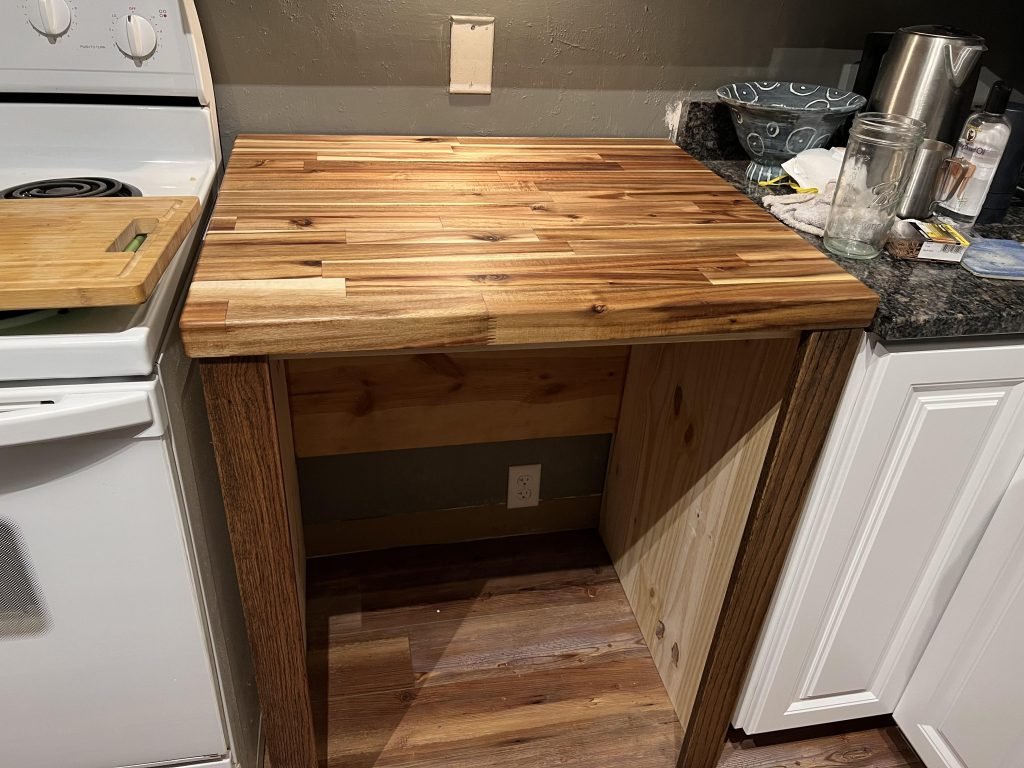
Are you tired of seeing your dishwasher awkwardly sticking out in your kitchen? Do you dream of a sleek, custom look but worry about the cost?
What if you could transform your kitchen space with a DIY project that won’t break the bank? Building a dishwasher cabinet might just be the perfect solution for you. Imagine the satisfaction of crafting something with your own hands, tailored precisely to your kitchen’s style.
In this guide, you’ll discover simple, step by step instructions that make this project approachable, even if you’re not a seasoned DIY enthusiast. Stay with us, and soon you’ll have a beautiful, functional dishwasher cabinet that seamlessly blends into your kitchen. Your space is about to get a stunning upgrade, and you’re just a few steps away from making it happen.
Materials And Tools
Building a dishwasher cabinet requires the right materials and tools. These components ensure a sturdy and functional cabinet. Selecting quality materials enhances durability. The right tools make the process smoother and more efficient. Let’s explore the essentials needed for this project.
Materials Needed
Choosing the right materials is crucial. You’ll need plywood for the main structure. Plywood provides strength and stability. Also, get wood glue for strong joints. Consider screws and nails for added support. Don’t forget hinges and drawer slides for any moving parts. Paint or varnish adds a finishing touch. It protects the wood and enhances appearance.
Essential Tools
Having the right tools is vital for success. You’ll need a saw for cutting plywood. A drill is essential for making holes and driving screws. Sandpaper smooths rough edges. A tape measure ensures accurate dimensions. Clamps hold pieces together while gluing. A screwdriver helps with assembling hinges and other hardware.
Safety Gear
Safety should never be overlooked. Wear safety goggles to protect your eyes. Use gloves to shield your hands. A dust mask prevents inhaling sawdust. Ear protection guards against loud noise from power tools. Ensure a safe working environment for a successful project.
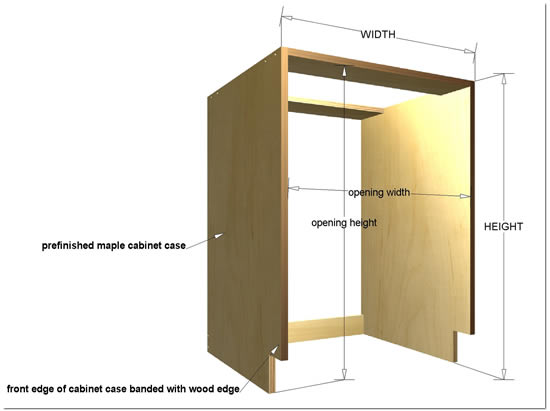
Credit: www.barkercabinets.com
Planning And Design
Building a dishwasher cabinet requires careful planning and thoughtful design. A well-planned project saves time and avoids costly mistakes. Start by understanding the space and style you want.
Consider how the cabinet fits into your kitchen layout. Think about materials, dimensions, and aesthetics. With a clear plan, the design process becomes smoother.
Understanding Your Space
Measure the available space for the dishwasher cabinet. Ensure accurate dimensions for a perfect fit. Consider nearby appliances and cabinetry. This helps avoid spatial conflicts.
Choosing Materials
Select materials that match your kitchen’s style and durability needs. Wood is a popular choice, offering a warm look. Plywood or MDF are cost-effective and versatile. Ensure materials withstand moisture and wear.
Designing For Functionality
Focus on the cabinet’s usability. Include easy access for maintenance and repairs. Plan for electrical and plumbing connections. Ensure these are accessible without removing the cabinet.
Visualizing Aesthetics
Consider how the cabinet complements your kitchen’s design. Choose finishes that match existing cabinetry. Think about color, texture, and hardware. A cohesive look enhances kitchen appeal.
Creating A Sketch
Draw a simple sketch of your design. Include measurements and key features. A visual guide helps during construction. It ensures accuracy and adherence to your plan.
Measuring The Space
Measuring the space for a dishwasher cabinet is crucial. It ensures the appliance fits perfectly. Accurate measurements prevent installation issues. They also help in maintaining kitchen aesthetics. Follow these steps for precise measurements. Each step is important for a seamless fit.
Measure The Width
Use a measuring tape to check the width. Measure from cabinet edge to edge. Record the measurement in inches. Ensure there’s space for the dishwasher door. Add extra space for ventilation.
Measure The Height
Measure the height from the floor to the countertop. Check for any uneven flooring. Record the highest point for accuracy. Ensure the dishwasher fits under the countertop. Allow room for leveling adjustments.
Measure The Depth
Measure from the wall to the cabinet front. Ensure the measurement includes any countertop overhang. Allow extra space for door clearance. Double-check this measurement for accuracy. It ensures the dishwasher doesn’t protrude.
Check For Obstructions
Look for pipes or electrical outlets. Ensure they won’t interfere with installation. Note any nearby cabinetry. Make sure they won’t block the dishwasher door. Clear any potential obstructions before proceeding.
Consider Future Maintenance
Ensure there’s easy access for repairs. Check that the dishwasher can be removed easily. This makes future maintenance simpler. Plan for water and electrical connections. This ensures a smooth installation process.
Cutting The Wood
Building a dishwasher cabinet begins with cutting the wood. This step requires precision and care. Proper cutting ensures the cabinet fits perfectly. It also affects the cabinet’s durability and aesthetics.
Selecting The Right Wood
Choosing the right wood is crucial. Pine is affordable and easy to cut. Oak offers durability and a classy look. Consider the wood’s weight and finish. These factors impact the final product.
Using The Right Tools
Using the right tools makes cutting easier. A circular saw is great for straight cuts. A jigsaw works well for curved edges. Ensure blades are sharp for clean cuts. Safety goggles protect your eyes from wood chips.
Assembling The Frame
Building the frame involves joining sturdy wood pieces to create a stable structure. Ensure all corners are square and secure. This provides a solid base for your dishwasher cabinet.
Assembling the frame for a dishwasher cabinet is a pivotal step that requires precision and planning. This is where the structure begins to take shape, forming the foundation that supports the appliance. You’ll want to ensure every piece fits perfectly, so it’s crucial to pay attention to the details. With the right approach, you can build a sturdy and reliable frame that will stand the test of time.
Joining Techniques
Effective joining techniques are essential for a strong frame. Consider using dowel joints for a seamless and sturdy connection. These cylindrical wooden pegs fit into drilled holes in the pieces you are joining, offering excellent support. Alternatively, pocket screws are a popular choice, especially if you’re looking for hidden fasteners.
They create an angled hole in one piece where the screw is inserted, pulling the two pieces tightly together. Remember, the right technique depends on the materials you’re using and your skill level. What joining technique resonates most with your style?
Securing The Frame
Once your joints are in place, it’s time to secure the frame. You can use wood glue to reinforce the joints. Apply it sparingly to avoid excess squeeze-out, which can be messy and weaken the bond. Using corner braces is a practical way to add extra stability. These metal brackets are attached at the corners, providing additional support and preventing movement. Check the alignment frequently with a spirit level.
This ensures the frame remains even and balanced. You wouldn’t want a crooked frame compromising your cabinet’s integrity, right? Building your dishwasher cabinet frame is a task that requires attention to detail and some basic woodworking skills. But once you see the frame coming together, the satisfaction of a job well done is unmatched. Let me know your thoughts, or any tips you’ve found helpful in your projects!
Installing The Panels
Installing the panels on your dishwasher cabinet is crucial. It gives the cabinet a polished look. This step also ensures the dishwasher fits snugly. Let’s focus on the two main parts: front and side panels.
Front Panel Installation
Start with the front panel. Measure the front of your cabinet. Cut the panel to match these dimensions. Use a level to ensure it’s straight. Attach the panel using screws. Make sure each screw is tight. This prevents wobbling. Once done, check for any gaps or misalignments. Adjust if needed.
Side Panel Attachment
Next, move to the side panels. These provide extra support. Measure the sides of the cabinet. Cut panels to fit these measurements. Use a drill to attach them securely. Ensure each side is even. This keeps the dishwasher stable. Check for any loose areas. Tighten screws if necessary. A well-fitted side panel improves the cabinet’s appearance. It also enhances stability.
Creating Openings
Creating openings in a dishwasher cabinet is crucial. These openings ensure proper plumbing and ventilation. Without them, the dishwasher won’t function efficiently. A well-constructed cabinet needs precise cuts. This step is vital for a seamless installation. Let’s dive into the details.
Cutting For Plumbing
The first opening you need is for plumbing. Measure the diameter of your plumbing pipes. Use these measurements to mark the cabinet. Ensure the marks are accurate. A wrong cut can lead to leaks. Use a jigsaw to make the cuts. Jigsaws offer precision and control. After cutting, smooth the edges. This prevents damage to plumbing lines.
Ventilation Openings
Ventilation is essential for a dishwasher. It prevents overheating and moisture buildup. Mark where the ventilation openings should be. Consider the size and position of your dishwasher. Most dishwashers vent from the back or sides. Use a drill to start the hole. Then, finish with a jigsaw for clean edges. Ensure the opening is unobstructed. This helps in maintaining efficient airflow.

Credit: www.pinterest.com
Finishing Touches
The finishing touches are crucial in building a dishwasher cabinet. They make the cabinet look polished and professional. This stage involves sanding, smoothing, and applying paint or finish. Each step ensures the cabinet’s durability and aesthetic appeal.
Sanding And Smoothing
Sanding prepares the surface for painting or finishing. Use fine-grit sandpaper for a smooth finish. Sand the edges and corners carefully. Avoid rough patches and splinters. The goal is a clean, even surface. After sanding, wipe the surface with a damp cloth. This removes dust and debris.
Applying Finish Or Paint
Choose a finish or paint that suits your kitchen decor. Apply primer first for better adhesion. Use a brush or roller for even coverage. Let it dry completely. Apply the paint or finish in thin layers. This prevents drips and streaks. Allow each layer to dry before adding another. A clear sealant protects the surface from moisture. This is especially important for a dishwasher cabinet.
Installation And Testing
Building a dishwasher cabinet involves careful installation and testing. This ensures the appliance functions efficiently and fits seamlessly into your kitchen space. Proper installation prevents leaks and ensures easy access for maintenance. Testing confirms everything works correctly, avoiding future issues.
Positioning The Cabinet
Start by positioning the cabinet in its designated spot. Ensure it aligns with the surrounding cabinets. This keeps your kitchen looking neat and organized. Check the level using a spirit level. Adjust the cabinet feet if needed. This prevents water from pooling inside the dishwasher.
Consider the proximity to water and power sources. The dishwasher needs easy access to both. Make sure the cabinet provides enough clearance for opening the dishwasher door fully. This avoids damage to nearby cabinets and appliances.
Securing The Dishwasher
Once positioned, secure the dishwasher to the cabinet. Use brackets or screws for a stable fit. This keeps the appliance from shifting during operation. Connect the water supply to the dishwasher. Ensure the hose is tightly fitted to prevent leaks.
Attach the drainage hose to the sink or disposal unit. Ensure the connection is secure to avoid water overflow. Connect the power supply, checking for any exposed wires. This ensures safety and prevents electrical hazards.
Test the dishwasher by running a short cycle. Listen for any unusual noises. Check for leaks around the cabinet and hoses. Ensure the dishwasher door opens and closes smoothly. Confirm that dishes are cleaned effectively.
These steps ensure your dishwasher cabinet is ready for use. Proper installation and testing guarantee long-lasting performance and convenience.
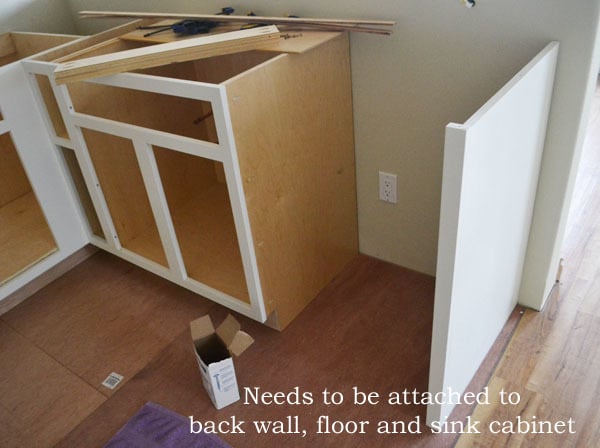
Credit: www.ana-white.com
Maintenance Tips
Building a dishwasher cabinet requires planning and some basic tools. Measure your space carefully to ensure a perfect fit. Use quality materials to extend the life of your cabinet. Regularly check and tighten screws to maintain stability and functionality.
Maintaining your dishwasher cabinet is crucial for ensuring its longevity and efficiency. You might wonder, is it really necessary to focus on maintenance? Absolutely! A well-maintained dishwasher cabinet not only saves you money but also prevents unexpected breakdowns. Whether you’re a seasoned DIY enthusiast or a newbie, these maintenance tips will help keep your dishwasher cabinet in top shape.
Regular Cleaning
Dust and grime can accumulate over time. Wipe down the exterior of the cabinet with a damp cloth regularly. Use a mild cleaner to keep it shiny and clean. Don’t forget the corners—they can harbor dirt you might not notice at first glance.
Inspect Seals And Hinges
Check the seals around the cabinet door. They should be intact and free from cracks. Ensure that hinges are well-oiled. A squeaky hinge can be a sign of wear and tear. Regular inspections can help you spot issues before they become major problems.
Address Water Leaks
Water leaks can damage your cabinet’s structure. Look for signs of moisture or mold around the dishwasher area. If you find any, address them immediately—don’t wait until it’s too late.
Check For Loose Screws
Loose screws can make your cabinet unstable. Periodically tighten them to keep everything secure. This simple act can prevent a lot of future headaches.
Maintain Ventilation
Proper ventilation is key to preventing moisture build-up. Ensure that vents are not blocked and air can flow freely. Consider adding a small fan if your cabinet tends to get stuffy.
Organize Cleaning Supplies
Store cleaning supplies efficiently within the cabinet. Use baskets or dividers to separate items. This not only makes cleaning easier but also keeps your cabinet organized.
Evaluate Your Diy Skills
Are you confident in your DIY abilities? Knowing your limits can prevent accidents. Don’t hesitate to call a professional if you encounter a task that seems challenging. Sometimes, an expert touch is worth the investment. Maintaining a dishwasher cabinet might seem like a trivial task, but it can make all the difference. Have you ever faced a maintenance challenge that caught you off guard? Share your experiences and help others learn from them!
Frequently Asked Questions
Does A Dishwasher Need A Special Cabinet?
A dishwasher usually fits in standard cabinets without needing special ones. Ensure proper sizing and ventilation for efficiency. Check manufacturer guidelines for specific installation requirements to avoid issues. Proper placement in a regular kitchen cabinet is typically sufficient for most dishwasher models.
What Are The Measurements For A Dishwasher Cabinet?
Standard dishwasher cabinets typically measure 24 inches wide, 24 inches deep, and 34 inches tall. Ensure precise dimensions for seamless installation. Always check your dishwasher model’s specifications for any variations in size. Proper fitting is crucial for optimal performance and aesthetic integration within your kitchen space.
How To Build In A Dishwasher Step By Step?
To install a dishwasher, measure space, ensure plumbing and electrical connections, remove cabinet panel, position dishwasher, and secure it. Connect water supply and drain hose. Ensure power is off before connecting wires. Level the unit, test for leaks, and run a cycle.
Always follow the manufacturer’s instructions.
Can You Use A Built-in Dishwasher Without A Cabinet?
A built-in dishwasher requires a cabinet for installation. It needs support and proper connection to plumbing and electrical systems. Without a cabinet, it may not function safely or efficiently. Consider portable or countertop models if a cabinet is unavailable. These options offer flexibility and don’t require permanent installation.
Conclusion
Building a dishwasher cabinet can be simple. Follow the steps carefully. Ensure all materials are ready before starting. Measure accurately for a perfect fit. Safety should be your priority. Use the right tools for the job. Double-check your work as you go.
This project can enhance your kitchen space. Enjoy the satisfaction of a job well done. A new cabinet can add style and function. Share your success with friends and family. They’ll admire your handiwork. Keep learning and improving your skills.
Happy building!

Hi, I’m Daniel Harper, a senior editor here at KitchenBucks.com. For over 10 years, I’ve been exploring kitchen gadgets and appliances to help people find tools that truly add value without breaking the bank. I love simplifying product choices so you can focus more on cooking and less on worrying about what to buy. When I’m not reviewing the latest gadgets, you’ll usually find me experimenting with coffee brewing or firing up the grill for a weekend barbecue.