
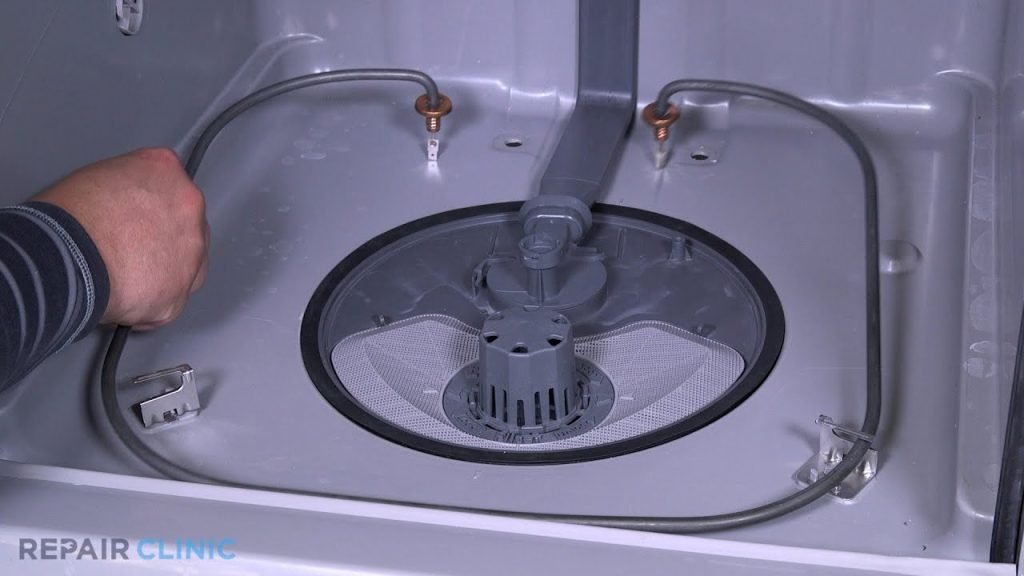
Is your dishwasher not heating up properly? You might be dealing with a faulty heating element.
A malfunctioning element can disrupt your dishwasher’s performance, leaving your dishes less than sparkling clean. But don’t worry, you can fix this issue yourself without calling in a professional. By understanding how to change a heating element in your dishwasher, you can save time and money.
Imagine the satisfaction of knowing you’ve solved the problem on your own, and the confidence that comes with gaining a new skill. Plus, you’ll have the peace of mind knowing your dishwasher is back to optimal working condition. In this guide, you’ll learn step-by-step how to identify the problem, gather the necessary tools, and replace the heating element efficiently. Ready to transform your dishwasher into a reliable cleaning machine once again? Let’s dive in and get started!
Tools And Materials Needed
Gather a screwdriver, replacement heating element, and a multimeter. A pair of gloves and safety goggles are essential. Ensure the dishwasher is unplugged before starting.
Changing the heating element in a dishwasher can seem daunting. But with the right tools and materials, the task becomes manageable. Preparation is key. Before starting, gather everything you need. This ensures a smooth process and avoids unnecessary delays.Tools You’ll Need
A few basic tools are essential for this task. First, grab a screwdriver. It helps remove the dishwasher’s access panel. A multimeter is also crucial. It checks if the heating element is faulty. Pliers come in handy too. Use them to detach wires safely. Lastly, keep a towel nearby. It helps catch any water spills.Materials Required
Aside from tools, specific materials are necessary. A new heating element is the most important. Ensure it matches your dishwasher model. Check your manual for compatibility. Additionally, have some electrical tape ready. It’s useful for securing wires after installation. Finally, a bucket might be needed. It collects any excess water during the process.Safety Gear
Safety should never be overlooked. Wear rubber gloves to protect your hands. They offer a good grip and prevent electrical shocks. Safety goggles are also advisable. They shield your eyes from potential debris. Always prioritize safety during such repairs.Safety Precautions
Ensure safety by unplugging the dishwasher and wearing gloves to protect against electric shock. Use caution with tools. Make sure the area is dry to avoid slipping or accidents.
Changing a heating element in a dishwasher might seem daunting at first, but it’s a manageable task if approached with the right mindset and precautions. Safety should always be your top priority when dealing with electrical appliances. Before diving into the actual replacement, let’s focus on some essential safety precautions you need to take.Turn Off The Power
Ensure the dishwasher is disconnected from the power source. Unplugging the appliance from the wall socket is the most straightforward method. If the plug is hard to reach, switch off the circuit breaker that supplies power to the dishwasher.Shut Off The Water Supply
Locate the water supply valve, typically found under the sink or near the dishwasher. Turn it off completely to prevent any water leakage during the repair process. This step will save you from dealing with a flooded kitchen.Wear Protective Gear
Use rubber gloves to protect your hands from sharp edges and electrical components. Safety goggles are a good idea to shield your eyes from any dust or debris. These simple precautions can prevent unnecessary injuries.Keep Your Workspace Organized
A cluttered workspace can lead to accidents. Arrange your tools neatly and ensure the floor around the dishwasher is dry and free from obstacles. This will help you move safely and efficiently during the repair.Double-check Before Starting
Take a moment to review all the steps and precautions before you begin. Are you sure the power is off? Is the water supply securely shut? Double-checking can prevent costly mistakes and ensure a smooth repair process. Considering the time and effort needed, ask yourself if you’re comfortable with this repair. If you feel unsure at any point, it might be wise to consult a professional. Your safety is worth more than the cost of a repair service.Accessing The Heating Element
Accessing the heating element involves removing the dishwasher’s bottom panel. Disconnect power to ensure safety. Locate and unscrew the old element.
Accessing the heating element in your dishwasher might sound daunting, but it’s simpler than you think. Whether you’re a novice or a seasoned DIY enthusiast, understanding the steps can make the process smooth. It might surprise you how straightforward it is once you know where to look and what to do. Imagine saving on repair costs with a bit of elbow grease and the satisfaction of fixing it yourself.Locating The Element
First things first, you need to find where the heating element resides. It’s usually located at the bottom of your dishwasher, resembling a long, thin metal bar. If you’ve ever peered into your dishwasher, you might have noticed it and wondered about its purpose. That’s your heating element, responsible for drying your dishes and ensuring they’re sanitized. But why is it critical to locate it accurately? Because knowing its exact position helps you handle it correctly without causing any damage.Removing The Dishwasher Base
Once you’ve located the heating element, it’s time to remove the dishwasher base. This step is crucial for easy access. Unplug your dishwasher and ensure it’s empty to avoid any mishaps. Use a screwdriver to carefully detach the screws at the base. Lift the base gently – it should come off easily. If it feels stuck, double-check to ensure all screws are out. Have you ever struggled with a stubborn screw? Patience is key here. Sometimes a little wiggle can help release it. Now, with the base removed, you have a clear path to the heating element. Feeling empowered yet? You’re halfway there, and just a few steps away from making your dishwasher work like new again. Why not share this newfound skill with a friend who’s facing the same issue? Or perhaps teach your kids the value of handy skills?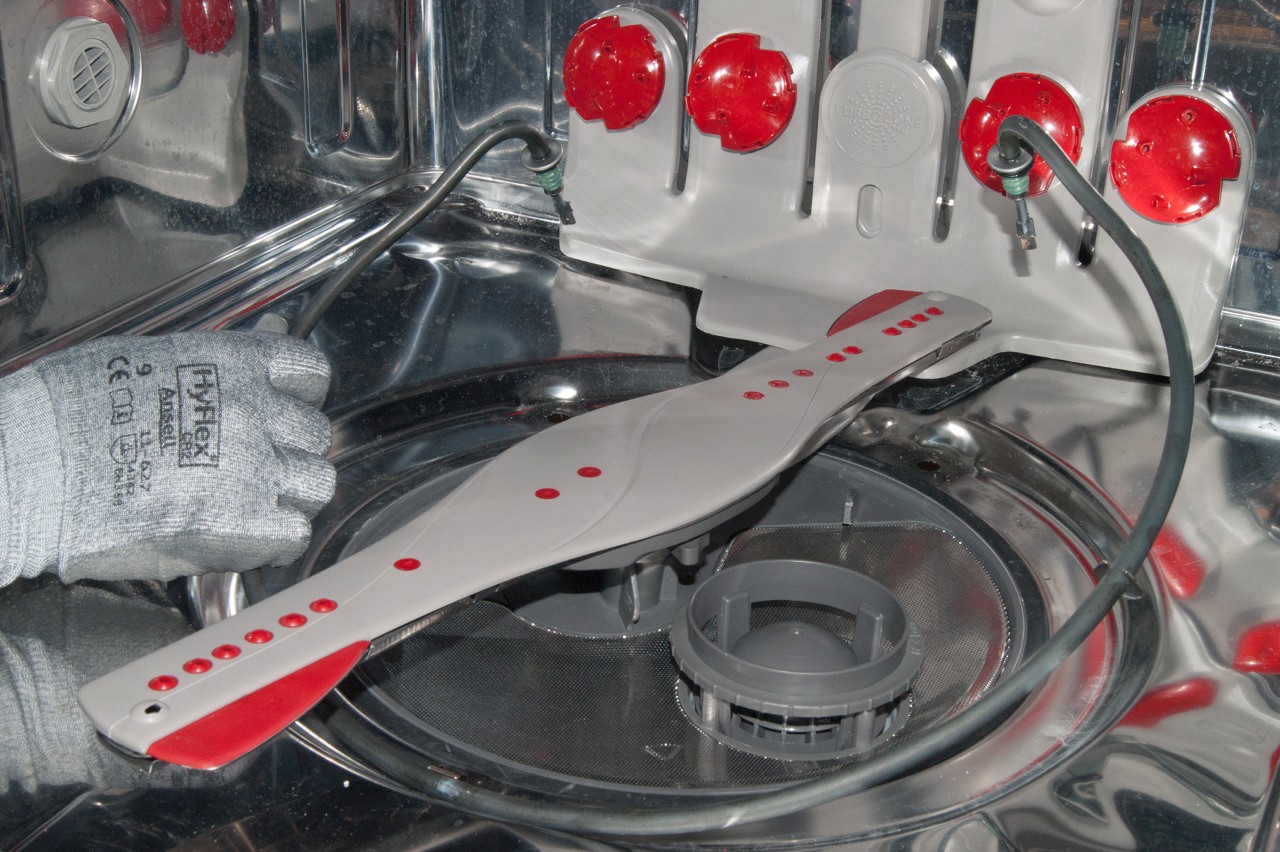
Credit: www.searspartsdirect.com
Removing The Old Heating Element
Replacing a dishwasher’s heating element can extend its life. The heating element helps dry dishes and ensure cleanliness. Removing the old one is an important step. It requires careful handling and patience.
Disconnecting Electrical Connections
First, ensure the dishwasher is unplugged. Safety is a priority. Locate the electrical connections under the dishwasher. Use a screwdriver to remove the access panel. This exposes the wires connected to the heating element. Identify the wires leading to the element. Gently disconnect them using pliers. Note their positions for reinstallation.
Detaching The Element
Next, locate the nuts securing the heating element. These are usually found inside the dishwasher tub. Use a wrench to loosen and remove these nuts. Carefully lift the element out of its position. Handle it gently to avoid damaging surrounding components. Check for any signs of wear or corrosion. These may indicate future issues. Removing the old element is now complete.
Installing The New Heating Element
Replacing the heating element in a dishwasher involves removing the old element and securely installing the new one. Ensure all connections are tight and check for leaks before running the dishwasher. Proper installation guarantees efficient performance and extends appliance lifespan.
Installing a new heating element in your dishwasher might sound daunting, but with the right guidance, you can accomplish it with ease. Once you’ve removed the old element, it’s time to bring in the new one. This step is crucial because a properly installed heating element ensures your dishes are thoroughly cleaned and dried. As you embark on this task, remember, attention to detail makes all the difference.Securing The New Element
Begin by aligning the new heating element with the designated slots at the base of your dishwasher. Make sure it’s seated snugly, as a loose fitting can lead to inefficient heating or even damage. Use the provided clips or screws to firmly secure the element in place. This step is vital for stability during operation. Don’t rush this part—take your time to ensure it’s fastened correctly. If you’re unsure about the fit, gently wiggle the element to test its stability. It should remain fixed without excessive movement.Reconnecting Electrical Connections
Carefully reconnect the wires to the new heating element. Pay attention to matching the correct wires to their respective terminals. A wrong connection can result in malfunction or safety hazards. Once connected, double-check the tightness of the connections. Loose wires can cause your dishwasher to underperform or not work at all. It’s a small detail that can save you from future headaches. Ask yourself, have you ensured every wire is in its proper place? A quick glance can prevent potential issues. Remember, a seamless connection paves the way for a fully functional dishwasher. By following these steps, you’re not only enhancing your appliance’s performance but also developing a handy skill set. Ready to test your new installation? Run a cycle and enjoy the satisfaction of a job well done.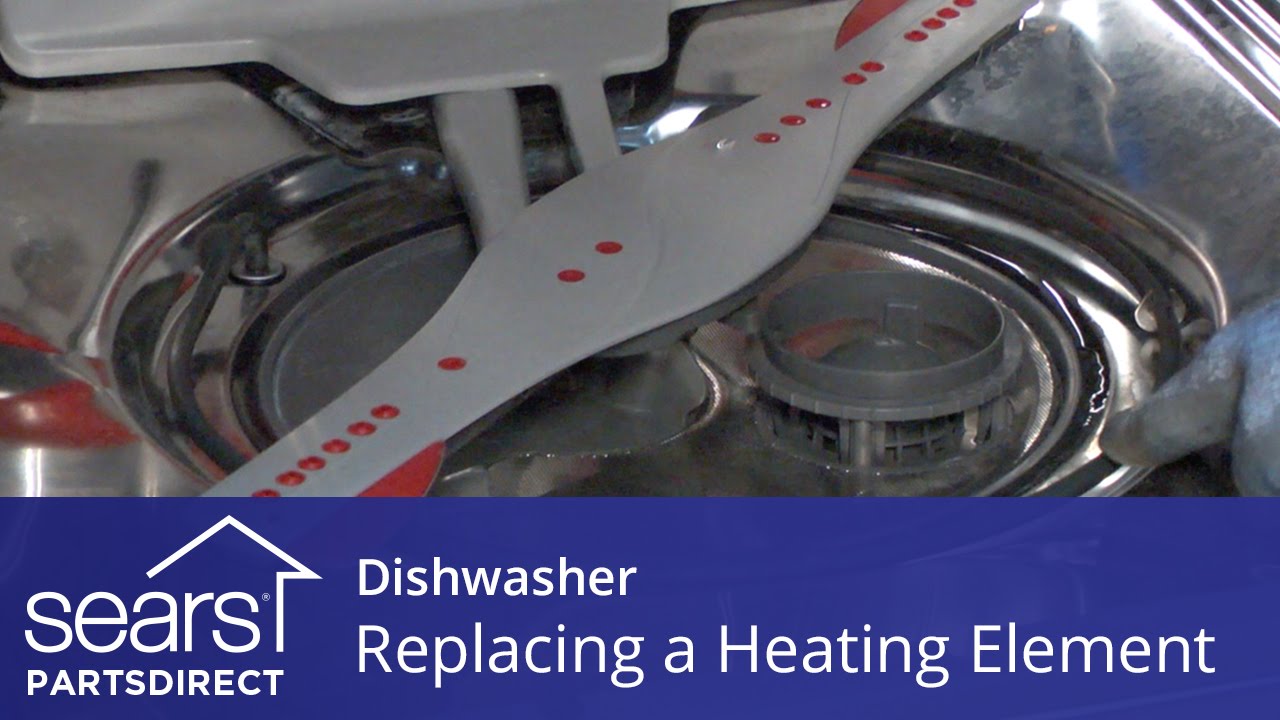
Credit: www.youtube.com
Testing The Installation
Testing the installation of a new heating element is crucial. It ensures your dishwasher functions correctly. This step confirms that the replacement was successful. You’ll need to perform a few checks before celebrating a job well done. Below, we guide you through essential steps. Let’s ensure everything is in perfect working order.
Checking For Leaks
Start by examining the connections. Look at the area around the heating element. Ensure all parts are tightly secured. Turn on the dishwasher briefly. Watch closely for any signs of water leakage. A small drip can become a bigger issue. If you spot any leaks, tighten the connections. This may solve the problem. Double-checking ensures a watertight seal.
Running A Test Cycle
After checking for leaks, run a test cycle. Choose a short, low-temperature cycle. This helps you observe the heating element’s performance. Listen for unusual sounds. Watch the cycle closely. Ensure water heats up as expected. The dishes should come out warm and clean. If everything seems right, your installation is successful. If not, revisit the installation steps. Ensure every connection is secure and properly aligned.
Maintenance Tips
Changing a dishwasher’s heating element is a straightforward task. First, unplug the dishwasher for safety. Next, locate and remove the old element using a wrench. Finally, install the new element securely, ensuring all connections are tight.
Maintaining your dishwasher is crucial for its longevity and efficiency, especially when it comes to components like the heating element. Regular maintenance not only ensures that your dishwasher performs at its best but also prevents costly repairs. Let’s dive into some practical maintenance tips to keep your dishwasher running smoothly.Regular Cleaning
Keeping your dishwasher clean is more than just running a cleaning cycle. It’s about maintaining the components that ensure it works efficiently. For instance, regularly remove and clean the filter to prevent clogs. A clean filter reduces the strain on the heating element, allowing it to work optimally. Take a moment to wipe down the seals and the door. Residue buildup can compromise the dishwasher’s efficiency. You might be surprised how much better it performs with this simple step.Monitoring Performance
Pay attention to how well your dishwasher dries your dishes. If you notice dishes are coming out wet, it might be a sign the heating element is not functioning correctly. Regular checks can help you catch issues early before they become significant problems. Listen for unusual noises during the wash cycle. These could indicate a malfunction in the heating element or other components. Addressing these sounds promptly can save you from more extensive repairs later. Ask yourself, are my energy bills higher than usual? A faulty heating element can cause your dishwasher to use more energy. Keeping an eye on your bills can be an unexpected way to monitor your appliance’s health. By following these maintenance tips, you can ensure your dishwasher continues to operate efficiently, saving you time and money in the long run. What other maintenance tips have you found helpful in keeping your appliances running smoothly?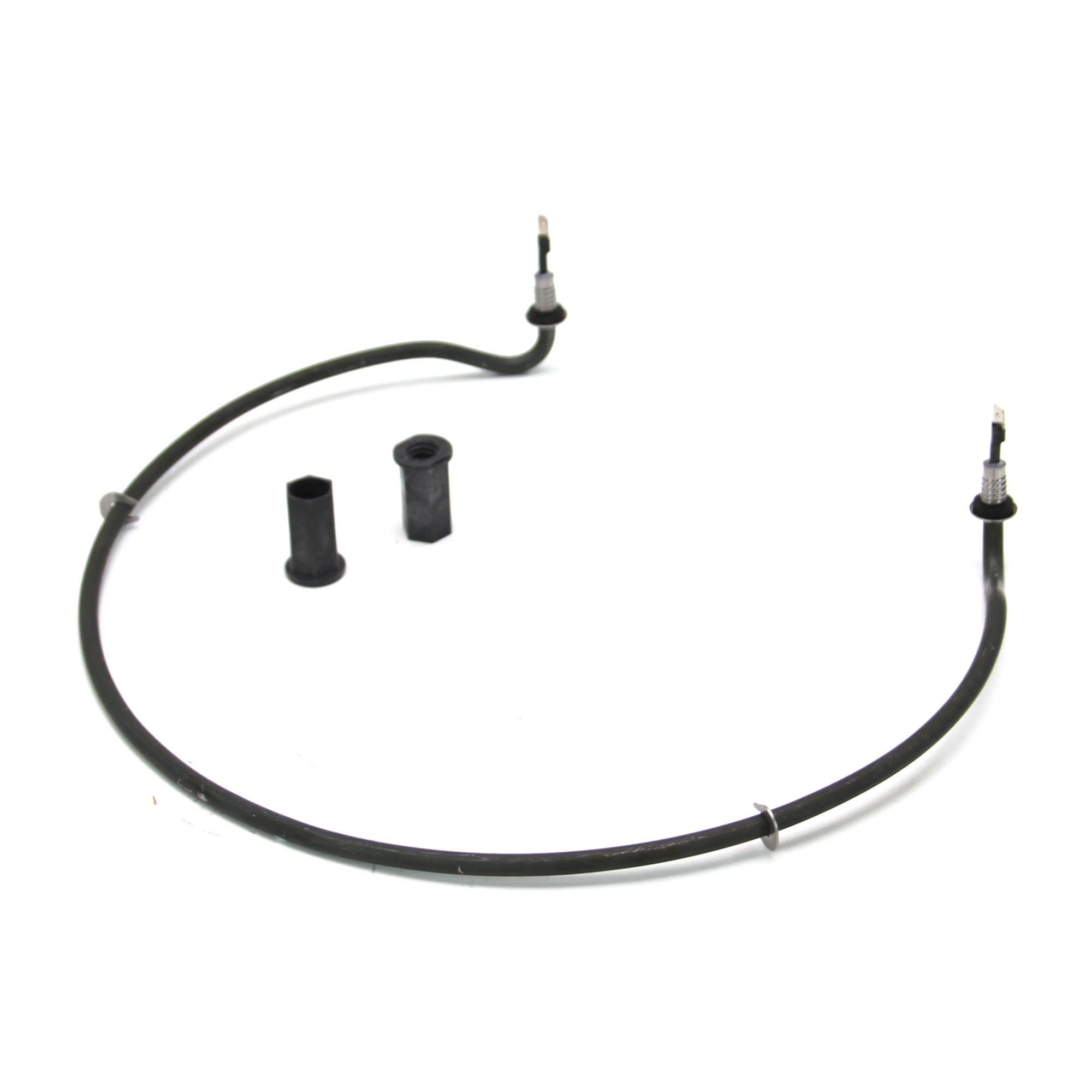
Credit: www.searspartsdirect.com
Frequently Asked Questions
Can I Replace The Heating Element In My Dishwasher Myself?
Yes, you can replace the heating element in your dishwasher yourself. Ensure to disconnect power first. Follow the manufacturer’s instructions carefully. Use proper tools and safety gear during the replacement process. If unsure, consult a professional technician to avoid damage or injury.
Is It Worth Replacing The Heating Element On A Dishwasher?
Replacing the dishwasher’s heating element is often worth it if the appliance is relatively new. It can restore performance, saving money compared to buying a new dishwasher. Assess the cost of the replacement part and labor against the dishwasher’s age and condition to decide.
How Do You Know If Your Dishwasher Heating Element Is Bad?
Check if dishes remain wet after cycles. Inspect for visible damage on the element. Test with a multimeter for continuity.
How Much Does It Cost To Have A Heating Element Replaced In A Dishwasher?
Replacing a dishwasher’s heating element typically costs between $100 to $300. Labor fees vary by location. Factors influencing the price include brand and model. Always consult a professional for an accurate estimate. Proper maintenance can prevent frequent replacements, saving costs in the long run.
Conclusion
Changing a heating element in a dishwasher is straightforward. Follow the steps carefully. Ensure safety by unplugging the appliance first. Consult the manual for specific instructions. Have your tools ready and organized. Remove screws and old element gently. Install the new heating element securely.
Tighten all connections properly. Test the dishwasher to check for leaks. Regular maintenance helps keep your dishwasher running smoothly. You’ll save time and money with DIY repairs. Feel proud of your achievement. Enjoy clean dishes and a well-functioning appliance. Keep exploring home repair projects.
Your skills will improve with practice.
