
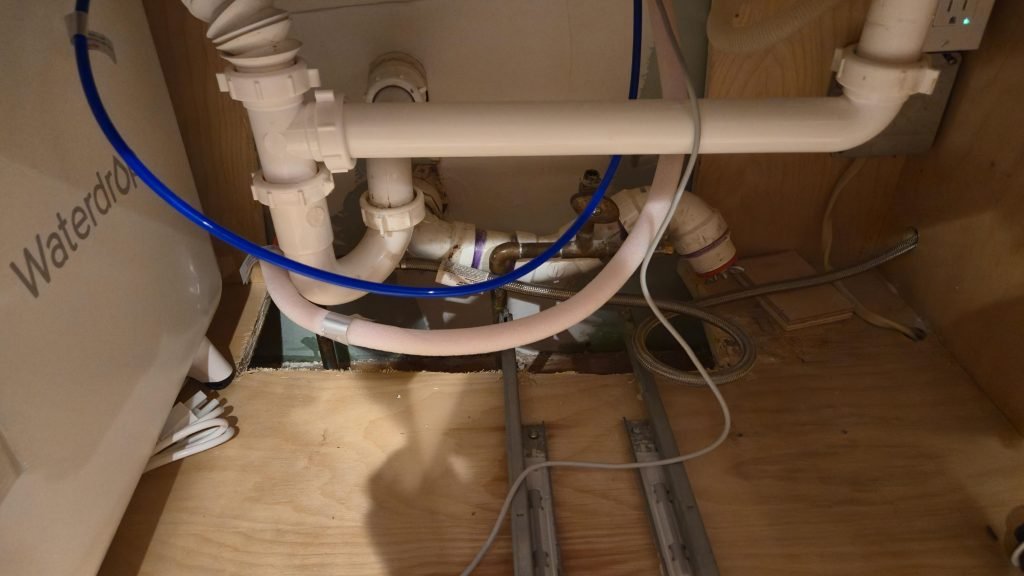
Are you dealing with a leaky or clogged pipe under your kitchen sink? Changing those pipes might seem tricky, but it’s easier than you think.
Imagine saving money on costly plumber visits and fixing the problem yourself in just a short time. In this guide, you’ll discover simple, step-by-step instructions to replace your kitchen sink pipes quickly and safely. Keep reading, and you’ll gain the confidence to handle this common home repair like a pro.
Credit: www.facebook.com
Tools And Materials Needed
Changing pipes under the kitchen sink requires specific tools and materials. Preparing these items beforehand ensures a smooth repair process. Knowing what to gather saves time and avoids frustration.
Essential Tools
- Adjustable wrench for loosening and tightening nuts
- Pipe wrench for gripping and turning pipes
- Channel lock pliers to hold or twist pipe parts
- Bucket to catch water from pipes
- Pipe cutter or hacksaw for cutting pipes accurately
- Plumber’s tape (Teflon tape) to seal pipe threads
- Flashlight for better visibility in tight spaces
- Rags or towels to clean spills and wipe hands
Types Of Pipes
Understanding pipe materials helps select the right replacement. Common types include:
- PVC (Polyvinyl Chloride) – lightweight, easy to cut, popular for drains
- PEX (Cross-linked Polyethylene) – flexible, often used for water supply
- Copper – durable, used for water lines, requires soldering
- Galvanized steel – older homes, prone to corrosion, less common now
Safety Gear
- Gloves to protect hands from sharp edges and chemicals
- Safety goggles to shield eyes from debris and splashes
- Knee pads or cushion for comfort when working low
- Mask to avoid inhaling dust or mold spores
Preparing The Workspace
Preparing your workspace before changing the pipes under your kitchen sink sets the stage for a smoother, safer job. Taking time to organize and protect your area can save you from unexpected messes and make each step easier. Let’s look at key actions to get your workspace ready.
Shutting Off Water Supply
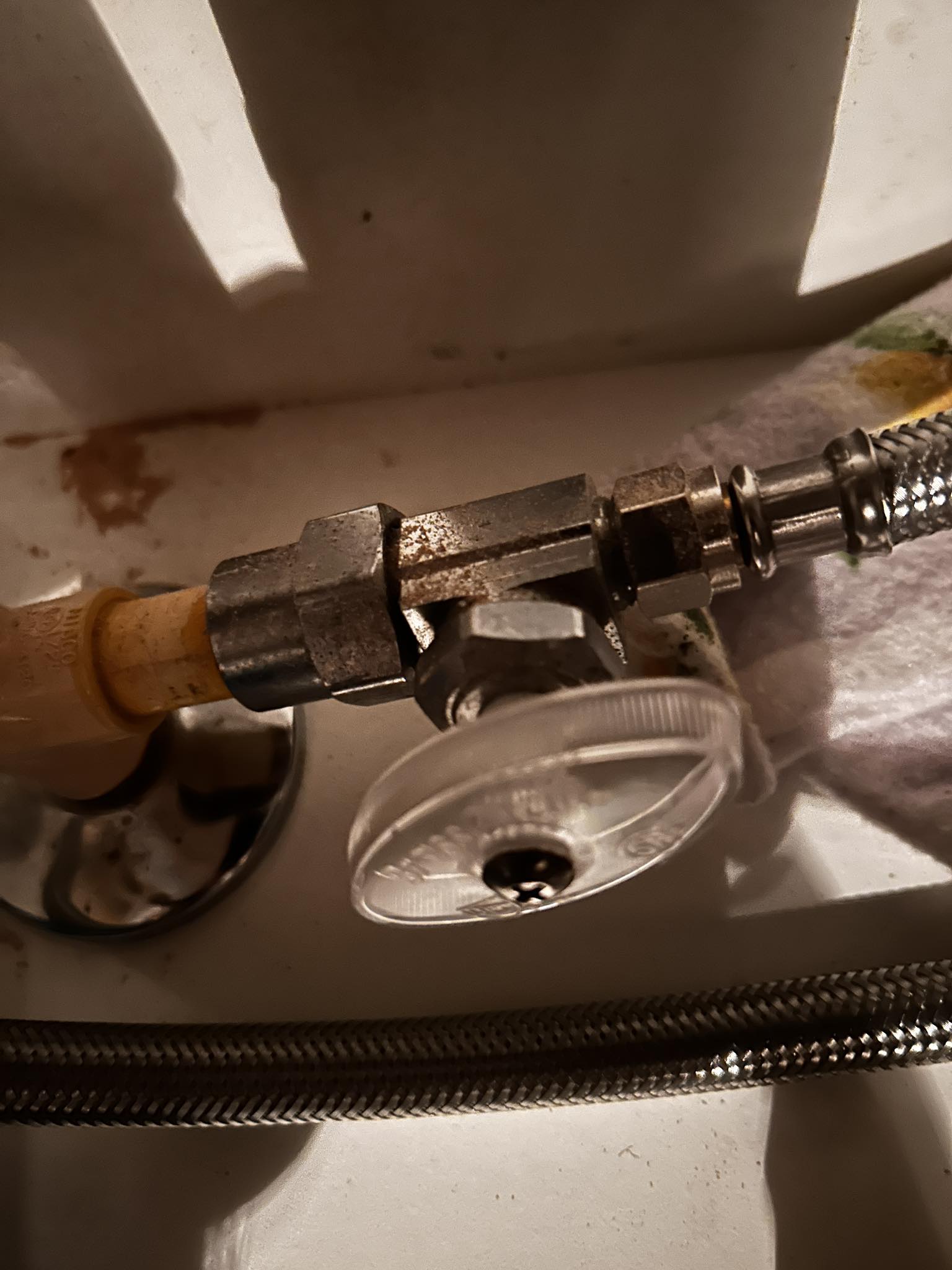
First, locate the shut-off valves under the sink. Turn both the hot and cold water valves clockwise until they stop. This prevents water from flowing when you disconnect the pipes.
If your valves are stiff or hard to turn, don’t force them. Instead, try using a wrench for extra grip or consider shutting off the main water supply to avoid leaks. Have a bucket ready to catch any residual water in the pipes once you start disconnecting.
Clearing The Area
Remove everything stored under the sink. This gives you ample room to work and prevents your belongings from getting wet or damaged. Even small items like cleaning sprays can get in the way or cause hazards.
Consider placing these items on a nearby counter or table. Clearing the clutter helps you stay focused and reduces frustration, especially when dealing with tight spaces.
Protecting Cabinets And Flooring
Lay down old towels or a plastic sheet on the cabinet floor to catch drips and debris. This simple step protects your cabinet from water damage and makes cleanup easier.
If your kitchen floor is prone to scratches, use cardboard or a drop cloth beneath your knees and tools. Protecting surfaces might seem minor but can prevent costly repairs later.
Removing Old Pipes
Removing old pipes under your kitchen sink can feel tricky, but it’s a crucial step before installing new plumbing. Taking your time here helps avoid damage to surrounding fixtures and prevents leaks later on. Knowing exactly how to disconnect and check each part will save you headaches and extra trips to the hardware store.
Disconnecting Drain Pipes
Start by turning off the water supply to avoid any surprises. Place a bucket or towels under the pipes to catch water left inside. Use an adjustable wrench or pliers to loosen the slip nuts connecting the drain pipes.
Sometimes these nuts can be stubborn due to age or corrosion. Applying a bit of penetrating oil can help loosen them without forcing and cracking the pipes.
Handling Traps And Fittings
The trap—the curved pipe section—often holds standing water. Carefully remove it by loosening the fittings on each end. Be prepared for water spills and keep your bucket handy.
Inspect each fitting as you remove it. Old washers or seals might need replacing, so keep an eye out for wear or brittleness that could cause leaks once reassembled.
Inspecting For Damage
After removing pipes, check them closely for cracks, rust, or buildup inside. Even small damage can cause leaks or blockages later on. If the pipe walls feel thin or brittle, it’s safer to replace them entirely.
Also, look at the surrounding cabinet area for water damage or mold. This might indicate hidden leaks you’ll want to address before installing new pipes.
Installing New Pipes
Installing new pipes under your kitchen sink is a straightforward task if you prepare carefully and take your time. This part of the process involves precise measuring, cutting, assembling, and sealing to ensure everything fits perfectly and prevents leaks. Let’s break down each step to help you handle this with confidence.
Measuring And Cutting Pipes
Start by measuring the space where the new pipes will go. Use a tape measure to get the exact lengths needed, accounting for any bends or fittings.
Cutting pipes accurately is crucial. A pipe cutter or a fine-toothed saw works best for clean edges, which help avoid leaks and ensure tight connections.
Have you ever tried fitting a pipe only to find it’s a bit too long or short? Taking the time to measure twice and cut once saves you from frustration and extra trips to the hardware store.
Assembling Pipe Sections
Once your pipes are cut, begin assembling them according to your sink’s plumbing layout. Align the pipes and fittings carefully to make sure everything matches up without forcing any parts.
Use slip nuts and washers to connect sections, tightening them just enough to hold but not over-tighten, which can crack the pipes or damage the threads.
Remember, assembling pipes isn’t about brute force but precision. If the pieces don’t fit easily, double-check your measurements and cuts before proceeding.
Sealing Joints And Connections
Sealing is the final and one of the most important steps. Apply plumber’s tape or pipe joint compound around threaded connections for a watertight seal.
For slip joints, make sure the washers are properly seated and undamaged. Tighten nuts by hand first, then use a wrench to secure, but avoid overtightening.
After sealing, test the connections by running water through the pipes and checking for leaks. Can you spot any drips or moisture? Fix them immediately to avoid bigger problems later.
Testing For Leaks
Testing for leaks is a vital part of changing pipes under your kitchen sink. It ensures your new setup is safe and dry. Leaks can cause water damage and mold, so spotting them early helps avoid big problems. Take your time to check every connection carefully. Doing this saves money and effort later.
Turning Water Back On
After replacing the pipes, open the main water valve slowly. Watch for any sudden drips or sprays. Let the water run for a minute or two. This builds pressure in the pipes and shows if any leaks appear. Keep a bucket handy to catch small drips during this test.
Checking All Connections
Look closely at each joint and fitting. Use a dry cloth to wipe around them. Wet spots mean a leak is present. Check under the sink cabinet too. Sometimes leaks drip down and collect there. Use a flashlight for better visibility in dark corners.
Fixing Minor Leaks
Small leaks often come from loose connections. Use a wrench to tighten nuts gently. Do not over-tighten, as this may cause damage. If the leak continues, try applying plumber’s tape around the threads. This tape creates a better seal. After fixing, test the water flow again to confirm the leak stopped.

Credit: www.youtube.com
Maintenance Tips
Maintaining the pipes under your kitchen sink is key to avoiding leaks and costly repairs. Small habits can make a big difference in keeping your plumbing working smoothly. Here are some practical tips to help you stay ahead of potential problems.
Regular Inspections
Check the pipes under your sink at least once a month. Look for any signs of moisture, corrosion, or loose connections. Even a tiny drip can cause damage over time.
Use a flashlight to get a clear view of hard-to-see areas. Gently touch the pipes to detect any wetness that might not be obvious. Have you noticed any unusual smells or sounds coming from your sink? These can be early warnings of hidden leaks.
Preventing Clogs
Keep solids and grease out of your drain. Use a drain strainer to catch food scraps and clean it regularly. Pour boiling water down the drain weekly to help dissolve buildup.
A mixture of baking soda and vinegar can also keep drains clear without harsh chemicals. Avoid using chemical drain cleaners often—they can damage your pipes over time. What’s the last thing you put down your kitchen drain? Being mindful can save you from blockages.
When To Call A Professional
If you spot persistent leaks or hear constant dripping, it’s time to get expert help. Strange noises like gurgling or slow drainage despite your efforts suggest deeper issues.
Attempting complex repairs without experience can worsen the problem. When repairs involve cutting or replacing pipes, a professional ensures the job is done safely and correctly. Would you risk a major leak or prefer to have peace of mind knowing your plumbing is in good hands?

Credit: www.reddit.com
Frequently Asked Questions
How Do I Turn Off Water Before Changing Pipes?
Locate the shut-off valves under the sink. Turn both hot and cold valves clockwise until tight. This stops water flow, preventing leaks during pipe replacement.
What Tools Are Needed To Replace Kitchen Sink Pipes?
You need a wrench, plumber’s tape, bucket, pipe cutter, and replacement pipes. These tools ensure a smooth and leak-free pipe change.
How Long Does It Take To Change Kitchen Sink Pipes?
Changing pipes typically takes 30 to 60 minutes. Time varies with pipe condition and your plumbing experience.
Can I Replace Pipes Without A Plumber?
Yes, with basic plumbing skills and tools, you can replace pipes safely. Follow instructions carefully and turn off water supply first.
Conclusion
Changing pipes under your kitchen sink can be simple and safe. Turn off the water first. Use the right tools and follow each step carefully. Take your time to avoid mistakes and leaks. A small effort saves big repair costs later.
Stay calm and patient during the process. You can handle this task with basic skills. Keep your kitchen dry and clean as you work. Soon, your sink will work like new again. A little care goes a long way in home repair.

Hi, I’m Daniel Harper, a senior editor here at KitchenBucks.com. For over 10 years, I’ve been exploring kitchen gadgets and appliances to help people find tools that truly add value without breaking the bank. I love simplifying product choices so you can focus more on cooking and less on worrying about what to buy. When I’m not reviewing the latest gadgets, you’ll usually find me experimenting with coffee brewing or firing up the grill for a weekend barbecue.