
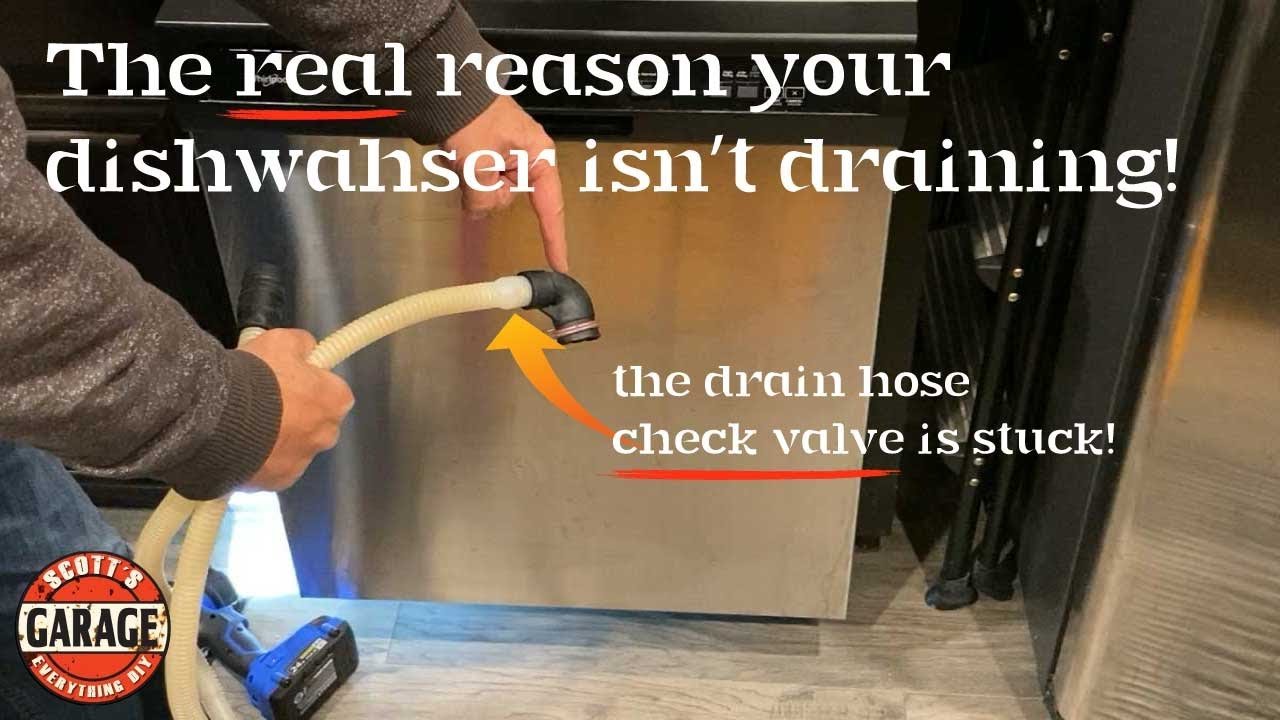
Have you ever noticed your dishwasher not draining properly, leaving water pooled at the bottom? This could be a sign that your dishwasher drain hose needs attention.
Imagine how satisfying it would be to solve this common issue yourself, saving you time and money. By simply checking and maintaining the drain hose, you can restore your dishwasher’s efficiency and avoid potential repairs. In this guide, you’ll discover step-by-step instructions to inspect the drain hose, ensuring your appliance runs smoothly.
Let’s dive in, and empower you to tackle this problem with confidence and ease!
Identifying Drain Hose Issues
Checking the dishwasher drain hose can prevent clogs and leaks. Inspect the hose for cracks, twists, or blockages. Ensuring a clear path for water flow helps maintain efficient dishwasher performance.
Checking your dishwasher drain hose is crucial for maintaining your kitchen appliance’s efficiency and hygiene. A clogged or malfunctioning hose can lead to standing water and unpleasant odors. You don’t need to be an expert to spot these issues. By paying attention to certain signs, you can identify and address problems before they become severe. Let’s explore how you can identify drain hose issues effectively.Common Signs Of Blockage
A blocked drain hose often reveals itself through noticeable symptoms. Is your dishwasher leaving water at the bottom after a cycle? This is a classic sign of blockage. You might also notice a foul smell, which could indicate trapped food particles. Strange noises during the draining process can also signal trouble. Picture this: you’re enjoying a quiet evening, and suddenly your dishwasher roars to life with unusual sounds. This might mean a blockage is causing undue pressure in the hose. Don’t overlook the speed at which your dishwasher drains. If you find it takes longer than usual, a blockage could be the culprit. Regularly checking for these signs can save you from bigger headaches down the line.Symptoms Of A Malfunctioning Hose
A malfunctioning hose can present different symptoms. Leaks under the dishwasher are a major red flag. Imagine a tiny puddle forming every time you run a cycle—this could be your hose crying for help. Water stains around the appliance area can also indicate a failing hose. If you find yourself mopping up after each wash, consider inspecting the hose for cracks or loose connections. Another symptom is inconsistent dishwasher performance. If your dishes aren’t coming out as clean as they used to, the hose might not be draining properly. Ask yourself if you’ve noticed any of these signs lately. Taking the time to identify these issues early can extend the life of your dishwasher. Have you encountered any of these symptoms in your kitchen? Checking the drain hose could be your next step to a more efficient dishwashing experience.Preparing For Inspection
Inspecting a dishwasher drain hose involves checking for clogs or leaks. Ensure the hose is securely attached and free of kinks. Regularly cleaning the hose can prevent build-up and ensure efficient drainage.
Preparing to inspect your dishwasher drain hose is a crucial step in maintaining your appliance’s efficiency. A clogged or damaged hose can lead to poor drainage, water leaks, and even more significant appliance issues. Before diving into the inspection, it’s essential to ensure you’re adequately prepared. This preparation will not only make the process smoother but also help avoid any unexpected mishaps. Let’s break down the essential elements you need to consider.Tools And Materials Needed
Start with gathering the right tools and materials. You’ll need a flashlight to see into tight spaces. A towel or a small bucket can help catch any water that might spill during the inspection. Having a screwdriver handy is essential for removing any panels or securing clips. A pair of pliers may also be useful if you need to detach the hose from the dishwasher or the sink. Why not make a checklist? It ensures you won’t miss anything. Plus, having everything at your fingertips saves time and reduces frustration.Safety Precautions
Safety is paramount. Begin by unplugging your dishwasher from the power source. This step prevents any risk of electrical shock. If your dishwasher is hardwired, turn off the circuit breaker instead. Next, consider wearing rubber gloves. They protect your hands from sharp edges and any debris or bacteria that might be lurking in the hose. Are you ready to get started? Ensuring your safety and preparation can make the inspection process not only efficient but also stress-free. Taking these steps seriously can save you both time and future repair costs.Locating The Drain Hose
Checking the dishwasher drain hose involves looking under the sink. Find the hose connected to the garbage disposal or air gap. Inspect for any clogs or kinks to ensure smooth water drainage.
Locating the drain hose is crucial for a dishwasher’s maintenance. This simple check can prevent clogs and enhance efficiency. Finding the hose may seem daunting, but with the right guidance, it becomes straightforward. Let’s explore how to locate the drain hose effectively.Accessing The Dishwasher
Start by turning off the dishwasher. Safety first. Disconnect it from the power source. This prevents accidents. Next, open the dishwasher door. Remove the lower rack. This provides better access to the internal components. Locate the screws securing the kickplate. The kickplate is typically at the bottom front. Unscrew these using a screwdriver. Carefully remove the kickplate. You now have a clear view of the dishwasher’s interior.Finding The Hose Connection
Once the kickplate is off, search for the drain hose. The hose is often on the left side. It connects the dishwasher to the drain. Look for a flexible tube. It may be attached to a pump. Follow the hose to its connection point. It usually connects to the sink drain. Check for any visible kinks or blockages. Ensure the hose is securely attached. This prevents leaks and drainage issues.Inspecting For Blockages
Maintaining a dishwasher involves checking its drain hose regularly. Blockages can cause your machine to malfunction. Identifying obstructions early helps avoid costly repairs. This guide helps you inspect for blockages effectively.
Begin by assessing visible signs of blockage. A straightforward approach ensures smooth operation.
Visual Check For Obstructions
Examine the drain hose for visible blockages. Look for bends or twists. These can restrict water flow. Ensure the hose is straight and unblocked. Use a flashlight to see inside the hose.
Check for food particles or debris. These often accumulate in the hose. Remove visible obstructions carefully. A simple inspection can prevent major issues.
Testing For Clogs With Water
Run water through the hose to test for clogs. Disconnect the hose from the dishwasher first. Hold the hose over a bucket or sink. Pour water into one end. Observe if water flows freely.
If water flows slowly, there’s likely a blockage. Try using a small brush to dislodge debris. Flush with water again to confirm clearance. Repeat until water flows smoothly. Regular testing ensures optimal performance.
Cleaning The Drain Hose
Checking the dishwasher drain hose is essential for efficient cleaning. Ensure it’s free from clogs by inspecting the hose’s connection points. Regular maintenance prevents water drainage issues, keeping your dishwasher running smoothly.
Cleaning the drain hose of your dishwasher is a crucial step in maintaining its efficiency. Over time, food particles and debris can accumulate, leading to clogs and reduced performance. You might be surprised to find that a clean drain hose can significantly improve your dishwasher’s functionality. Have you ever wondered why your dishes aren’t coming out as clean as they should? Checking the drain hose might be the answer.Methods For Removing Debris
Start by turning off the power to your dishwasher for safety. Disconnect the hose from the dishwasher and the sink drain. Shake the hose gently to loosen any stuck particles. You can use a small brush or pipe cleaner to remove debris. If the hose is particularly clogged, try running water through it to flush out any stubborn bits. Regularly removing debris ensures the hose remains clear and your dishwasher operates smoothly.Using Cleaning Solutions
Using a cleaning solution can help dissolve grease and grime inside the hose. Mix a solution of equal parts vinegar and water. Pour the mixture into the hose and let it sit for a few minutes. This helps to break down any stubborn residue. Rinse the hose thoroughly with water after the solution has done its job. Did you know that using simple household items can make a big difference in cleaning? Vinegar is a natural cleaner that won’t damage your dishwasher parts. Have you considered scheduling regular checks to prevent future clogs? Consistent maintenance can save you time and money on repairs.:max_bytes(150000):strip_icc()/dishwasher-drain-hose-connections-2718613-09-3f63c303030749e9985b75df021aeeb6.jpg)
Credit: www.thespruce.com
Repairing Or Replacing The Hose
When your dishwasher isn’t draining properly, the drain hose might be the culprit. Repairing or replacing this hose can seem daunting, but it’s more straightforward than you might think. Whether you’re dealing with a minor leak or a complete blockage, knowing how to tackle the issue can save you time and money.
Temporary Fixes
Before jumping into replacement, consider temporary fixes to keep your dishwasher running. Tighten any loose clamps securing the hose to prevent leaks. If the hose is clogged, use a coat hanger or a flexible brush to gently clear the blockage.
Remember, these are just stop-gap solutions. They can buy you time, but a permanent fix may still be necessary. How long can you afford to wait before tackling a full replacement?
Steps For Hose Replacement
Gather your tools: a screwdriver, pliers, and a replacement hose. Make sure the new hose matches the specifications of your current one. This ensures a perfect fit and prevents future issues.
- Turn off the power supply to your dishwasher for safety.
- Disconnect the dishwasher from the water supply to avoid flooding.
- Locate the drain hose, usually at the back or bottom of the dishwasher.
- Use the screwdriver to loosen the clamps holding the old hose in place.
- Carefully remove the old hose and replace it with the new one.
- Tighten the clamps securely to prevent leaks.
- Reconnect the water supply and restore power.
Test the dishwasher to ensure everything is functioning correctly. Notice any leaks or odd noises? Address them immediately to avoid further damage.
Replacing a dishwasher hose isn’t just about fixing a problem. It’s about maintaining the efficiency of your appliance. How does it feel to know you can handle these repairs yourself?
Preventive Maintenance Tips
Easily keep your dishwasher running smoothly by checking the drain hose regularly. Look for any clogs or kinks that might block water flow. Ensure the hose is securely connected to prevent leaks and maintain efficiency. Regular checks help avoid unexpected repairs and extend your dishwasher’s life.
Maintaining your dishwasher’s drain hose is crucial for its optimal performance and longevity. By integrating preventive maintenance tips into your routine, you can avoid unexpected breakdowns and costly repairs. Let’s dive into some practical strategies to keep your dishwasher in top shape.Regular Cleaning Schedule
Creating a regular cleaning schedule for your dishwasher drain hose is essential. A simple wipe-down every month can prevent grime buildup. Use a damp cloth to clean any visible dirt around the hose. You can also use a mixture of baking soda and vinegar to flush out any potential clogs. Pour a cup of baking soda followed by a cup of vinegar down the dishwasher drain, then run the dishwasher on a hot water cycle. This method is not only effective but eco-friendly too.Avoiding Future Blockages
Prevent blockages by being mindful of what you load in the dishwasher. Large food particles should be rinsed off before loading dishes. This simple step can make a significant difference in the efficiency of your appliance. Consider checking your dishwasher’s filter regularly. A clogged filter can lead to water drainage issues. Taking a few minutes to inspect and clean the filter can save you from a major headache down the line. Have you ever had to deal with a stubborn blockage that just wouldn’t budge? It’s a hassle best avoided by ensuring your dishwasher is not overloaded. Overloading can strain your dishwasher and the drain hose, leading to unwanted blockages. By following these preventive maintenance tips, you enhance the lifespan of your dishwasher and ensure it operates smoothly. Take these small steps today, and thank yourself later.
Credit: www.reddit.com

Credit: www.youtube.com
Frequently Asked Questions
How Do I Know If My Dishwasher Drain Hose Is Clogged?
Check for water pooling at the bottom of your dishwasher. Listen for unusual drainage sounds. Inspect the hose for kinks or visible blockages. If dishes remain dirty after a cycle, it might indicate a clogged hose. Ensure the hose is securely connected to the dishwasher and sink.
How To Test A Dishwasher Drain Line?
To test a dishwasher drain line, disconnect it and blow air through it. Check for obstructions or kinks. Reconnect and run a cycle, observing for proper draining. Ensure the drain hose is positioned correctly and not clogged. Regular maintenance helps prevent blockages.
How To Clean A Dishwasher Drain Hose Without Removing It?
To clean a dishwasher drain hose without removing it, pour a mixture of baking soda and vinegar down the drain. Allow it to sit for 15 minutes, then flush with hot water. This helps dissolve debris and improve drainage efficiency.
Regular cleaning ensures optimal performance of your dishwasher.
How To Check If The Drain Hose Is Clogged?
To check if the drain hose is clogged, disconnect it and inspect for debris or water blockage. Run water through it to ensure flow. If water doesn’t pass easily, the hose might be clogged. Clean it thoroughly to remove any obstructions.
Reconnect and test the appliance.
Conclusion
Checking your dishwasher drain hose is simple. It saves future headaches. Regular maintenance prevents clogs and leaks. Inspect the hose for damage. Keep it clean and clear. A functional hose ensures smooth operation. Troubleshooting common issues is easy. Follow these steps to avoid problems.
Knowledge empowers you to fix minor issues. Maintain your appliance with confidence. Dishwashers work best when cared for. Save time and money with regular checks. Your kitchen stays hassle-free. Enjoy the benefits of a well-maintained dishwasher. A little effort goes a long way.
Happy dishwashing!
