

Choosing the perfect range hood for your kitchen might seem overwhelming, but it’s easier than you think. Imagine walking into your kitchen, greeted by the fresh aroma of your favorite meal without the lingering smell of last night’s dinner.
That’s the magic of a well-chosen range hood. It not only keeps your kitchen air clean but also adds a touch of style to your space. Are you ready to transform your cooking experience and enhance your kitchen’s design? Stay with us as we guide you through the essential tips and tricks to find the range hood that fits your needs and elevates your home.
Your dream kitchen is just a few steps away.
Credit: www.kitchenaid.com
Types Of Range Hoods
Choosing the right range hood for your kitchen is essential. It ensures a clean and odor-free cooking environment. Range hoods come in various types, each with unique features. Understanding these types helps you make an informed decision.
Wall-mounted Hoods
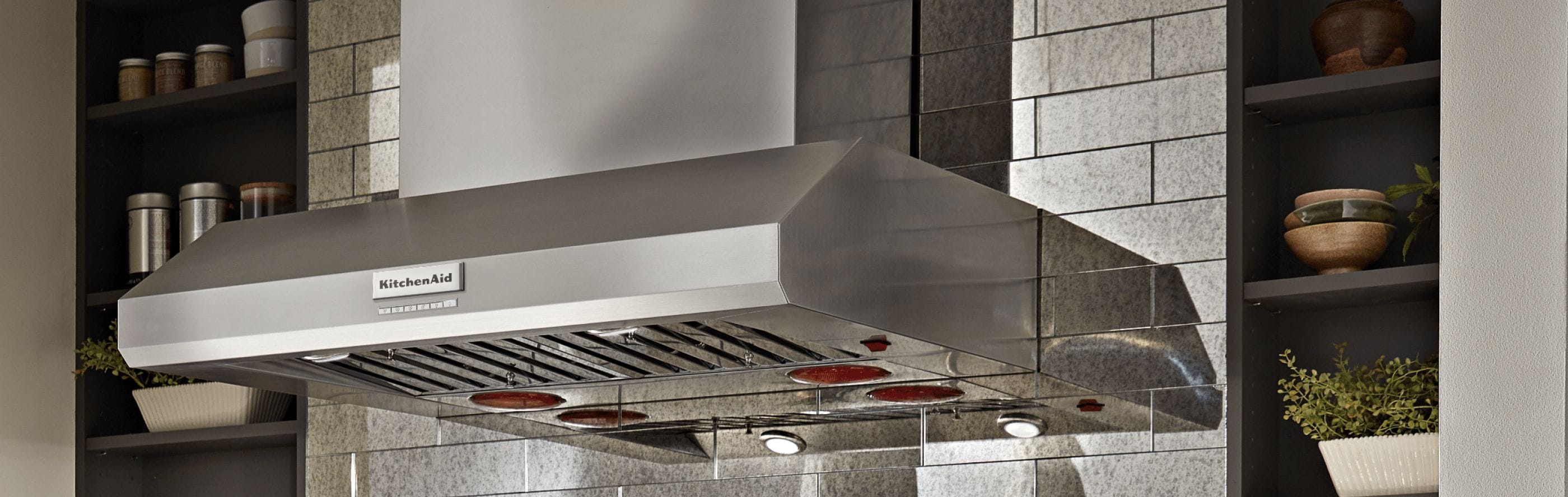
Wall-mounted hoods are attached to the wall above your stove. They are ideal for kitchens with open wall space. These hoods often serve as a focal point in the kitchen. They come in various styles and finishes. Stainless steel is a popular choice. Wall-mounted hoods are effective in removing smoke and odors.
Under-cabinet Hoods
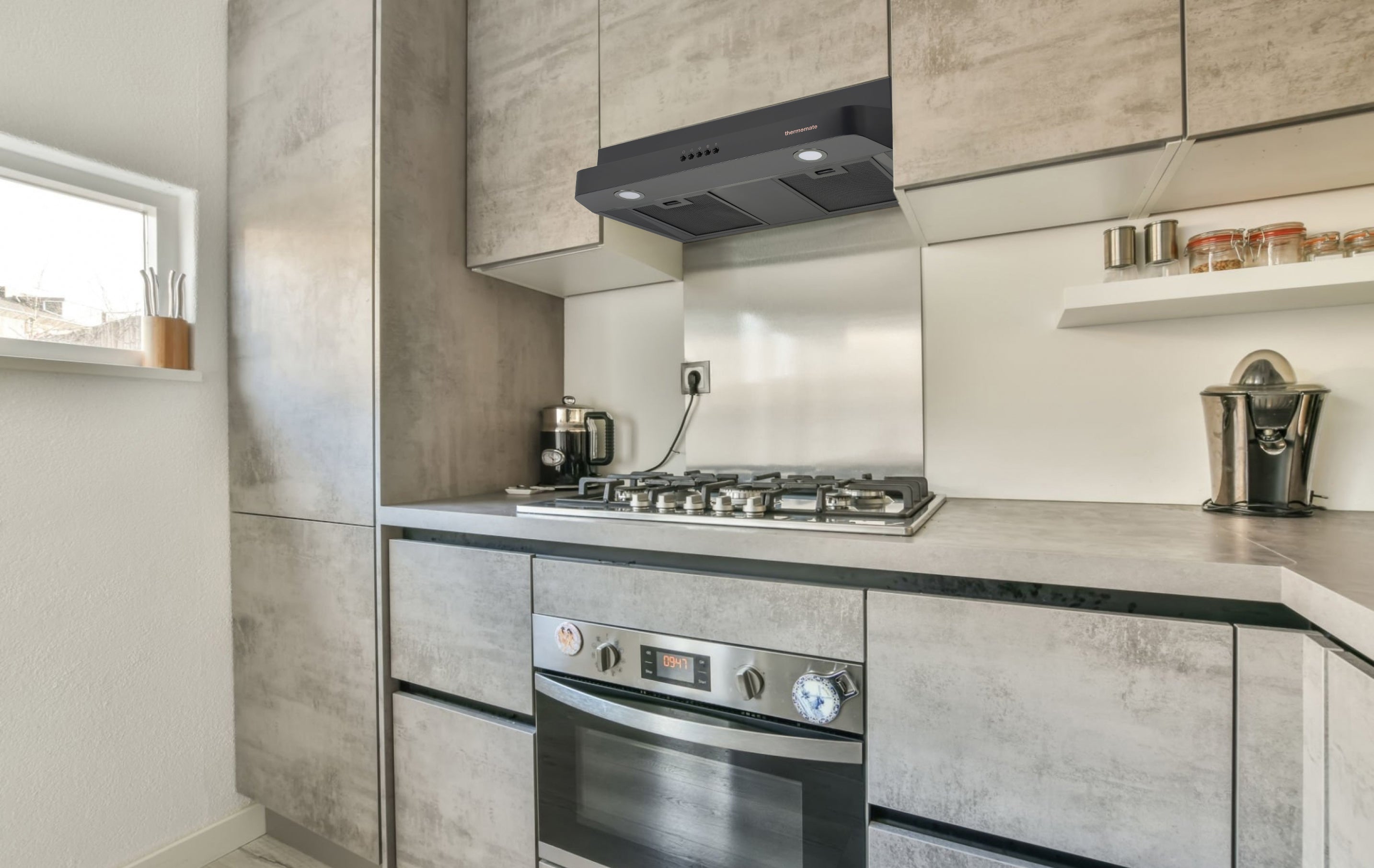
Under-cabinet hoods fit beneath your kitchen cabinets. They are perfect for saving space. These hoods are less visible, making them a discreet option. Under-cabinet hoods are available in ducted and ductless versions. They are easy to install and maintain. Ideal for smaller kitchens with limited space.
Island Hoods
Island hoods hang from the ceiling above an island stove. They are essential for kitchens with cooking islands. These hoods add a modern touch to your kitchen. Island hoods are visible from all sides. They require professional installation due to ceiling mounting. They are effective in open-concept kitchens.
Downdraft Hoods
Downdraft hoods are unique and retractable. They are installed beside or behind the cooktop. When in use, they rise to capture smoke and odors. Downdraft hoods are suitable for kitchens with limited overhead space. They are less common but offer a sleek look. Ideal for those who prefer a minimalistic design.
Credit: thermomate.com
Size And Placement
Choosing a range hood involves considering size and placement. Ensure the hood matches your stove’s width for effective ventilation. Install it at a comfortable height to capture smoke and odors efficiently. Proper positioning enhances kitchen aesthetics and functionality.
Choosing the right range hood for your kitchen can be a game-changer. Size and placement are crucial to ensure efficiency and aesthetics. A well-placed range hood not only enhances the cooking experience but also keeps your kitchen fresh. How do you make sure you’re making the right choice?Measuring Your Space
Start by measuring the width of your cooktop. Your range hood should ideally be as wide as your cooktop, or slightly wider. This ensures it captures all the smoke and odors efficiently. If your cooktop is 30 inches wide, opt for a 30-inch or wider range hood. Consider the height of your ceiling too. If your kitchen has a high ceiling, you might need a chimney extension. Measure from the floor to the ceiling, and then the height of your cooktop to ensure the hood will fit comfortably and function effectively.Ideal Height Above Cooktop
The height at which you install your range hood affects its performance. Typically, the hood should be placed 24 to 30 inches above the cooktop. This range allows the hood to capture smoke effectively without being too close to your cooking space. Is your kitchen layout unique? If so, you might need to adjust the height slightly. Always check the manufacturer’s recommendations for the specific model you choose. Make sure the placement doesn’t hinder your cooking. The hood should be high enough to allow you to cook comfortably without bumping your head. Have you ever cooked under a hood that seemed too low? It’s not only uncomfortable but also impractical. By paying attention to size and placement, you ensure your range hood is both functional and a stylish addition to your kitchen. What will your kitchen feel like with the perfect range hood? Only you can decide.Ventilation Options
Selecting the right range hood enhances kitchen air quality. Consider size, noise level, and ducting options. Match style with kitchen design.
Ventilation is key when choosing a range hood for your kitchen. Proper ventilation ensures that smoke, steam, and odors are efficiently removed. This keeps the kitchen air fresh and clean. Let’s explore the two main ventilation options available.Ducted Systems
A ducted range hood uses ducts to expel air outside. This system is highly effective at removing smoke and odors. It keeps your kitchen environment clean and pleasant. Ducted systems can handle high heat and heavy smoke. They are ideal for frequent cooking. Installation requires space for ductwork. It is important to plan the layout carefully. Ensure there is an external wall or ceiling access. Ducted systems are reliable but may need professional installation.Ductless Systems
Ductless systems use filters to clean the air. The air is recirculated back into the kitchen. They are easier to install and require less space. These systems are perfect for apartments or smaller kitchens. The filters need regular cleaning or replacement. Ductless systems are less effective for heavy cooking. They are best for light to moderate cooking tasks. Consider the type of filter used. Charcoal filters are common in ductless systems. Ensure the filter is efficient for your cooking style.Power And Efficiency
Choosing the right range hood for your kitchen can enhance functionality. Power and efficiency are crucial factors to consider. They determine how effectively the range hood will remove smoke, odors, and grease. Understanding these elements ensures a clean and comfortable cooking environment.
Cfm Ratings
CFM stands for cubic feet per minute. It measures the airflow capacity of a range hood. Higher CFM ratings mean better air circulation. For frequent cooking, opt for a range hood with at least 350 CFM. This ensures efficient removal of smoke and odors. Consider the size of your kitchen when selecting CFM ratings. Larger kitchens may need higher CFM for effective ventilation.
Energy Efficiency Considerations
Energy-efficient range hoods save on electricity bills. Look for models with energy-saving features. LED lights consume less power than traditional bulbs. They also provide better illumination. Some range hoods have adjustable fan speeds. This allows you to control energy usage based on cooking needs. Energy-efficient models contribute to a sustainable kitchen environment.
Noise Levels
When selecting a range hood for your kitchen, noise levels are an essential factor to consider. A noisy range hood can disrupt the peaceful ambiance of your home, turning cooking into a less enjoyable experience. Understanding the noise levels of a range hood helps ensure that your kitchen remains a pleasant and functional space.
Evaluating Decibel Ratings
Decibel ratings offer a straightforward way to gauge a range hood’s noise level. Look for ratings below 60 decibels for a quieter operation—similar to the sound of a normal conversation. Many manufacturers provide these ratings, making it easier to compare models.
Consider your kitchen’s layout. A smaller space may amplify sound, making lower decibel ratings more crucial. If you’ve ever struggled to hear a family member while cooking, a quieter range hood could be a game-changer.
Quiet Operation Features
Modern range hoods come equipped with features designed to minimize noise. Variable fan speeds allow you to adjust the power according to your needs, reducing noise when full power isn’t required. Some models include advanced sound insulation materials, effectively dampening noise.
Remember that technology like brushless motors can contribute to quieter operation. These motors run smoothly, reducing both sound and wear over time. Have you ever been surprised at how quiet a high-performance gadget can be? These features can make your kitchen experience just as satisfying.
When considering these options, ask yourself: Is a peaceful kitchen worth investing in advanced features? Assessing noise levels isn’t just about comfort; it’s about enhancing your overall cooking experience.
Credit: www.stollindustries.com
Design And Aesthetics
Selecting the right range hood enhances your kitchen’s style and function. Consider size, style, and ventilation power. Matching design with your kitchen’s aesthetics creates a harmonious look.
Choosing a range hood for your kitchen isn’t just about functionality; it’s also about enhancing the overall design and aesthetics of your space. A well-chosen range hood can be the centerpiece of your kitchen, adding style while serving its essential purpose. But how do you find the perfect balance between performance and visual appeal?Material Choices
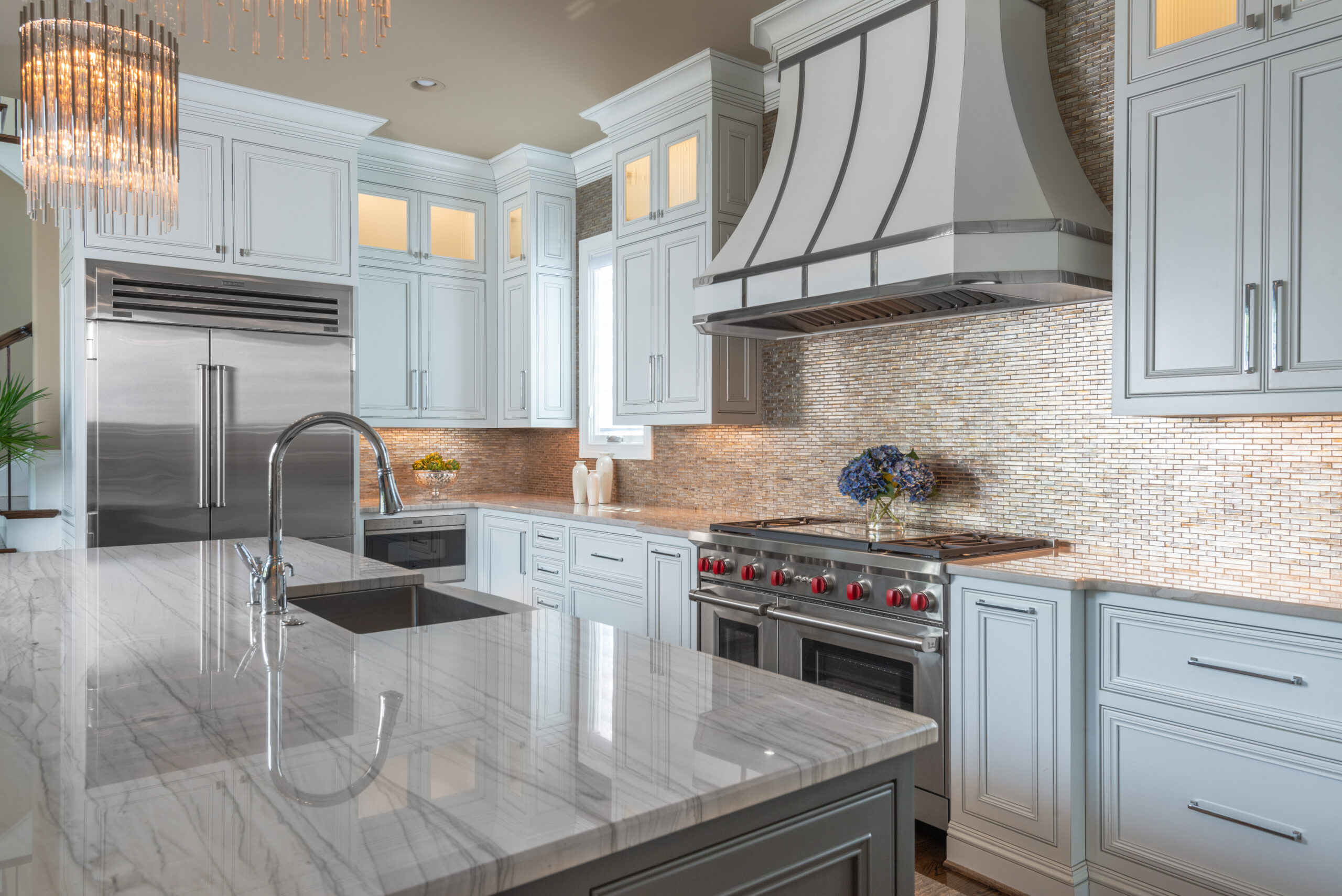
The material of your range hood plays a significant role in its appearance and durability. Stainless steel is a popular choice due to its modern look and resistance to rust and stains. It’s easy to clean and fits well with most kitchen designs. Copper and brass offer a more rustic or vintage appeal. They develop a unique patina over time, adding character to your kitchen. Glass hoods provide a sleek and contemporary look, often paired with stainless steel for a striking contrast.Color And Finish Options
When selecting a range hood, consider the color and finish that best complements your kitchen. White and black are classic choices, offering a clean and timeless appearance. They blend seamlessly with most color schemes. If you’re feeling bold, opt for a range hood with a splash of color. A bright hue can make a statement, turning your range hood into a focal point. Matte finishes provide a sophisticated look, while glossy ones add a touch of modern elegance. Think about the existing colors and finishes in your kitchen. Will your chosen range hood enhance or clash with your countertops, cabinets, and appliances? Making a choice that harmonizes with your kitchen’s design can elevate the entire space. Have you ever walked into a kitchen and felt instantly drawn to the range hood? That’s the power of design and aesthetics. Your choice can leave a lasting impression, so consider what story you want your kitchen to tell.Additional Features
Explore range hoods with additional features like built-in lighting, adjustable fan speeds, and noise reduction. These features improve functionality and comfort. Consider models with easy-to-clean filters for hassle-free maintenance.
Choosing a range hood involves more than just size and style. Additional features can enhance the functionality and convenience of your kitchen. From lighting options to smart technology integration, these extras can make your kitchen experience better.Lighting Options
Good lighting is essential in the kitchen. A range hood with built-in lights improves visibility while cooking. LED lights are energy-efficient and long-lasting. Halogen lights provide a warm and bright glow. Some range hoods offer adjustable brightness settings. This allows you to customize the light intensity. Consider the bulb type and placement for optimal lighting.Smart Technology Integration
Smart features bring modern convenience to your kitchen. A range hood with smart technology can connect to your home’s Wi-Fi. Control it remotely with a smartphone app. Some models integrate with voice assistants like Alexa or Google Assistant. You can adjust fan speed or turn on lights with simple voice commands. This hands-free operation adds ease to your cooking routine. Smart range hoods may also offer air quality monitoring. This helps maintain a clean and healthy kitchen environment.Budget Considerations
Consider the price range before choosing a range hood for your kitchen. Balance cost with quality and features. Opt for an affordable model that meets your kitchen’s ventilation needs.
Choosing the right range hood for your kitchen isn’t just about style or functionality—it’s also about making sure it fits your budget. Budget considerations are crucial because they help you narrow down your options without compromising on quality or performance. Whether you’re renovating on a shoestring or splurging on a dream kitchen, understanding how to balance cost and quality can make all the difference.Price Range Overview
Range hoods come in a variety of price points, from budget-friendly options to high-end models. Entry-level hoods can start as low as $100, while luxury designs can exceed $1,000. It’s important to know where your budget falls within this spectrum. Consider what features are non-negotiable for your kitchen needs. If you’re someone who cooks frequently, investing in a slightly more expensive model might save you money in the long run by being more durable and efficient.Balancing Cost And Quality
Finding the sweet spot between cost and quality is key. A cheaper range hood might seem appealing initially, but if it breaks down or performs poorly, you’ll end up spending more on repairs or replacements. On the other hand, high-end models often come with features you might not need. Think about your cooking habits. If you frequently cook with strong odors or smoke, investing in a model with a powerful fan might be worth the extra cost. You might be tempted to go for the cheapest option available, but ask yourself—will it meet your needs effectively? Sometimes, spending a bit more on a reliable brand can save you from future headaches. Weigh the pros and cons of each model within your budget. Is a quieter operation worth the extra dollars? Would you benefit from advanced features like automatic sensors or sleek designs? Remember, the perfect range hood isn’t necessarily the most expensive one—it’s the one that fits your budget and fulfills your kitchen’s needs. What compromises are you willing to make for the right price?Installation Process
Installing a range hood in your kitchen can transform your cooking space. It’s not just about removing odors and smoke; it’s about creating a comfortable environment. However, the installation process can make or break your range hood experience. Understanding the nuances of installation ensures you not only get the most out of your appliance but also avoid costly mistakes.
Diy Vs Professional Installation
Are you a DIY enthusiast or do you prefer calling in the experts? This decision is crucial. Installing a range hood yourself can save money, but requires some technical knowledge. You’ll need to handle electrical wiring and ductwork effectively. If you’re not confident in these areas, hiring a professional might be worth the investment.
Professionals bring experience and tools to ensure the installation is safe and efficient. They can advise on the best placement for optimal performance. If you’re considering DIY, ask yourself: Do you have the time and skills for a flawless installation?
Important Installation Tips
Whether you opt for DIY or professional installation, some tips apply universally. Always measure your space accurately. This prevents purchasing a range hood that doesn’t fit. Remember to check the power requirements to avoid electrical issues.
Ensure proper ventilation. A common mistake is neglecting ductwork, leading to poor air circulation. Consider using a smoke detector to test the effectiveness post-installation. Lastly, secure the range hood firmly to avoid any mishaps.
Installing a range hood might seem daunting, but with careful planning and consideration, you can achieve a seamless setup. What steps will you take to ensure a successful installation?
Maintenance And Care
Choosing the right range hood involves considering size, style, and ventilation power. Regular cleaning prevents grease buildup and ensures optimal performance. Proper installation enhances functionality and maintains kitchen air quality.
Maintaining and caring for your range hood is crucial for its longevity and efficiency. A well-maintained range hood ensures your kitchen remains free from odors and grease, while also prolonging the life of the appliance. Proper care not only saves you money on replacements but also keeps your kitchen a clean and pleasant space.Cleaning Tips
Regular cleaning is essential to keep your range hood functioning well. Start by wiping down the exterior with a damp cloth and mild detergent to remove grease and fingerprints. For the filters, soak them in hot, soapy water. Use a gentle brush to scrub away any stubborn grease. You might be surprised at how much grime builds up, especially if you cook often. Consider setting a reminder to clean the filters monthly. This simple task can significantly improve your range hood’s performance. Have you noticed a drop in suction power? It might be time for a thorough clean.Regular Maintenance Schedule
Establishing a regular maintenance schedule can prevent costly repairs. Check the fan and motor every few months to ensure they are operating smoothly. Listen for unusual noises which might indicate a problem. Inspect the ductwork annually for any blockages or leaks. A blocked duct can reduce the effectiveness of your range hood and cause odors to linger. Replace the light bulbs as needed. Keeping your range hood well-lit not only helps with cooking but also adds to the ambiance of your kitchen. Have you ever tried cooking in a dimly lit area? It can be challenging and even dangerous. Taking these proactive steps ensures your range hood remains in top condition. It also helps maintain a clean, healthy kitchen environment. Wouldn’t you agree that a little maintenance now can save you a lot of hassle later?Frequently Asked Questions
How Do I Know What Range Hood To Buy?
Consider the kitchen size and cooking habits. Select a range hood with adequate airflow and noise levels. Ensure compatibility with your kitchen design and ventilation type. Check energy efficiency ratings and warranty. Research online reviews for performance insights and make your purchase decision based on these factors.
How Many Cfm For A Range Hood Do I Really Need?
Choose a range hood with 100 CFM for every 10,000 BTUs of your stove. For electric stoves, 300 CFM is ideal. Ensure proper ventilation based on kitchen size and cooking frequency.
What’s The Difference Between A Type 1 And Type 2 Hood?
Type 1 hoods handle grease and smoke, used in kitchens. Type 2 hoods remove heat and moisture, ideal for non-grease applications. Both ensure safety and cleanliness in commercial kitchens.
How Much Bigger Should The Hood Be Than The Range?
A range hood should be 3 inches wider on each side than the cooking surface. For example, a 30-inch range requires a 36-inch hood for optimal ventilation. This ensures effective coverage and improves kitchen air quality. Always consider hood size for best performance and aesthetics.
Conclusion
Choosing the right range hood enhances your kitchen’s functionality and style. Consider the size and type that suit your cooking needs. Focus on noise levels for a peaceful kitchen experience. Think about the installation process and maintenance. Remember, a good range hood improves air quality and comfort.
Prioritize energy efficiency to save on bills. Look for reliable brands with positive reviews. Your kitchen deserves a range hood that complements its look. Make an informed decision for long-term satisfaction. Happy cooking in your refreshed kitchen space!
