
Are you tired of dealing with a dishwasher that just doesn’t seem to work right? A clogged dishwasher can turn your kitchen chores into a frustrating ordeal.
Imagine opening the door to find dirty water pooled at the bottom or dishes that aren’t quite clean. It’s not just an inconvenience; it can also lead to costly repairs if left unchecked. You deserve a smoothly running dishwasher that makes your life easier, not harder.
In this guide, we’ll show you simple, effective steps to clean a clogged dishwasher. By the end, you’ll be equipped with the know-how to tackle this common household issue, saving you time, money, and stress. Let’s get started on bringing your dishwasher back to its optimal performance, so you can enjoy spotless dishes with zero hassle.
Identify Signs Of A Clogged Dishwasher
Water not draining, strange noises, or leftover food particles signal a clogged dishwasher. Regular cleaning prevents these issues.
Identifying signs of a clogged dishwasher is crucial for timely maintenance. A clogged dishwasher can disrupt your routine. It can also lead to expensive repairs. Recognizing early signs can help you act swiftly. This guide will help you spot these warning signals efficiently.1. Strange Noises
Unusual sounds can indicate a clog. Listen for gurgling or grinding noises. These sounds might mean water isn’t draining properly.2. Water Pooling
Standing water at the bottom of the dishwasher is a sign. It suggests that drainage is blocked. Check for water accumulation after a wash cycle.3. Poor Cleaning Results
Dishes not coming out clean? This might signal a clog. Food particles can remain due to improper water flow.4. Slow Drainage
Observe the drainage process. If water drains slowly, there might be a blockage. Slow drainage can reduce cleaning efficiency.5. Foul Odors
Notice any bad smells? Clogs can cause stagnant water to emit odors. This unpleasant smell can spread throughout your kitchen.6. Error Codes
Modern dishwashers display error codes. Check your manual for specific codes related to clogs. These codes can guide you to the problem area.7. Leaking Water
Leaking water around the dishwasher is alarming. It could mean a serious blockage. Inspect the area for any signs of water leakage. Being aware of these signs can help maintain your dishwasher. Early detection can prevent bigger issues. Keep an eye on these indicators for a hassle-free experience.Gather Essential Cleaning Tools
Cleaning a clogged dishwasher starts with gathering the right tools. Before diving into the task, having these essentials will make the process smoother and more efficient. These tools help you remove debris, clean filters, and ensure the dishwasher runs perfectly. Let’s explore the tools you need to tackle this cleaning challenge.
Dish Soap
Dish soap is a gentle cleaner for dishwasher surfaces. It helps remove grease and grime effectively. Use a small amount to prevent soap residue build-up.
Vinegar
Vinegar is a natural cleaner and deodorizer. It breaks down mineral deposits and eliminates odors. Pour a cup into the dishwasher’s bottom and run a hot cycle.
Baking Soda
Baking soda is an excellent scrubber. It tackles stubborn stains and clogs. Sprinkle it inside the dishwasher and scrub gently with a sponge.
Toothbrush
A toothbrush is perfect for tight spaces. It reaches corners and cleans filters easily. Use it to scrub away dirt and food particles.
Flashlight
A flashlight helps you see inside the dishwasher. It illuminates hidden areas. Use it to spot clogs and debris that need attention.
Gloves
Gloves protect your hands from dirt and chemicals. They also provide a better grip. Wear them for safety during the cleaning process.
Bucket
A bucket collects water and debris. It helps manage spills. Keep it nearby to catch any excess water during cleaning.
Inspect And Clean The Filter
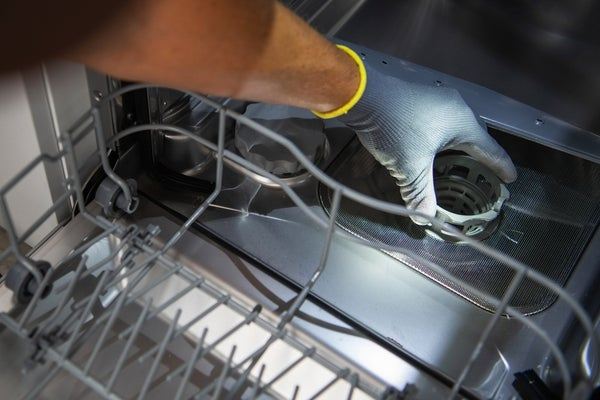
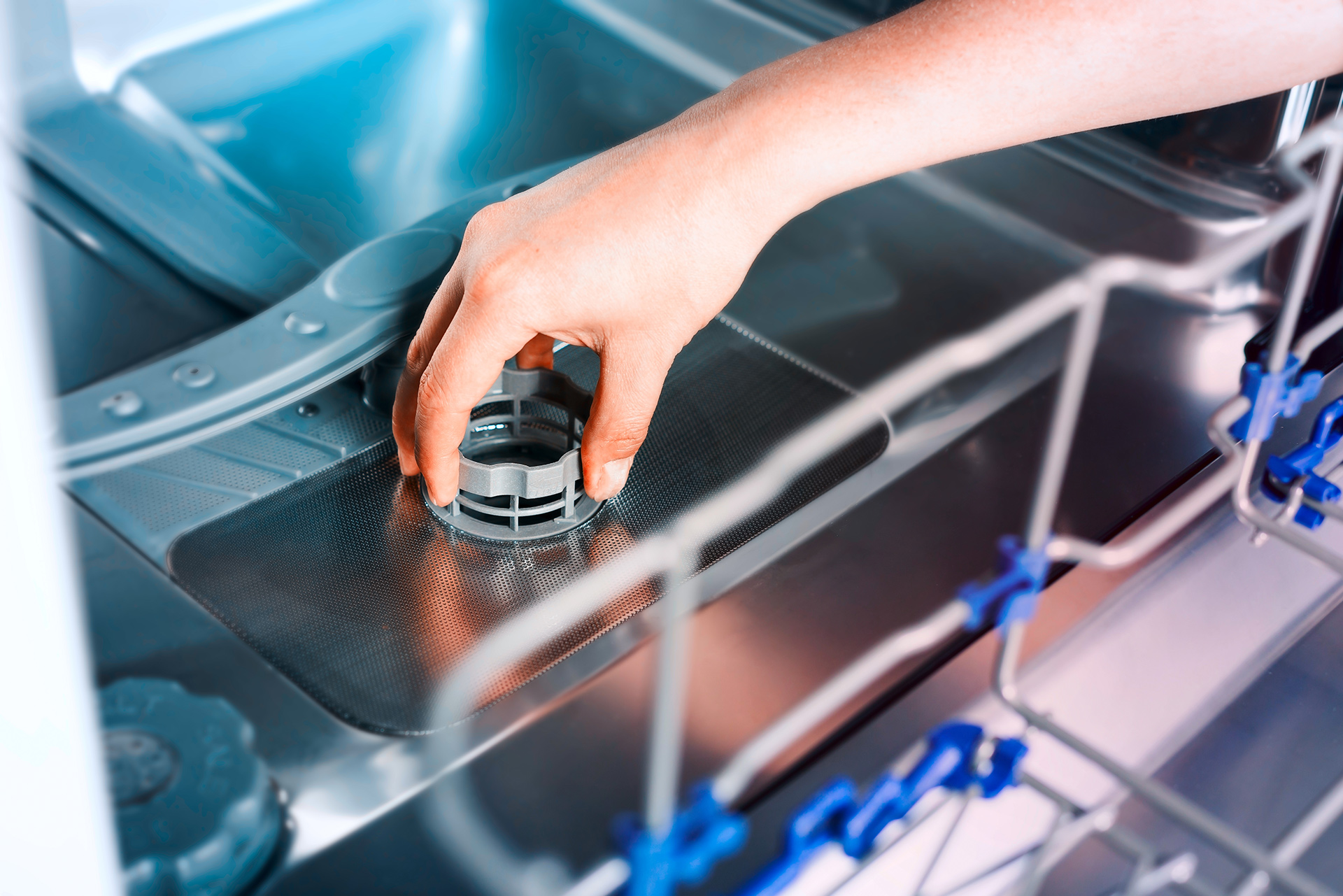
Start by inspecting the dishwasher filter to ensure optimal performance. Carefully remove any debris or food particles clogging it. Clean the filter using warm water and a soft brush for thorough maintenance.
Cleaning a clogged dishwasher can seem daunting, but by focusing on the filter, you’re tackling one of the most common culprits. The filter plays a crucial role in keeping your dishwasher running smoothly. Over time, it can become clogged with food particles and debris, affecting your appliance’s performance. To get your dishwasher back to its best, it’s essential to inspect and clean the filter regularly. Have you ever noticed your dishwasher not cleaning dishes as effectively as before? A clogged filter might be the reason. Let’s walk through the steps to check and clean it, so your dishwasher works like new again.Locate The Filter
First, you’ll need to find the filter, which is typically located at the bottom of your dishwasher. It’s often under the spray arm, so removing the lower rack can give you better access. Take a close look. Filters can vary depending on your dishwasher’s make and model. If you’re unsure, your dishwasher’s manual is a good friend. It will show you exactly where your filter is.Remove And Clean The Filter
Once you’ve located the filter, it’s time to remove it. Usually, you can twist or lift it out easily. Have you ever had a moment where you realized just how much grime can build up over time? This could be one of those times. After removing the filter, rinse it under warm water. Use a soft brush or an old toothbrush to scrub away any stubborn debris. Pay special attention to the edges and any mesh components. Before you replace the filter, take a moment to inspect the filter housing. Wipe it down to ensure there’s no gunk left behind. A clean filter and housing mean your dishwasher can tackle even the toughest loads. By giving your filter regular attention, you’ll keep your dishwasher running efficiently. Isn’t it satisfying to know a simple task can make such a big difference?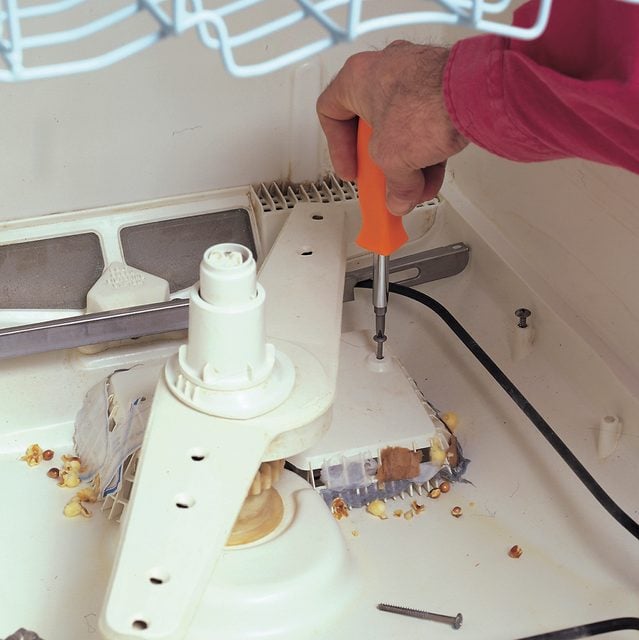
Credit: www.familyhandyman.com
Check And Clear The Spray Arms
Inspect and unclog the spray arms for better dishwasher performance. Remove any debris blocking the holes. Rinse thoroughly to ensure water flows freely.
Cleaning a clogged dishwasher can seem daunting, but starting with the spray arms can make a world of difference. The spray arms are the unsung heroes, ensuring that water reaches every corner of your dishes. Over time, they can become clogged with food particles, soap residue, and hard water deposits, hindering their efficiency. Let’s dive into how you can effectively check and clear them to get your dishwasher running smoothly again.Remove Debris From Spray Arms
Begin by carefully removing the spray arms from your dishwasher. Most models allow you to unscrew or gently lift them off. Once removed, inspect the holes and slots for any visible debris. This might include bits of food, mineral buildup, or even small objects that accidentally made their way in. Use a toothpick or a small brush to clear out each hole. A toothpick is particularly effective for dislodging stubborn bits without damaging the material. If you notice mineral deposits, soak the arms in a mixture of vinegar and warm water. This helps to dissolve the buildup, restoring the spray arms to their optimal condition. Don’t forget to rinse the spray arms thoroughly after cleaning. This ensures that no cleaning agents or dislodged debris remain. Remember, a clean spray arm means cleaner dishes and a more efficient dishwasher.Reinstall Spray Arms
Once your spray arms are free from debris, it’s time to reinstall them. Align them properly with the dishwasher’s fittings. Ensure they spin freely after reinstallation. This is crucial for the arms to distribute water evenly during the wash cycle. A quick test run without dishes can confirm everything is back in place. Listen for any unusual noises and watch for smooth rotation. If something seems off, double-check the alignment and connection. Have you ever faced a similar issue where a simple clean-up saved you from a costly repair? Taking a few minutes to address these small issues can extend the life of your appliance. Cleaning your dishwasher’s spray arms might just be the secret to maintaining sparkling clean dishes.Examine And Unblock The Drain Hose
Dishwashers can become clogged over time, affecting their efficiency. One common culprit is the drain hose. This vital component guides water out of the dishwasher. Blockages here can cause water to back up, leading to a messy situation. To restore your dishwasher’s function, examining and unblocking the drain hose is essential.
Detach The Drain Hose
First, disconnect your dishwasher from power. Safety comes first. Next, locate the drain hose. It connects the dishwasher to your home’s plumbing. Carefully detach the hose. You might need to loosen clamps or screws. Keep these handy for reattachment.
Clean The Hose And Connections
Once detached, check the hose for blockages. Debris and food particles often build up inside. Use a long brush or wire to clear the hose. Flush it with water to remove smaller particles. Also, clean the connection points thoroughly. Any dirt here can lead to future clogs.
Reattach the hose securely after cleaning. Ensure all clamps and screws are tight. This prevents leaks and ensures smooth drainage. Finally, power your dishwasher back on and run a test cycle. Your efforts should result in a clear, efficient drain hose.
Credit: www.finishdishwashing.com
Ensure Proper Air Gap Functionality
A clogged dishwasher can disrupt your daily routine. Ensuring proper air gap functionality is crucial for smooth operation. The air gap prevents dirty water from backing into clean dishes. It’s a simple device, but it can cause problems if blocked. Let’s dive into the steps to inspect and clear it.
Inspect The Air Gap
Start by locating the air gap on your sink. It’s usually a small fixture near the faucet. Remove the cap gently to inspect it. Look for any visible debris or food particles. A flashlight can help you see inside better. Make sure there are no obstructions. Even small blockages can cause issues.
Clear Any Blockages
If you find debris, it’s time to clear it. Use a thin brush or a pipe cleaner for this task. Gently insert the brush into the air gap tube. Twist and pull to dislodge any blockages. Rinse the air gap with water to remove loosened debris. Repeat the process if necessary. Ensure the tube is clear before replacing the cap.
Run A Test Cycle
Start by emptying the dishwasher. Remove any debris clogging the drain. Run a test cycle to check the flow. Clean the filter and spray arms for better performance. Ensure the water drains completely for a spotless finish.
Running a test cycle is a crucial step in ensuring your dishwasher is truly free of clogs. Imagine the feeling of relief when you hear the gentle hum of a well-functioning appliance, knowing your efforts have paid off. This step not only confirms the success of your cleaning efforts but also helps you spot any lingering issues. But how do you make sure everything is working smoothly? Let’s break it down.Monitor The Dishwasher
After initiating the test cycle, keep a close watch on the dishwasher’s performance. Listen for any unusual noises or disruptions that weren’t there before. Is the water draining effectively? A steady, uninterrupted flow is a good sign. Check the bottom of the dishwasher for any water pooling that could indicate a persistent blockage. Remember the first time you fixed something on your own? Embrace that same curiosity and attentiveness now.Verify Successful Cleaning
Once the cycle completes, open the door and take a look inside. Are the dishes clean and free of food particles? Check the filter and spray arms for any remaining debris. A clear and clean interior is a testament to your successful cleaning operation. If you find everything in order, you’ve not only solved a problem but also learned a valuable skill. Running a test cycle isn’t just about the dishwasher; it’s about you taking charge of your home maintenance. Are you ready to tackle other household challenges with the same confidence?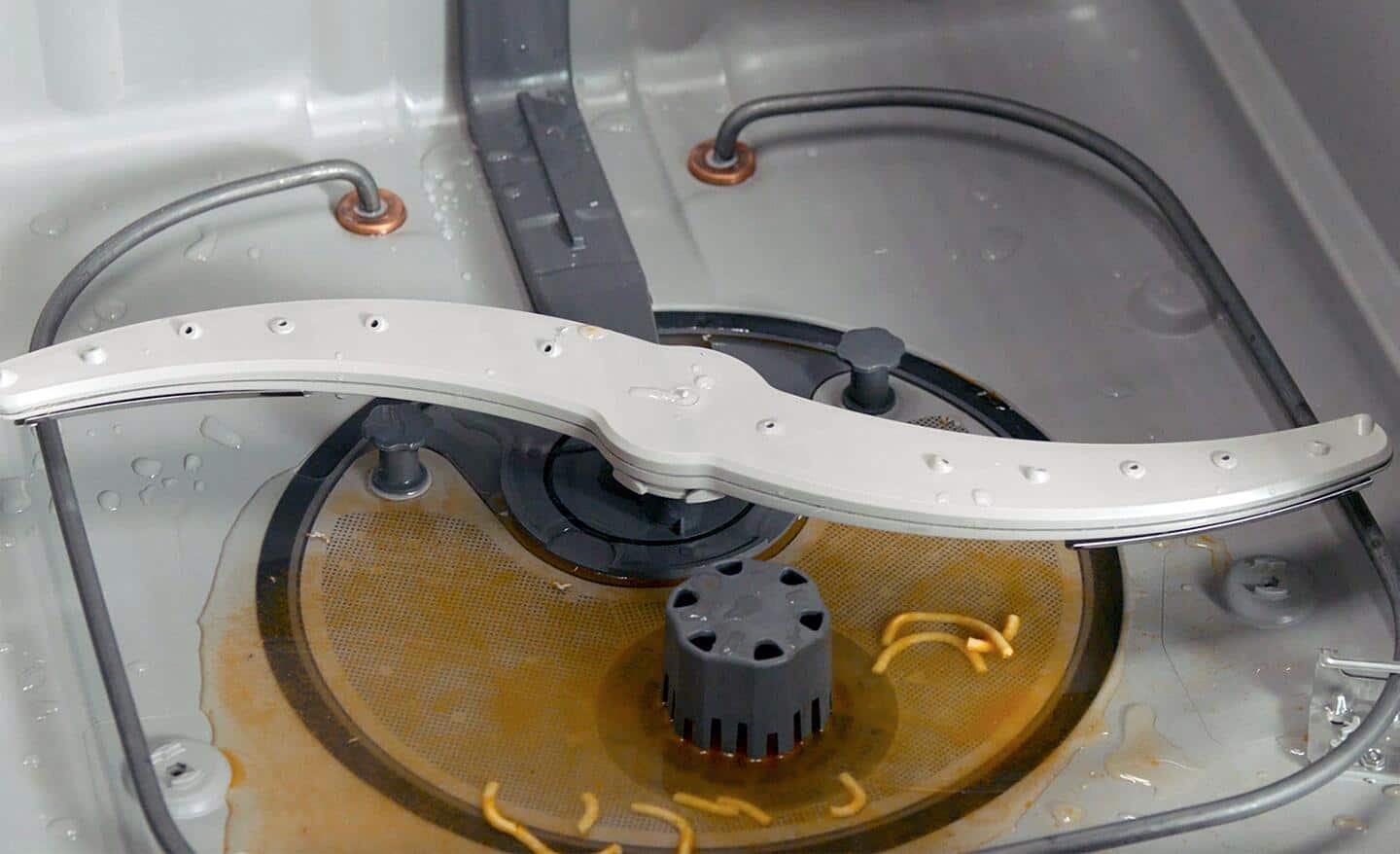
Credit: www.homedepot.com
Prevent Future Clogs
Cleaning a clogged dishwasher helps prevent future clogs. Regularly check and clean filters, spray arms, and drains to ensure smooth operation. Use vinegar and baking soda to remove residue and improve efficiency.
A clogged dishwasher can be a real headache, but did you know that preventing future clogs is easier than you might think? By adopting a few simple habits, you can keep your dishwasher running smoothly and avoid the hassle of dealing with blockages. Imagine never having to worry about a dishwasher full of dirty water again! Let’s dive into how you can make this a reality with some practical tips.Regular Maintenance Tips
Regular maintenance is the backbone of a healthy dishwasher. Start by cleaning the filter at least once a month. This helps to remove food particles that can cause clogs. Check the spray arms for blockages. Use a toothpick to clear any debris that might be stuck in the small holes. Inspect the rubber seals around the door. Wipe them down with a damp cloth to prevent mold and grime buildup.Best Practices For Use
How you use your dishwasher can make a big difference. Scrape off large food scraps before loading your dishes. This reduces the chance of clogs forming from leftover food. Avoid overloading the dishwasher. An overcrowded machine can’t clean effectively and might block water flow. Use the right amount of detergent. Too much soap can lead to residue build-up, which can cause clogs over time. Are you making sure your dishes are positioned correctly? Incorrect placement can block the spray arms, leading to inefficient cleaning and potential blockages. Take a moment to think about these practices. Are there habits you can change to extend the life of your dishwasher? Making a few adjustments now could save you a lot of time and effort in the future.Frequently Asked Questions
How Do I Clear My Dishwasher Blockage?
To clear a dishwasher blockage, first unplug it. Remove and clean the filter, spray arms, and drain hose. Check for food debris and clogs. Reassemble and test the dishwasher. Regular maintenance prevents future blockages.
Will Boiling Water Unclog The Dishwasher?
Boiling water can help unclog a dishwasher by dissolving grease and food particles. Pour boiling water directly into the dishwasher drain to clear minor blockages. Always check the manufacturer’s guidelines before attempting this method to avoid any potential damage to the appliance.
How Much Vinegar And Baking Soda Do I Use To Unclog A Dishwasher?
Use one cup of vinegar and half a cup of baking soda. Pour vinegar into the dishwasher’s bottom. Sprinkle baking soda over it. Run a short cycle to unclog. Ensure the dishwasher is empty before starting. This natural method helps remove buildup effectively.
Remember to check for any blockages first.
How To Clean A Dishwasher Drain Hose Without Removing It?
Pour a mixture of baking soda and vinegar down the dishwasher drain. Let it sit for 15 minutes. Flush with hot water to clear debris. Repeat if necessary for stubborn clogs. Regular cleaning keeps the dishwasher functioning efficiently.
Conclusion
A clean dishwasher makes kitchen chores easier and keeps your dishes spotless. Regular maintenance is key. Remove debris often. Check filters and spray arms. Use vinegar or baking soda for freshness. These simple steps save time and prevent costly repairs.
Your dishwasher will run smoothly and efficiently. Cleaner dishes, happier home. Share these tips with friends. Everyone deserves a clean dishwasher. Keep your kitchen in top shape with minimal effort. Enjoy hassle-free dishwashing and sparkling results. Always prioritize regular cleaning for long-lasting performance.
Your kitchen deserves the best care.

Hi, I’m Daniel Harper, a senior editor here at KitchenBucks.com. For over 10 years, I’ve been exploring kitchen gadgets and appliances to help people find tools that truly add value without breaking the bank. I love simplifying product choices so you can focus more on cooking and less on worrying about what to buy. When I’m not reviewing the latest gadgets, you’ll usually find me experimenting with coffee brewing or firing up the grill for a weekend barbecue.