

Imagine this: you’re about to prepare a delicious meal, but as you approach your cooktop range, you’re greeted by stubborn stains and grease spots. It’s not just a minor inconvenience; it can actually dampen your cooking enthusiasm.
If this sounds familiar, you’re not alone. Cleaning a cooktop range can seem daunting, but it doesn’t have to be. In fact, once you know the right steps, it can be surprisingly simple and satisfying. This guide is here to demystify the process and help you transform your cooktop into a sparkling clean centerpiece of your kitchen.
Get ready to discover easy-to-follow tips that will not only save you time but also make your cooking space more inviting. Dive in, and let’s make your cooktop shine like new!
Types Of Cooktop Ranges
Cooktop ranges are essential in any kitchen. They come in various types, each with unique features. Understanding these types helps in cleaning and maintaining them effectively.
Gas Cooktops
Gas cooktops are popular for their instant heat and precise control. They have burners where flames provide direct heat. Cleaning them requires careful attention to the grates and burners. Remove grates and soak them in warm, soapy water. Scrub with a non-abrasive brush to remove grease. For burners, ensure they’re cool before wiping them with a damp cloth. Check for food debris that might clog the burner holes.
Electric Cooktops
Electric cooktops offer a sleek and smooth surface. They often feature coil or smooth-top designs. For coil burners, remove and clean them with a damp cloth. Ensure you dry them completely before reattaching. For smooth tops, use a special cleaner to avoid scratches. A soft cloth or sponge works best for wiping away spills.
Induction Cooktops
Induction cooktops use magnetic fields to heat pots and pans directly. They have a smooth glass surface similar to electric cooktops. Cleaning involves using a non-abrasive cleaner to avoid damage. A gentle wipe with a microfiber cloth keeps the surface shiny and clean. Ensure no food residues remain, as they can harden and become difficult to remove.

Credit: www.searshomeservices.com
Essential Cleaning Tools
Cleaning a cooktop range requires basic tools like a soft sponge, mild detergent, and a microfiber cloth. Use a non-abrasive cleaner to remove stains and ensure a sparkling finish. Regular maintenance keeps your cooktop looking new and extends its life.
Cleaning your cooktop range can be a breeze when you have the right tools at your disposal. Imagine spending less time scrubbing and more time enjoying the meals you prepare. It’s all about choosing the correct tools that make the task not just easy but surprisingly enjoyable. What tools will transform your cleaning routine into a seamless experience?Cleaning Cloths
Cleaning cloths are a staple in any kitchen. They help you wipe away spills and stains effortlessly. Microfiber cloths are particularly effective, as they trap dirt and grime without scratching surfaces. Imagine you’re tackling a stubborn sauce spill; a damp microfiber cloth can make it disappear in seconds. Always have a few of these on hand for quick clean-ups.
Scrub Brushes
Scrub brushes are perfect for more stubborn messes. They offer a firm grip and strong bristles, ideal for removing baked-on food particles. Choose a brush with ergonomic handles for comfort during use. You might find that a good scrub brush saves your cooktop from looking worn out. Are you ready to banish those burnt-on stains with ease?
Non-abrasive Cleaners
Non-abrasive cleaners are essential for maintaining the shine of your cooktop range. These cleaners ensure you remove grime without damaging the surface. Look for products specifically designed for glass or ceramic cooktops. Have you considered switching to environmentally-friendly options? These can be just as effective while being gentle on your skin and the planet.
With these tools in your cleaning arsenal, your cooktop range will sparkle like new. Why not try incorporating them into your routine today?
Preparing For Cleaning
Gather supplies like a soft sponge, mild detergent, and a microfiber cloth. Remove grates and burner caps from the cooktop. Ensure the surface is cool before starting the cleaning process.
Preparing to clean your cooktop range is an essential first step. It ensures a thorough and safe cleaning process. Before diving into scrubbing, take a moment to organize your tools. Gather your cleaning supplies such as soft cloths, a gentle scrubber, and a suitable cleaner. This preparation will make the task smoother and more efficient.Safety Precautions
Safety comes first in any cleaning task. Make sure the cooktop is completely cool. This prevents burns and other accidents. Unplug electric cooktops to avoid electric shocks. For gas ranges, ensure the gas knobs are off. Wear gloves to protect your skin from cleaners. Ventilate the area by opening windows or turning on a fan. This helps disperse any fumes from cleaning products.Removing Detachable Parts
Start by taking off any removable parts. These include burner grates, knobs, and drip pans. This allows for a deeper clean of individual components. Place them in warm, soapy water for soaking. This loosens grime and makes it easier to scrub off. Use a soft brush to clean any stubborn spots. Rinse and dry thoroughly before reassembling.
Credit: www.youtube.com
Cleaning A Gas Cooktop
Cleaning a gas cooktop can seem like a daunting task. But with the right approach, it can be manageable and even satisfying. Regular cleaning keeps your cooktop efficient and extends its lifespan. Let’s dive into the steps for maintaining a spotless gas cooktop.
Cleaning Burners And Grates
Remove the burners and grates carefully. Place them in a sink filled with warm, soapy water. Allow them to soak for at least 15 minutes. This helps loosen stubborn grime. Use a scrub brush to clean any residue. Rinse thoroughly with clean water. Dry them completely before reassembling.
Wiping Down The Surface
Wipe down the surface with a damp cloth. Use a gentle cleaner suitable for your cooktop material. Avoid abrasive pads that might scratch. For stubborn stains, apply a paste of baking soda and water. Let it sit for a few minutes, then wipe with a damp cloth. Finish by drying the surface with a clean towel.
Cleaning An Electric Cooktop
Cleaning an electric cooktop might seem challenging, but it’s quite simple. Keeping your cooktop pristine not only makes it shine but also prolongs its life. Let’s dive into some easy steps to maintain your electric cooktop.
Removing Spills And Stains
Start by turning off the cooktop and letting it cool. Use a soft, damp cloth to wipe away loose debris. For stubborn stains, create a paste using baking soda and water. Apply it to the affected area. Let it sit for a few minutes. Gently scrub with a soft sponge. Avoid using abrasive materials. Rinse the area with a clean, damp cloth. Dry the surface with a soft towel.
Polishing The Surface
Once clean, you can polish the cooktop. Use a small amount of white vinegar on a cloth. Gently buff the surface to remove streaks. This enhances shine and leaves a protective layer. For an extra shine, use a specialized cooktop cleaner. Apply it with a microfiber cloth. Buff in circular motions for the best results. Regular polishing keeps your cooktop looking like new.
Cleaning An Induction Cooktop
Maintaining a clean induction cooktop enhances its efficiency and longevity. Wipe spills immediately with a soft, damp cloth. For stubborn stains, use a mixture of mild detergent and warm water, followed by a gentle scrub with a non-abrasive pad. Regular cleaning keeps your cooktop looking pristine and functioning smoothly.
Cleaning an induction cooktop can be a straightforward task. These cooktops offer a sleek design and quick heating capabilities. However, they require special care to maintain their appearance. Regular cleaning keeps your cooktop looking new and functioning efficiently. Here’s how to ensure your induction cooktop remains spotless and shiny.Dealing With Burnt Residue
Burnt residue can be a common issue. Start by letting the cooktop cool completely. Use a damp cloth to gently wipe away loose debris. For stubborn spots, apply a cooktop cleaner. Let it sit for a few minutes. Gently scrub with a non-abrasive pad. Avoid using metal scrapers that can scratch the surface. Rinse the area with a clean, damp cloth. Dry with a soft towel to prevent streaks.Maintaining The Shine
Keeping the surface shiny enhances its appearance. Use a special glass cleaner for induction cooktops. Spray a small amount onto the surface. Wipe with a microfiber cloth in circular motions. This helps to prevent streaks and maintains the glossy finish. Regular cleaning after each use prevents buildup. It also keeps your cooktop looking new and polished.Tips For Daily Maintenance
Keeping your cooktop range spotless doesn’t have to be a daunting task. With a little daily maintenance, you can extend its lifespan and ensure it stays looking brand new. By dedicating just a few minutes each day, you can prevent stubborn stains and grease build-up, making those deep cleaning sessions much easier. Here are some practical tips to incorporate into your daily routine.
Quick Wipe Downs
After each cooking session, give your cooktop a quick wipe down. Use a damp microfiber cloth to capture loose crumbs and spills. This quick action prevents grime from sticking and makes your cooktop shine.
For stubborn spots, a splash of water mixed with a drop of dish soap works wonders. Gently scrub the area and wipe it clean. Remember, the sooner you tackle the spills, the easier they are to remove.
Consider keeping a small spray bottle of water and vinegar mix nearby. It’s a natural, effective cleaner that helps tackle grease without harsh chemicals. Do you already have a favorite cleaning solution?
Regular Deep Cleaning
Even with daily wipe downs, a regular deep clean is essential. Schedule this task weekly or bi-weekly, depending on your cooking frequency. Start by removing any removable parts like grates or knobs and soak them in warm soapy water.
While these parts soak, focus on the cooktop surface. Use a non-abrasive cleaner or baking soda paste for any burnt-on residue. Spread the paste, let it sit for a few minutes, then scrub gently.
Rinse the surface thoroughly with a clean damp cloth to avoid streaks. Finish by drying with a soft towel. Regular deep cleaning not only maintains your cooktop’s appearance but also ensures it functions optimally. How often do you deep clean your cooktop range?
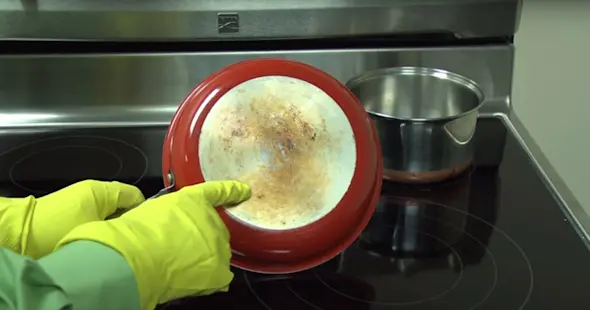
Credit: www.searspartsdirect.com
Common Mistakes To Avoid
Skipping the manufacturer’s instructions can lead to damage. Using abrasive cleaners may scratch surfaces. Always ensure the cooktop is cool before cleaning to avoid burns.
Cleaning a cooktop range might seem straightforward, but many of us make common mistakes that can lead to damage or ineffective cleaning. It’s easy to overlook certain practices that are essential for keeping your cooktop in top shape. Let’s dive into some of these pitfalls and learn how to avoid them.Using Harsh Chemicals
You might think that stronger chemicals will clean better, but they can actually harm your cooktop. Harsh chemicals can damage the finish, leaving your cooktop looking dull and scratched. Instead, opt for gentle cleaners specifically designed for kitchen surfaces. These are effective yet safe, ensuring your cooktop retains its shine and functionality. Consider using natural alternatives like vinegar and baking soda for a safer cleaning option. They are not only gentle but also effective in cutting through grease and grime. Have you ever tried them?Neglecting Regular Cleaning
It’s easy to put off cleaning your cooktop until it becomes visibly dirty, but this can lead to bigger problems. Grease and food particles build up over time, making it harder to clean. Regular cleaning prevents this accumulation, saving you time and effort in the long run. Try setting a routine; a quick wipe down after each use can make a huge difference. You’ll be surprised at how much easier it is to maintain your cooktop when you clean it regularly. How often do you clean your cooktop range?Frequently Asked Questions
What’s The Best Way To Clean A Cooktop Stove?
Clean a cooktop stove using a soft cloth, mild detergent, and warm water. Avoid abrasive pads. Rinse and dry thoroughly. For tough stains, use baking soda paste. Regular maintenance prevents buildup.
How Do I Clean The Cast Iron Grates On A Gas Range?
Remove grates from the gas range. Soak them in warm, soapy water for 15 minutes. Scrub with a non-abrasive brush. Rinse and dry thoroughly. Use baking soda paste for stubborn stains. Apply a thin layer of vegetable oil to prevent rust.
Reinstall grates once completely dry.
How Do You Clean A Black Stove Top?
Begin by removing burners and grates. Use a mix of vinegar and water to wipe the surface. Scrub stubborn stains with baking soda. Rinse and dry with a soft cloth. Avoid abrasive cleaners to prevent damage.
How To Clean Burnt Stuff Off A Glass Cooktop?
Clean burnt residue using a paste of baking soda and water. Scrub gently with a soft sponge. Use vinegar to rinse. Dry with a microfiber cloth to avoid streaks. Avoid abrasive cleaners and tools to prevent scratches on the glass surface.
Regular cleaning keeps your cooktop looking new.
Conclusion
Cleaning your cooktop range is simple with the right steps. Regular maintenance keeps it looking new and working well. Use gentle cleaners and soft cloths to avoid scratches. Wipe spills immediately to prevent stains. Pay attention to knobs and burners.
These parts need cleaning too. A clean cooktop enhances kitchen hygiene. It makes cooking more enjoyable. Follow these tips for a spotless range. You’ll love the gleam. And your cooktop will thank you. Make cleaning a routine. Enjoy a cleaner kitchen every day.

Hi, I’m Daniel Harper, a senior editor here at KitchenBucks.com. For over 10 years, I’ve been exploring kitchen gadgets and appliances to help people find tools that truly add value without breaking the bank. I love simplifying product choices so you can focus more on cooking and less on worrying about what to buy. When I’m not reviewing the latest gadgets, you’ll usually find me experimenting with coffee brewing or firing up the grill for a weekend barbecue.