
Is your dishwasher leaving your dishes less than spotless? The culprit might be lurking in a place you rarely think about: the drain hose.
Over time, debris and grime can build up, causing clogs and preventing your dishwasher from doing its job. But don’t worry, tackling this problem is easier than you might think. By learning how to clean your dishwasher drain hose, you can restore your appliance to its peak performance, saving you from the frustration of rewashing dishes or, worse, costly repairs.
Imagine the satisfaction of sparkling dishes with every cycle, knowing you’ve solved the problem yourself. Ready to get your dishwasher back in top shape? Let’s dive into the simple steps that will have your appliance running like new in no time.
Gather Necessary Supplies
Cleaning your dishwasher drain hose can be simple. It requires the right supplies. Gathering these items beforehand ensures a smooth process. You avoid unnecessary interruptions. Let’s dive into the supplies you’ll need.
1. Screwdriver
A screwdriver is essential for this task. It helps remove the dishwasher panel. Choose the right type for your screws. A Phillips or flathead might be needed.
2. Bucket Or Large Bowl
A bucket or large bowl catches any water spills. This prevents a mess on your kitchen floor. Ensure it’s large enough to hold excess water.
3. Towels Or Rags
Have some towels or rags ready. They help with drying any spilled water. Use them to wipe down surfaces too.
4. Cleaning Brush
A cleaning brush is useful for scrubbing. It helps remove any stubborn debris. Choose a brush with stiff bristles for best results.
5. Vinegar Or Baking Soda
Vinegar or baking soda are natural cleaning agents. They help break down grime and odors. Use them to ensure a clean drain hose.
6. Rubber Gloves
Wear rubber gloves to protect your hands. They keep them safe from grime and cleaning agents. Choose a comfortable, durable pair.
7. Flashlight
A flashlight is handy for seeing inside the hose. It helps spot any blockages or build-up. A small, portable flashlight works best.
Safety Precautions
Ensure safety by unplugging the dishwasher before cleaning the drain hose. Wear gloves to protect your hands from debris and sharp edges. Gently remove the hose to avoid damaging connections.
Cleaning your dishwasher drain hose is crucial for maintaining its efficiency and longevity. However, it’s essential to prioritize safety while doing so. Ensuring you take the right precautions can prevent accidents and damage to your appliance. Before you start, take a moment to consider these safety measures. They might seem simple, but they can make a significant difference in keeping you safe and your dishwasher running smoothly.Unplug The Dishwasher
Always start by unplugging the dishwasher. This simple step can prevent electrical shocks. Never assume it’s safe just because the machine is off. Double-check that the power source is disconnected before you proceed.Turn Off The Water Supply
Locate the water supply valve and turn it off. This will prevent any unexpected water flow. It’s a straightforward action, but it can save you from a messy cleanup.Wear Protective Gear
Put on rubber gloves and safety goggles. Gloves will protect your hands from sharp edges or cleaning chemicals. Goggles ensure your eyes are safe from splashes or debris.Have A Towel Handy
Place a towel under the dishwasher before disconnecting the hose. This will catch any water that might leak out. It’s a simple way to keep your kitchen floor dry and safe.Use The Right Tools
Ensure you have the correct tools, like a screwdriver and pliers, on hand. Using the right tools minimizes the risk of damaging the hose or dishwasher parts. It also makes the job quicker and more efficient.Check For Obstructions Carefully
When examining the drain hose, be cautious not to force out any obstructions. If you encounter resistance, gently wiggle the hose to dislodge debris. Forcing it could cause damage or break the hose. Cleaning your dishwasher drain hose might not be your idea of fun, but approaching it safely is non-negotiable. Have you ever skipped a safety step and regretted it? Remember, taking a few extra minutes to follow these precautions can save you time and hassle in the long run. Your dishwasher, and your peace of mind, will thank you.Locate The Drain Hose
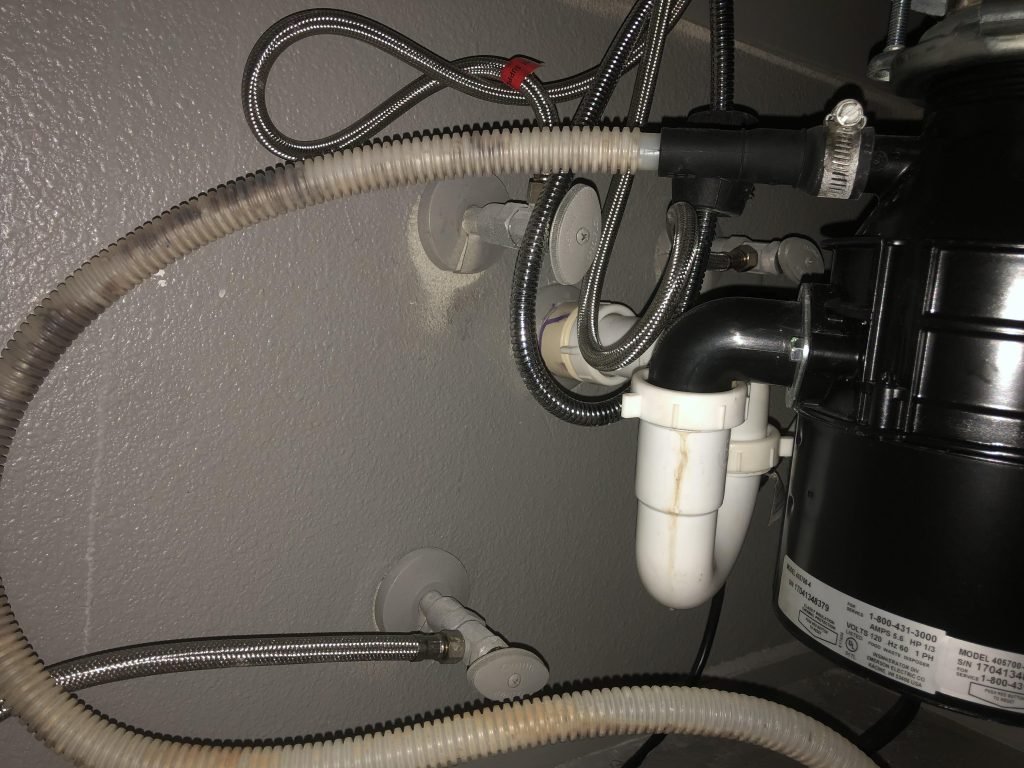
Start by locating the dishwasher drain hose. It’s usually connected to the sink or garbage disposal. A flashlight can help spot it under the sink.
Cleaning your dishwasher drain hose might sound like a daunting task, but it can significantly improve your appliance’s performance. The first step in this process is locating the drain hose. This might seem straightforward, but it can be a bit tricky if you’re not sure where to look. Once you’ve found it, you’ll be well on your way to a cleaner, more efficient dishwasher. Remember the time you tried to find your lost keys in a hurry? Locating the drain hose can feel similar, but with a bit of guidance, you can tackle it like a pro.Check The Dishwasher Manual
Your dishwasher manual is a treasure trove of information. It usually contains diagrams that can help you identify where the drain hose is located. If you’ve misplaced the manual, you can often find a digital version on the manufacturer’s website.Look Under The Sink
In most cases, the drain hose is connected to the sink’s plumbing under your kitchen sink. Carefully open the cabinet doors and inspect the pipes. The drain hose is typically a flexible tube, often connected to the garbage disposal or the sink drain.Inspect The Back Of The Dishwasher
Some dishwashers have the drain hose attached at the back of the appliance. You might need to carefully pull the dishwasher away from the wall to get a better view. Ensure you have enough space to safely move the appliance without damaging the floor or any connections.Identify The Hose By Its Material
Drain hoses are typically made of a durable plastic or rubber. They are usually corrugated to allow flexibility. If you’re unsure which tube is the drain hose, look for the one that matches this description.Ask Yourself: Is It Time For A Replacement?
While you’re locating the drain hose, take a moment to inspect its condition. Is it cracked or showing signs of wear? If so, it might be time to replace it. Doing this now can save you trouble down the road, preventing leaks and ensuring your dishwasher runs smoothly. By successfully locating the drain hose, you’ve taken the first step in maintaining your dishwasher’s efficiency. With this knowledge, you’re ready to tackle the cleaning and ensure your appliance stays in top shape. What other hidden parts of your home could use a little attention today?
Credit: www.reddit.com
Disconnect The Hose
Cleaning a dishwasher drain hose is crucial for its efficiency. The first step? Disconnecting the hose. This task might sound intimidating, but it’s quite simple. Follow the steps to ensure a smooth process.
1. Gather Your Tools
Before starting, gather necessary tools. A screwdriver and pliers should suffice. Having them ready makes the process seamless.
2. Turn Off The Power
Safety first. Disconnect the dishwasher’s power supply. This prevents electrical accidents. Ensure the dishwasher is completely off.
3. Locate The Drain Hose
The drain hose is usually at the back. Check your dishwasher’s manual for guidance. Identifying the hose is crucial before proceeding.
4. Loosen The Hose Clamp
Use pliers to loosen the hose clamp. It’s a metal or plastic ring securing the hose. Gently twist until it’s loose enough to move.
5. Carefully Remove The Hose
Gently pull the hose from its connection. Be cautious to avoid damage. Slow and steady wins the race here.
6. Check For Blockages
Look inside the hose for debris. A flashlight helps spot blockages. Removing these will improve dishwasher performance.
With the hose disconnected, cleaning becomes much easier. Follow these steps for a hassle-free process. Your dishwasher will thank you.
Inspect For Blockages
Ensuring your dishwasher functions optimally starts with inspecting the drain hose. Blockages can disrupt the cleaning process, leaving dishes dirty. Regular inspection helps maintain efficiency and prevents costly repairs.
Check For Visible Blockages
First, examine the hose for visible obstructions. Look for clumps of food or debris. These can cause water to back up, affecting performance.
Remove The Hose
Disconnect the hose from the dishwasher. This allows easier access for inspection. Handle the hose carefully to avoid damage.
Use A Flashlight
Shine a flashlight into the hose. This will help spot clogs deep inside. Ensure the light reaches the entire length of the hose.
Probe The Hose
Use a flexible wire or pipe cleaner. Gently insert it into the hose to dislodge blockages. Avoid using sharp objects that could puncture the hose.
Flush With Water
Run water through the hose. This helps clear remaining debris. Hold the hose upright to ensure water flows freely.
Inspect Connections
Check the hose connections at both ends. Ensure they are secure and free of debris. Loose connections can lead to leaks.

Credit: www.wikihow.com
Clean The Hose
Cleaning the dishwasher drain hose is crucial for proper function. A clean hose prevents clogs and ensures efficient drainage. It also helps avoid foul odors. Regular maintenance keeps your dishwasher performing at its best.
Use Vinegar And Baking Soda
First, remove the dishwasher’s bottom rack. This will give you better access. Next, locate the drain hose at the back. Carefully disconnect it from the dishwasher. Mix one cup of vinegar with half a cup of baking soda. Pour the mixture into the hose. This helps break down grime and debris. Let it sit for 15 minutes. The mixture will fizz and bubble. This is normal and aids in cleaning.
Flush With Water
After letting the mixture sit, it’s time to flush the hose. Reattach the hose to the dishwasher. Use a jug or garden hose to flush with water. Ensure the water runs through the hose smoothly. This step removes any remaining residue. Check for any leaks after reattaching the hose. Finally, run a short dishwasher cycle to ensure everything works well. Your hose should now be clear and clean.
Reconnect The Hose
Reconnecting the dishwasher drain hose is a crucial step. After cleaning, this ensures your dishwasher functions properly. A secure connection prevents leaks and maintains efficiency. Follow these steps to reconnect the hose correctly.
Step 1: Align The Hose With The Dishwasher Inlet
Ensure the hose is properly aligned with the dishwasher’s inlet. This alignment is essential for a secure fit. Misalignment can cause leaks and operational issues.
Step 2: Secure The Hose With A Clamp
Use a hose clamp to secure the connection. Place the clamp over the hose and dishwasher inlet. Tighten it with a screwdriver, ensuring a snug fit. A loose clamp can lead to water leaks.
Step 3: Double-check For A Tight Connection
Pull gently on the hose to test the connection. There should be no movement. A tight connection ensures no leaks during operation.
Step 4: Test The Dishwasher
Run a short cycle to check the connection. Observe the area around the hose for leaks. Address any issues immediately for optimal performance.
By following these steps, your dishwasher drain hose will be securely reconnected. Enjoy a hassle-free dishwashing experience.

Credit: diy.stackexchange.com
Test The Dishwasher
Testing the dishwasher is essential after cleaning the drain hose. This step ensures everything works properly and prevents future issues. It’s a simple process but crucial for maintaining your appliance’s efficiency.
Check For Leaks
Start by checking for leaks around the dishwasher. Run a short cycle and observe the area. Look for water seeping out. Leaks indicate improper hose connection or damage. Address leaks immediately to avoid further complications.
Listen For Unusual Sounds
Listen for unusual sounds during the cycle. Grinding or whining noises suggest problems with the drain hose. These sounds may indicate obstructions or improper installation. Pay attention to these auditory cues for potential issues.
Evaluate The Drainage
Evaluate the drainage performance of the dishwasher. Ensure water exits smoothly without pooling. Slow drainage suggests a clog or improper hose attachment. Verify the hose is securely attached and clear of debris.
Inspect The Cleanliness
Inspect the cleanliness of dishes post-cycle. Residual food particles or soap scum signal drainage issues. Properly functioning hoses result in clean, residue-free dishes. Adjust the hose if cleanliness problems persist.
Monitor The Cycle Duration
Monitor the cycle duration closely. Longer cycles may indicate drainage problems. Efficient drainage reduces cycle time significantly. Ensure the hose is correctly aligned for optimal performance.
Observe The Water Level
Observe the water level in the dishwasher. Excessive water suggests drainage issues. Properly functioning hoses maintain an appropriate water level. Adjust the hose if excess water remains post-cycle.
Maintenance Tips
Keeping your dishwasher in top condition ensures longevity and efficiency. Regular maintenance prevents clogs and keeps your dishes sparkling clean. One essential part of this process is cleaning the dishwasher drain hose. It plays a crucial role in removing dirty water. Neglecting it can lead to unpleasant odors and reduced performance. These maintenance tips will help keep your dishwasher drain hose clean and functional.
Check For Blockages
Look for any obvious blockages in the hose. Food particles and debris may accumulate over time. Use a flashlight to inspect the hose thoroughly. Remove any visible obstructions with a small brush. This simple check can prevent major issues.
Regular Cleaning Schedule
Establish a routine for cleaning the drain hose. Monthly checks keep the hose free from buildup. Use a mixture of vinegar and hot water. This solution helps break down residue effectively. Pour it through the hose to flush it out.
Inspect Hose Connections
Ensure all connections are secure. Loose connections can lead to leaks or poor drainage. Tighten any loose clamps or screws. A secure hose keeps your dishwasher running smoothly.
Replace Worn-out Parts
Check the hose for signs of wear and tear. Cracks or bends indicate the hose needs replacement. Use the same type of hose for best results. Replace old hoses promptly to maintain efficient drainage.
Professional Assistance
Sometimes, a professional touch is necessary. If the hose is damaged or heavily clogged, call an expert. They have the tools and expertise to fix serious issues. Regular professional checks can prevent costly repairs.
Frequently Asked Questions
How Do You Get Gunk Out Of A Dishwasher Hose?
Disconnect the dishwasher hose and soak it in a vinegar and baking soda solution for 15 minutes. Use a flexible brush to scrub away remaining gunk. Rinse thoroughly with water before reconnecting to ensure optimal performance. Regular cleaning helps maintain the dishwasher’s efficiency and prevent clogs.
How To Clean A Smelly Dishwasher Drain Hose?
Disconnect the dishwasher and remove the drain hose. Rinse it with hot water and vinegar to eliminate odors. Use a brush to scrub inside the hose for thorough cleaning. Reattach the hose securely before reconnecting the dishwasher. Regular maintenance prevents future smells and ensures efficient performance.
How Do You Unblock A Dishwasher Drain Hose?
Disconnect the dishwasher and remove the drain hose. Use a wire hanger or plumbing snake to clear obstructions. Flush with hot water to remove any remaining debris. Reattach the hose securely, ensuring no kinks. Test the dishwasher to confirm the drain works properly.
How To Clear A Clogged Washer Drain Hose?
Disconnect the washer and locate the drain hose. Remove any visible debris, then use a plumber’s snake to clear the blockage. Reattach the hose securely, ensuring no kinks. Test by running a cycle with water to verify the clog is gone.
Regular cleaning prevents future clogs.
Conclusion
Cleaning a dishwasher drain hose is simple. Regular maintenance prevents clogs and odors. Keep your kitchen clean and fresh. Follow the steps outlined for best results. Disconnect the hose carefully. Use vinegar and baking soda for deep cleaning. Reattach securely and test the dishwasher.
Enjoy efficient and odor-free performance. A clean hose extends the dishwasher’s life. Save time and money on repairs. Make this a routine part of your kitchen care. Your dishwasher deserves attention. Happy cleaning!
