
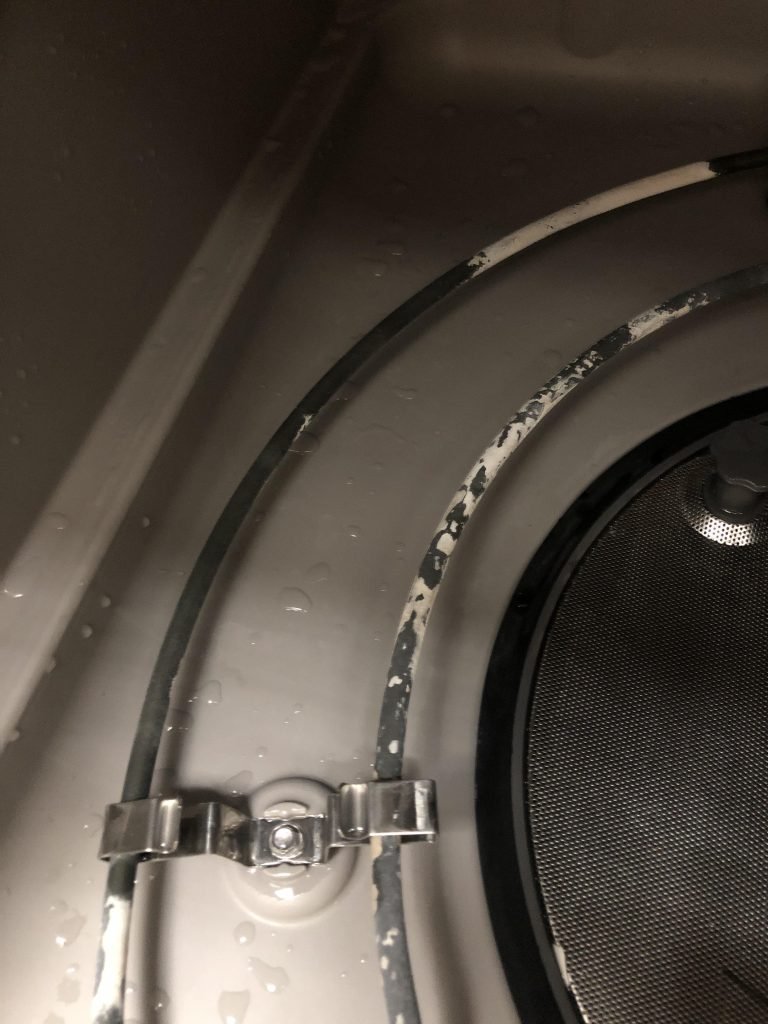
Ever wondered why your dishwasher isn’t working as efficiently as it used to? You might be surprised to learn that the culprit could be a dirty heating element.
This small yet crucial component can drastically affect how well your dishwasher cleans your dishes. If you’re tired of pulling out plates that are still grimy or glasses that aren’t sparkling, it might be time to give your dishwasher’s heating element some much-needed attention.
Cleaning it isn’t as daunting as it sounds, and it can make a world of difference in your dishwasher’s performance. Stick around to discover the simple steps to restore your appliance to its optimal condition, and reclaim your sparkling kitchenware without the hassle.
Credit: www.youtube.com
Why Clean The Heating Element?
Cleaning the dishwasher heating element ensures efficient performance and prevents residue buildup. It helps maintain proper water temperature, leading to cleaner dishes. Regular maintenance extends the lifespan of the appliance, saving you money on repairs.
Cleaning your dishwasher’s heating element might not be on your regular to-do list, but it should be. You might wonder why this small component deserves your attention. The answer is simple: efficiency and longevity. A clean heating element ensures your dishwasher performs at its best, providing spotless dishes every time. Ignoring it can lead to unexpected surprises, like half-clean plates or even damage to your appliance. Imagine planning a dinner party only to realize your dishwasher isn’t working properly.Why Does The Heating Element Matter?
The heating element is crucial for drying your dishes. A dirty one might struggle to reach optimal temperatures, leaving you with damp dishware. Cleaning it ensures the element heats efficiently, reducing drying time and energy consumption.Signs Your Heating Element Needs Cleaning
Have you noticed spots or film on your dishes? That’s a red flag. Another sign is if your dishwasher takes longer than usual to complete a cycle. Both of these could indicate a dirty heating element.Prevent Damage To Your Dishwasher
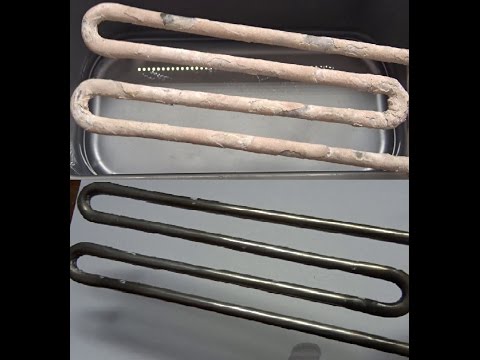
Neglecting the heating element can lead to corrosion. If mineral deposits build up, they can eat away at the element, eventually causing it to fail. Regular cleaning prevents this costly damage, saving you money in the long run.Boost Your Dishwasher’s Performance
A clean heating element enhances your dishwasher’s performance. You’ll notice a difference in the drying quality and cycle efficiency. Keeping it clean means your appliance works as it should, giving you peace of mind.How Often Should You Clean It?
You might be asking yourself, “How often should I clean the heating element?” A good rule of thumb is every few months, especially if you live in a hard water area. Regular maintenance keeps your dishwasher in top shape. Have you ever tackled cleaning your dishwasher’s heating element? If not, now is the perfect time to start. It’s a simple task that can make a big difference in your kitchen routine.Signs Of A Dirty Heating Element
Is your dishwasher not performing as it should? A dirty heating element could be the culprit. This essential component heats water during cycles, ensuring dishes are spotless. Recognizing the signs of a dirty heating element can save you time and effort in dishwashing.
1. Unclean DishesAre your dishes coming out grimy? A dirty heating element may not heat water enough. Without proper heat, dishes won’t be thoroughly cleaned.
2. White Spots on GlasswareNotice white spots on glasses? These spots often mean hard water isn’t being properly heated. The heating element might be too dirty to function correctly.
3. Lingering OdorsSmell something unpleasant from the dishwasher? A dirty heating element can cause leftover food particles to stick around, leading to bad odors.
4. Longer Cycle TimesAre cycles taking longer than usual? A dirty heating element may not heat water fast enough. Longer cycles could be a sign of this issue.
5. Increased Energy BillsNotice a spike in energy costs? When the heating element struggles, the dishwasher uses more energy. This can lead to higher bills.
Safety Precautions
Cleaning a dishwasher heating element requires careful attention. Ensure the appliance is unplugged to avoid electric shocks. Use gloves and a soft brush to gently remove debris, ensuring safety throughout the process.
Cleaning your dishwasher’s heating element is crucial for maintaining its efficiency. But before diving into the cleaning process, prioritizing safety is key. Handling electrical appliances requires a cautious approach to prevent accidents and ensure a smooth maintenance experience. Let’s explore some essential safety precautions to keep you safe while cleaning your dishwasher’s heating element.Unplug The Dishwasher
Always start by unplugging your dishwasher from the power source. This simple step prevents electric shock and ensures your safety. If your dishwasher is hardwired, switch off the circuit breaker that controls its power.Turn Off The Water Supply
Locate the water supply valve connected to your dishwasher and turn it off. This prevents any accidental water leaks during the cleaning process. It also helps avoid flooding your kitchen floor.Wear Protective Gear
Put on a pair of rubber gloves to protect your hands from sharp edges or any cleaning chemicals you might use. Safety goggles are a good idea if you’re using sprays or cleaning solutions that might splash.Let The Dishwasher Cool Down
If your dishwasher has been recently used, let it cool down before you start cleaning. The heating element can remain hot for a while after use. Give it time to reach a safe temperature to avoid burns.Read The Manufacturer’s Manual
Before beginning, skim through the manufacturer’s manual for any specific instructions regarding cleaning and safety. Some dishwashers have unique features or requirements that you should be aware of.Use The Right Tools
Gather the necessary tools like a screwdriver, soft brush, or cloth. Ensure they’re in good condition to avoid damaging the heating element. Using the right tools makes the cleaning process more efficient and reduces the risk of accidents.Work In A Well-lit Area
Ensure your working area is well-lit. Good lighting helps you see what you’re doing and prevents mishaps. It also allows you to spot any grime or debris you might otherwise miss. Taking these safety precautions not only protects you but also ensures your dishwasher remains in top condition. Have you ever considered how a simple safety step could save you from potential hazards? Prioritize safety, and enjoy the peace of mind that comes with a job well done.Gathering Necessary Tools
Cleaning your dishwasher heating element can improve its efficiency. Before you start, gather all the necessary tools. This ensures a smooth and quick cleaning process. Having everything ready saves time and effort.
1. Screwdriver
A screwdriver is essential for accessing the heating element. Dishwashers have different screw types. Check your dishwasher manual. Use the right screwdriver to avoid damage.
2. Soft Brush
A soft brush helps remove dirt from the heating element. It cleans without scratching the surface. A toothbrush can be a great alternative.
3. White Vinegar
White vinegar is a natural cleaner. It dissolves mineral deposits and soap scum. Use it to wipe the heating element gently.
4. Microfiber Cloth
A microfiber cloth is perfect for drying. It absorbs water without leaving lint. This ensures a spotless finish.
5. Protective Gloves
Protective gloves keep your hands safe. They protect against sharp edges and cleaning agents. Choose gloves that fit well.
6. Flashlight
A flashlight helps you see better inside the dishwasher. It illuminates dark areas around the heating element. A small, handheld flashlight works best.
7. Cleaning Solution
A mild cleaning solution aids in removing tough stains. Ensure it’s safe for dishwasher use. Follow the instructions on the label.
Removing The Heating Element
Carefully disconnect the power to remove the dishwasher’s heating element. Unscrew the connectors gently. Slide out the element to clean it thoroughly.
Cleaning your dishwasher’s heating element might seem like a daunting task, but it’s a necessary part of maintaining your appliance’s efficiency. A clean heating element ensures your dishwasher heats water effectively, leading to cleaner dishes. Removing the heating element is a straightforward process if you follow some simple steps. Let’s dive into how you can safely remove the heating element from your dishwasher.Unplugging The Dishwasher
Safety should always come first. Before you start, ensure your dishwasher is completely unplugged from the electrical outlet. Pull the plug gently and make sure it’s away from any water sources. Do you remember the last time you unplugged your toaster before cleaning it? The same principle applies here. It’s a simple step but crucial in preventing any electrical mishaps. Trust me, it’s better to be safe than sorry.Accessing The Element
Now that your dishwasher is unplugged, it’s time to access the heating element. Open the dishwasher door and remove the bottom rack for easier access. Carefully examine the base of the dishwasher. The heating element is usually visible as a long, thin rod at the bottom. Have you ever noticed how easy it is to overlook this part of the appliance? Focus your attention there, and you’ll spot it in no time. Unscrew any brackets or clips holding the element in place using a screwdriver. Keep these screws in a safe spot. You don’t want to lose them! Once you’ve removed the screws, gently lift the element. It should come out without much resistance. Ever wondered how often you should clean this? Regular maintenance can significantly extend the lifespan of your appliance. Have you considered how a simple cleaning task can lead to a more efficient dishwasher? This might be the key to fewer cycles and cleaner dishes. With the heating element out, you can proceed to clean it thoroughly. Remember, a well-maintained heating element means better performance. Are you ready to tackle this task? It’s simpler than you think, and your dishwasher will thank you for it.Cleaning Methods
Cleaning the heating element of your dishwasher might seem daunting, but it’s quite manageable with the right methods. A clean heating element ensures your dishwasher works efficiently, saving both energy and water. Let’s dive into three effective cleaning methods you can try at home.
Using Vinegar Solution
Vinegar is a natural cleaning powerhouse. To clean your dishwasher’s heating element, create a solution by mixing equal parts of water and vinegar. Pour this solution into a spray bottle for easy application.
Turn off the dishwasher and let the heating element cool down. Spray the vinegar solution directly onto the heating element, ensuring it’s well-coated. Let it sit for about 15-20 minutes to break down any mineral deposits or grime.
Wipe the element with a soft cloth, removing any residue. You might be surprised at how effectively vinegar can dissolve stubborn buildup. Have you ever tried using vinegar for cleaning before?
Scrubbing With Baking Soda
Baking soda is another household staple with excellent cleaning properties. Create a paste by mixing baking soda with a small amount of water. Apply this paste to the heating element using a soft brush or sponge.
Gently scrub the element, focusing on areas with visible residue or stains. Baking soda’s mildly abrasive nature makes it perfect for tackling tough spots without damaging the element. Rinse the area with a damp cloth to remove any leftover paste.
This method is particularly effective for those stubborn patches that don’t easily come off. Have you noticed how versatile baking soda can be around the home?
Commercial Cleaning Products
If you’re looking for a quicker solution, commercial cleaning products designed for dishwashers can be a great option. Many of these products are formulated to tackle mineral deposits and limescale effectively.
Follow the instructions on the product label for the best results. Typically, you would apply the cleaner to the heating element and let it sit for the recommended time. This method can save you time and effort, especially if you’re dealing with heavy buildup.
Ensure you choose a product that’s safe for your dishwasher model. Have you ever tried any commercial cleaning products that impressed you with their efficiency?
Each of these methods offers a practical approach to cleaning your dishwasher’s heating element. Have you found a method that works best for you? Share your experience and let us know what surprised you about the process!
Reinstalling The Heating Element
Reinstalling the heating element in a dishwasher is essential after cleaning it. This step ensures the appliance functions efficiently. Make sure to follow the manufacturer’s instructions closely for safety.
Reinstalling the heating element in your dishwasher can seem daunting, but it’s a straightforward task if you follow the right steps. Whether you’ve just cleaned it or replaced it, ensuring it’s properly secured is crucial for your dishwasher to function efficiently. Let’s dive into how you can easily reinstall the heating element and get your dishwasher back in action.Identify The Right Position
Before you start, ensure that the heating element is positioned correctly in the dishwasher. It usually sits at the bottom, and its ends should align with the respective slots or holes in the dishwasher frame. Double-checking the alignment prevents any misplacement, ensuring that it functions as expected.Secure The Element
Once aligned, carefully push the heating element ends through the slots. This step requires a gentle touch to avoid bending or damaging the element. If it doesn’t fit smoothly, reassess the alignment rather than forcing it.Fasten The Connections
After inserting the element, secure it using the fastening nuts or clips. Use your fingers initially to tighten them, then a wrench or pliers for a firm grip. A snug fit ensures that the element stays in place during the dishwasher’s operation.Reconnect Electrical Wires
With the element secured, reconnect the electrical wires. Ensure each wire is attached to the correct terminal to avoid any electrical issues. If you’re unsure, refer to the dishwasher’s manual or take a picture before disconnecting them initially.Test The Installation
Once everything is in place, run a short cycle to ensure the heating element works correctly. Listen for unusual sounds and check if the water heats up. This quick test verifies that you’ve reinstalled the element properly and that your dishwasher is ready for use. Reinstalling a heating element might seem like a minor task, but doing it correctly can extend your dishwasher’s life. Have you ever faced challenges while reinstalling? Share your experiences or tips in the comments!
Credit: www.reddit.com
Testing The Dishwasher
Testing the dishwasher ensures your appliance is working efficiently. After cleaning the heating element, this step is crucial. It helps confirm the element functions properly. Regular tests can prevent unexpected breakdowns.
Step 1: Run A Short Cycle
Start by running a short cycle. Choose the shortest setting available. Observe the dishwasher’s performance. Pay attention to any unusual noises. Listen closely for clicking or grinding sounds. These may indicate a problem.
Step 2: Check Water Temperature
After the cycle, check the water temperature. Open the dishwasher carefully. Feel the dishes and interior. They should be warm but not hot. If they are cold, the heating element might be faulty.
Step 3: Inspect The Dishes
Examine the cleanliness of the dishes. Dirty spots suggest a heating issue. The element must heat water effectively. Spotless dishes confirm it functions well. Repeat testing if necessary to ensure accuracy.
Step 4: Monitor Drying Performance
Check how well the dishwasher dries dishes. Wet dishes indicate a heating problem. Good drying performance shows the element works. If dishes are wet, consider professional inspection.
Step 5: Listen For Error Signals
Listen for any error signals from the dishwasher. Some models beep if there’s an issue. Consult the manual for error codes. These signals help identify problems early. Regular tests can prevent costly repairs.
Maintenance Tips
Cleaning the dishwasher heating element is simple. First, unplug the appliance for safety. Use a soft brush to remove grime and hard water deposits. Regular maintenance prevents buildup, ensuring efficient operation.
Maintaining your dishwasher’s heating element isn’t just about keeping your dishes sparkling clean. It’s also about extending the life of your appliance, saving money on costly repairs, and ensuring efficiency. Regular maintenance can prevent the build-up of minerals and grime, ensuring your dishwasher runs smoothly for years. But how do you actually go about maintaining the heating element?1. Inspect The Heating Element Regularly
Begin by visually inspecting the heating element for any visible signs of damage or mineral build-up. This part of maintenance is simple yet crucial. A quick check once a month can save you from bigger problems down the line. If you notice any white, chalky deposits, it’s time to clean. These are mineral deposits, often from hard water. Imagine finding out too late that your dishwasher is not heating because of something you could have easily fixed!2. Use Vinegar For Deep Cleaning
White vinegar is your best friend when it comes to cleaning the heating element. Pour two cups of vinegar into a dishwasher-safe container and place it on the bottom rack. Run a hot water cycle without any dishes. Vinegar will help dissolve the mineral deposits, making the heating element more efficient. It’s a small step that can make a big difference. Have you ever tried cleaning with vinegar before?3. Avoid Using Harsh Chemicals
While it might be tempting to use strong chemicals to clean your dishwasher’s heating element, this can cause more harm than good. Harsh chemicals can corrode the element, reducing its lifespan. Stick to natural cleaners like vinegar or baking soda. Have you ever considered the impact of your cleaning choices on your appliances?4. Keep The Dishwasher Interior Clean
A clean dishwasher interior means less grime and debris landing on the heating element. Wipe down the interior with a damp cloth regularly. Remove any food particles that might be lurking. This small act can prevent larger issues with your heating element. Isn’t it surprising how much of a difference a clean interior can make?5. Check Water Hardness Levels
The hardness of your water can significantly impact your dishwasher’s heating element. Hard water can lead to more mineral deposits, which can impede the element’s performance. Consider using a water softener if your water is particularly hard. This can be a game-changer for your dishwasher maintenance routine. How hard is your water? Have you checked lately?6. Run An Empty Hot Water Cycle Monthly
Running an empty hot water cycle once a month can help maintain the heating element’s efficiency. This practice allows the dishwasher to self-clean, removing any lingering deposits. It’s a simple task that can have lasting benefits. Have you added this to your maintenance routine yet? By keeping these maintenance tips in mind, you not only ensure your dishes come out spotless but also prolong the life of your dishwasher. Regular care and attention can save you from unexpected breakdowns and repairs. How often do you maintain your dishwasher? Is it time to start a new routine?
Credit: www.youtube.com
Frequently Asked Questions
How Do I Get Calcium Buildup Off My Dishwasher Heating Element?
Mix equal parts of vinegar and water. Soak a cloth in the solution. Wipe the heating element. For stubborn buildup, gently scrub with a soft brush. Rinse thoroughly with water. Dry with a clean cloth. Use regularly to prevent future buildup.
Can You Clean A Dishwasher Heating Element?
Yes, you can clean a dishwasher heating element. Use vinegar or baking soda to remove buildup. Scrub gently with a toothbrush for stubborn stains. Regular cleaning improves efficiency and prolongs the dishwasher’s lifespan. Always disconnect power before cleaning for safety.
How To Remove Calcium Build Up On Heating Element?
To remove calcium build-up, soak the heating element in a vinegar and water solution for a few hours. Scrub gently with a soft brush to loosen deposits. Rinse thoroughly with clean water to ensure no vinegar remains. Regular maintenance helps prevent future build-up.
Can Heating Elements Be Cleaned?
Yes, heating elements can be cleaned. Unplug the appliance first. Use a damp cloth or sponge to wipe off residue. Avoid using abrasive materials to prevent damage. Regular cleaning maintains efficiency and extends lifespan. Always refer to the manufacturer’s instructions for specific cleaning guidelines.
Conclusion
Cleaning your dishwasher’s heating element is essential. It ensures better performance. Dirt and residue can affect efficiency. Regular maintenance helps avoid costly repairs. Follow simple steps to clean effectively. Use vinegar or baking soda for natural results. These are safe and non-toxic.
Check your manual for specific instructions. A clean dishwasher means cleaner dishes. Less energy use too! Spend a few minutes cleaning each month. It saves time and money in the long run. Keep your appliance running smoothly. Enjoy sparkling dishes every time.
