
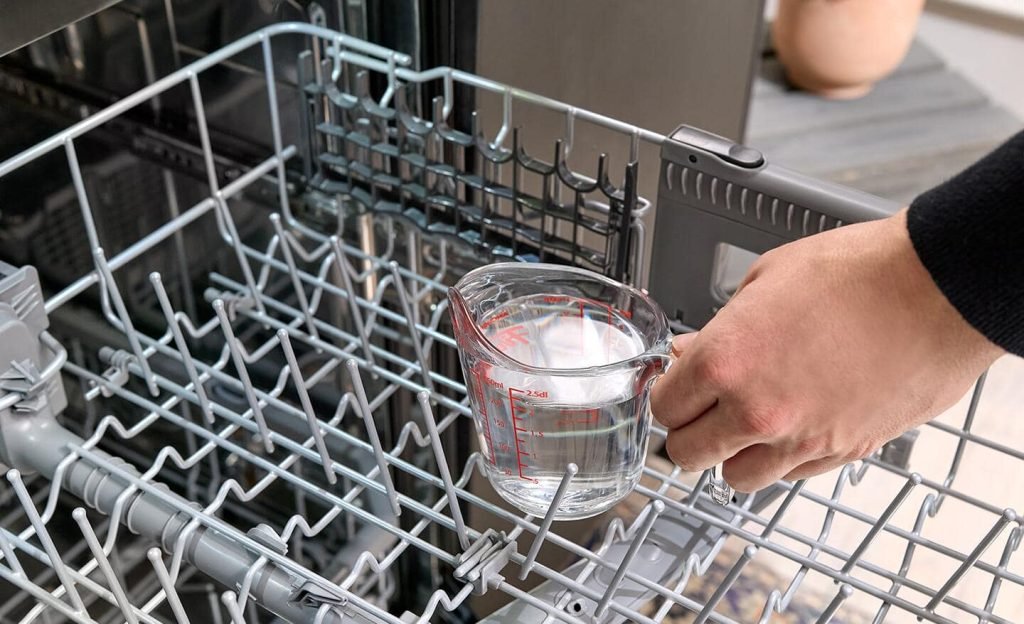
Are you tired of pulling out dishes that aren’t as sparkling clean as you’d hoped? If your dishwasher isn’t performing like it used to, it might be time to give it a thorough cleaning.
You might not think about cleaning an appliance that’s supposed to do the cleaning for you, but over time, your dishwasher can become a breeding ground for grime and bacteria. The good news? There’s a simple solution that might surprise you: bleach.
You’ll discover how to clean your dishwasher with bleach effectively and safely. Imagine opening your dishwasher to the fresh scent of cleanliness and seeing your dishes come out spotless every time. Keep reading to learn the step-by-step process that can make this dream a reality.
Credit: inthewash.co.uk
Why Use Bleach For Cleaning
Bleach effectively removes stubborn stains and sanitizes dishwashers. Its disinfecting power eliminates bacteria and mold, ensuring a cleaner appliance. Regular cleaning with bleach helps maintain dishwasher efficiency and prolongs its lifespan.
Cleaning a dishwasher can seem daunting. Bleach is a powerful cleaning agent. It effectively eliminates bacteria and mold. Let’s explore why bleach is a preferred choice.Powerful Disinfectant
Bleach kills germs and bacteria. It ensures a hygienic dishwasher. A clean dishwasher means clean dishes.Removes Tough Stains
Stains can be stubborn. Bleach breaks down tough stains. It leaves surfaces spotless and bright.Eliminates Unpleasant Odors
Dishwashers can smell bad over time. Bleach neutralizes odors effectively. Your kitchen will smell fresh.Easy To Use
Bleach is simple to apply. Just follow a few steps. No special skills required.Cost-effective
Bleach is affordable. A little goes a long way. It saves money on expensive cleaners. `Safety Precautions
Ensure proper ventilation while cleaning a dishwasher with bleach to avoid harmful fumes. Wear gloves to protect your skin from bleach. Rinse thoroughly to remove any bleach residue before using the dishwasher again.
Cleaning your dishwasher with bleach can be a straightforward task, but safety should be your priority. Bleach is a powerful cleaner, but it can be harmful if not handled correctly. Before you start, consider these essential safety precautions to ensure a safe and effective cleaning process.Protective Gear
Wearing the right protective gear is crucial. Use rubber gloves to protect your skin from direct contact with bleach. Eye protection, like goggles, can prevent accidental splashes from reaching your eyes. A simple apron or old clothes can shield your clothing from potential bleach stains. Have you ever had a favorite shirt ruined by cleaning products? Taking these precautions can save you from that mishap.Ventilation Tips
Proper ventilation is important when using bleach. Open windows or doors to allow fresh air to circulate. This reduces the concentration of fumes, making the environment safer for you. If your kitchen has an exhaust fan, turn it on. A well-ventilated space not only protects you but also helps bleach work more effectively. Have you ever felt dizzy while cleaning with strong chemicals? Good airflow can prevent that. Taking these steps ensures that your cleaning process is both safe and efficient. Are you ready to clean your dishwasher with peace of mind?Materials Needed
Cleaning your dishwasher with bleach ensures it operates efficiently. Before you start, gather the necessary materials. This preparation simplifies the task.
Essential Supplies
Bleach is the key ingredient. Choose a standard household bleach. It effectively cleans and disinfects. Measuring cup is needed for accurate bleach measurement. Ensure you have a clean sponge or cloth. These help apply the bleach and wipe surfaces. A small brush is useful for scrubbing stubborn stains. Gloves protect your hands during cleaning. Safety first!
Alternative Options
If bleach is unavailable, consider white vinegar. It’s a natural cleaner. Baking soda is another option. It helps deodorize and clean. Lemon juice can be used for a fresh scent. Essential oils add fragrance and antibacterial properties. Choose oils like tea tree or lavender. These alternatives are safe and effective.
Preparation Steps
Begin by removing dishes and racks from the dishwasher. Then, wipe down the interior with a damp cloth. Prepare a bleach solution and run a short, hot cycle to sanitize effectively.
Cleaning your dishwasher with bleach can be a simple task if you prepare properly. Before you dive in, it’s crucial to take the right steps to ensure efficiency and safety. These preparation steps will set you up for success and ensure your dishwasher comes out sparkling clean.Empty The Dishwasher
Start by removing all dishes, utensils, and any racks or trays that can be taken out. This might seem obvious, but it’s a step that often gets overlooked. By completely emptying the dishwasher, you ensure that the bleach can reach every corner. Consider placing the removed items in a safe, dry place to avoid any accidental splashes. Have you ever had to rewash a load because you missed a spot? It’s all about giving your dishwasher a fresh start.Inspect The Drain
Once your dishwasher is empty, check the drain at the bottom. This area is notorious for trapping bits of food and debris. Gently remove any visible blockages to prevent clogs and ensure smooth water flow. Sometimes, you might find unexpected treasures like a stray spoon or a piece of plastic. Removing these items not only helps your cleaning process but also extends the life of your appliance. Have you ever found a long-lost item during a cleaning session? It’s like rediscovering something you thought was gone for good. By carefully following these preparation steps, you ensure that your dishwasher is ready for a thorough clean with bleach. What other tricks do you use to prep before a big cleaning task?Cleaning Process
Cleaning your dishwasher with bleach can ensure sparkling clean results. This process helps remove stubborn stains, odors, and bacteria. Follow these simple steps to make your dishwasher spotless and fresh.
Mixing The Bleach Solution
Start by mixing a safe bleach solution. Use one cup of bleach and one gallon of water. Stir well to combine. This mixture helps disinfect and clean effectively.
Applying The Solution
Carefully pour the bleach solution into the bottom of the dishwasher. Avoid adding bleach to the detergent dispenser. Ensure the dishwasher is empty before doing this step.
Running The Cleaning Cycle
Set your dishwasher to the hottest cycle available. This helps activate the bleach for maximum cleaning power. Allow the cycle to complete fully. It ensures thorough cleaning and sanitization.

Credit: www.tiktok.com
Rinsing And Finishing
Cleaning a dishwasher with bleach is a practical choice. But remember, finishing touches matter. Rinsing and finishing ensure a spotless machine. After scrubbing and soaking, it’s time to rinse and finalize. This step removes any bleach remnants. It leaves your dishwasher fresh and ready for use.
Final Rinse
First, run a hot water cycle. This ensures all bleach residue is gone. A hot cycle is essential for thorough cleaning. It sanitizes and deodorizes your machine. Be sure no dishes are inside. You want the water to reach all surfaces.
Check For Residue
Once the cycle completes, inspect the interior. Look for any leftover bleach spots. Open the dishwasher door and let it air out. This helps to remove any lingering bleach smell. If you see bleach, wipe it with a damp cloth. Use clean water to dampen the cloth. This step ensures a safe, chemical-free appliance.
Maintenance Tips
Cleaning a dishwasher with bleach keeps it fresh and hygienic. Mix bleach with water and run an empty cycle. Always ensure proper ventilation while cleaning to avoid harmful fumes. Regular cleaning prevents buildup and ensures optimal performance.
Keeping your dishwasher in peak condition doesn’t require magic or special skills. With just a few maintenance tips, you can ensure your dishwasher runs efficiently and avoid unpleasant odors or build-up. Let’s dive into practical steps for maintaining your dishwasher, so it stays sparkling clean and in top-notch working order.Regular Cleaning Schedule
Establishing a regular cleaning schedule for your dishwasher can prevent issues before they arise. Set a reminder on your phone or mark it on your calendar to clean your dishwasher every month. During these monthly cleanings, remove the racks and check the drain for food particles or debris. Wipe down the interior surfaces with a damp cloth, focusing on the door edges and gasket. Consider running an empty cycle with bleach every few months for a deep clean. This can help eliminate any lingering bacteria or mold. Remember to use bleach sparingly and only if your dishwasher’s manual approves it.Avoiding Future Build-up
To avoid future build-up, always scrape off food particles from your dishes before placing them in the dishwasher. This simple step can prevent clogging and unpleasant smells. Use a high-quality dishwasher detergent to ensure a thorough clean, and occasionally add a cup of white vinegar to the bottom of the dishwasher before starting a hot cycle. The vinegar acts as a natural cleaner and deodorizer. Inspect your dishwasher’s spray arms regularly. Make sure they rotate freely and the holes aren’t clogged. If they are, use a toothpick to clear them. You might be surprised how this small task enhances the cleaning power of your dishwasher. Have you ever thought about how much time you actually save with a well-maintained dishwasher? By investing a little time in regular maintenance, you can enjoy spotless dishes and a longer-lasting appliance.
Credit: www.onegoodthingbyjillee.com
Common Mistakes
Bleach can damage rubber parts in dishwashers if used too often or in large amounts. Mixing bleach with other cleaners might create harmful fumes. Always ensure proper ventilation and read the manual before cleaning.
Cleaning your dishwasher with bleach can be a simple task, but common mistakes can lead to problems. Understanding these mistakes will help you maintain the efficiency and longevity of your appliance. Let’s dive into some pitfalls to avoid when using bleach for cleaning.Overuse Of Bleach
Bleach is powerful. Using too much can damage your dishwasher and leave a strong odor. It’s tempting to think more bleach means a cleaner dishwasher, but that’s not true. Overuse can lead to residue buildup, affecting the machine’s performance. Stick to recommended amounts—usually a quarter cup—to clean effectively without harm. Have you ever noticed a lingering bleach smell after a cleaning spree? That’s often a sign you’ve used too much.Ignoring Safety Measures
Safety is crucial when handling bleach. Neglecting precautions can pose risks to you and your appliance. Always wear gloves and ensure proper ventilation. Bleach fumes can be harmful, especially in confined spaces like a kitchen. Also, remember to run an empty cycle after cleaning to rinse away bleach residues. Have you ever skipped this step and found your dishes smelling odd? That’s why rinsing is important. Avoid mixing bleach with other cleaning agents. This can create dangerous fumes or damage your dishwasher. Following safety measures protects both you and your machine.Environmental Considerations
Consider the environment when using bleach to clean your dishwasher. Ensure proper ventilation to minimize harmful fumes. Use gloves to protect skin from irritation, and avoid mixing bleach with other cleaners to prevent toxic reactions.
Cleaning your dishwasher with bleach can be a quick fix for stubborn stains and mold. However, it’s crucial to consider the environmental impact of using such harsh chemicals. Many people, myself included, are looking for ways to maintain a clean home without harming the planet. Let’s explore some thoughtful approaches to balance cleanliness with environmental responsibility.Eco-friendly Alternatives
If you’re like me, you might have mixed feelings about using bleach due to its environmental footprint. Luckily, there are eco-friendly alternatives to consider. Using vinegar and baking soda is an effective way to clean and deodorize your dishwasher naturally. These household items not only clean well but are biodegradable and non-toxic. Imagine maintaining your appliance’s sparkle while keeping your conscience clear. Have you tried using these alternatives before? They’re easy to find and kinder to our planet.Disposal Of Cleaning Products
After cleaning, what do you do with leftover bleach or its containers? Proper disposal is essential to prevent environmental harm. Avoid pouring bleach down the drain as it can contaminate water sources. Instead, consider taking it to a local hazardous waste facility. Many communities offer programs to dispose of household chemicals safely. By doing this, you’re not just maintaining a clean home but also contributing to a healthier environment. Have you checked if such facilities are available in your area? Balancing cleanliness and environmental care requires thoughtful choices. By opting for greener cleaning methods and proper disposal, you make a positive impact. Your small actions can lead to significant environmental benefits.Frequently Asked Questions
Will Bleach Damage A Dishwasher?
Yes, bleach can damage a dishwasher. It may corrode metal parts and degrade seals, causing leaks. Instead, use vinegar or baking soda for cleaning. Regular maintenance with dishwasher-safe products ensures longevity and efficiency. Always follow the manufacturer’s guidelines for cleaning and maintenance.
What Is The Best Way To Clean The Inside Of A Dishwasher?
Clean the dishwasher by removing racks and debris. Wipe the interior with vinegar, then run a hot cycle. Use baking soda for odor removal. Regular maintenance ensures efficiency and cleanliness.
What Is The Best Thing To Clean A Dishwasher With?
Use white vinegar and baking soda to clean a dishwasher. Pour one cup of vinegar into a dishwasher-safe container on the top rack, and run a hot water cycle. Then, sprinkle a cup of baking soda on the bottom and run a short hot water cycle.
This removes odors and grime effectively.
Can I Clean My Dishwasher With Bleach And Vinegar?
Avoid using bleach and vinegar together in your dishwasher. Mixing them creates harmful chlorine gas. Use vinegar alone to clean safely. Run an empty cycle with vinegar to remove odors and build-up. For bleach, ensure it’s diluted and use sparingly, keeping safety in mind.
Always follow the manufacturer’s cleaning guidelines.
Conclusion
Cleaning your dishwasher with bleach ensures it works efficiently. It removes stubborn stains and bacteria. Regular cleaning prevents bad odors and mold growth. Always follow safety tips when using bleach. Proper cleaning extends the lifespan of your dishwasher. It also improves its performance.
Use bleach responsibly for a sparkling clean appliance. Your kitchen stays fresh and hygienic. Enjoy clean dishes every day. Now, your dishwasher is ready for action! Keep this cleaning routine for best results. A clean dishwasher equals happy kitchen moments.
