
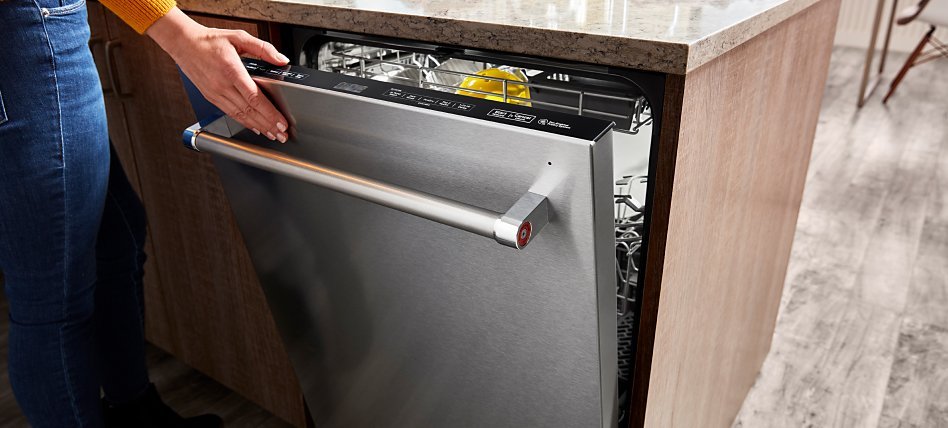
Is your KitchenAid dishwasher not performing at its best? Maybe you’ve noticed spots on your dishes or an unpleasant odor wafting from its interior.
You’re not alone. Many people overlook the importance of regular cleaning for their dishwashers, assuming that because these machines clean dishes, they clean themselves. But that’s not the case. If you want to keep your dishwasher in tip-top shape and ensure it works efficiently, it’s crucial to give it a thorough cleaning every now and then.
Imagine opening your dishwasher to find sparkling clean dishes every time. Picture the satisfaction of knowing that your appliance is running smoothly and efficiently. In this guide, you will discover simple, practical steps to clean your KitchenAid dishwasher effectively. We’ll walk you through the process, using common household items, to restore its performance and extend its lifespan. Keep reading to learn how you can make your dishwasher work like new again, ensuring spotless dishes and a fresh-smelling kitchen.

Credit: codysappliancerepair.com
Preparation Steps
Keeping your Kitchenaid dishwasher clean ensures it runs smoothly. Before diving into the cleaning process, proper preparation is essential. Gather your supplies and ensure safety. These steps help you achieve optimal cleaning results.
Gather Cleaning Supplies
Start by gathering all necessary cleaning tools. You will need a soft brush, a mild detergent, and a soft cloth. White vinegar and baking soda are also helpful. These items ensure thorough cleaning of your dishwasher. Having everything ready saves time and effort. You won’t need to stop midway to find something.
Safety Precautions
Safety should always be a priority. First, make sure the dishwasher is unplugged. This prevents any accidental electrical issues. Wear gloves to protect your hands from any sharp edges. Ensure the area around the dishwasher is dry. A wet floor can be slippery and dangerous. Following these precautions helps prevent accidents during cleaning.
Cleaning The Exterior
Maintaining a clean exterior enhances your KitchenAid dishwasher’s look. Use a damp cloth with mild soap to wipe surfaces gently. Avoid abrasive cleaners to prevent scratches and keep the finish shiny.
Cleaning the exterior of your KitchenAid dishwasher not only keeps it looking good but also ensures it functions smoothly. A sparkling exterior can make a real difference in your kitchen, both aesthetically and practically. You might be wondering how to maintain that sleek appearance—let’s break it down into manageable steps.Wiping The Door
Start with the door, which often gets overlooked. Use a soft, damp cloth with mild soap to gently wipe the door’s surface. This removes fingerprints, water spots, and any splashes from a busy kitchen day. Don’t forget the edges of the door. These can gather dust and grime over time. A quick wipe here can prevent buildup that might affect the door’s seal. Have you ever noticed streaks after cleaning? Consider using a microfiber cloth for a streak-free finish. It’s a simple switch that makes a big difference.Maintaining Control Panel
The control panel is the brain of your dishwasher. Keeping it clean ensures that buttons and displays function properly. Use a slightly damp cloth to gently clean the buttons and screen. Avoid soaking or spraying directly onto the panel to prevent moisture from seeping into the electronics. It’s a small detail, but crucial for maintaining your dishwasher’s health. Are you mindful of how often you clean the control panel? Regular attention can prevent buttons from sticking or becoming unresponsive. A few seconds of care can save you from future frustration. Cleaning the exterior of your KitchenAid dishwasher doesn’t have to be a daunting task. With these straightforward steps, you can keep it looking and working like new. What are your own tips for keeping appliances in top shape?Interior Cleaning
Keeping your Kitchenaid dishwasher clean inside is crucial for optimal performance. Regular interior cleaning helps remove food particles and grime. It prevents unpleasant odors and maintains efficiency. Follow these steps to ensure your dishwasher remains in top condition.
Emptying The Dishwasher
Start by removing all dishes and utensils. Ensure the dishwasher is completely empty. This provides space to clean every nook inside. Check the bottom for any leftover food particles. These can block the drain and cause issues.
Inspect the spray arms for clogs. Food debris can hinder their movement. Carefully pull out any visible obstructions. A clean dishwasher is more efficient and hygienic.
Cleaning The Racks
Take out the racks carefully. Examine them for food deposits or stains. Use a damp cloth to wipe them clean. Mild soap can help remove stubborn spots. Ensure all surfaces are spotless.
Check the rollers and tracks. Dirt can accumulate and affect their function. Wipe them with a damp cloth to remove any buildup. Return the racks to the dishwasher once cleaned. Your dishwasher will operate smoothly and effectively.
Filter Maintenance
Filter maintenance is vital for a smooth-running Kitchenaid dishwasher. A clean filter ensures that dishes come out spotless. It also prevents unpleasant odors. Regular maintenance prolongs the appliance’s lifespan. Follow these simple steps to keep your filter in top condition.
Removing The Filter
Start by turning off your dishwasher. Safety first. Open the dishwasher door and pull out the bottom rack. Look for the filter at the bottom of the dishwasher tub. It usually consists of two parts: a cylindrical fine mesh and a flat coarse mesh. Carefully twist the cylindrical filter counterclockwise. Lift it out gently to remove it. Set it aside.
Cleaning The Filter
Rinse the filter under warm running water. This removes food particles and debris. Use a soft brush or old toothbrush. Gently scrub the mesh to clear any trapped residue. Avoid using harsh chemicals or abrasive tools. They can damage the filter. Rinse again thoroughly. Make sure no dirt remains. Let the filter air dry completely. This prevents mold or mildew buildup.
Spray Arm Care
The spray arm in your Kitchenaid dishwasher plays a crucial role in cleaning. It ensures water reaches every corner of the dishwasher. Proper care of the spray arm enhances performance. Regular checks and maintenance keep it functioning efficiently.
Inspecting The Spray Arm
Start by inspecting the spray arm. Check for visible damage or wear. Turn the spray arm to ensure it moves freely. Verify no obstructions hinder its movement. A broken spray arm affects cleaning results. Repair or replace if necessary.
Removing Clogs
Clogs can reduce cleaning efficiency. Use a toothpick or soft brush to remove debris. Focus on the holes of the spray arm. Ensure water flows freely through each opening. Flush the spray arm with water to clear stubborn clogs. Regular unclogging extends the lifespan of your dishwasher.
Dealing With Odors
Cleaning a Kitchenaid dishwasher eliminates unpleasant odors effectively. Remove food debris from the filter and spray arms. Run a hot water cycle with vinegar or baking soda for freshness.
Cleaning your KitchenAid dishwasher is crucial for maintaining its performance. One common issue many face is unpleasant odors. These odors can arise from food particles or residue buildup. Regular cleaning can help eliminate these smells. Let’s explore effective methods to tackle dishwasher odors.Using Vinegar
Vinegar is a natural deodorizer. It helps remove odors and bacteria. Start with an empty dishwasher. Fill a cup with white vinegar. Place it on the top rack. Run a hot water cycle. The vinegar will break down any residue. It leaves your dishwasher smelling fresh.Baking Soda Solution
Baking soda is excellent for neutralizing smells. After the vinegar cycle, sprinkle baking soda on the bottom. Use about a cup for best results. Run a short hot water cycle. This will help remove any lingering odors. Baking soda also cleans the interior surface. It’s a simple yet effective method.Regular Maintenance Tips
Keeping your Kitchenaid dishwasher in tip-top shape isn’t just about ensuring it looks nice; it’s about making sure it runs efficiently and lasts for years. Regular maintenance can prevent unpleasant odors, improve cleaning performance, and save you money on costly repairs. By integrating a few simple habits into your routine, you can keep your dishwasher functioning like new.
Frequency Of Cleaning
How often do you clean your dishwasher? If you’re like most people, the answer might be “not often enough.” Ideally, you should give your dishwasher a thorough cleaning once a month. This doesn’t mean a quick wipe down—dedicate some time to clean the filter, spray arms, and door gasket.
Weekly, you can run a quick empty cycle with a cup of white vinegar placed in a dishwasher-safe bowl on the top rack. This helps remove any lingering odors and mineral deposits. Remember, frequent cleaning is key to avoiding build-up that can lead to bigger problems.
Using Rinse Aid
Do you use rinse aid? If not, you might be missing out on shinier, cleaner dishes. Rinse aid helps water slide off your dishes more easily, preventing spots and ensuring a streak-free finish. It’s especially useful if you have hard water, which can leave mineral deposits on your glassware.
Refill the rinse aid dispenser every month or as needed. Most dishwashers have a handy indicator light that tells you when to add more. If you’re unsure about how much to use, start with the suggested amount and adjust based on your results.
Regular maintenance doesn’t have to be a chore. With these simple tips, you’ll keep your Kitchenaid dishwasher running smoothly and your dishes sparkling clean. What other maintenance tricks have you found helpful for your appliances?

Credit: damselwithadrill.com

Credit: www.youtube.com
Frequently Asked Questions
What Is The Best Way To Clean A Kitchenaid Dishwasher?
Clean a KitchenAid dishwasher by removing debris from the filter. Wipe the interior with a damp cloth. Use white vinegar for a cleaning cycle. Place a cup of vinegar on the top rack and run a hot water cycle. Regular maintenance ensures optimal performance.
Is There A Filter To Clean On A Kitchenaid Dishwasher?
Yes, KitchenAid dishwashers have a filter that needs regular cleaning. It prevents food particles from clogging the system. Check the manual for filter location and cleaning instructions. Regular maintenance ensures optimal performance and longevity of your dishwasher.
Can You Use Vinegar In A Kitchenaid Dishwasher?
Yes, you can use vinegar in a KitchenAid dishwasher. Use it to remove odors and mineral buildup. Place a cup of white vinegar on the top rack. Run a hot water cycle without detergent for best results. Avoid using vinegar too frequently to prevent damage to rubber parts.
How Do I Run A Clean Cycle In My Dishwasher?
To run a clean cycle, empty the dishwasher, add dishwasher cleaner, and select the hottest cycle. Regular cleaning removes residues and maintains efficiency. Always follow your dishwasher’s manual for specific instructions and recommendations.
Conclusion
Cleaning your Kitchenaid dishwasher is simple and important. Regular maintenance helps it run smoothly. First, gather the right tools like a soft cloth and vinegar. Next, remove any food debris from the bottom. Wipe the door and gasket to prevent mold.
Run a vinegar cycle for deep cleaning. Remember to check the filter for any clogs. These steps ensure your dishwasher stays in top condition. Enjoy spotless dishes every time. Keep it clean, and it will serve you well. Happy dishwashing!
